Supply Chain
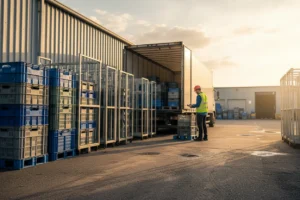
Returnable Packaging Market: Size, Growth and What Drives It
The returnable packaging market is worth USD 128.9 billion. What drives its growth, and why tracking decides if reusable programs pay.

The returnable packaging market is worth USD 128.9 billion. What drives its growth, and why tracking decides if reusable programs pay.
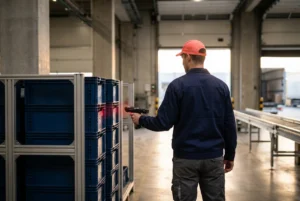
EPR compliance for returnable containers rests on proof of reuse. See how cycle counts and dwell data stand up to a PPWR audit.

The best project44 alternatives for enterprise supply chain visibility close the gaps one platform rarely covers, from fragmented data across disparate systems to the lack of a unified control tower. When choosing, compare integration depth, specialized features, data quality, carrier
The best Tive alternatives for real-time supply chain visibility offer stronger AI, broader sensor support or a closer fit for your use case. When choosing, look for platforms that predict and prescribe rather than just report a location, close in-transit

Compare real-time IoT cold chain sensors against passive data loggers on alerting, FSMA 204 records, and cost per high-value load.

AI-powered supply chain visibility combines real-time GPS, BLE, and IoT sensor data with machine learning to track goods, assets, and shipments end to end. Instead of reporting problems after they happen, it flags risks such as idle trucks, temperature drift,
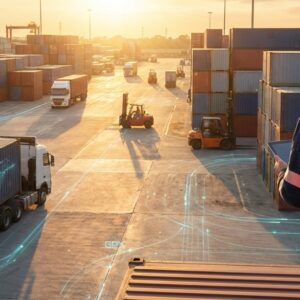
AI-powered supply chain visibility is redefining logistics by moving teams from watching passive dots on a map to predictive loss prevention. Machine learning models learn the normal behavior of every asset, lane, and supplier, then flag exceptions such as an

Apple AirTags fail in B2B enterprise logistics because consumer tags are built for one person finding one set of keys, not an operations team managing thousands of returnable containers. Roughly one-year batteries create constant replacement labor across large fleets, anti-stalking
The supply chain visibility conversation has changed. Two years ago, shippers were still asking whether they needed real-time tracking. Today, the question is sharper. Why is artificial intelligence rewriting the rules of supply chain visibility so quickly, and what does

Supply chain risk management exists to eliminate the blind spots that turn into costly disruptions, and it depends on multi-tier visibility. GPS gives real-time in-transit tracking, BLE and RFID remove indoor blind spots and inventory shrinkage, and AI analytics automate