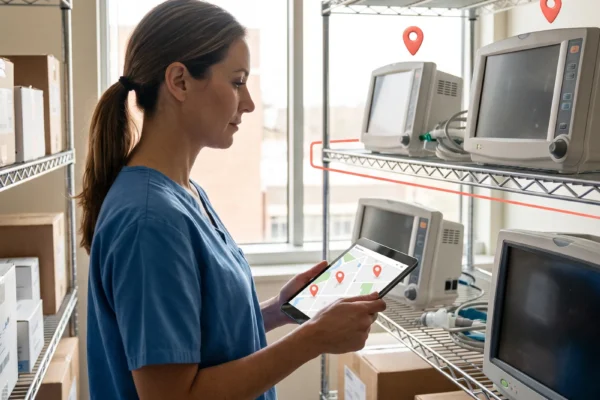
Hospital Equipment Tracking for Biomed, Supply Chain and Nursing Teams
Healthcare asset tracking shows where your mobile medical equipment is, how long it has sat idle, and when it leaves a building it should stay in. GPX attaches Bluetooth tags and GPS trackers to infusion pumps, wheelchairs, beds and rental equipment, then puts every asset on one map with alerts and idle-time reports.
A trusted partner to the world's biggest companies





































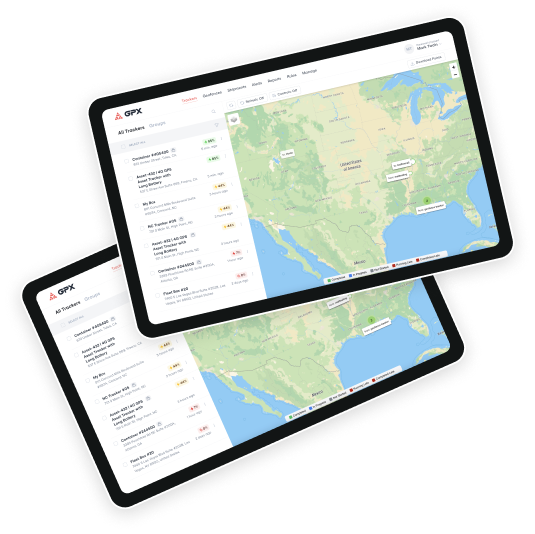
Nurses and biomed technicians spend too much of every shift hunting for pumps, monitors and wheelchairs. When equipment cannot be found, units hide spares, departments order rentals they do not need, and preventive maintenance slips. A medical equipment tracking system ends the search. GPX shows the last-seen location of every tagged asset across floors, buildings and off-site clinics, so staff walk straight to it.

Geofence each building or campus. If a wheelchair, bladder scanner or portable monitor leaves without authorization, your team gets an instant alert.

Tags report their last known area whenever they are near a GPX tracker or gateway, so you can see which building or campus an asset was last in.

When you can find the equipment you own, you stop renting extra pumps and replacing beds that were only misplaced.

Ask Scout AI in plain language which pumps have sat idle all week or where a rental bed was last seen. Predictive alerts flag problems before they slow care.

Locate equipment due for preventive maintenance or a recall check, so biomed staff stop searching unit by unit.

Idle and dwell reports show which equipment piles up in one unit while another runs short, so you can rebalance before you buy more.
Find Equipment Faster. Rent Less.
Health systems move equipment and supplies between hospitals, clinics, warehouses and repair vendors every day. GPX follows those moves door to door. Use AssetTrack Voyager on shipments and RoadTrack Wired or AssetTrack OBD on courier vans and shuttles. Geofence-confirmed arrival tells you when a delivery reaches the dock, so logistics and clinical teams see the same status without phone calls.
Geofence Every Campus in Seconds
Nobody should need training to find a wheelchair. GPX shows every tagged asset on one map, sends a geofence alert when equipment leaves a campus, and keeps a location history for each device. AssetTag Pro ships activated with no app pairing, and hardware plus service come in one subscription.
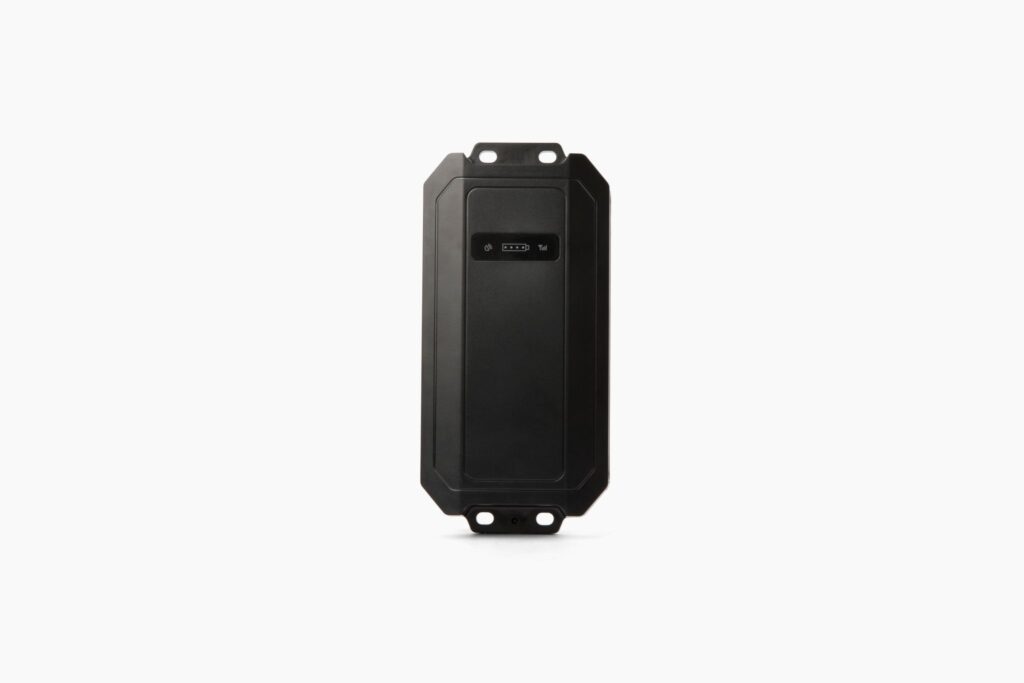
Up to 10 years of battery on one daily GPS fix. AssetTrack suits equipment that moves between facilities, such as rental beds, transport equipment and home medical equipment. It mounts by magnet, is IP67 and anti-tamper, and needs no wiring. It also picks up AssetTag tags within 80 ft, so one tracker reports the tagged items around it.
Hardware + Service Included: No separate hardware purchase
No Wiring: Magnetic mount on steel frames and carts
Cellular GPS: Location between buildings, depots and homes
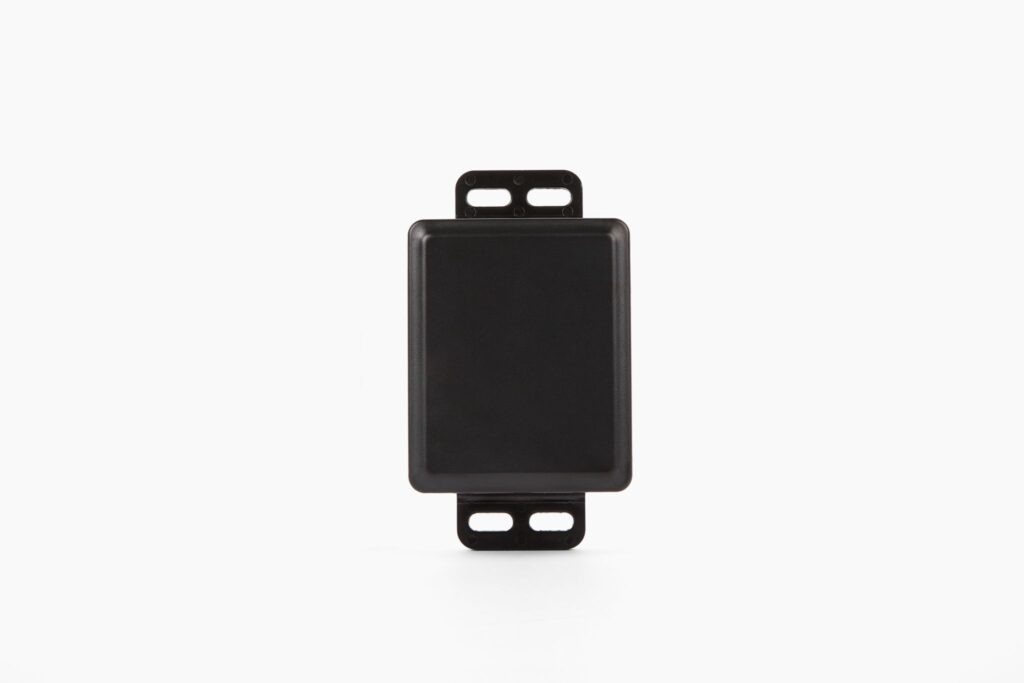
Compact and discreet. AssetTrack Mini has a small profile and hides on steel with an internal magnet, which suits wheelchairs, transport stretchers and mobile carts. It is IP67 and anti-tamper, with up to a 5-year battery, so it keeps reporting long after a paper log would be forgotten.
Up to 5-Year Battery: Fewer battery swaps for biomed
Hardware + Service Included: Nothing extra to buy
Hides on Steel: Internal magnet, IP67, anti-tamper
Know Where Every Specimen Cooler Is
Specimens move from clinics and collection sites to the lab on tight timelines. GPX tracks the cooler or tote they travel in. Key benefits:
The result: fewer lost coolers and fewer calls asking where a run is.
Powered or Not. Indoors or Out.
Pick the device by asset type. Key advantages:
Tags carry their own batteries, so non-powered assets like wheelchairs work too.
Many hospitals do not have too little equipment. They have equipment they cannot find. Hoarding, unreturned rentals, loaners that never come back and slow manual audits all come from one gap: nobody can see where assets are. GPS trackers and tags close that gap for hospitals, clinics, equipment providers and distributors.
When nurses cannot find a pump, they hide one for the next shift. Some units drift above their par levels while others run short, and the hospital looks under-supplied when it is not. GPX shows the last-seen area of every tagged asset. Supply chain and biomed teams can see where equipment has piled up and move it to the unit that needs it, before anyone calls for a rental.
Wheelchairs end up in the parking garage, beds go to the wrong wing, and monitors travel with patients to imaging and never come back. Bluetooth tags report each asset to the nearest GPX tracker or gateway, and a geofence alert fires the moment equipment leaves a campus. Your team works from one map across buildings, campuses and off-site clinics instead of calling around. Idle and dwell reports show which assets have stopped moving.
Rented beds, specialty mattresses and pumps are often billed long after the need has passed, because nobody can find them to send back. Tag rental equipment when it arrives, then see where it is, how long it has sat idle, and when it is ready to return. Rental bills stay tied to real demand instead of lost inventory, and your team can prove what came back.
Every minute spent looking for equipment is a minute away from patients or repairs. Nurses walk unit to unit for a pump, and biomed technicians hunt for devices that are due for preventive maintenance. With every asset on one map, and plain-language questions to Scout AI, staff go straight to what they need. Idle and dwell reports show where under-used equipment can go back to work instead of being bought again.
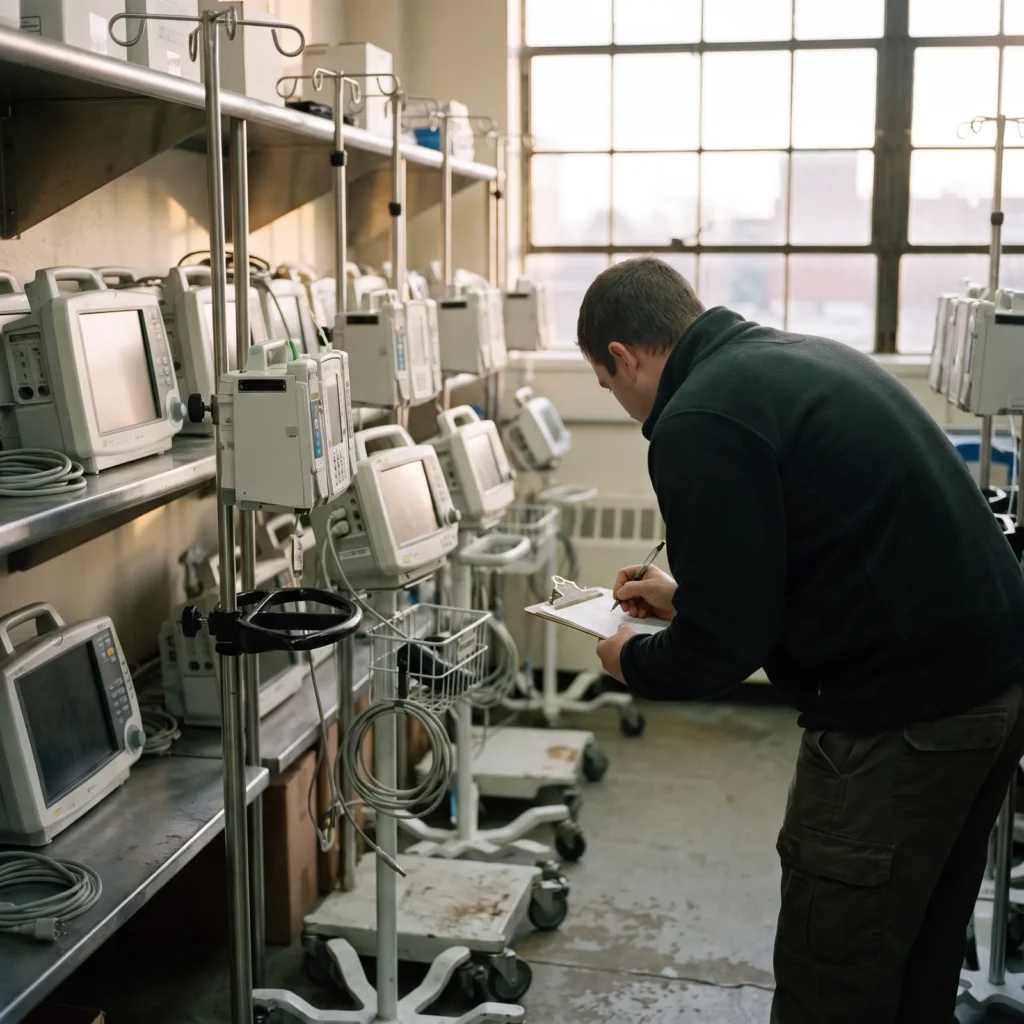
Manual audits pull staff off the floor and still leave gaps. Clipboards and spreadsheets go stale the moment a device moves. GPX keeps a running location record for every tagged asset, so an audit starts from current data and staff only check the exceptions. That means fewer hours spent reconciling counts and more confidence in what you own. Records can also feed your ERP or WMS through API, webhooks and data feeds.
A large health system, a single clinic and a durable medical equipment provider all track different things. GPX fits each one, from infusion pumps and wheelchairs inside a hospital to rental equipment in patient homes and the vans that deliver it. Locations and alerts can also flow into your ERP or WMS through the GPX platform API and webhooks.
Healthcare teams usually put AssetTag Edge or AssetTag on mobile equipment inside facilities, AssetTag Pro on equipment that travels to patients. Related solutions: asset tracking and inventory tracking. See every GPX tracking solution or all industries.
Case Study
Discover how organizations leverage real-time asset tracking to streamline operations, reduce costs, and enhance satisfaction. Learn about real-world results and practical strategies you can apply to your own business.
Healthcare Asset Tracking Questions, Answered
Common questions hospitals and equipment teams ask about medical equipment tracking
A hospital equipment tracking system shows where your mobile medical equipment is and how it is being used. GPX attaches Bluetooth tags or GPS trackers to assets such as infusion pumps, wheelchairs and beds. Each tag reports to a GPX tracker, gateway or nearby device, and the platform puts every asset on one map with location history, geofence alerts and idle-time reports.
Indoors, GPS signals are weak, so equipment is tracked with Bluetooth tags. AssetTag Edge reaches up to 75 ft indoors, and each tag is heard by a GPX tracker or gateway in range. The platform then records the last-seen area for each asset. GPS trackers take over when equipment leaves the building, such as rentals, loaners and transfers. Read more about equipment tracking.
Each one answers a different need. GPS gives location almost anywhere outdoors, which suits vehicles and equipment moving between sites. Bluetooth tags are small and battery powered, and they report whenever a tracker or gateway hears them, which suits mobile equipment indoors. RFID usually needs a reader or a scan at a doorway to log each read. GPX combines GPS trackers and Bluetooth tags, so updates arrive without anyone scanning.
You can track almost any mobile asset that staff search for or that leaves the building. Common examples are infusion pumps, wheelchairs, beds and stretchers, portable monitors, bladder scanners, rental equipment and specimen coolers. Powered and non-powered assets both work, because the tags carry their own batteries. For vehicles, AssetTrack OBD plugs into the OBD-II port of cars and light trucks built since 1996.
No. GPX tracks equipment and assets, not people. Tags go on pumps, beds, wheelchairs, coolers and vehicles, and the platform reports where those assets are and how they are used. If you need to locate patients or staff, that calls for a different kind of system. GPX focuses on keeping the equipment your teams depend on visible, protected and in use.
Most devices need no wiring at all. AssetTag Pro runs up to 3 years on a replaceable coin cell and ships activated with no app pairing. AssetTag Edge lasts up to 4 years, and AssetTrack gives up to 10 years on one daily GPS fix. Deployments go live in days, not quarters, and hardware is included in the subscription.
It cuts cost in three places. You make fewer replacement purchases for equipment that was only misplaced, order fewer rentals, and spend less staff time searching. Idle and dwell reports also show under-used assets you can redeploy before buying more. Pricing depends on your assets and devices, so talk to our team for a quote.