New

Learned Shipment Corridors. Alerts that know how your freight moves →

Traceability software

Traceability software for every container, pallet and shipment

Most traceability software records which lot went into which order. GPX traces the physical assets that carry your goods: where each returnable container, pallet, tote, cage or high-value shipment is right now, where it has been, and who held it last. No readers, gateways or site surveys to install.

  • As low as $45/yr per asset with AssetTag Pro, hardware included
  • As low as $13 per SmartLabel for single shipments
  • Zero infrastructure: tags report over a terrestrial network
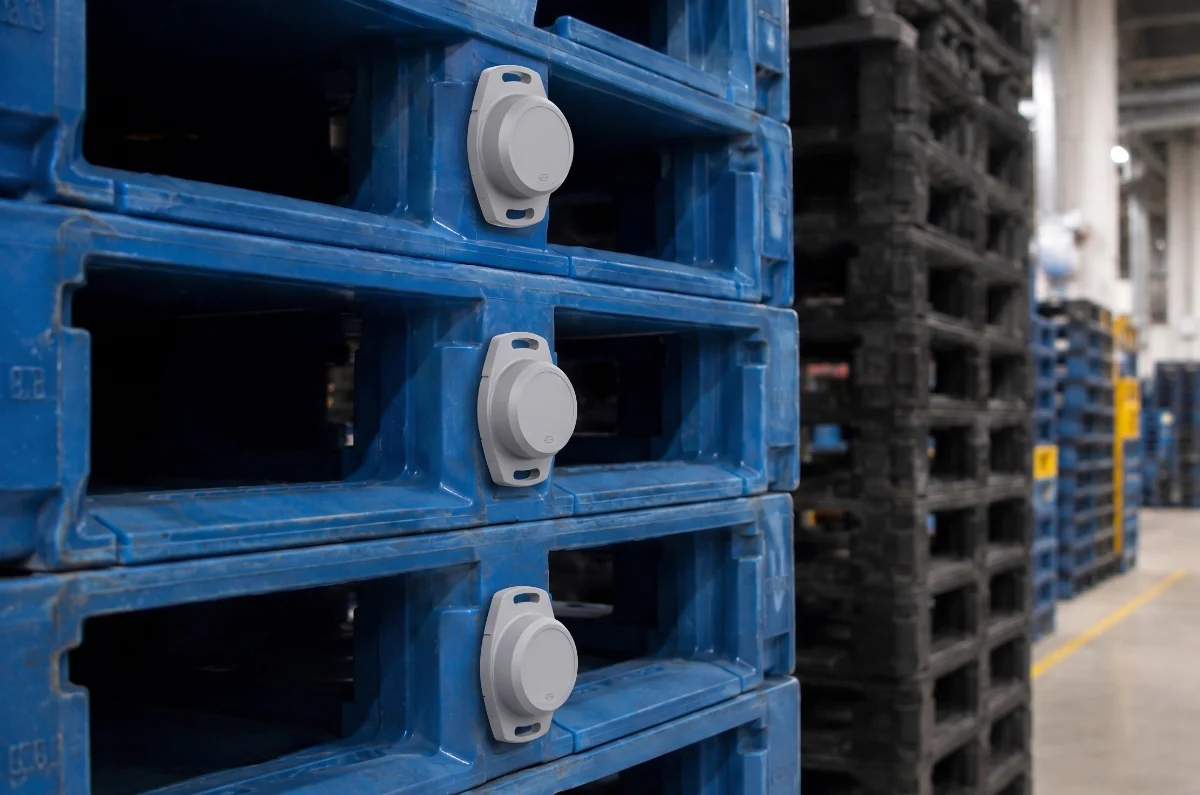
AssetTag Pro trackers mounted on stacked returnable plastic pallets, giving each container its own traceability record

Definitions first

What traceability software means: two different jobs

Ask a food producer, a drug distributor and an automotive supplier what traceability software does and you will get three answers that share a word and not much else. Underneath them sit two distinct jobs. Knowing which one you need saves a long evaluation.

Lot and batch traceability

This is the genealogy of what you make. It records which raw-material lot went into which finished batch, which batch shipped on which order, and which customer received it. It usually lives inside an ERP, MES or quality system and is built around recalls and regulation.

In the United States that means rules such as the FDA Food Traceability Rule under FSMA Section 204 for foods on the Food Traceability List, and the Drug Supply Chain Security Act (DSCSA) for prescription drugs. Lot traceability answers one question very well: what was in it?
Asset-level physical traceability

This is the history of the things that move your goods. Each returnable container, pallet, tote, rack, cage or high-value shipment carries a tag, and every location report is timestamped, so the record builds itself as the asset travels.

The result is a custody history per asset: when it left a supplier, how long it sat at a crossdock, which customer site held it last and when it came home. Asset traceability answers a different question: where is it, where has it been, and who had it?

The two are complementary. GPX does the second job and hands its records to the system doing the first, so a lot number and a physical container can finally be tied together.

Where lot records stop

Why trace the asset, not just the lot

Lot records are excellent inside your four walls and go quiet at the dock door. Once a container is on a truck or sitting at a partner site, the ERP knows it shipped and nothing more. That gap is where returnable packaging goes missing, where dwell quietly eats your pool and where disputes with suppliers start.

Losses you can attribute

When every container has its own history, a missing unit is no longer a line in a year-end write-off. You can see the last site that held it and the date it stopped moving.

Counts you do not have to take

Manual cycle counts across supplier and customer sites are slow and rarely agree with each other. Tagged assets report their own location, so the count is always current.

Dwell you can see early

Containers are rarely stolen. Far more often they sit idle at a site that has no reason to send them back. Dwell alerts surface them while recovery is still a phone call.

Evidence that survives an audit

A timestamped location trail per asset is a record you can export, share with a partner and hand to an auditor, rather than a spreadsheet someone rebuilt from memory.

Worked example

One returnable container, traced end to end

Take a single steel rack in an automotive supply loop. It leaves a tier-one supplier full, crosses a consolidation point, is emptied at the assembly plant and should come straight back. Lot traceability can tell you which parts were loaded into it and on which advance ship notice. It cannot tell you that the empty rack then spent three weeks at a second supplier who borrowed it.

With a tag on the rack, the history is complete: departure from the supplier, arrival and dwell at the crossdock, arrival at the plant, the unplanned detour and the return. That is the record that settles a chargeback, sizes your pool correctly and shows how many trips the rack actually made this year.

Illustrative example. Timings vary by loop.

See returnable container tracking →
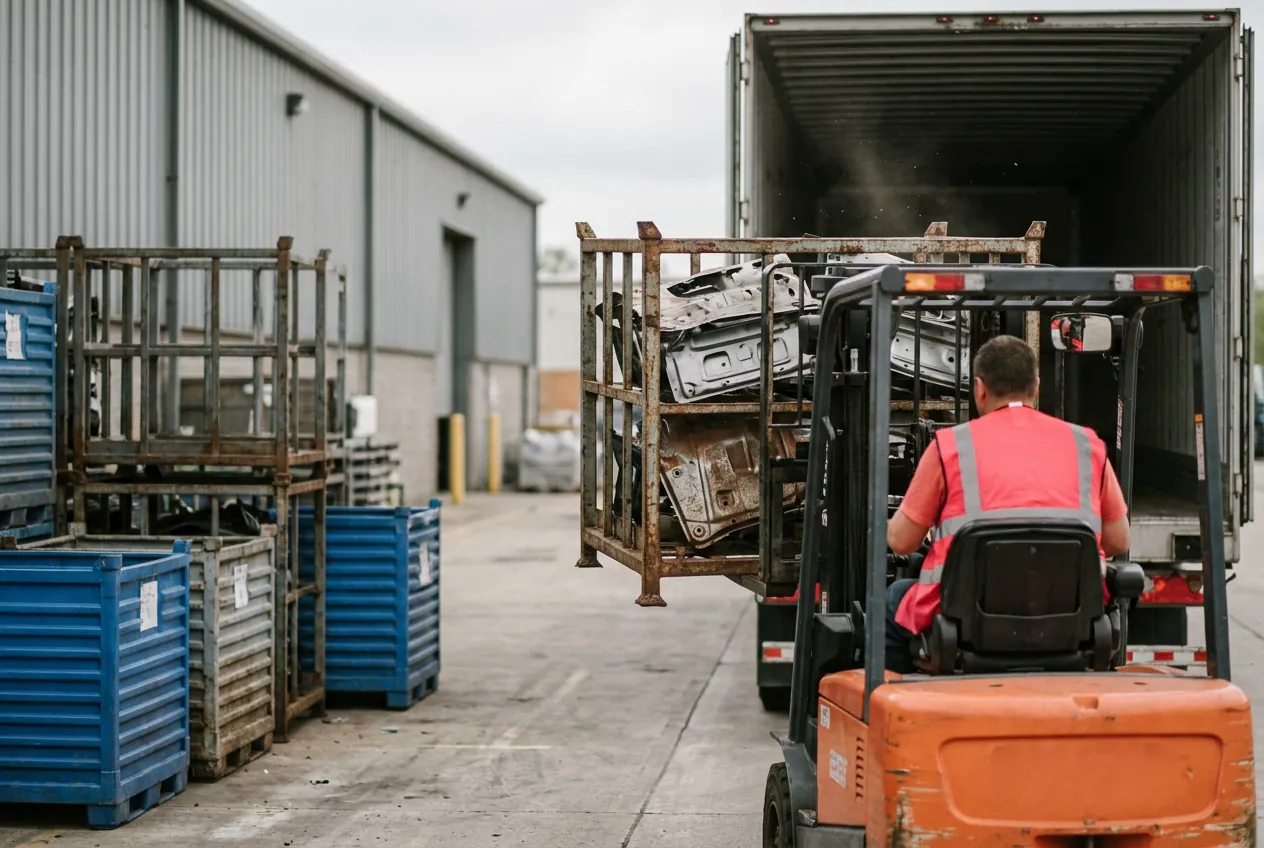
Forklift loading a steel returnable rack of stamped parts onto a trailer at a supplier dock, with blue reusable containers staged nearby

How it works

How GPX traceability software works

Three layers, and none of them needs you to install hardware at a site. That matters most at the locations you do not control: supplier docks, customer yards and third-party warehouses.

  1. 1

    Tag the asset

    AssetTag Pro mounts to a container, pallet, tote, rack or cage with adhesive or screws and runs up to 3 years on its battery, or up to 5 years on AssetTag Pro Max. For a single high-value shipment, a SmartLabel peels and sticks to the box.

  2. 2

    The network carries the signal

    Tags report over a terrestrial network, so there are no gateways, readers, SIM cards or site surveys. A container is traceable at a partner site the day it arrives there, without anyone at that site doing anything.

  3. 3

    The platform builds the record

    Every report is timestamped and stored against the asset. Geofences turn raw locations into custody events, such as arrived at supplier or left crossdock, and alerts fire on dwell, unexpected movement or silence.

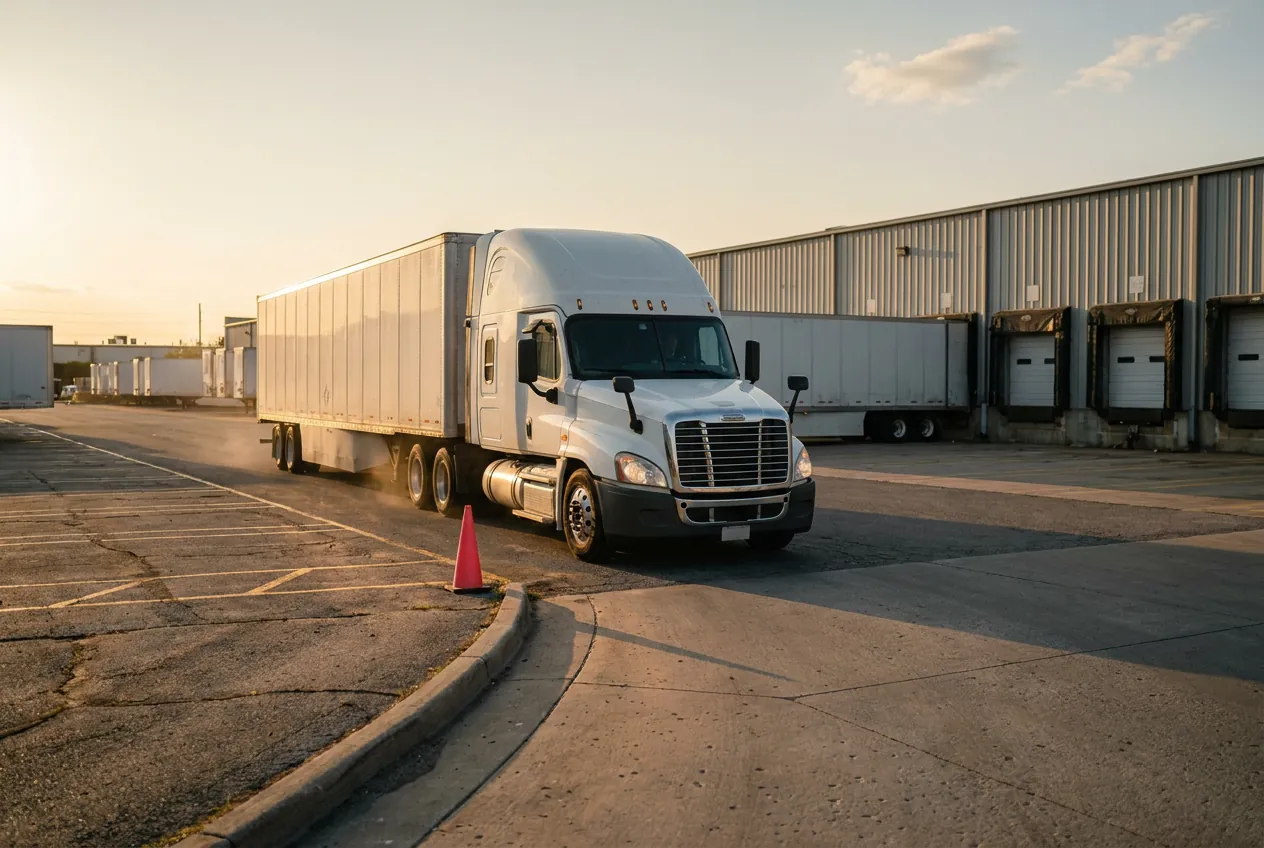
Semi-truck pulling out of a distribution center yard with tagged assets that stay traceable in transit without gateways

The record

What asset traceability lets you prove

A location trail is only useful if it turns into answers people act on. These are the four that operations, finance and procurement teams ask for most.

Chain of custody

For each asset, the ordered list of sites it visited, with arrival and departure times. When two partners disagree about who held a container last, the record answers it.

Dwell time by site

How long assets sit at each supplier, customer or crossdock, and which sites hold more than their share. Dwell is the root cause of most returnable loss, so this is where recovery starts.

Cycle counts and turns

How many trips each container made and how long a loop really takes. Real turn times let you size a pool from evidence instead of padding it with buffer stock.

Loss and recovery

Which assets stopped moving, where they were last seen and what was recovered. Replacement spend becomes a number you can trace to sites and partners.

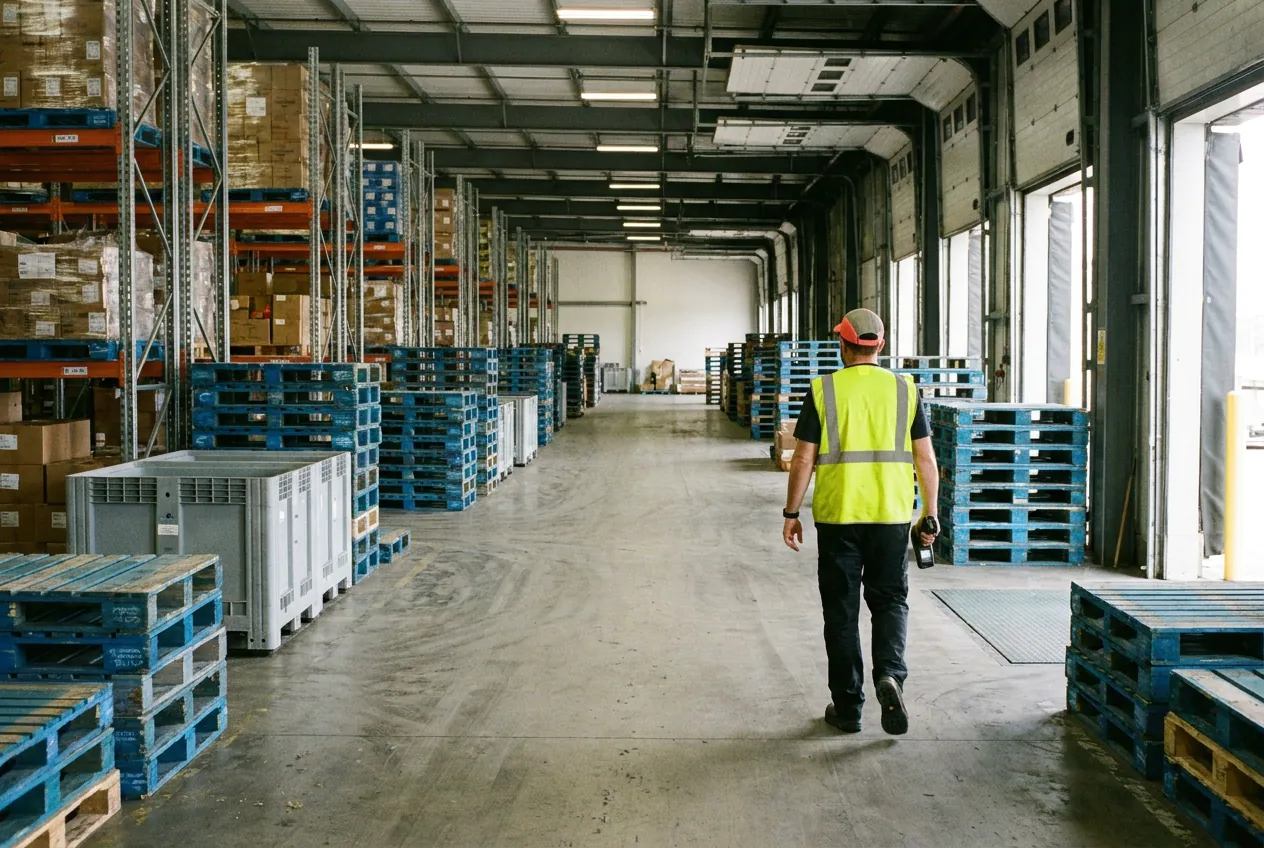
Worker walking between lanes of reusable plastic pallets and bulk containers at a cross-dock where dwell time is measured by site

Compliance and audits

Traceability evidence for compliance, audits and chargebacks

Regulations and contracts increasingly ask companies to show what happened to their packaging, not just assert it. Asset-level records are the cheapest way to produce that evidence, because they accumulate without anyone filling in a form.

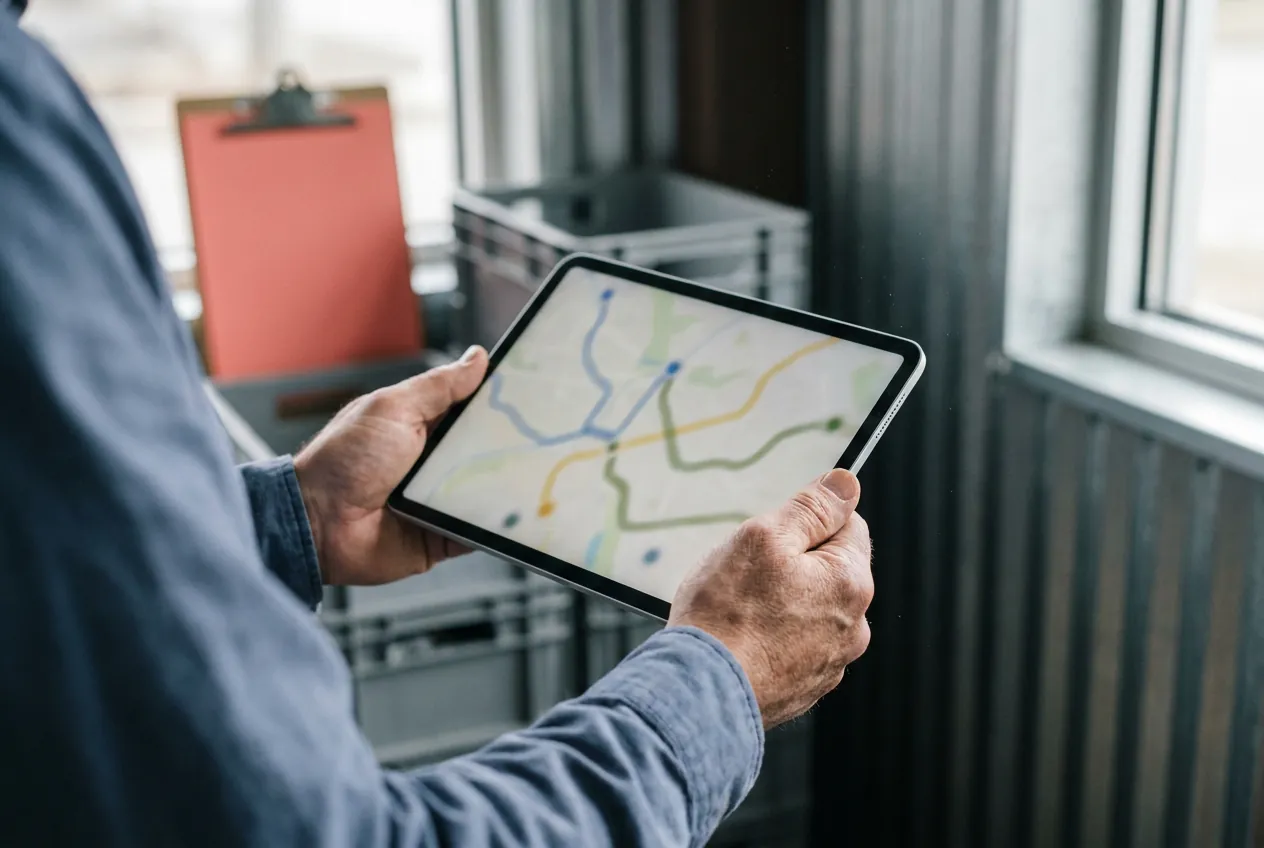
Operations manager reviewing container routes on a tablet map to build audit and reuse evidence

EPR and PPWR: evidence of reuse

Extended producer responsibility schemes increasingly modulate fees by packaging design, and reusable packaging is treated favorably when reuse can be demonstrated. In the EU, the Packaging and Packaging Waste Regulation sets a reuse target of at least 40 percent for transport packaging from 1 January 2030, according to the European Commission. No regulation requires GPS tracking. What the rules ask for is records, and tagged containers produce trip counts, return rates and loss rates as a by-product of normal operation.

Customer and supplier audits

Export the custody history for any asset or site and share it as it stands. The trail is timestamped by the platform, not typed in afterwards.

Deposits and chargebacks

When a partner keeps containers beyond the agreed window, the dwell record shows which site held them and for how long. That turns a chargeback from a negotiation into an invoice line.

Where it is used

Asset traceability by industry

The assets change from one industry to the next. The question does not: where is the thing that carries our product, and who has it?

Automotive and manufacturing

Steel racks, dunnage and returnable totes shuttle between tiered suppliers and assembly plants. Traceability shows which supplier holds more than its share and how long empties wait before they come home.

Food and beverage

Reusable crates, pallets and kegs travel out to distributors and retailers and trickle back. A custody trail per asset makes deposit programs enforceable and shows which routes leak containers.

Chemicals and liquids

IBCs and returnable drums are expensive, regulated and easy to strand at a customer site. Tagging them gives the trip history and return timing that fleet planning depends on.

Pharma and healthcare

Lot traceability for the product sits with DSCSA processes. Asset traceability covers the reusable totes, cages and shipping containers the product travels in, and pairs with temperature monitoring where needed.

Aerospace and defense

Tooling cages, fixtures and specialized containers are few, costly and slow to replace. A timestamped record of where each one went protects both the schedule and the budget.

Logistics and 3PL

Pooled pallets, roll cages and high-value shipments cross many hands. Traceability gives each handoff a time and a place, which is what claims and customer reporting need.

Browse GPX by industry for sector-specific detail.

Your systems

Traceability data that feeds your ERP, WMS and TMS

Asset traceability is most valuable when it meets the records you already keep. GPX exposes each asset's location history and custody events so they can sit beside the order, lot and shipment data in your own systems.

ERP

Reconcile the container count your ledger believes against the count the tags observe, site by site, and see where the two drift apart.

WMS

Pair an asset ID with the lot or order loaded into it, so a lot record also carries the physical path it traveled.

TMS

Match custody events to loads and carriers, so a late or missing return can be traced to the leg where it happened.

Integration runs through the GPX platform's data exports and API. Your team or ours can map the fields during onboarding. See how this fits your wider supply chain visibility program.

Choosing a method

Barcode scans vs RFID portals vs GPX tags

All three can feed traceability software. They differ in what they can see between checkpoints and in how much hardware and labor they need to keep working.

 Barcode scansRFID portalsGPX tags
What it recordsA read when someone scansA read when an asset passes a readerLocation reports over time, per asset
InfrastructureHandheld scanners and labelsReaders and antennas at each dock doorNone, tags use a terrestrial network
Between sitesBlindBlindVisible, including partner sites
LaborA scan at every handoffLow once installedNone after tagging
Sites you do not controlDepends on partners scanningNeeds readers installed thereWorks without partner action
Best fitItem-level identity inside a siteHigh-volume flows through fixed doorsReturnable assets and shipments that leave your sites

Already running RFID or barcodes? Keep them for item identity inside the building and add tags to the assets that travel. See pallet tracking for a side-by-side on pallets.

Hardware

The devices behind the traceability record

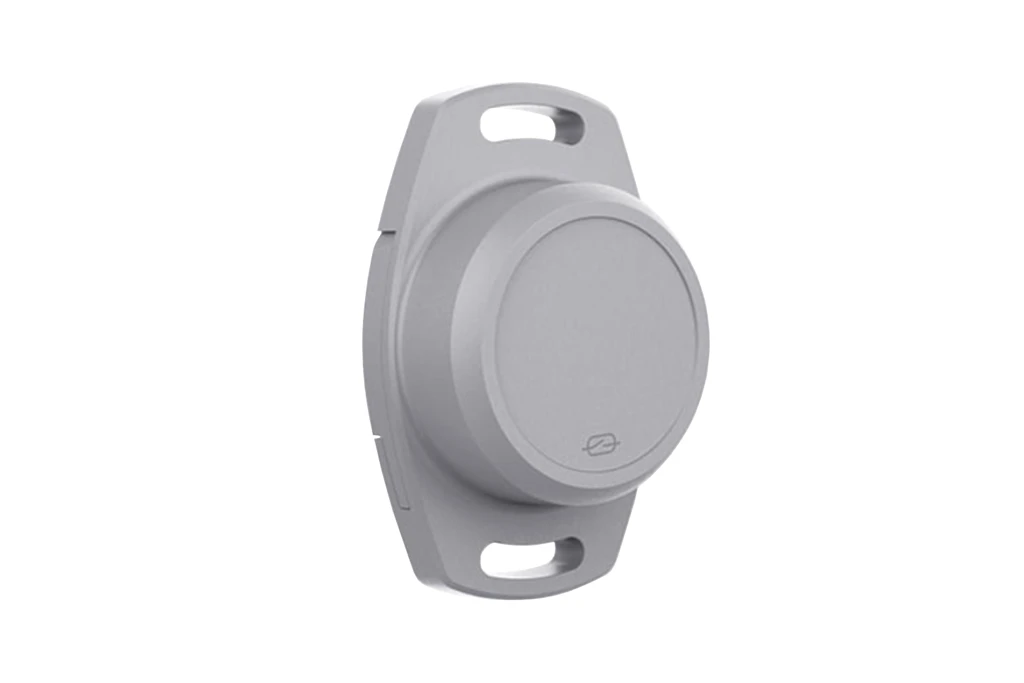
AssetTag Pro asset traceability tag for returnable containers, pallets, totes and cages

AssetTag Pro

For assets that cycle: returnable containers, pallets, totes, racks and cages. Up to 3 years of battery life on AssetTag Pro and up to 5 years on AssetTag Pro Max, with no charging and no SIM. The hardware is included in the subscription.

AssetTag Pro specs →
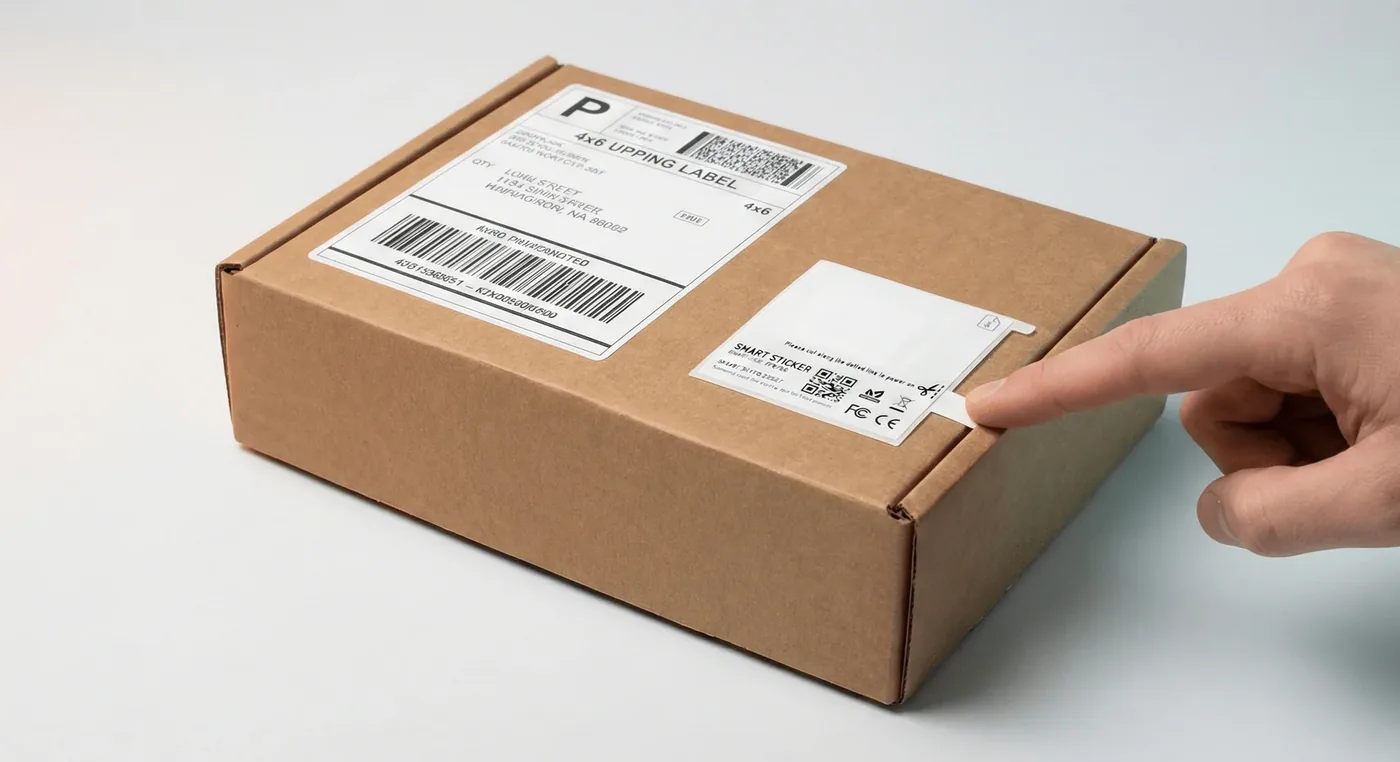
SmartLabel disposable tracking label applied to a shipping box for shipment-level traceability

SmartLabel

For one-way, high-value shipments. A thin, disposable tracking label that peels and sticks to the box, with tracking included, so a single shipment gets its own traceability record from dispatch to delivery.

SmartLabel specs →

Need real-time GPS on vehicles or equipment as well? Compare every GPX tracking device, or read about shipment tracking.

Pricing

Traceability software pricing

One subscription covers the device and the platform. There is no reader hardware to buy, no installation project and no per-report charge.

AssetTag Pro

As low as $45/yr per asset

  • Hardware included
  • Battery: AssetTag Pro up to 3 years, AssetTag Pro Max up to 5 years
  • Full platform: geofences, alerts, dwell and custody history

SmartLabel

As low as $13per label

  • Tracking service included
  • Built for single, one-way shipments
  • Same platform and shipment history

Final pricing depends on volume and term. Get a quote for your pool.

Questions and answers

Traceability software, answered

What is traceability software?

Traceability software keeps a record of where something came from, where it went and what happened to it along the way. In manufacturing, food and pharma it usually means lot and batch traceability inside an ERP or MES. Asset traceability software, which is what GPX provides, applies the same idea to the physical assets that carry goods: each returnable container, pallet, tote or shipment gets its own timestamped location and custody history.

What is the difference between lot traceability and asset traceability?

Lot traceability records what was in a product: which material lots went into which batch and which customer received it. Asset traceability records where a physical asset has been: which sites a container visited, how long it stayed and who held it last. Lot traceability answers recall and regulatory questions such as FSMA 204 and DSCSA. Asset traceability answers loss, dwell and custody questions. Most companies need both, and they work best when linked.

Does GPX replace my ERP or MES traceability module?

No. GPX does not track lot genealogy. It traces the containers, pallets and shipments that move your goods and shares that data with your ERP, WMS or TMS, so a lot record can also show the physical path it traveled.

Can asset tracking data support EPR or PPWR reporting?

It can supply the evidence. EPR schemes and the EU Packaging and Packaging Waste Regulation ask companies to demonstrate reuse, and tagged containers produce trip counts, return rates and loss rates automatically. No regulation requires GPS tracking, and GPX does not file reports on your behalf, but the records it keeps are the kind auditors and schemes ask for.

How much does traceability software cost?

With GPX, AssetTag Pro costs as low as $45 per asset per year with the hardware included, and SmartLabel costs as low as $13 per label with tracking included. There is no reader hardware or installation project to pay for. Final pricing depends on volume and term.

Do I need readers or gateways to trace containers?

No. GPX tags report over a terrestrial network, so there are no readers, gateways, SIM cards or site surveys. Containers stay traceable at supplier and customer sites you do not control, without anyone there doing anything.

How long does it take to go live?

Because there is no infrastructure to install, going live is as fast as tagging the assets. A pilot on one loop can start reporting within days of the tags arriving.

Trace the containers your lot records cannot see

Start with a pilot on one loop. Tag the containers, watch the custody history build over a few weeks, then decide how far to take it.

Get Pricing