Context that compounds with every shipment.
Every report is read against your own history: your lanes, your sites, your records. The more trips you run, the sharper it gets.
GPX is the supply chain visibility platform built for agents. Sensors and your own data feed one context layer. Agents act on it, and every system you run gets the answer.


Every report is read against your own history: your lanes, your sites, your records. The more trips you run, the sharper it gets.
This is supply chain orchestration: four agents work the same context. Noise never reaches a person. A real exception arrives with the reason and the next step already drafted.
Every event leaves as one signed payload. Your TMS, ERP and Teams act on it in the same second, and your own AI agents ask GPX for context over MCP.
18× average ROI · recoveries typically under 24 hours · live in days


Three kinds of sensor and your own records. Each sends something different, and all of it lands in the same layer, under the same agents.
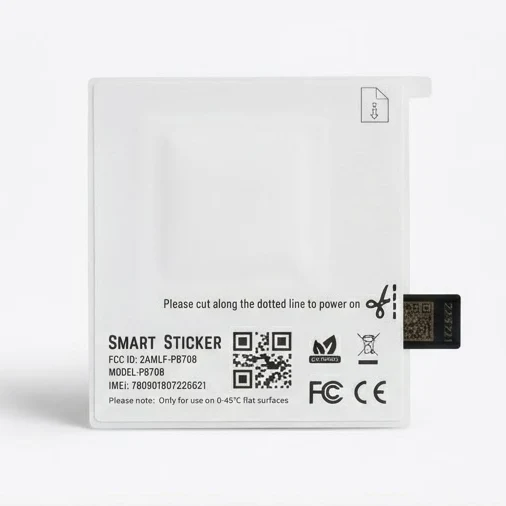
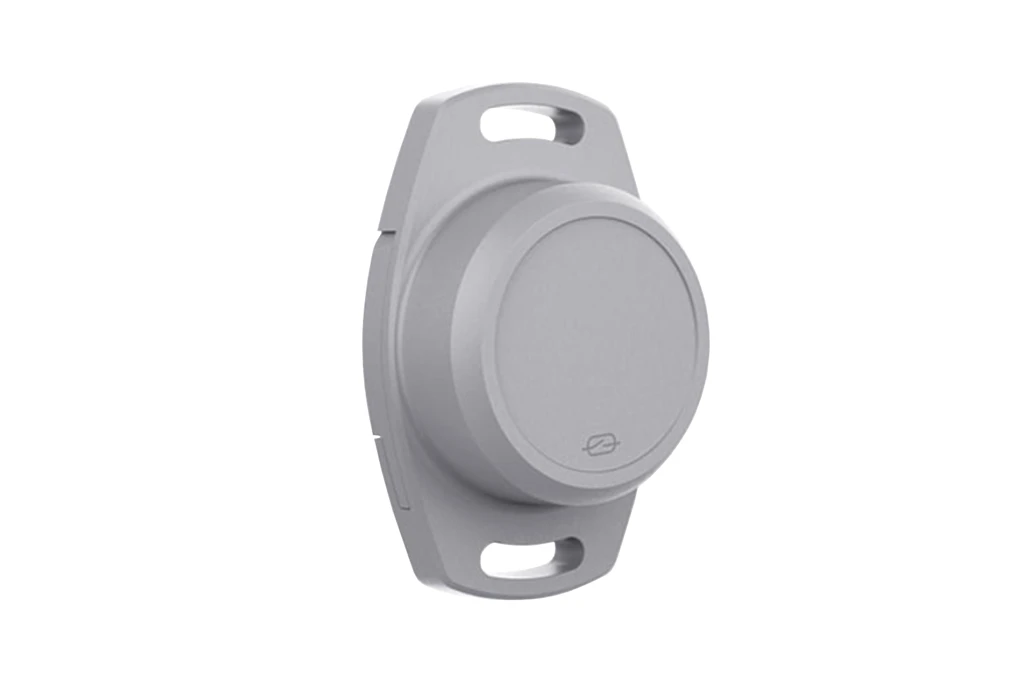
Peel and stick on a box or pallet. Nothing to recover.
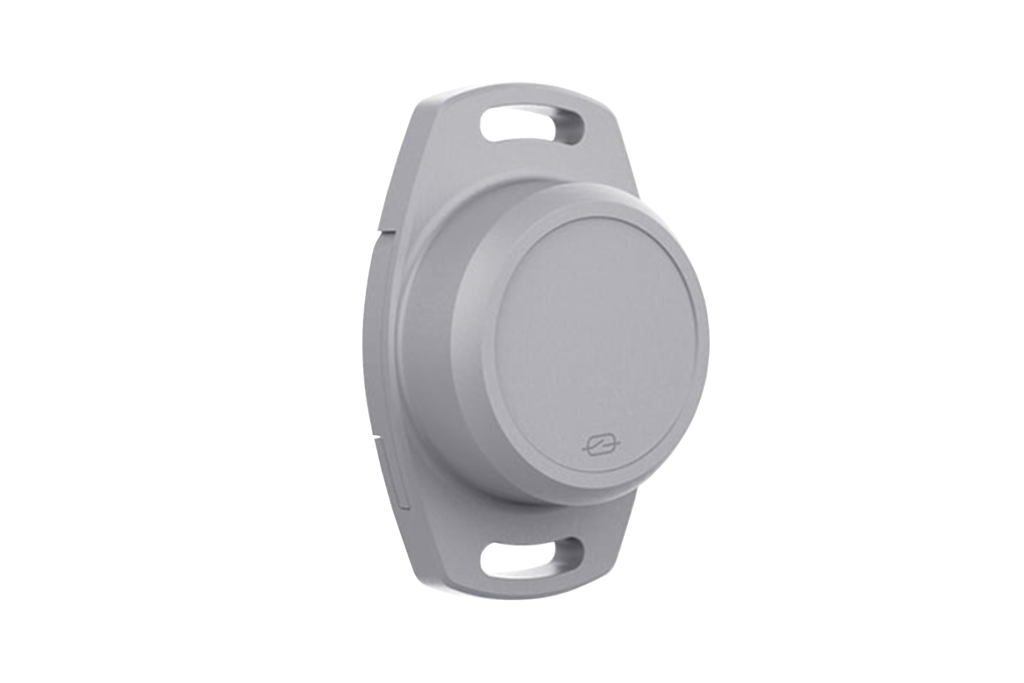
ping · 2 min ago · 41.52, −88.08Racks, totes, tools and equipment. AssetTag Pro hardware included.
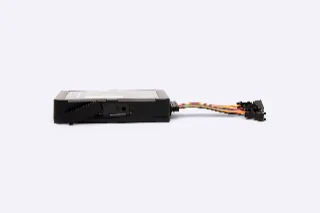
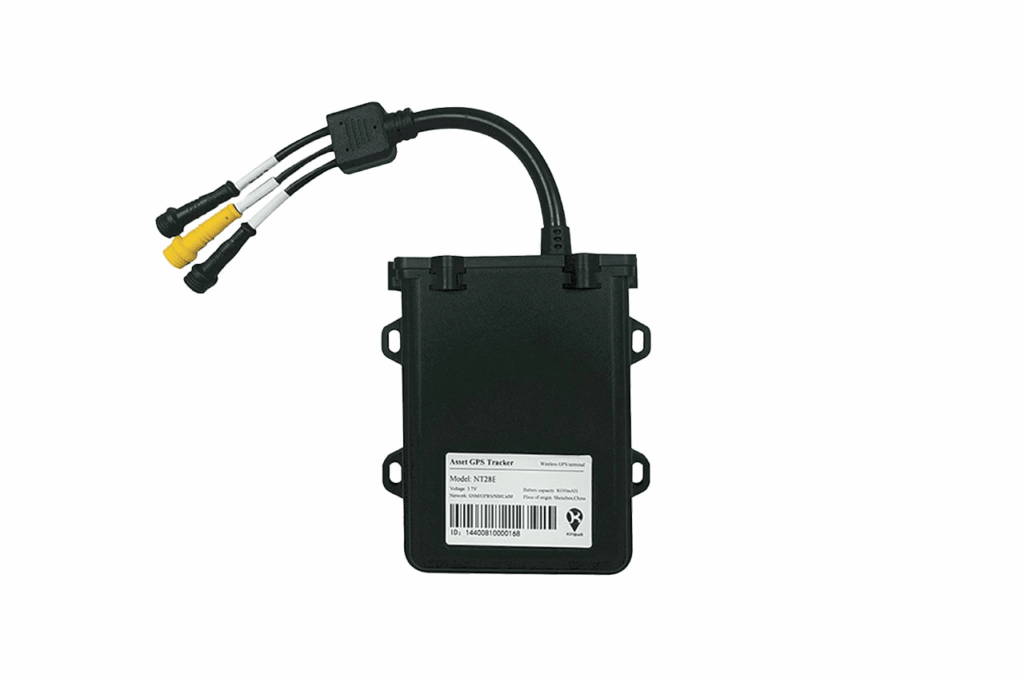
heard by a gateway · Livingston Works dock 3Wired to vehicle power once. It also picks up every AssetTag Pro it passes.
GPS fix every 30 s · 3 tags nearbyYour own reference IDs and logs, joined to the same shipments.
TMS-884213 matched to TRK-2847Three workspaces shaped around the job, sharing one map, one login and the same agents.
Corridor on the map, exceptions when it leaves, a share link for the carrier.
Shipment tracking →Networks and loops, dwell grades by supplier, Find Containers to plan the pull.
Returnable container tracking →Vehicles, trailers, machines and tools on one map, under one alert rulebook.
Fleet tracking →GPX's GPS data and AI platform transformed visibility across our supply chain. We now track returnable containers in real time, cut losses and shortages, and manage assets with greater confidence and control.
When one of our shipments stopped reporting along its expected route, we were concerned we might be dealing with a theft. Using the SmartLabel tracking data, we were able to quickly pinpoint the actual location of the load, coordinate with authorities, and recover $425,000 worth of material before it was lost. The visibility and accuracy of the SmartLabel made a critical difference in resolving the situation quickly.
Way to go with these Trackers!! I had a J4E go missing from the VA wheelchair clinic. It was still pinging on campus, so I pulled up Google Maps and found the chair 2 miles away at their Community Living Center! The VA therapist thought it belonged to another Veteran. Crazy! These Trackers are already paying off!!
GPX is a supply chain AI platform built on GPS and Bluetooth (BLE) asset tracking. Trackers on shipments, returnable containers, trailers, fleets and equipment, plus data from your own systems, feed one context layer that learns how your freight really moves. Scout AI and GPX agents act on that context and send the next step to the systems you already run.
A context layer is the shared memory an AI agent reads before it acts. In GPX it combines every tracker report with what the platform has learned about your operation: Learned Shipment Corridors, location accuracy, geofences for your place types and your own reference IDs. Every agent and every connected system works from that same context, so each report is judged against your history instead of in isolation.
Scout AI is the AI analyst built into GPX. Ask a question in plain language, such as which suppliers are holding racks past three days, and Scout answers from live tracking data with a map, a table or a recommended action. Scout AI also geofences every site in seconds and plans container pulls with Find Containers. See Scout and the agents.
AI agents are software that watch the data and make the first pass of deciding. In GPX, deviation, dwell and ETA agents learn each lane, decide whether a report matters, explain why, and take the next step: notify a carrier, flag a supplier, request a pickup or post to Microsoft Teams. People keep the decisions that need judgment.
Agentic AI is AI that takes the next step itself instead of only reporting. In supply chain management, that means agents that judge each event, explain why it matters and act on it. In GPX, four agents work the same context: Scout answers questions in plain language, the deviation agent separates real deviations from drift, the dwell agent grades suppliers against your rule and the ETA agent predicts arrival from the learned lane, not a straight line.
Trackers report location over a 150M-gateway terrestrial network, plus direct satellite connectivity. Tags such as AssetTag Pro are picked up by nearby gateways on the terrestrial network, and GPS trackers report on their own. GPX compares each report with what it has learned about that lane, asset or site, so your team sees status and exceptions instead of raw pings.
Every shipment is judged against a Learned Shipment Corridor built from your own past trips on that lane, not a single prescribed route. Reports that wander briefly and return on their own are classified as drift and suppressed. A tracker that leaves the corridor and keeps going is a real deviation, reported with where, how far and a recommended action.
Supply chain visibility tells you where everything is. Exception management tells you which of those reports needs action. GPX does both: every tracker report lands on the map, and agents triage it. Drift that returns to the corridor is suppressed, while a real exception reaches your team with the reason and the next step already drafted, then flows to your TMS, ERP or Microsoft Teams.
One-way shipments, returnable containers such as racks, totes and dunnage, trailers, fleet vehicles, heavy equipment and tools. Everything reports into one map with shared geofences, alert rules and Scout AI, and operators across every industry use the same platform.
Yes. Trailers report into the same GPX map as your fleet vehicles, equipment and shipments, under one alert rulebook. Wired trackers such as BLE RoadWired run on vehicle power and pick up every AssetTag Pro they pass. Scout AI answers questions about where your trailers are in plain language, and geofence alerts flag when a trailer arrives at or leaves a site. See trailer tracking.
SmartLabel peels and sticks onto a box or pallet. AssetTag Pro is a tag on the terrestrial network that mounts on containers and assets in seconds, and its hardware is included. BLE RoadWired wires to vehicle power once and reads nearby BLE tags as the vehicle moves. Batteries last up to 5 years, depending on device. Compare tracking devices.
Most teams are live in days. There is no infrastructure to build: trackers install in minutes, Scout AI geofences every site in seconds, and shipments can be created from your TMS with your own reference IDs. Book a 20-min demo to scope your rollout.
GPX deployments average 18× ROI. The return comes from fewer lost containers and assets, recoveries that typically happen in under 24 hours, and tracking 100% of a container pool instead of sampling it. See it in the live demo.
Yes. Shipments and Returnables are two workspaces in the same GPX account, sharing one map, the same trackers, geofences, alert rules and Scout AI. A plant can run SmartLabels on outbound freight and AssetTag Pro on the racks and totes coming back, with one login and one context layer.
Yes. Shipments can be created from your TMS with your reference IDs attached, and exceptions, pickups, deliveries and geofence events flow back as signed webhooks to your ERP (SAP, Oracle), WMS or data warehouse. Alerts post to Microsoft Teams, Zapier covers no-code connections, and public share links need no integration at all.
Yes. GPX offers a REST API, signed webhooks for every event, and an MCP server so your own AI agents, including Copilot, ChatGPT and Claude, can query live shipment, container and asset context directly. See integrations.
Bring one lane or one container type. In 20 minutes you'll watch the agents judge live freight against it and see how it fits the systems you already run.