
GPS heavy equipment tracking for construction, mining and agriculture
Heavy equipment tracking is the use of GPS trackers and Bluetooth tags to monitor where your machines are, when they move and how often they work. GPX builds the trackers, the network and the platform, so you see every excavator, loader and attachment on one map, get after-hours movement alerts and find idle machines.
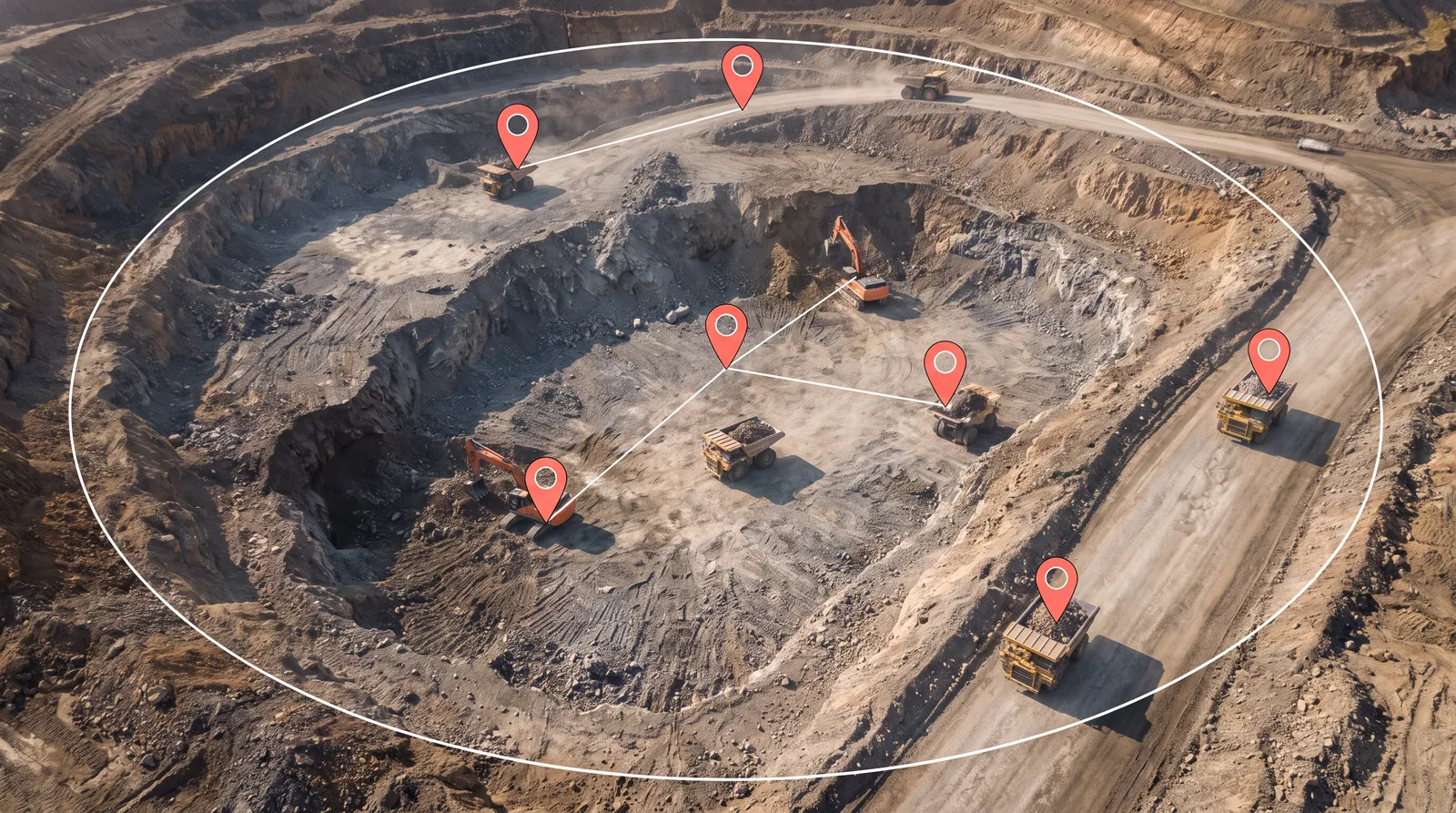
Heavy equipment tracking devices
Heavy equipment lives outdoors, in mud, dust and rain, and it moves between job sites. GPX trackers are built for that. Hardwire RoadTrack Wired into powered machines for a fix every 400 m while they move. Mount a magnetic, IP67 AssetTrack or AssetTrack Charge where there is no power to tap. Add Bluetooth tags such as AssetTag Pro to buckets, breakers and other attachments. Every device reports to one platform, so you get geofence alerts when a machine leaves a site and a clear record of where it has been. Trackers are anti-tamper, and the 24-hour backup battery on RoadTrack Wired keeps it reporting if someone cuts the power.
See it. Secure it. Put it to work.
The GPX platform is the heavy equipment monitoring system your field and office teams share. See live and past locations for every machine, draw geofences around yards and job sites, and get an instant alert when a machine moves outside its zone or after hours. Dwell and idle reports show which machines are working and which have not moved, so you can send them to the next job before you rent another. Role-based access lets each team see the sites they manage. Location data flows to your ERP and other systems through API, webhooks and data feeds.
A trusted partner to the world's biggest companies

















Contractors, mining operators and farms face the same three problems with heavy machinery: machines walk off sites, expensive equipment sits idle, and nobody is sure which yard or job a loader is on. Heavy equipment monitoring answers three questions: where is it, is it safe, and is it working?
Job sites are open, machines are easy to load on a trailer, and theft is a real cost: the National Insurance Crime Bureau estimates $300 million to $1 billion in construction equipment is stolen in the U.S. each year. GPX geofences every site in seconds with Scout AI. If a machine moves outside its zone or after hours, you get an instant alert with its live location. Anti-tamper trackers make it harder for a thief to remove the device first.
An excavator that sits for weeks still costs you money. Dwell and idle reports show which machines have not moved and where they are parked, so you can send them to the next job instead of renting more equipment.
Stop calling foremen to find out where a machine is. Every tracked machine, attachment and trailer shows on one map with its current site and its location history. Crews spend less time searching yards, dispatchers plan moves with real locations, and the office sees what is on each job without a spreadsheet. Location and dwell data can feed your ERP and equipment management system through API, webhooks and data feeds, so your records stay current without manual entry.


Mix devices to fit your fleet. Use hardwired GPS trackers on powered machines, long-life battery trackers on equipment with no power to tap, smaller trackers that hide on steel, and Bluetooth tags on attachments. Battery life runs up to 5 years, depending on device. Hardware and service come together in one subscription.
Every GPX tracker gives you:
1
Live and past locations: See where every machine is and has been.
2
Idle tracking: Spot machines that have not moved.
3
After-hours alerts: Know the moment a machine moves when it should not.
4
Site geofences: Draw a zone around every yard and job site.

GPX heavy equipment GPS software turns location data into action. Use live locations, location history, dwell data, geofences and alerts to see where machines are and how often they work. API, webhooks and data feeds send that data to the systems your office already runs, so equipment records stay current.
What the GPX platform does for your fleet:
1
Live tracking: See every machine's location on one map.
2
Location history and dwell data: Review where machines sat and for how long.
3
One subscription: Hardware and service included.
4
System integration: Connect to your ERP, WMS and TMS.
Your equipment records are only as good as the location data behind them. GPX sends machine locations, dwell data and alerts to your ERP, WMS, TMS and other business systems through API, webhooks and data feeds. Field crews, dispatch and accounting work from the same picture of where each machine is.
Heavy machinery tracking looks different in each industry, but the questions are the same: where is the machine, is it safe, and is it working? GPX serves operators in construction, agriculture and many other industries. Whether you run excavators, bulldozers, loaders, tractors or harvesters, you can pick the right device for each machine. Use hardwired GPS trackers on machines with power, long-life battery trackers where there is none, and Bluetooth tags on attachments and smaller gear. All of it reports to one platform with geofences, after-hours alerts and idle reports. You see every machine on one map, catch unauthorized movement quickly, and put idle equipment back to work across your sites.
Construction equipment tracking keeps excavators, bulldozers, loaders, skid steers and attachments visible across every job site and yard. Draw a geofence around each site and get an alert if a machine leaves it or moves after hours. Idle reports show which machines have sat for days, so you can move them to the next job instead of renting. Location history shows which site each machine worked on, which helps with job costing and disputes. Tag buckets, breakers and other attachments with Bluetooth tags so they stop going missing between jobs. Comparing options for a mixed construction fleet? Our guide to construction equipment tracking ranks 7 GPS trackers for theft recovery.
Mining and oilfield equipment works on large, remote sites where a missing machine is hard to find. GPX trackers are IP67 rated and anti-tamper, built for dust, water and rough handling. See where each machine is on one map, set geofences around pads, pits and yards, and get an instant alert on unauthorized movement. Dwell data shows which equipment is sitting unused, so you can move it to where it is needed. Location history gives you a record of where each asset has been and when it moved.
Tractors, harvesters, sprayers and implements spread across fields, barns and leased land. GPX shows where every machine is on one map and alerts you if one moves outside its geofence or after hours. Idle reports show which machines sat out a season, and location history shows where each one worked. Battery trackers mount on equipment with no power to tap, so you can track implements as well as powered machines.
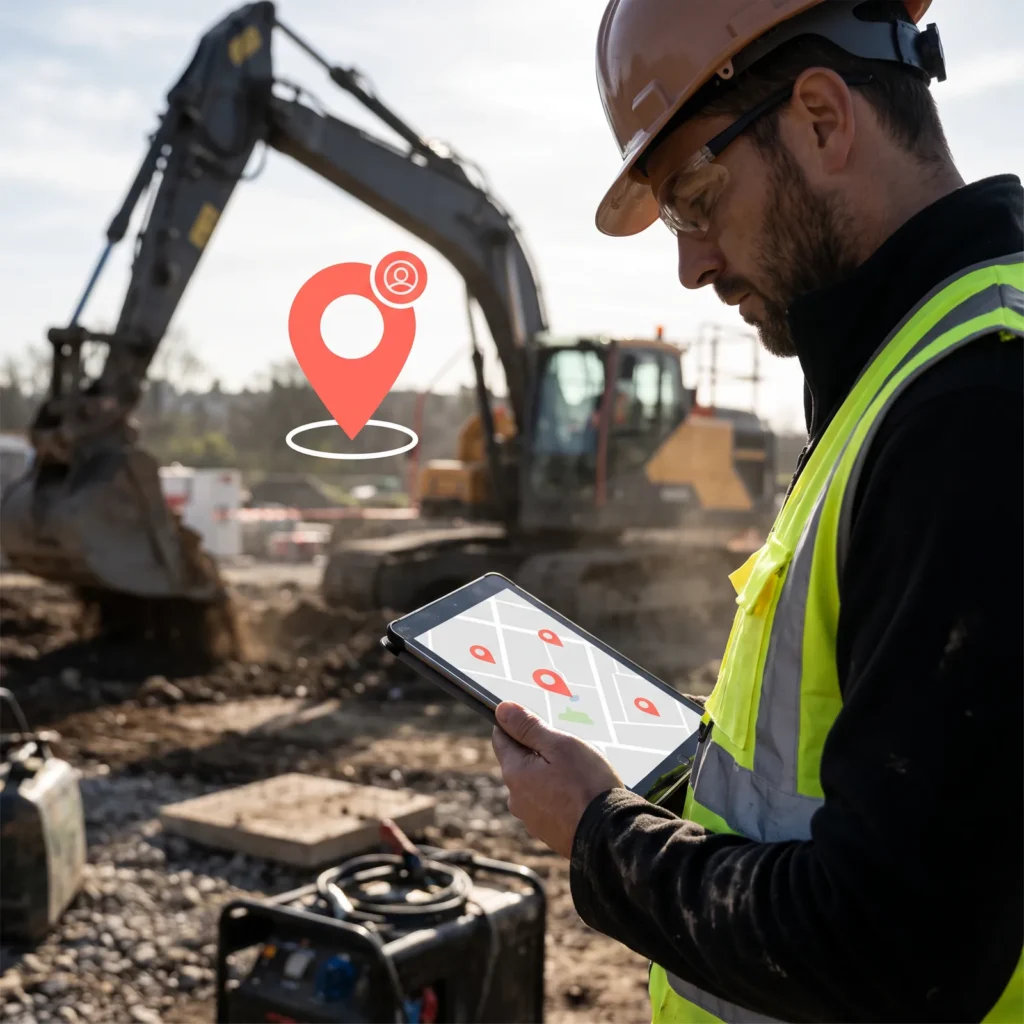
GPX heavy equipment tracking covers the full job: live location, security and utilization in one platform. Hardwired GPS trackers report a fix every 400 m while a powered machine moves and keep a 24-hour backup battery if power is cut. Battery trackers mount magnetically, are IP67 rated and anti-tamper, and last up to 5 years, depending on device. Bluetooth tags track attachments and smaller gear when they are near a GPX tracker or gateway, and AssetTag Pro is also picked up by a network of 150 million gateways already in the field. Scout AI geofences every site in seconds and fires an instant alert on unauthorized movement. Idle and dwell analytics show which machines are earning and which are parked, so you can make fleet decisions with real data.
Scout AI for heavy equipment
Scout AI is the AI analyst in the GPX platform. Type a question and get an answer from your own fleet data, for example:
1
Which excavators have not moved this month?
2
Did any machine leave a job site after hours?
3
Which yard has machines sitting idle?

Heavy equipment is usually tracked with RoadTrack Wired on powered machines, AssetTrack Charge or AssetTrack where there is no power to tap, and AssetTag Pro on attachments and smaller gear. For mixed fleets of machines and tools, see equipment tracking. See every GPX tracking solution or all industries.

Case Study
See how our customers have used our tracking solutions to improve their supply chain operations, reduce costs, and enhance customer satisfaction.
Heavy Equipment Tracking FAQ: Monitoring, Devices and Cost
Answers to the questions buyers ask about heavy equipment tracking and monitoring systems
Heavy equipment tracking is the use of GPS trackers and Bluetooth tags to monitor where machines are, when they move and how often they work. It covers excavators, bulldozers, loaders, tractors and the attachments that go with them. With GPX you see every machine on one map, get alerts on unauthorized movement and find idle equipment you can put back to work.
A heavy equipment monitoring system pairs trackers on your machines with software that shows their data. GPX trackers report location over the cellular network, and Bluetooth tags on attachments report through a nearby GPX tracker or gateway. The platform puts every machine on one map, stores location history, measures dwell and idle time, and sends alerts when a machine crosses a geofence. You can also ask Scout AI questions in plain language.
Heavy equipment tracking prevents theft by telling you the moment a machine moves when it should not. Scout AI geofences every site in seconds, and movement outside a zone or after hours fires an instant alert with the live location. Trackers are anti-tamper, and smaller devices such as AssetTrack Mini hide on steel with an internal magnet, so a thief is less likely to find and remove them.
The best GPS tracker for heavy equipment depends on whether the machine has power. Use RoadTrack Wired on powered machines: a 2-wire install, a fix every 400 m while moving, and a 24-hour backup battery. Use AssetTrack or AssetTrack Charge where there is no power to tap, and AssetTag Pro on buckets, breakers and other attachments. Most fleets use a mix.
Battery life runs up to 5 years, depending on device and how often it reports. AssetTag Pro lasts up to 3 years on a replaceable coin cell. Hardwired trackers such as RoadTrack Wired draw power from the machine, so they need no battery changes, and they keep a 24-hour backup battery if the power is cut. Your GPX team will match each device to how each machine is used.
Most installs are quick, and deployments go live in days, not quarters. Battery trackers such as AssetTrack attach with a magnet, so there is no wiring at all. RoadTrack Wired needs a simple 2-wire install on the machine’s power. AssetTag Pro ships activated with no app pairing, and you can hang, stick or screw it to an attachment. Once a device is on, it shows up on your map.
Yes. GPX integrates with ERP, WMS and TMS systems through API, webhooks and data feeds. You can send machine locations, dwell data and alerts into the systems your office already uses, so equipment records stay current without manual entry. Your GPX team will help you choose the right method for your setup during the demo.
The cost of heavy equipment tracking depends on how many machines you track and which devices fit them. Hardware and service come together in one subscription, so there is no separate hardware purchase. The fastest way to get a number for your fleet is a short call: book a 20-min demo and we will scope devices and a plan for your equipment list.