
Parts, Racks, Shipments and Finished Vehicles on One Map
Automotive supply chain tracking puts a live location on the parts, returnable racks, inbound shipments and finished vehicles that move between your suppliers, plants and dealers. GPX supplies the GPS trackers, Bluetooth tags and platform, so your team sees where each unit is, gets an alert when one moves without reason, and spots racks sitting idle.
Automotive parts move between tier suppliers and assembly plants in returnable packaging: steel racks, plastic dunnage, totes and bins that are meant to come back empty and ship again. When they do not come back, the supplier either buys replacements or ships in expendable packaging at a premium, and nobody can say which site is holding the missing units. Tagging each rack and tote gives every unit a location and a trip history, so you can see how many racks each plant and supplier is holding, which lanes lose the most, and how long empties sit before they are returned. The same record supports chargebacks and packaging audits with supplier partners. Steel racks can shield radio signals, so tag placement matters: mount the tag where it has an open line to the outside of the rack rather than buried in the frame. AssetTag Pro mounts with adhesive or screws through its flanges and runs up to 3 years on a battery, with the hardware included in the subscription. For the full workflow, see returnable container tracking and, for pallet-based flows, pallet tracking.
A trusted partner to the world's biggest companies








































Automotive production runs on parts arriving in sequence. When a pallet of harnesses sits at the wrong cross-dock, or a rack of stampings never leaves a supplier yard, the line ends up waiting. GPX gives you one view of inbound parts shipments, returnable packaging, staging areas and finished vehicles on the yard. GPS trackers report location between sites, and Bluetooth tags show which zone holds an item inside a plant. Alerts flag late arrivals, unexpected moves and units that have stopped moving.
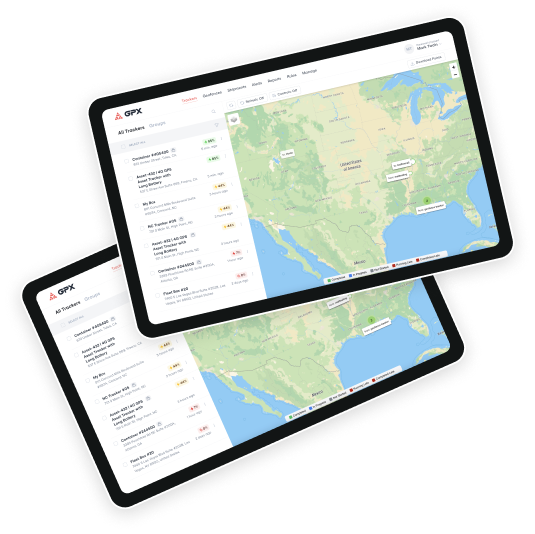

Geofence each plant, supplier yard and storage lot. If a high-value module, engine or finished vehicle leaves a zone it should stay in, you get an instant alert.

Follow supplier shipments door to door, confirm arrival at the receiving dock, and catch a delay before it reaches the build schedule.

See how long racks and containers dwell at each supplier, with a time-stamped history to back up chargebacks and packaging audits.

Tag carts, kits, fixtures and work-in-process racks to see what is staged at each line, what is waiting, and where a missing kit was last seen.

Know which warehouse, trailer or plant holds a component lot, so expedites start from location data instead of phone calls and yard walks.

See how long racks, trailers and vehicles sit at each site, and ask Scout AI in plain language which suppliers are holding the most empties.

Racks, parts and finished vehicles sit on open docks, yards and trailers. AssetTrack units are IP67 and anti-tamper, built for those conditions, and you get an alert if someone tries to remove one.
Site-Level Geofences: Get alerts when a load arrives, leaves or stops somewhere unplanned
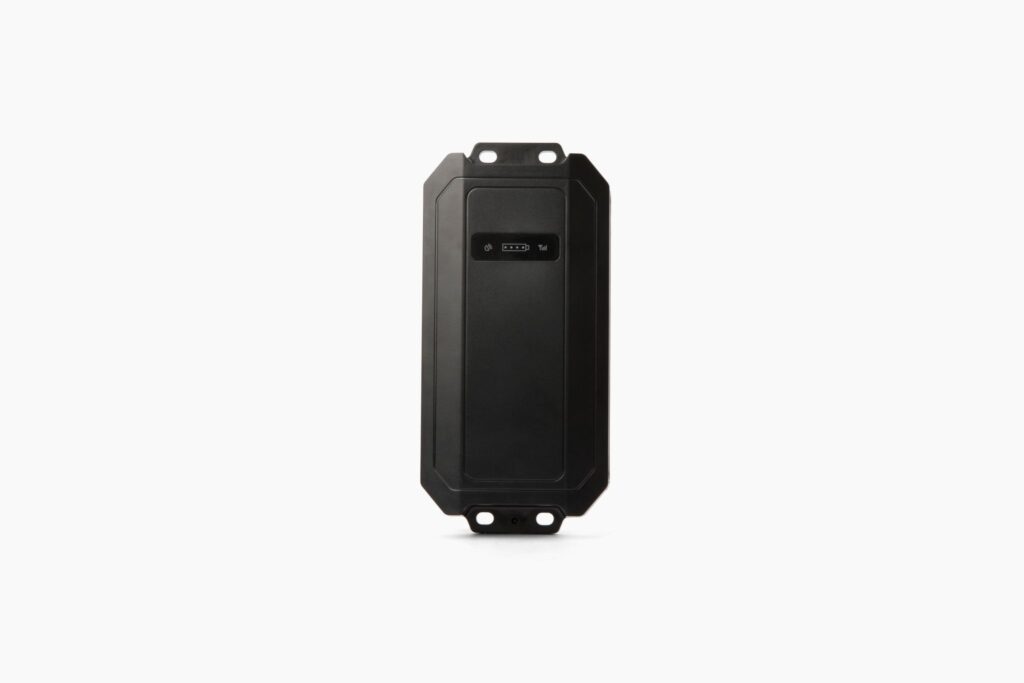
AssetTrack runs up to 10 years on one daily GPS fix and mounts by magnet, so there is no wiring. Put it on steel racks, trailers, test vehicles or high-value equipment and it reports to the GPX platform as soon as it is placed.
Long Battery Life: Up to 10 years on one daily GPS fix, with a replaceable battery
Built for Plants and Yards: IP67 and anti-tamper for docks, yards and open trailers
No Installer Needed: Magnetic mount, so you place it and start tracking
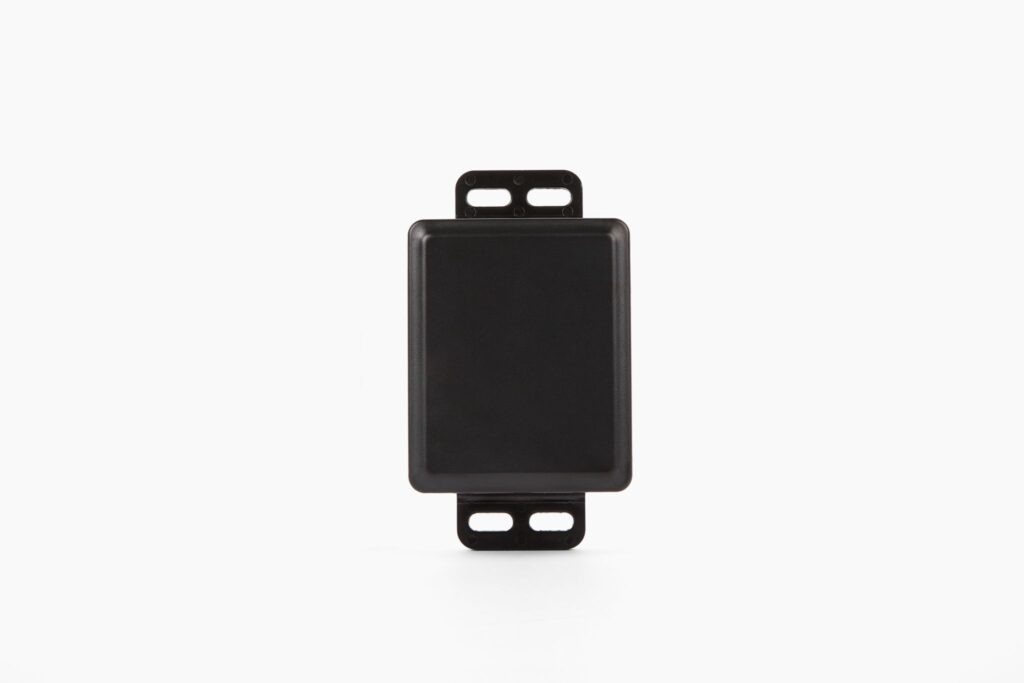
AssetTrack Mini gives up to 5 years of battery in a small profile and holds to steel with its internal magnet. Use it on prototype parts, tooling and smaller shipments where a larger tracker would be noticed or get in the way.
Small Profile: Fits on tooling, crates and packaged components
Discreet Mount: The internal magnet holds it out of sight on steel
Field Tough: IP67 and anti-tamper, with up to 5 years of battery
Most automotive disruptions start small: a late truck, a misplaced rack, a part sitting at the wrong dock. Each one is cheap to fix early and expensive once a line is waiting. GPS trackers and Bluetooth tags give your planners the location and timing data to act early, and alerts tell them when something needs attention.
High-value parts, engines and finished vehicles are targets on open yards, in trailers and at cross-docks. Scout AI geofences every site in seconds, and an unauthorized move fires an instant alert with the asset’s live location, so your team or law enforcement can follow it. A full location history also shows where losses keep happening, so you can tighten that lane or yard.
Parts and packaging go missing quietly: a rack left at a supplier, a tote used for the wrong job, a crate stored in the wrong building. Bluetooth tags report each item’s last known zone, and alerts flag units that have not moved or have left their expected site. Inventory counts start from data, not walk-arounds.
Follow supplier shipments from pickup to the receiving dock. Scout AI raises predictive disruption alerts when a load falls behind, so planners can expedite, resequence or call the carrier before the shortage hits the line. Geofence-confirmed arrival gives receiving a clean record of when freight actually landed.
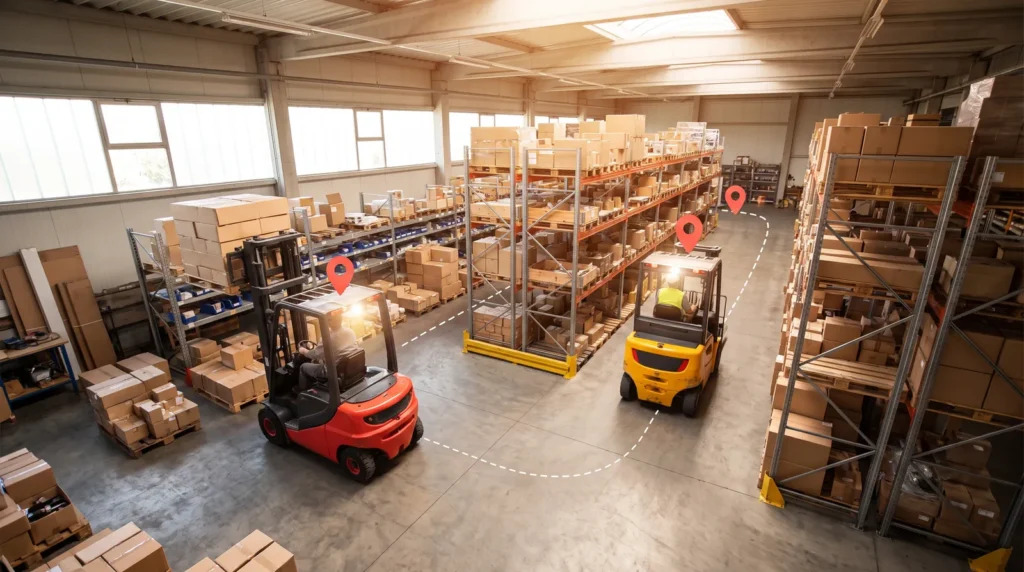
Fixtures, kits, carts and returnable tooling move constantly inside a plant. Tag them and you see what is staged at each cell, what is idle, and what has wandered to another building. Dwell reports show where work-in-process waits longest, which points you to the bottleneck worth fixing first.
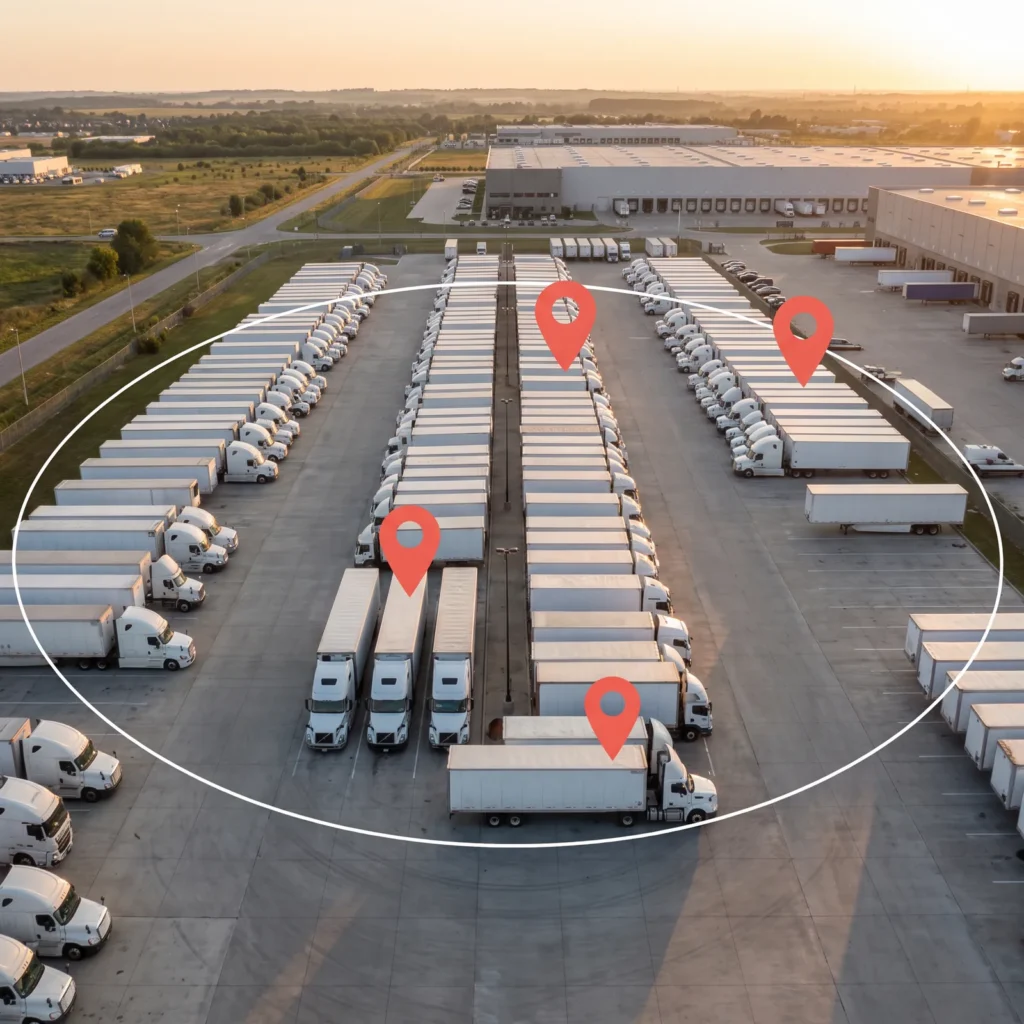
Supplier delays, short shipments and stranded packaging ripple straight into the build schedule. Live location, dwell analytics and predictive alerts give you time to react, whether that means pulling stock from another site, rerouting a truck or collecting racks from a supplier that is holding too many. Locations and arrival events can also flow into your ERP, WMS or TMS through the GPX platform API and webhooks.
Automotive supply chains usually run AssetTag Pro on racks and dunnage, SmartLabel on one-way parts shipments and RoadTrack Wired on yard vehicles. Related solutions: returnable container tracking, shipment tracking and asset tracking. See every GPX tracking solution or all industries.
Case Study
See how our customers have used our tracking solutions to improve their supply chain operations, reduce costs, and enhance customer satisfaction.
Automotive Supply Chain Tracking: Questions Buyers Ask
Answers on tracking parts, shipments, returnable racks and finished vehicles
Automotive supply chain tracking is the use of GPS trackers and Bluetooth tags to see where parts, packaging, shipments and vehicles are as they move between suppliers, plants and dealers. Instead of waiting for a carrier update or a phone call, your team sees each tracked unit on one map, gets alerts on arrivals and unexpected moves, and reviews dwell time by site.
Inside a plant, Bluetooth tags work better than GPS, which needs open sky. You tag carts, kits, fixtures and racks, and the tags report when they are near a GPX tracker or gateway, so you see which zone or building holds each item. Between sites, a GPS tracker takes over. Together they show what is staged, what is idle and what has gone missing.
Each fits a different job. GPS gives location anywhere with cellular coverage and suits trailers, racks in transit and vehicles. Bluetooth tags are small and low cost, and suit high counts of items inside sites. RFID tags are cheap but only register when they pass a fixed reader, so you learn where an item was, not where it is. Many automotive programs combine GPS and Bluetooth.
Tag each rack, tote or bin, then geofence your plants and supplier sites. Every unit builds a trip history, so you can count how many each site holds, see which lanes lose the most and measure how long empties wait before returning. AssetTag Pro suits most racks; mount it with an open line to the outside of steel frames. See returnable container tracking.
Yes. AssetTrack OBD plugs into the OBD-II port of cars and light trucks built since 1996, installs in under a minute and runs on vehicle power with a 12-hour backup battery. For units where you would rather not use the port, a battery AssetTrack or AssetTrack Mini mounts by magnet. Geofences on yards, ports and rail ramps confirm when vehicles arrive or leave.
It depends on the device and how often it reports. AssetTrack runs up to 10 years on one daily GPS fix, AssetTrack Charge up to 7 years per charge, and AssetTrack Mini up to 5 years. AssetTag Pro lasts up to 3 years on a replaceable coin cell. More frequent reporting uses battery faster.
Yes. GPX shares location and arrival events with ERP, WMS and TMS systems through API, webhooks and data feeds, so planners can use tracking data in the tools they already work in. Battery trackers and tags need no wiring, so deployments go live in days, not quarters. Hardware and service are included, with no separate hardware purchase.