
GPS equipment tracking solutions: real-time visibility, security, and optimization.
Every generator, attachment, and machine — on one live map. GPX puts GPS and Bluetooth (BLE) equipment tracking on the whole fleet, not just the big iron. AssetTag Pro makes it affordable to tag everything; the platform makes all of it visible, secure, and working.
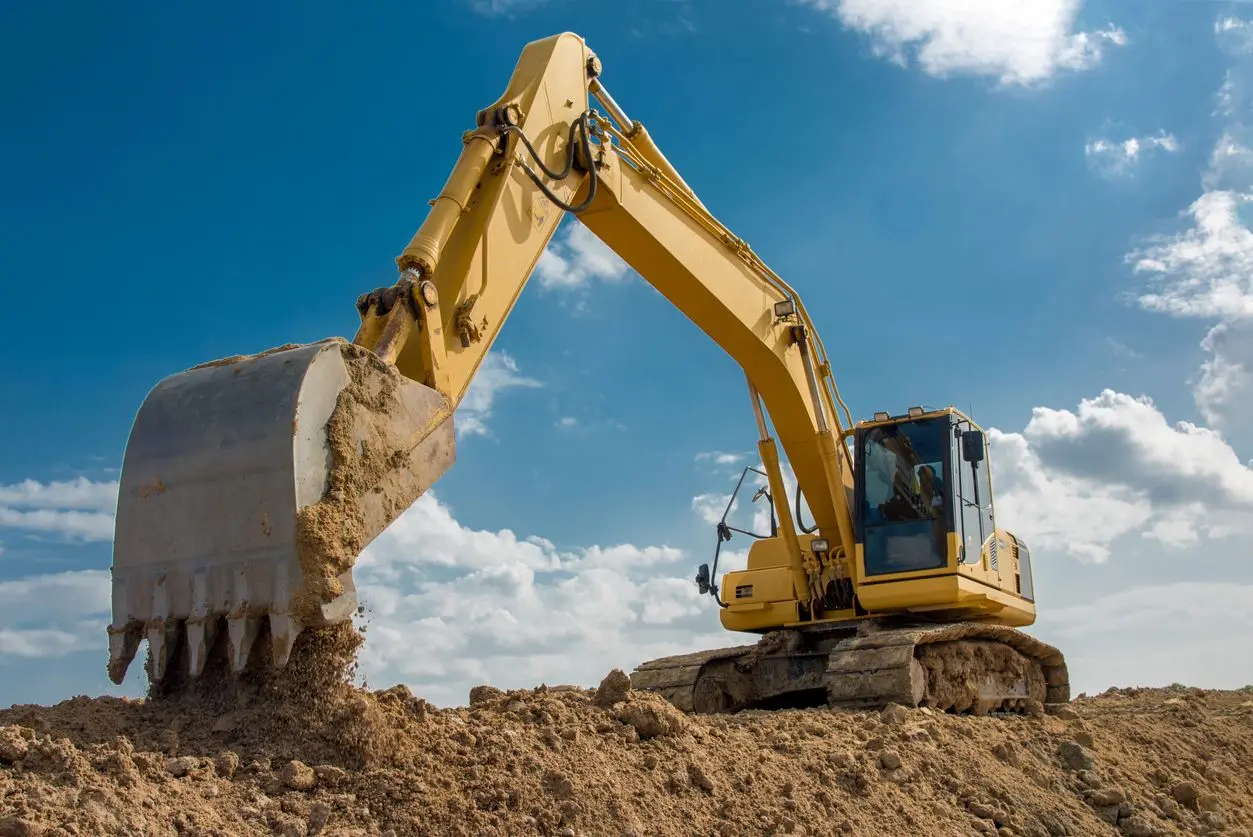
















Telematics stopped at the big iron. Your losses didn't.
The machines with engines got OEM telematics. Everything else — generators, light towers, compressors, welders, attachments, trench boxes, pumps — got a paint pen and a prayer. That's the equipment that quietly walks off between crews, hides in laydown yards, and gets re-rented while a paid-for unit sits two sites away.
GPX changes the math. With low per-asset pricing — AssetTag Pro hardware included — a battery that lasts up to five years, and a terrestrial network of over 100 million gateways that already exists, there's nothing to install and no fleet of readers to buy. Tagging the whole equipment fleet finally costs less than losing track of it.
The result is one live answer to the questions every superintendent, yard manager, and fleet director asks: Where is it? Is it safe? Is it earning?
Built around AssetTag Pro. Backed by a full GPS range.
One tag covers most of the equipment fleet. For powered machines and vehicles that want live, high-frequency updates, wired GPS trackers slot into the same platform — every device reports to the same map, alerts, and reports.
AssetTag Pro
Battery GPS + BLE tag · the workhorseA rugged tag smaller than a credit card that mounts to any piece of equipment and reports for three to five years, depending on the model, without charging, wiring, or maintenance — over a 100M-gateway terrestrial network that already exists, on site and off, indoors and out. It's why the compressor and the breaker attachment finally get the same visibility as the excavator.
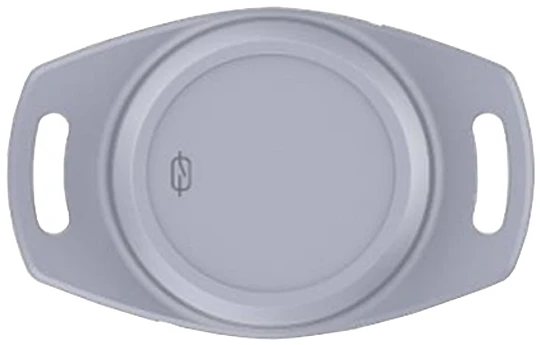
BLE RoadWired
Hardwired GPS + BLE gatewayFor service trucks, water trucks, and powered machines: hardwired power, live location every 30 seconds on the move, ignition status, and trip history. It also doubles as a mobile BLE gateway — every RoadWired-equipped vehicle reads nearby GPX tags as it drives, extending coverage across your sites. See fleet tracking.
Heavy-equipment GPS
Rugged · engine-hour dataPurpose-built trackers for yellow iron — engine hours and utilization alongside location, in enclosures that shrug off vibration, weather, and wash-downs. For the full machine story, see heavy equipment tracking.
BLE beacons
Small-tool tracking at scaleZone-level presence for the small stuff — power tools, kits, and cases by the hundred, with no infrastructure to build: tags report through GPX gateways and RoadWired-equipped vehicles moving through your operation. Unlike RFID or barcode systems that only see equipment at a scan point, BLE reports continuously. See warehouse tracking and inventory tracking.
Your job site, live.
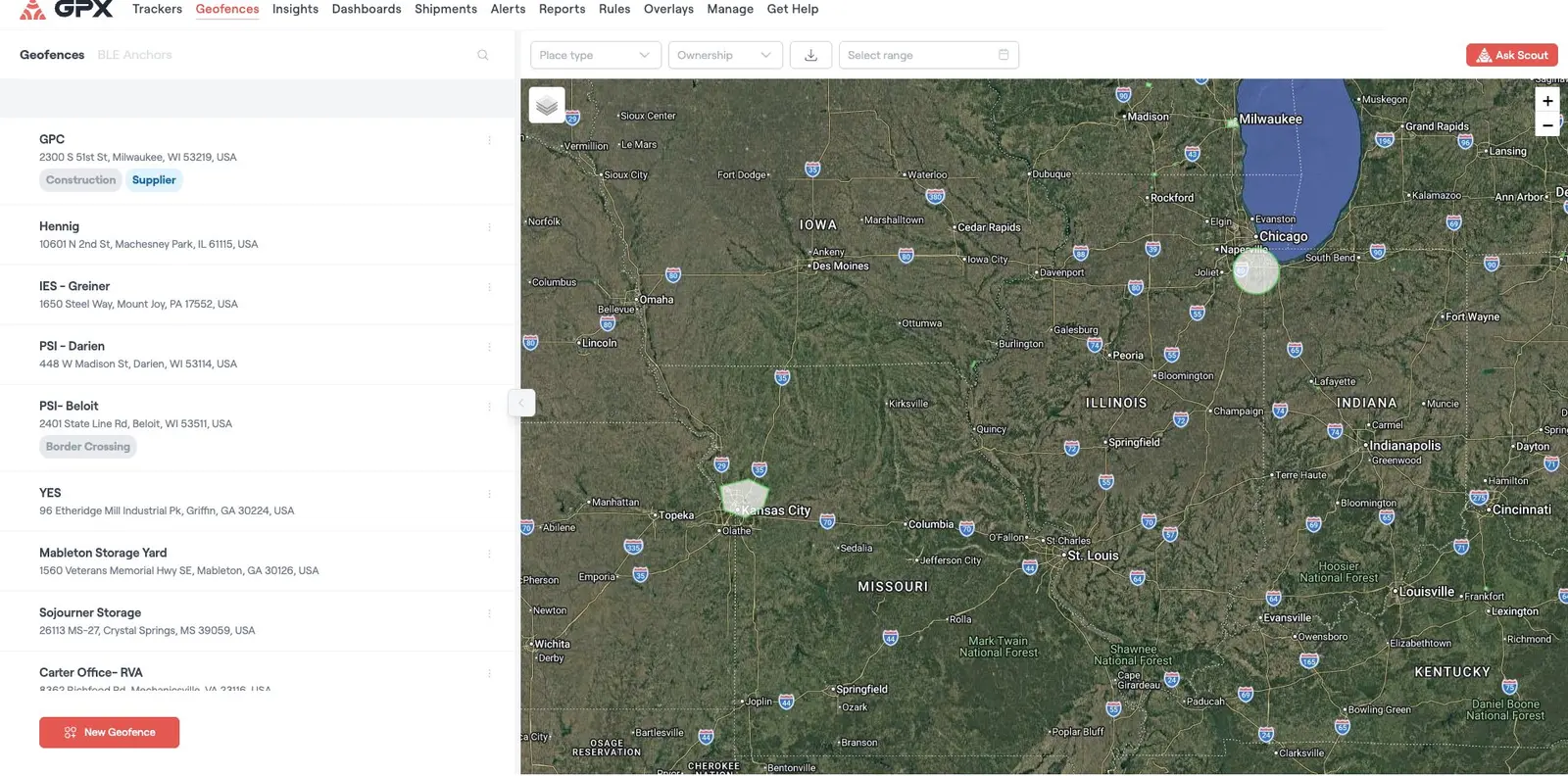
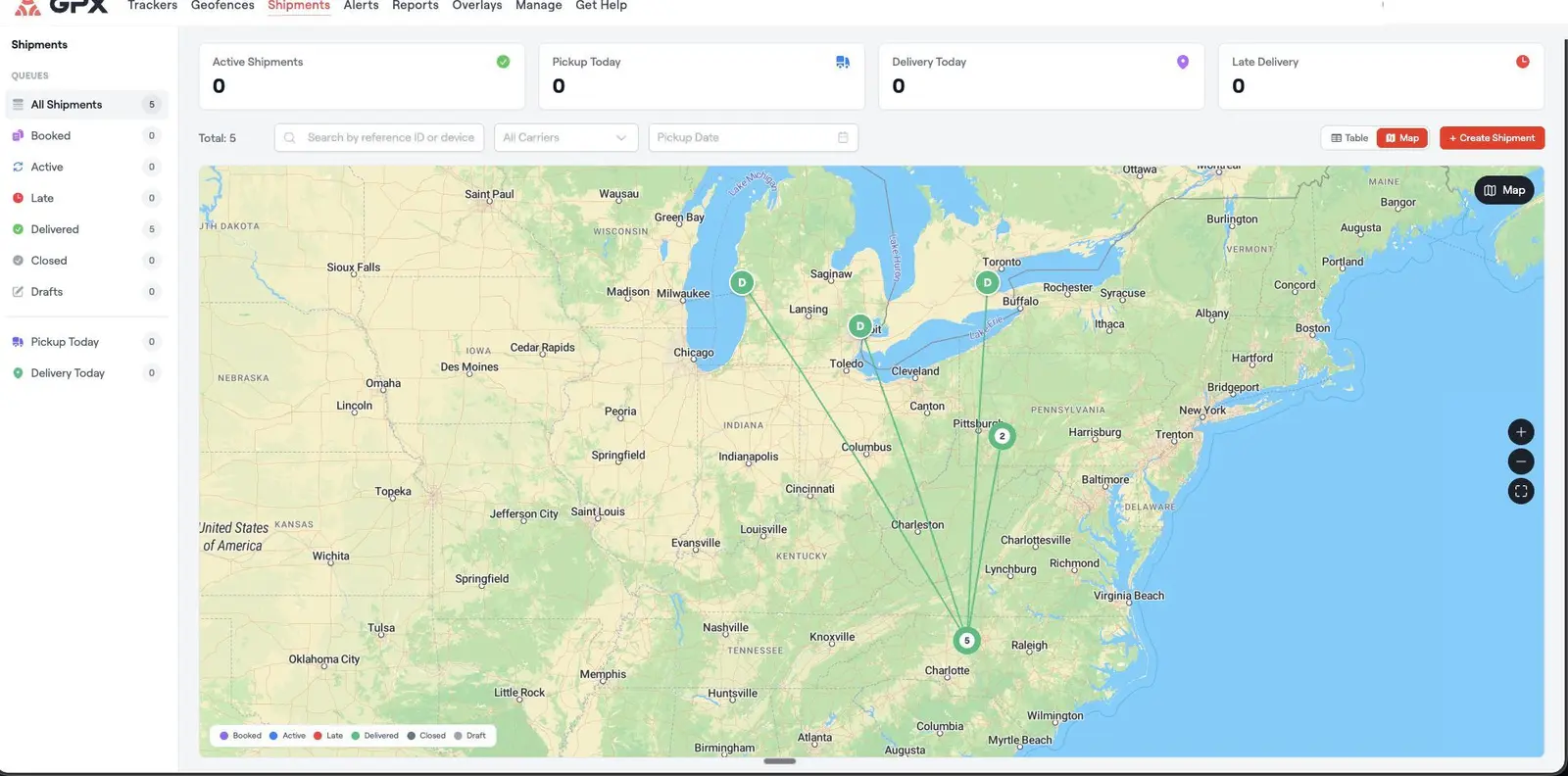
This is what a tagged site looks like in GPX: every piece of equipment reporting into one geofenced view — what's on site, what's been idle for days, and what moved when nobody should have been there.
After-hours movement is an instant alert — not a Monday surprise.
Equipment theft runs on weekends and long nights. Every tagged asset reports continuously, so the moment something crosses the fence line that shouldn't, the right person gets a text, email, or webhook — while the trailer is still on the highway, not after the Monday walk-around. Scout AI geofences every site in seconds — job sites, yards, plants, and laydown lots.
And when something does walk off, full movement history turns recovery into a procedure: a time-stamped trail from the site to the asset's current location — evidence law enforcement can act on.
Stop renting equipment you already own.
Theft is the loss you notice. Idle equipment is the loss you budget for without realizing it. With 100% of the fleet tracked — not sampled — the light tower that hasn't moved in two weeks and the compressor parked at a finished job show up as data, before the next rental invoice does.
Dwell and usage data answer the questions that used to take a site visit: which sites are hoarding equipment, what's ready to redeploy, and what actually ran this month — engine hours from wired trackers, movement from tags — the ground truth your maintenance planning and utilization reviews run on. It all flows through API and webhooks into your ERP and dispatch systems.
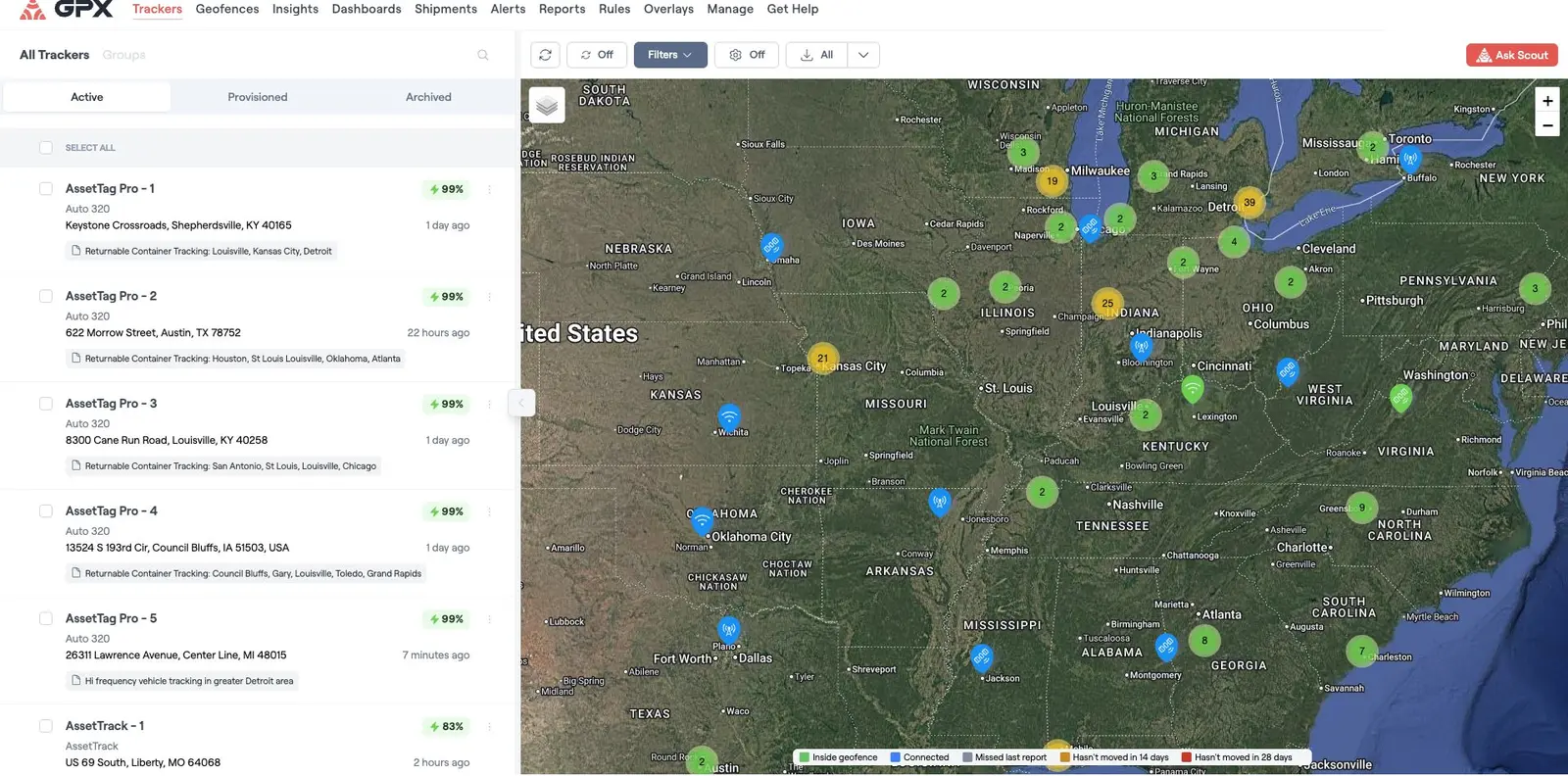
One equipment tracking system
for every device you deploy
Tags, wired trackers, and beacons all report into the same map, the same alerts, and the same reports — across every site, yard, and highway in between.
Proof from the yard, the plant, and the site.
GPX's GPS data and AI platform transformed visibility across our supply chain. We track returnable containers in real time, cut losses and shortages, and manage assets with far more confidence.
Ground support equipment used to vanish between hangars — tugs, stands, dollies. Now every piece reports its own position. The weekly where-is-everything meeting simply stopped happening.
Across our dealer yards, the tags paid for themselves in the first quarter — fewer lot walks, faster transfers, and one attempted theft that ended with the machine back before the news did.
Equipment tracking, answered.
What is equipment tracking?
Equipment tracking is the practice of monitoring the live location, movement, and usage of a fleet's equipment — machines, generators, attachments, tools, and vehicles — using GPS trackers and Bluetooth (BLE) tags. Instead of spreadsheets and yard walks, every piece of equipment reports its own position to one platform, enabling theft alerts, faster job-site logistics, and utilization decisions based on data.
How does GPS equipment tracking work?
A tracking device rides on each piece of equipment. Battery-powered tags like AssetTag Pro report over a terrestrial network of more than 100 million gateways — nothing to install — while wired GPS trackers draw vehicle power for live, high-frequency updates and engine-hour data. The GPX platform turns those reports into a live map, geofence alerts, movement history, and dwell reports, delivered by text, email, or webhook.
What are the benefits of tracking equipment?
Four compounding wins: theft protection (after-hours movement triggers instant alerts, and recoveries typically complete in under 8 hours), less search time (no more calling three sites to find one compressor), higher utilization (idle-equipment and dwell reports put owned equipment back to work instead of renting more), and cleaner operations data (usage and engine hours feeding your ERP). GPX customers average an 18× return on their tracking investment.
How can I track equipment without GPS?
Bluetooth (BLE) tags are the modern answer. AssetTag Pro uses BLE plus a 100M-gateway network to locate equipment indoors, in dense yards, and across borders — places standalone GPS struggles — with a battery that lasts up to five years. Barcode and RFID systems can also identify equipment, but only at a scan point or reader: they tell you what passed a doorway, not where equipment is right now. BLE reports continuously with no readers to install.
What is the best equipment tracking system for construction?
One that covers the whole fleet, not just machines with engines. Look for: tags affordable enough to put on everything (attachments, trench boxes, light towers — not just excavators), no infrastructure to install at temporary job sites, multi-year battery life, automatic geofencing per site, and instant after-hours movement alerts. GPX was built around exactly that combination — AssetTag Pro for everything, wired GPS for powered machines, one platform for all of it.
How much does equipment tracking cost?
Less than losing equipment. GPX pricing is a low per-asset rate at fleet volume with AssetTag Pro hardware included — no gateways, readers, or infrastructure to buy, and no maintenance for the tag's battery, which lasts up to five years. Set against one prevented theft, one cancelled rental, or one avoided re-buy, tracking typically pays for itself many times over; GPX customers average an 18× return. Get exact pricing for your fleet.
What types of equipment tracking devices are available?
GPX pairs the device to the equipment: AssetTag Pro (battery BLE + GPS tag, three to five years of battery life depending on the model) for generators, compressors, attachments, and everything without wiring; BLE RoadWired (hardwired GPS plus mobile BLE gateway) for service trucks and powered machines; rugged heavy-equipment GPS with engine-hour data for yellow iron; and BLE beacons for small tools at scale. Every device reports into the same platform.
How does equipment tracking improve productivity?
It deletes the searching. Crews stop walking yards and calling around for equipment that's already on site; dispatchers see what's available to redeploy before renting; idle equipment gets flagged and put back to work; and dwell reports settle who-had-it-last disputes with time-stamped facts. The hours your team currently spends finding equipment become hours spent using it.
Every machine on the map. Every attachment accounted for. Every rental you didn't need.
Start with a pilot: we ship you trackers, you put them on equipment, and within days you're watching your whole fleet live. No infrastructure. No commitment.