

Modern supply chains run on visibility. Project44 built a strong position in that space, but more enterprises now weigh project44 alternatives that fit their operations, budget, and strategy. Demand is climbing fast. The supply chain visibility software market reached USD 5.5 billion in 2024 and is projected to top USD 11 billion by 2030, a sign of how quickly tracking is maturing.
That growth reflects a real need for control and prediction. As companies expand globally, one platform rarely covers every gap, so teams hunt for deeper integrations, specialized features, and smarter data. North America holds roughly 39% of the market, and U.S. companies lead the push for tools that do more than show dots on a map.
Incomplete or late data creates expensive mistakes. Shippers absorb constant disruption: labor disputes, shifting regulations, and cyberattacks aimed at logistics systems. Fragmented data from disparate systems and the absence of a unified supply chain control tower prevent true end-to-end visibility, which makes it impossible to manage exceptions proactively or hit on-time, in-full delivery. This guide compares the leading project44 alternatives so you can choose the right fit.
| Platform | Network | Best For | Starting Price | Key Strength |
|---|---|---|---|---|
| GPX | Cellular, BLE, GPS, Satellite, WiFi | Enterprise asset & supply chain intelligence | Custom enterprise plans | AI-powered predictive & prescriptive intelligence |
| FourKites | Multimodal | Large enterprises with complex logistics | Custom | User-friendly analytics & yard management |
| Descartes MacroPoint | Multimodal | Freight brokers & 3PLs | $5 per load | Extensive carrier network & load tracking |
| Shippeo | Multimodal | European-centric multimodal visibility | Custom | AI-powered predictive ETAs |
| Shipwell | TMS + Multimodal | SMBs & enterprises needing integrated TMS | $1,000/month | Combined TMS & visibility platform |
| Tive | Cellular with multi-sensor | High-value, condition-sensitive shipments | Custom | Real-time location & condition monitoring |
| GoComet | Multimodal AI Platform | Logistics with a focus on port operations | Custom | Predictive port congestion & delay database |
Why Labor Costs and Fuel Volatility Undermine Visibility
Define the problem before you pick a platform. Swapping vendors without a strategy just trades one set of issues for another. The strongest supply chain leaders attack a few core challenges head-on.
Labor Shortages & Rising Costs
Labor shortages, wage pressure, and industrial disputes drive delays and push costs higher. Volatile fuel, energy, and raw-material prices add to the strain. A capable platform gives you data to optimize routes, cut idle time, and blunt these pressures. Without it, you watch costs climb instead of controlling them.
Data Gaps & Fragmented Visibility
Many teams run a patchwork of systems that don’t talk to each other. Those gaps turn real-time tracking into an illusion and force a reactive posture. Coarse, shipment-level pings also hide item-level detail, so teams lack the granular SKU-level tracking that pinpoints which unit sits where. The blind spots weaken ethical sourcing and chain-of-custody compliance, because you can’t verify what you can’t see.
Geopolitical & Regulatory Instability
Conflicts, trade tension, and sudden rule changes reroute trade overnight. They raise tariffs, jam ports, and inject unpredictability into transportation costs. A strong platform builds supply chain resilience, predicting these disruptions and modeling alternate routes before they impact margins and service levels.
Cybersecurity & Data Integrity
Logistics systems attract ransomware, phishing, and other attacks. One breach halts operations, stalls customs clearance, and exposes sensitive shipment data. Your visibility partner needs enterprise-grade security that protects your data and keeps the platform reliable.
Proving Financial ROI on Visibility Data
Boards fund visibility only when it pays back. Many platforms deliver dashboards without tying data to dollars, so teams struggle to defend the spend. The platforms worth keeping connect every alert and rerouted load to a measurable outcome: recovered assets, avoided detention fees, fewer chargebacks, and lower safety stock.
Carrier Onboarding & Compliance Friction
A visibility network is only as complete as the carriers feeding it. Slow carrier onboarding, missing ELD connections, and inconsistent compliance data leave blind spots across the very lanes you most need to watch. Strong platforms automate carrier enrollment and standardize compliance checks so coverage reaches full depth fast.
Fulfillment Accuracy & Last-Mile Delivery
Customers expect fast, perfect orders. Urban congestion, driver shortages, and fuel costs make last-mile delivery harder and more expensive. Fulfillment errors and final-leg delays raise operating costs and erode customer loyalty.
1. GPX
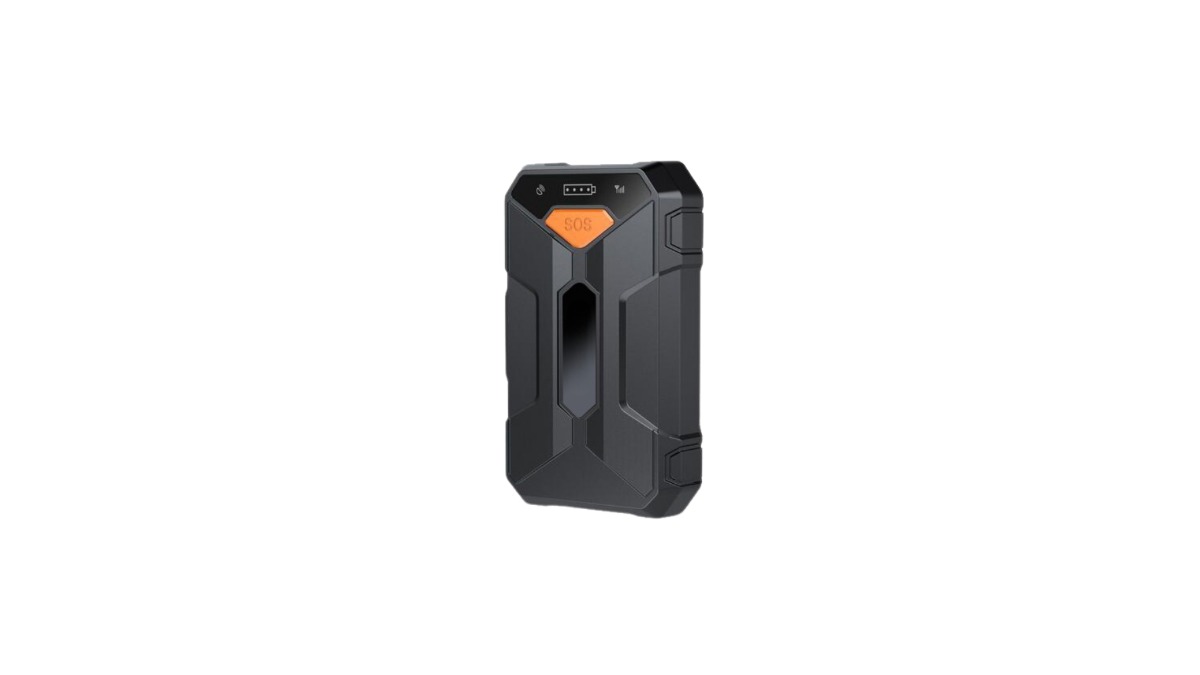
GPX runs an AI-powered asset intelligence platform that moves past traditional visibility. The goal is direct: go beyond dots on a map by turning location and sensor data into predictions and clear next steps. A multi-network approach combines GPS, BLE, cellular, satellite, and WiFi for complete visibility, in transit and inside facilities. Differentiators like the Scout AI engine and disposable Smart Labels solve enterprise problems across more than 50 industries, from automotive logistics to healthcare equipment.
- Location: USA
- Best for: Enterprises that need predictive and prescriptive intelligence for high-value assets and complex supply chains.
- Pricing: Custom enterprise plans.
- Connectivity: Cellular (4G/5G LTE-M, Cat-M1, NB-IoT), BLE, GPS, satellite, and WiFi positioning.
- Standout features: Scout AI for predictive ETAs and anomaly detection; peel-and-stick Smart Labels for low-cost shipment tracking; multi-sensor hardware for condition monitoring.
Strengths
- Delivers prescriptive intelligence, not just descriptive data, so teams know the next move.
- One platform covers in-transit visibility and on-site tracking across yard, warehouse, and facility.
- A flexible hardware portfolio, including disposable trackers, fits many asset types and values.
- Turns operational data into measurable financial outcomes and ROI.
- Enterprise-grade security and scale for complex, global deployments.
2. FourKites
FourKites is a well-known real-time visibility platform and a leading project44 alternative for large enterprises. It delivers multimodal visibility across truckload, LTL, ocean, rail, and parcel. Teams value its clean interface, strong analytics, and a dedicated yard management solution that streamlines facility operations.
- Location: Chicago, IL, USA
- Best for: Large logistics, manufacturing, and retail enterprises with complex operations and heavy data needs.
- Connectivity: Multimodal visibility (truckload, LTL, ocean, rail, parcel).
- Standout features: Predictive analytics with dynamic ETAs; dedicated yard management; strong integrations; real-time exception management.
Strengths
- Excels at user-friendly analytics and reporting.
- Strong predictive capabilities sharpen decisions.
- Scales reliably for enterprise operations.
- Earns praise for customer support.
Limitations
- Enterprise pricing means a significant investment.
- Custom reports and premium support tiers add cost.
- Some users report that certain integrations need custom configuration.
3. Descartes MacroPoint
Descartes Systems Group acquired MacroPoint, a veteran of the real-time visibility space. It stays popular with freight brokers, third-party logistics (3PL) providers, and shippers who run large, diverse carrier networks. The platform aggregates data from a broad carrier base to deliver real-time location tracking, predictive analytics, and automated milestone alerts.
- Location: Waterloo, Ontario, Canada
- Best for: Freight brokers, 3PLs, and shippers managing a complex carrier network.
- Pricing: Starts at $5 per load, with volume discounts.
- Connectivity: Multimodal tracking across parcel, FTL, LTL, air, and ocean.
- Standout features: Real-time freight visibility; geofencing and temperature monitoring; automated departure and arrival alerts; carrier performance scorecards.
Strengths
- Extensive carrier network delivers broad visibility.
- Supports proactive management of potential disruptions.
- Clean interface and straightforward integration.
- Detailed analytics on carrier performance and compliance.
Limitations
- Per-load pricing gets expensive for high-volume shippers without solid discounts.
- Some users find the metrics more marketing-focused than operational.
4. Shippeo
Shippeo is a European leader in supply chain visibility, built around a strong multimodal platform and AI-driven predictions. It tracks shipments across road, ocean, rail, and air, and delivers accurate real-time ETAs. The platform integrates with existing TMS and ERP systems, which makes it a strong fit for companies with a large European footprint.
- Location: Paris, France
- Best for: Companies that want multimodal visibility with strong AI-driven real-time and predictive insight.
- Connectivity: Multimodal transport visibility.
- Standout features: AI-powered real-time insight; predictive analytics for accurate ETAs; TMS/ERP integration; dynamic routing and exception management.
Strengths
- Delivers instant predictive and real-time delivery information.
- Strong analytics improve ETA accuracy and route planning.
- Integrates cleanly with existing enterprise systems.
Limitations
- Pricing stays private, so you request a quote.
- Network density runs higher in Europe than in North America.
5. Shipwell
Shipwell pairs a full Transportation Management System (TMS) with real-time visibility in one platform. That combination appeals to businesses that want to streamline the whole logistics workflow, from carrier procurement and load planning to in-transit tracking and freight audit. It serves companies of all sizes, and it shines for teams replacing several disparate systems with one.
- Location: Austin, TX, USA
- Best for: Companies of any size that want a full TMS plus real-time visibility.
- Pricing: Starts at USD 1,000.00/month.
- Connectivity: Real-time visibility across trucking, rail, air, and ocean.
- Standout features: Integrated TMS; machine-learning pricing intelligence; workflow automation; freight audit and payment.
Strengths
- One platform for transportation management and visibility.
- Highly automated and customizable, with WMS and ERP integration.
- Machine learning sharpens procurement and planning decisions.
Limitations
- The $1,000/month starting price blocks smaller businesses.
- No free trial or free version to test the platform.
- Offers more than a team seeking pure-play visibility needs.
6. Tive
Tive centers on in-transit visibility through sensor-based tracking. The company ships its own hardware trackers, the SENTRY and Sentinel devices, which monitor location plus temperature, humidity, shock, and light exposure. That makes Tive a strong fit for high-value, fragile, or condition-sensitive goods like pharmaceuticals, electronics, and perishable foods.
- Location: Boston, MA, USA
- Best for: Companies that need granular, sensor-based real-time tracking and environmental monitoring.
- Connectivity: Cellular hardware trackers with multi-sensor capabilities.
- Standout features: Real-time location and condition monitoring; proprietary hardware for accurate data; automated alerts for excursions and potential damage.
Strengths
- Protects product integrity and compliance for sensitive shipments.
- Delivers reliable, flexible real-time monitoring.
- Hardware-based approach produces accurate, verifiable data.
Limitations
- Pricing stays private.
- Heavier hardware dependence affects deployment logistics.
- Onboarding often requires changes to existing shipping workflows.
7. GoComet
GoComet is an AI-driven visibility platform with a sharp focus on port congestion and delay forecasting. It covers the standard real-time visibility features that other project44 alternatives offer, but its proprietary port-conditions database predicts delays accurately and suggests alternate routes. That edge matters most for companies that lean heavily on ocean freight.
- Location: Singapore
- Best for: Companies that want AI-driven visibility with a strong focus on port congestion and delay forecasting.
- Connectivity: Multimodal AI visibility platform.
- Standout features: Proprietary port congestion database; advanced risk alerts up to 5 days ahead; AI-based delay forecasting; alternate route suggestions.
Strengths
- Unique port congestion data gives ocean freight teams a real edge.
- Proactive risk alerts include the reasons behind delays.
- Rated highly for customer support and setup.
Limitations
- Pricing is custom and requires a sales inquiry.
- Carrier network coverage runs thinner in some regions than larger rivals.
Which Platform Fits Your Broker Network or Cold Chain
Choosing the best visibility platform takes more than a feature list. Let your operational context, strategic priorities, and total cost of ownership guide the call. Ask a few sharp questions as you evaluate.
First, what problem are you actually solving? If your hardest challenge is a complex broker network, Descartes MacroPoint fits well. If cold-chain integrity is the priority, a sensor-first platform like Tive leads. If you want a unified TMS and visibility solution, look hard at Shipwell. Get clear on the main objective.
Second, judge each platform’s approach to data and intelligence. Do you want descriptive visibility that shows where things are? Or predictive and prescriptive intelligence that tells you what happens next and what to do about it? GPX focuses on the latter, using AI to turn data into actions that cut cost and boost efficiency. That is the line between passive monitoring and active management.
Finally, weigh integration, scalability, and support. How cleanly does the platform connect to your ERP, WMS, and other systems? Can it scale across every asset, from returnable pallets to high-value equipment, across geographies and transport modes? And what support do you get during rollout and after? The right partner works like an extension of your team.
Ready to move beyond dots on a map? See how the GPX AI-powered asset intelligence platform delivers the predictive insight and operational control your enterprise needs. Discover GPX today.
Frequently Asked Questions (FAQs)
How does AI asset tracking differ from traditional GPS?
Traditional GPS shows the past and present location of an asset, essentially dots on a map. AI asset tracking, like GPX, combines that location data with sensor inputs and historical trends to deliver predictive and prescriptive insight. It forecasts arrival times, flags anomalies, and recommends actions that prevent delays or losses.
What’s the difference between GPX and other visibility platforms like project44?
Many platforms, including project44 alternatives, focus on aggregating carrier data for in-transit visibility. GPX unifies in-transit shipments and on-site assets across yards, warehouses, and facilities. Its proprietary hardware, multi-network connectivity, and Scout AI engine add a deeper layer of intelligence, moving from visibility to operational control.
How does a visibility platform support supply chain sustainability and ESG goals?
Granular movement data exposes empty miles, idle dwell, and inefficient routing, so teams cut fuel burn and emissions while right-sizing every load. The same chain-of-custody records that prove ethical sourcing also feed the audit trails ESG reporting requires. GPX turns that operational data into the emissions and utilization metrics sustainability teams report on.
Does GPX integrate with existing ERP / EAM / TMS systems?
Yes. GPX connects through a strong API and pre-built integrations. It ties into your Enterprise Resource Planning (ERP), Enterprise Asset Management (EAM), Transportation Management Systems (TMS), and other core systems, giving you one source of truth for asset data.
How accurate is GPX’s predictive ETA?
The Scout AI engine refines GPX predictive ETAs continuously, analyzing real-time traffic, weather, port dwell times, and historical performance. The result is far more accurate arrival predictions than standard GPS estimates, so teams manage exceptions proactively instead of reactively.
How fast is the supply chain visibility software market growing?
The market reached USD 5.5 billion in 2024 and is projected to exceed USD 11 billion by 2030. North America holds roughly 39% of current demand, with U.S. companies leading the push for platforms that go beyond basic location data.