
Warehouse asset tracking for distribution centers, 3PLs and plants
A warehouse tracking system shows where your assets, pallets, carts and vehicles are inside and around your buildings. GPX pairs Bluetooth tags with GPX trackers and gateways, so each tag reports its last known area on one map. Geofences flag unauthorized moves, and idle reports show what sits unused.
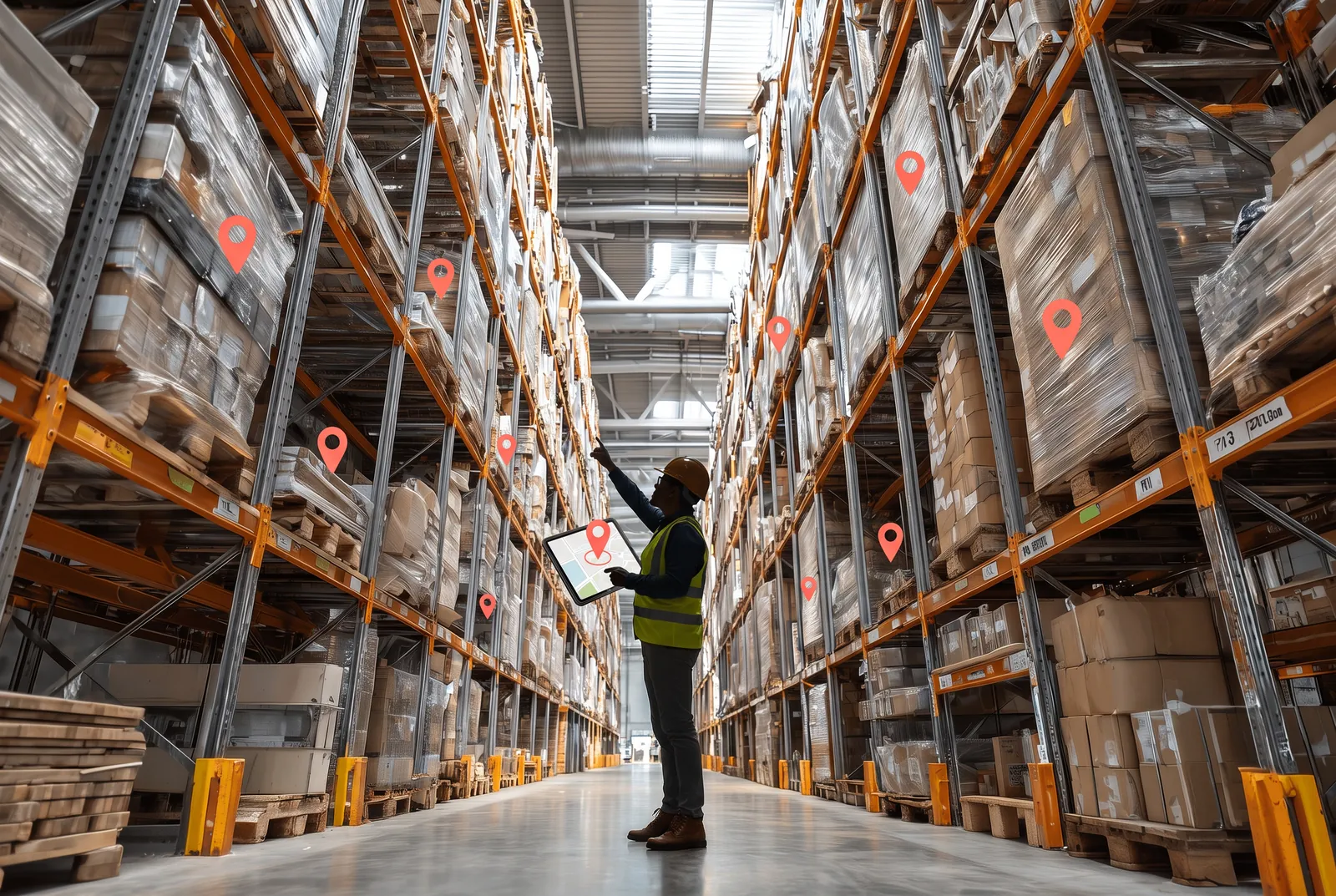
Know where each tagged asset was last seen.
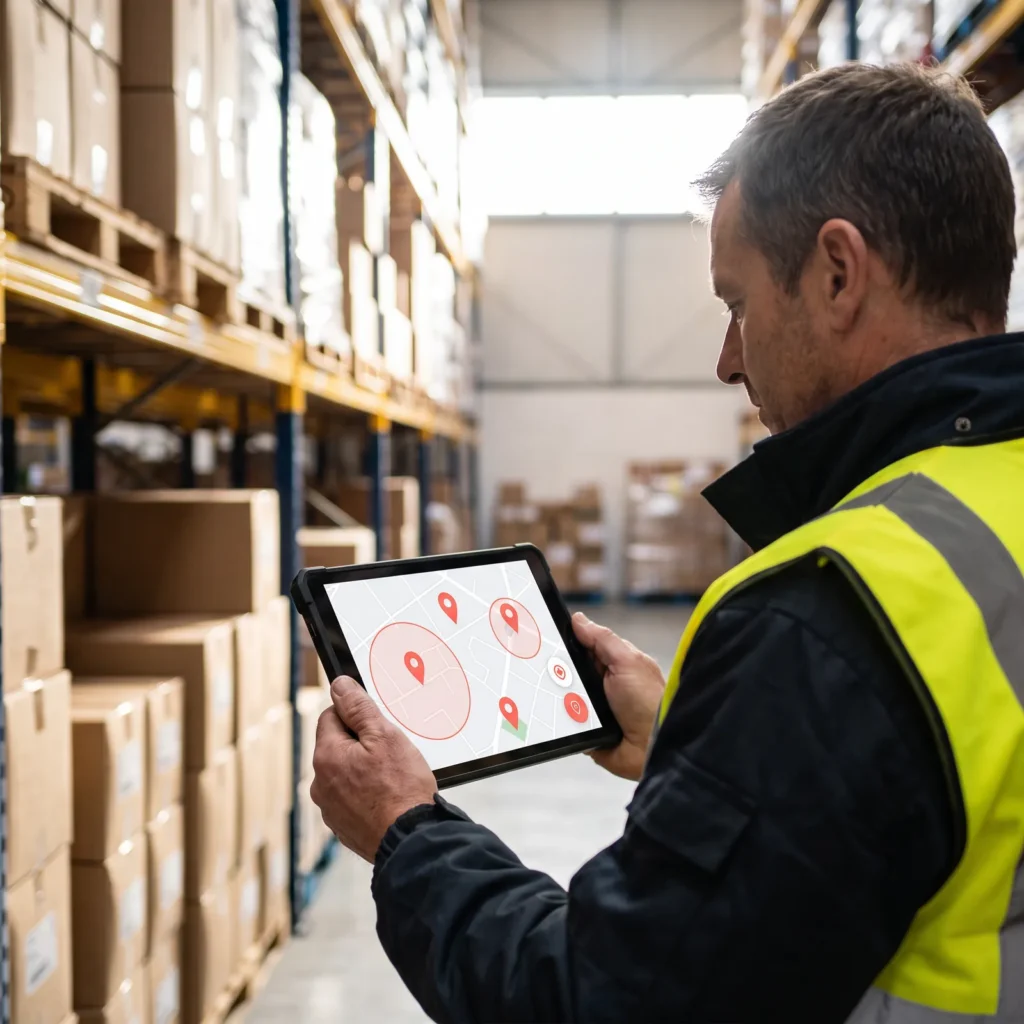
Misplaced pallets, carts and tools cost your crews time on every shift. With a GPX warehouse tracking system, you attach Bluetooth tags to the items that matter. AssetTag and AssetTag Edge report to a GPX tracker or gateway in range, so each tag shows its last known area, such as the dock, a staging zone or a storage room. This is area-level location, not shelf-level positioning or turn-by-turn navigation, and GPX is not an RTLS. It is enough to send a picker to the right zone instead of walking the whole building.
Inside the building and out on the road.
Assets do not stop being your problem when they leave the building. GPX uses one platform for what sits in your warehouse and what moves between sites. AssetTrack Voyager and SmartLabel follow outbound shipments, and AssetTrack covers trailers and returnable containers in the yard. Your team sees indoor areas, yard positions and in-transit loads on one map, so a missing pallet or a late load is a quick search, not a phone chase.
A trusted partner to the world's biggest companies



















Shrinkage, misplaced stock and equipment that walks out the door all eat into warehouse margins. GPX warehouse asset tracking puts tags and trackers on the inventory, tools and internal vehicles you cannot afford to lose. Scout AI geofences every site in seconds, and unauthorized movement fires an instant alert. AssetTrack trackers are anti-tamper, and the platform keeps a location history for each asset. When something leaves without permission, your team knows where it was last seen and where it went next.
Phantom inventory starts when nobody knows where an item went. Tag high-value pallets, totes, tools and fixtures, and each tag reports its last known area when it is near a GPX tracker or gateway. During cycle counts and audits, your team starts in the right zone instead of walking every aisle. The location history shows when an item last moved and where it went, which narrows the search and points to the process gap behind repeat losses.
Warehouse theft ranges from internal pilferage to break-ins and goods removed without authorization. Scout AI geofences every site in seconds, and unauthorized movement fires an instant alert to the people you choose. Set geofences around each building and yard, then get notified when tagged equipment or inventory leaves them. AssetTrack trackers are anti-tamper and mount with a magnet on steel. When an asset does leave, live GPS location from a GPX tracker shows where it is heading, so your team and law enforcement can act quickly.
Delays hide in places nobody watches: a pallet parked in staging for a day, a forklift idle in a back corner, empty carts piled at one dock. GPX idle and dwell analytics show which tagged assets have not moved and how long they have sat in an area. Use that view to rebalance equipment between zones, clear staging faster and put under-used assets back to work before you buy more. You can review the same view across every site you run.
Picking and shipping mistakes cost you in returns, reshipments and customer trust. GPX does not scan cartons or replace your WMS, and it does not give shelf-level positions. What it does is show the last known area of tagged pallets, carts and returnable containers, and alert you when they leave a geofenced site. If a tagged load sits in the wrong staging area or leaves a site it should not, your team sees it on the map and can check it before the truck is gone. Location data can flow to your WMS through API, webhooks and data feeds.
Returnable containers, racks, carts, forklifts and specialized tools disappear between sites and customers, and replacing them adds up. Tag them with AssetTag Pro, AssetTag or AssetTag Edge, or fit an AssetTrack to larger steel equipment. For warehouse vehicle tracking, RoadTrack Wired hardwires to forklifts and yard trucks. You see where each asset was last reported, how long it has been idle, and which site holds more than its share. That makes it easier to recover equipment and plan returns before you buy replacements.
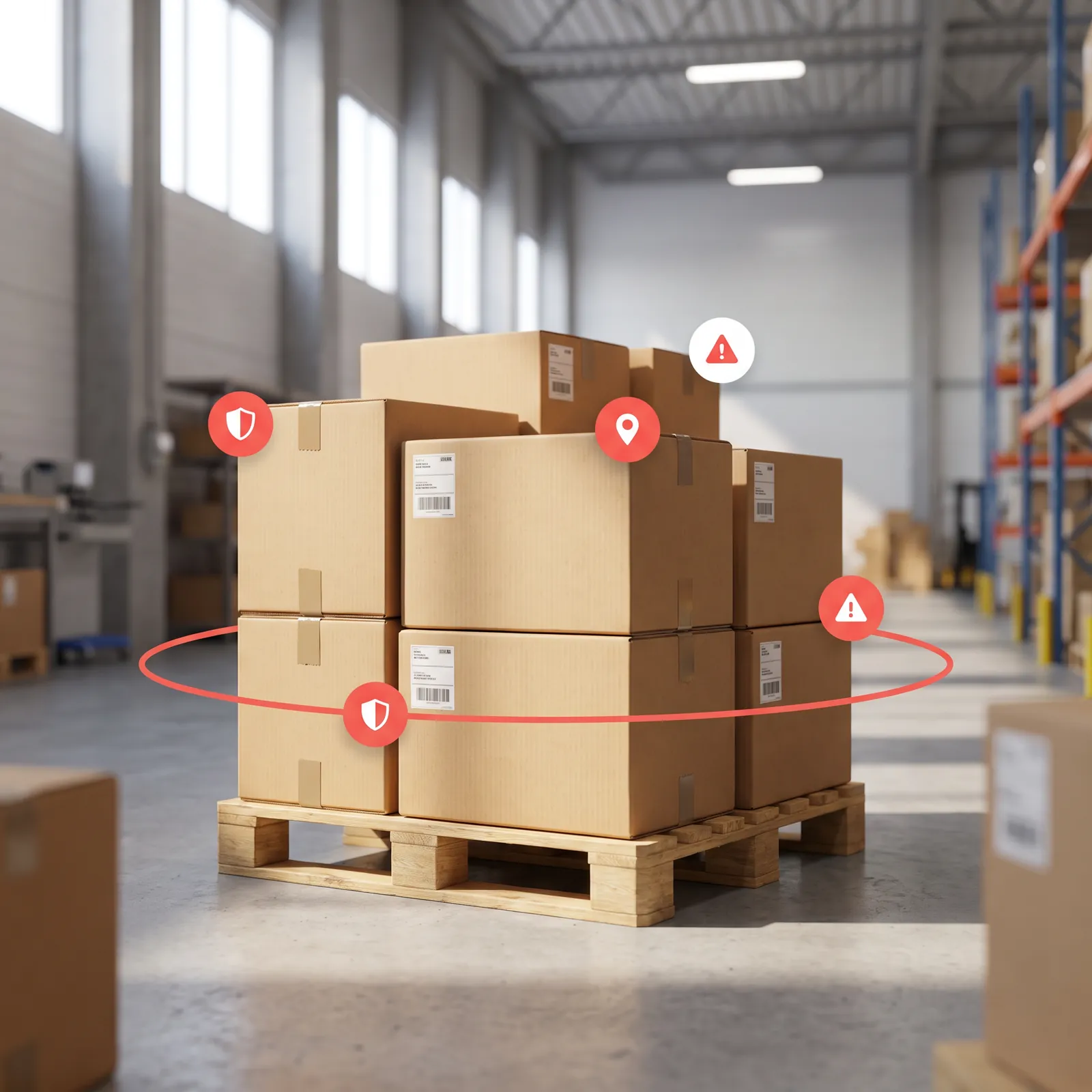
High-value inventory and equipment need more than a dot on a map. GPX combines anti-tamper trackers, Bluetooth tags and geofence alerts, so you know when something moves without permission. Every asset keeps a location history your team can review when an item goes missing.
Warehouse security tools include:
1
Instant alerts: Unauthorized movement out of a geofenced site fires an instant alert.
2
Location history: Review where each tagged asset was last seen and when it moved.
3
Anti-tamper hardware: AssetTrack, AssetTrack Charge and AssetTrack Mini are anti-tamper and IP67.
4
Scout AI alerts: Predictive disruption alerts help you act before problems spread.
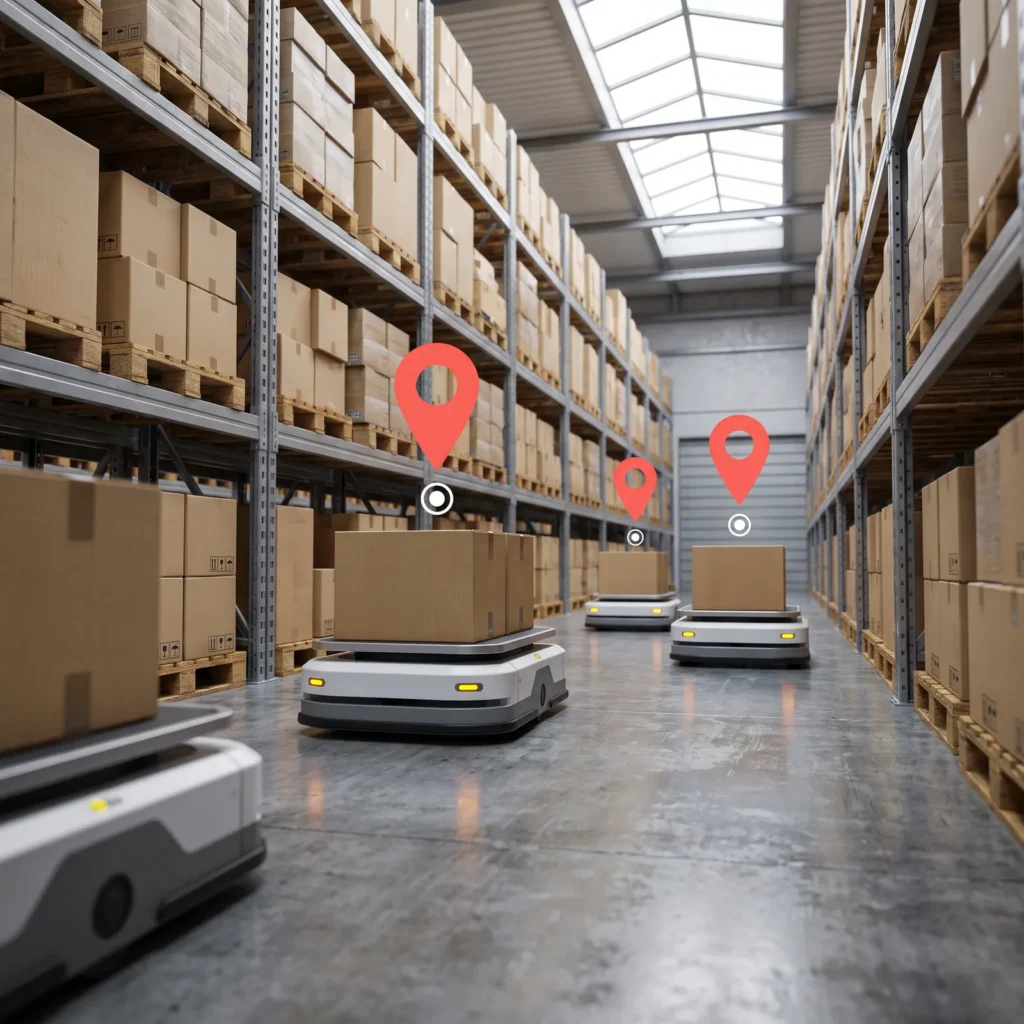
Clipboards, spreadsheets and walk-the-floor searches slow every shift. A GPX warehouse tracking system reports tagged asset locations on its own, so your team checks a map instead of hunting. AssetTag Pro ships activated with no app pairing, and deployments go live in days, not quarters.
How it changes warehouse tracking management:
1
Fewer searches: Send staff to the last known area, not every aisle.
2
Less manual logging: Tags report location without scans or spreadsheet updates.
3
Better decisions: Idle and dwell reports show which assets sit unused.
4
Connected systems: Feed your WMS, ERP or TMS through API and webhooks.
Eliminate: double entry between systems
Enable: asset locations inside your WMS
Enhance: alerts routed to the right team
Improve: handoffs between warehouse and transport
Provide: one map of assets across every site
GPX is not a WMS, and it does not replace one. It feeds your warehouse management, ERP and TMS systems through API, webhooks and data feeds, so asset locations, geofence events and idle reports show up where your team already works. Your WMS keeps managing stock and orders, and GPX adds where the physical assets were last seen.
Most operators run more than one building, and assets drift between them. GPX shows tagged assets across warehouses, yards and in-transit loads on one map. Managers see what sits where, what has gone idle and what has left a site, from inbound receiving to outbound loading. Role-based access lets each site lead see their own buildings while operations sees the whole network.
See where tagged pallets, carts and equipment wait between receiving, put-away, staging and loading. When the same area keeps holding assets too long, you know where the bottleneck is. Fix the process, then watch dwell time in that area to confirm the change worked.
Idle and dwell analytics put under-used assets back to work. See which forklifts, carts and containers have not moved, which areas hold assets longest, and which sites run short while others sit on spares. Use the reports to rebalance equipment before you rent or buy more.
Demand spikes, short-staffed shifts and equipment breakdowns hit harder when nobody knows where things are. With the last known area of every tagged asset on one map, supervisors can find spare equipment, move it where it is needed and keep loads going out on time.
Every warehouse runs differently, so GPX fits the assets and sites you actually manage. You choose the mix of Bluetooth tags, cellular trackers and vehicle devices, then set geofences and alerts for each building. Common setups include:
See all industries GPX serves.
Lost and idle equipment often leads to buying more. When you can find what you already own, you replace less:
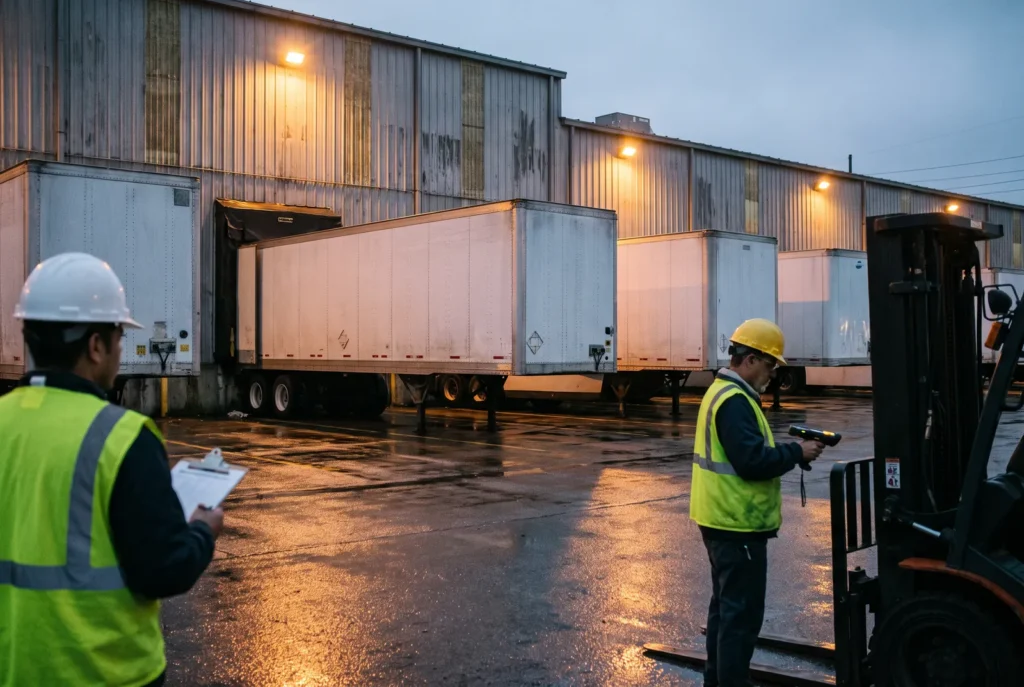
Warehouse disruptions rarely announce themselves. Scout AI sends predictive disruption alerts, and geofence alerts flag unauthorized movement the moment it happens. With a location history for every tagged asset, your team can trace what changed, respond faster and keep the building running.
Ask Scout AI
Scout AI, the AI analyst in GPX, answers plain-language questions like:
1
Which forklifts have sat idle in the north building this week?
2
Which tagged carts were last seen outside the main warehouse?
3
Which returnable containers have not moved this month?
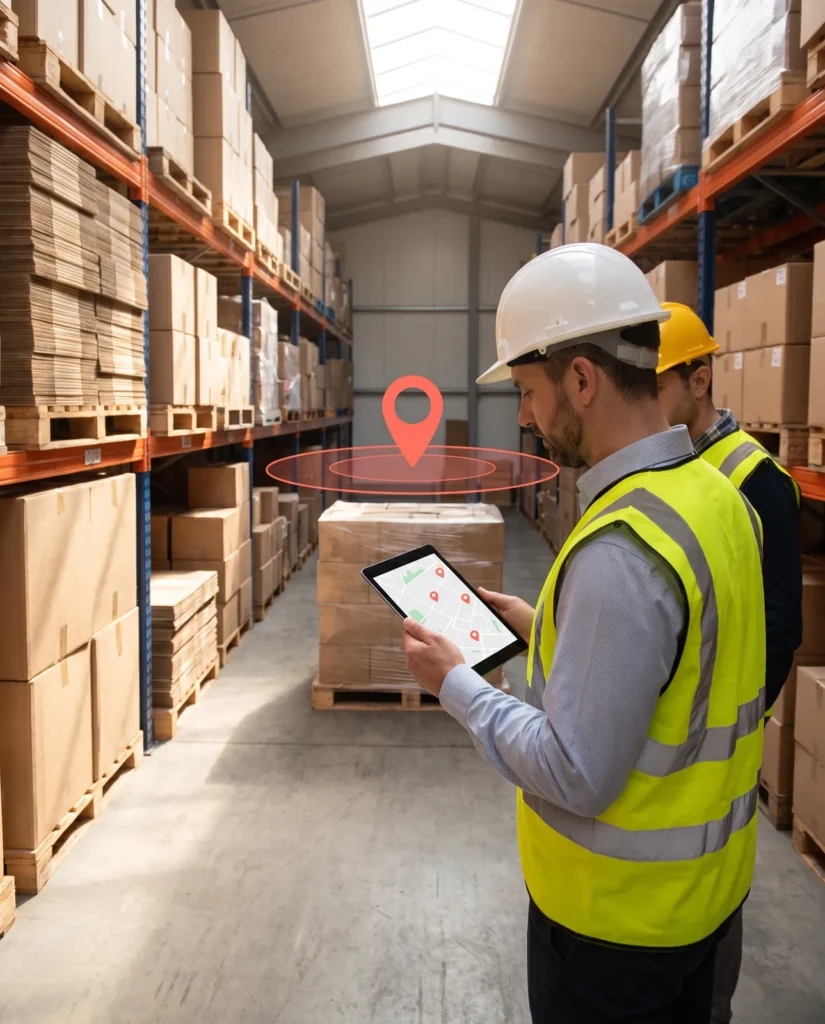
AssetTag Edge and AssetTag report their last known area indoors when near a GPX tracker or gateway, and AssetTag Pro uses 150 million gateways in the field. See inventory tracking and pallet tracking. See every GPX tracking solution or all industries.

Case Study
See how our customers have used our tracking solutions to improve their supply chain operations, reduce costs, and enhance customer satisfaction.
Warehouse Tracking System Questions, Answered
Indoor tracking, devices, batteries, WMS integration and cost
A warehouse tracking system shows where assets, pallets, containers and vehicles are inside and around your buildings. GPX does this with Bluetooth tags, cellular GPS trackers and one platform. Tags report their last known area when near a GPX tracker or gateway, trackers report GPS location outdoors, and alerts flag unauthorized movement. It works alongside your WMS rather than replacing it. See how it fits our wider asset tracking solutions.
Yes, at the area level. Bluetooth tags such as AssetTag and AssetTag Edge report their last known area when they are near a GPX tracker or gateway, for example a dock, staging zone or storage room. GPX is not an RTLS, so it does not give room, aisle or shelf positions. Knowing the last area an item was seen narrows the search to one part of the building.
No. GPX does not guide staff turn by turn to a shelf or bin, and it is not a warehouse management system. It shows the last known area of tagged assets on a map, the GPS location of trackers outdoors, and alerts when assets leave a geofenced site. Many teams use it alongside a WMS, which keeps handling bin locations, stock and orders.
Most teams start with items that are expensive to lose or slow to find: pallets, returnable containers, carts, racks, tools and forklifts. Bluetooth tags suit smaller items, AssetTrack fits larger steel equipment, and RoadTrack Wired suits yard trucks. Outbound loads can carry an AssetTrack Voyager or a SmartLabel. Compare the options on our devices page.
Battery life is up to 5 years, depending on device. AssetTag Pro runs up to 3 years on a replaceable coin cell, and AssetTag Edge runs up to 4 years on a CR2032. AssetTrack Charge is rechargeable, while RoadTrack Wired is hardwired to the vehicle for power. Your team can plan battery swaps around the device mix you choose.
Deployments go live in days, not quarters. AssetTag Pro ships activated with no app pairing, so you hang, stick or screw it on and it starts reporting. AssetTag and AssetTag Edge need a GPX tracker or gateway in range, so plan where those sit first. Scout AI geofences every site in seconds once your locations are in the platform.
Yes. GPX integrates with WMS, ERP and TMS systems through API, webhooks and data feeds. Asset locations, geofence events and idle reports can flow into the systems your team already uses. GPX does not replace your WMS. It adds where the physical assets were last seen. Ask about your specific system on a 20-minute demo.
Cost depends on how many assets you track and which devices you use. Hardware and service come together in one subscription, so there is no separate hardware purchase. A site tagging carts and containers needs a different mix than one fitting trackers to forklifts and yard trucks. Share your asset count and sites on a demo call to get a quote.