
Managing a fleet of dumpsters and roll-off containers comes with a hard problem: your most valuable assets spend most of their life unattended. These steel boxes sit at job sites for weeks, which makes them easy targets for theft, misplacement, and unauthorized use. Without location data, haulers and rental operators lose capital to stolen containers and burn hours hunting for the ones that wandered off. Construction and industrial equipment theft costs U.S. businesses $300 million to $1 billion every year, and recovery rates stay low.
Missing visibility hurts the everyday work too. Drivers waste time locating containers, dispatchers run inaccurate inventory counts, and billing disputes drag on without proof of service. GPS tracking fixes that. Put the right device on each container and it stops being a passive box. It starts reporting where it is, when it moved, and how often it earns its keep.
This guide compares the top dumpster GPS trackers on the market. We break down ruggedness, battery life, reporting, and cost so you can match a device to how your business actually runs.
What to Look For in a Dumpster GPS Tracker
Tracking a roll-off container is nothing like tracking a truck. These assets have no power, take a beating, and sit still for months. Weigh every device against the realities of the waste business before you buy. Here are the features that matter.
- Battery Life: Dumpsters have no onboard power, so the tracker carries its own. Look for battery life measured in years, not months. Five to ten years at one report per day is the standard that keeps maintenance costs down.
- Durability and IP Rating: The device faces extreme weather, hard impacts, and flying debris. You need a rugged, impact-tolerant housing. An IP67 rating or higher seals out dust and survives water immersion, which covers every outdoor condition a container sees.
- Mounting Options: The tracker has to attach securely, resist tampering, and stay clear of container handling. Flexible options matter: strong magnets for fast deployment or bolt-down mounts for permanent installs.
- Connectivity and Performance: The device must grab a GPS signal and report its location even while bolted to a large metal object. Trackers that combine GPS, cellular such as LTE-M, and WiFi positioning hold up better across remote sites and dense cities alike.
- Total Cost of Ownership: Price the whole system, not just the hardware. Factor in the monthly fee, battery life, and how often you replace units. The right dumpster gps tracking system pays for itself by cutting theft, saving labor, and raising asset utilization.
A Comparison of the Top Dumpster GPS Tracking Devices
We compiled the leading GPS trackers built for dumpsters, roll-off containers, and other unpowered industrial assets. The table below gives you a quick side-by-side of our top picks.
| Tracker | Tracking Tech | Battery Life | IP Rating | Mounting | Starting Price |
|---|---|---|---|---|---|
| GPX AssetTrack | Cellular, GPS, Wi-Fi | Up to 10 years | IP67 | Magnetic, Bolt-on | Quoted per deployment |
| Samsara AG46 | Cellular, GPS | 3-5 years | IP67, IP69k | Bolt-on | Quote only |
| Verizon Connect | Cellular, GPS | Up to 4 years | IP67 | Bolt-on | Quote only |
| LoneStar Tracking Oyster3 | LTE-M/NB-IoT, GPS | Up to 10 years | IP68 | Screw, Bolt, Rivet | $49 + $14.95/mo |
| Geoforce GT2s/GT2c | Satellite or Cellular | Up to 6 years | IP68/IP69k | Bolt-on | Quote only |
| Wireless Links Solar GPS | Cellular, GPS | Solar-powered | IP67 | Bolt-on | $115 + $8.99/mo |
| Logistimatics Mobile-200 | 4G Cellular, GPS | Up to 10 days | IP65 | Magnetic | $64.99 + from $12.50/mo |
1. GPX AssetTrack
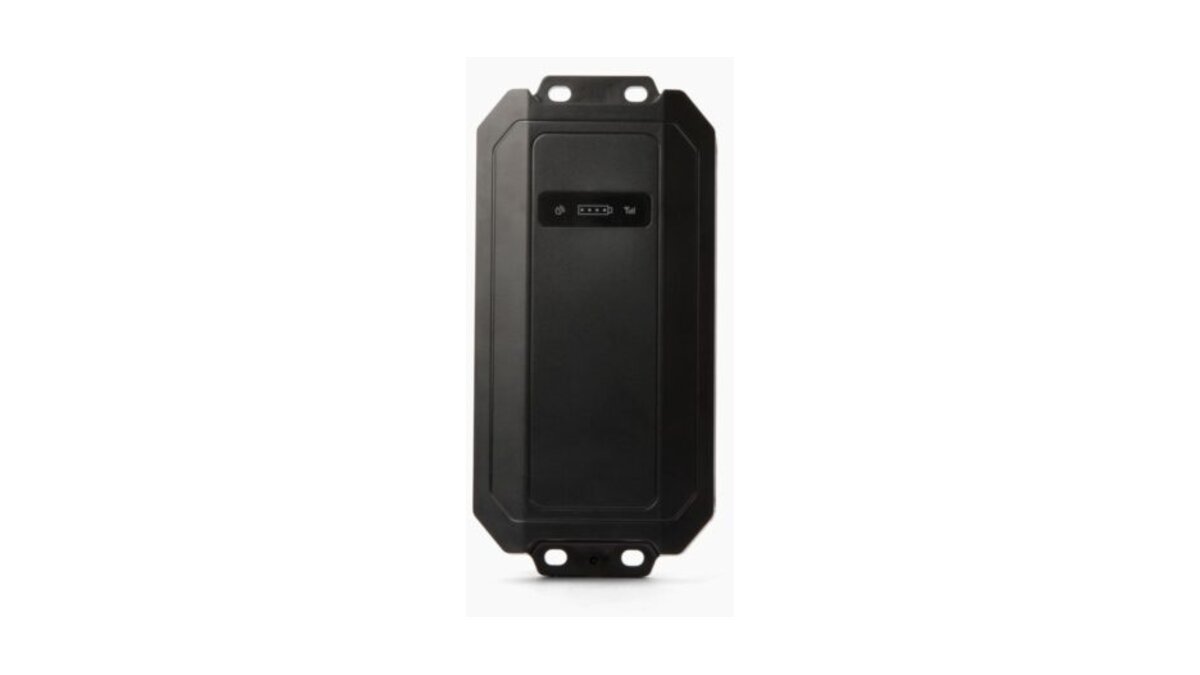
The GPX AssetTrack is an enterprise-grade tracker built for high-value, unpowered assets like roll-off containers. It goes beyond dots on a map by combining GPS, WiFi positioning, and cellular triangulation to pin down location in any environment. The IP67-rated enclosure shrugs off the harshest industrial conditions, and the battery runs up to 10 years. That makes the AssetTrack a true “set and forget” device with a low total cost of ownership. For yard management and high-density tracking on a budget, the GPX AssetTag adds a BLE option with a 4-year replaceable battery.
Strengths
- Multi-Technology Positioning: GPS, WiFi, and Cell ID work together to hold a location fix even in dense urban canyons or indoor facilities where GPS alone falls short.
- Exceptional Battery Life: The battery lasts up to 10 years at one report per day, which cuts maintenance cycles and labor.
- Rugged and Discreet Design: The compact IP67 housing handles extreme temperatures, impacts, and weather, and mounts out of sight to avoid detection.
- Advanced Reporting Platform: The GPX platform delivers geofencing, movement alerts, utilization reports, and dormancy tracking, turning raw data into decisions you can act on.
2. Samsara AG46
Samsara runs a unified platform for connected operations, and its AG46 Unpowered Asset Gateway brings that visibility to assets like dumpsters. The AG46 is a rugged tracker that plugs into the wider Samsara platform alongside vehicle tracking, AI dashcams, and site monitoring. Operators manage vehicles, equipment, and containers from one dashboard and see the whole operation in a single view.
- Location: San Francisco, CA, USA
- Best for: Fleets that want one platform combining GPS tracking with a full set of connected-operations tools, including AI-powered dashcams.
- Connectivity: Cellular, GPS.
- Standout features: User-replaceable AA batteries for a 3-to-5-year life, wake-on-motion alerts, automated inventory and dormancy reports, and tight integration with Samsara’s vehicle and safety tools.
Strengths
- One platform manages every company asset.
- Highly rated user interface and mobile app.
- Best-in-class AI dashcam and driver safety features.
- Developer-friendly API for integrations.
Limitations
- Pricing requires a custom quote and a multi-year contract.
- Too expensive and feature-heavy for smaller fleets.
- Some users report platform slowness and hardware reliability issues.
- Customer support can be inconsistent.
3. Verizon Connect Asset Tracking
Backed by one of the nation’s largest cellular networks, Verizon Connect delivers asset tracking as part of its wider fleet management platform. It fits large enterprise fleets that need carrier-grade coverage and run complex dispatching and routing. Operators watch roll-off containers next to their vehicles, with geofencing, utilization reports, and proof of service built in.
- Location: Atlanta, GA, USA
- Best for: Large enterprise fleets, especially those already on Verizon, that need carrier-grade coverage.
- Connectivity: Cellular, GPS.
- Standout features: Live map tracking, geofencing with automated alerts, a full fleet management suite, and Power Take-Off (PTO) tracking for service verification.
Strengths
- Excellent network reliability across Verizon’s coverage.
- Strong fit for large, complex enterprise fleets.
- Flexible platform you can tailor to specific industries.
- Praised for ease of use and real-time tracking.
Limitations
- Requires a long-term contract, typically three years, with quote-based pricing.
- Customer support draws frequent, serious complaints.
- The platform carries a steep learning curve.
- The mobile app tends to lag or disconnect.
4. LoneStar Tracking Oyster3
LoneStar Tracking builds no-nonsense, battery-powered GPS trackers with transparent pricing and no contracts. Their pick for dumpsters, the Oyster3, is a rugged, waterproof IP68 tracker that runs on LTE-M/NB-IoT networks for long battery life. It uses standard AA batteries, so replacements are easy. LoneStar suits businesses that want reliable tracking without long-term commitments or features they will never use.
- Location: San Marcos, TX, USA
- Best for: Businesses that want transparent pricing, no-contract plans, and easy-to-install, battery-powered trackers.
- Pricing: Hardware starts at $49.00 with monthly plans from $14.95.
- Connectivity: LTE-M/NB-IoT, GPS.
- Standout features: Long battery life on standard AA batteries, no-contract plans, geofencing and movement alerts, and easy installation.
Strengths
- Transparent, affordable pricing for hardware and service.
- No long-term contracts, so you keep your flexibility.
- Frequently praised for excellent customer service.
- Simple, reliable devices that are easy to set up.
Limitations
- Some users report occasional location inaccuracies.
- Signal can struggle if the device sits too deep inside metal.
- Lacks the deep analytics of enterprise platforms.
5. Geoforce GT2s/GT2c
Geoforce builds exceptionally rugged trackers for harsh industrial work in oil & gas, mining, and heavy construction. Their GT2s (satellite) and GT2c (cellular) devices are intrinsically safe and built to survive extreme conditions. Satellite connectivity makes Geoforce a strong choice for companies working in remote areas with no reliable cellular service, so dumpsters and equipment stay visible anywhere.
- Location: Plano, TX, USA
- Best for: Companies in remote or harsh environments that need rugged hardware and satellite connectivity.
- Connectivity: Satellite, Cellular, or hybrid.
- Standout features: Extremely ruggedized hardware, satellite coverage for global reach, a service-verification module, and detailed asset utilization reports.
Strengths
- Specializes in rugged hardware and satellite tracking for remote work.
- Proven to raise asset utilization and aid theft recovery.
- Easy-to-use platform for generating reports.
- Helps confirm compliance and verify service.
Limitations
- Pricing is private and requires a custom quote.
- Rarely the lowest-priced option given its specialized build.
- Device intelligence centers on location, with fewer diagnostics.
6. Wireless Links Solar GPS Tracker
A long-standing name in the industry, Wireless Links offers a wide range of tracking solutions, including a solar-powered GPS tracker made for unpowered assets like roll-off containers. A small solar panel keeps the internal battery charged, which stretches operational life and cuts maintenance to near zero. The company also sells RFID options, so you can automate yard management and service verification alongside GPS location tracking.
- Location: Lyndhurst, NJ, USA
- Best for: Operations that want RFID integration or a low-maintenance, solar-powered tracker.
- Pricing: Solar GPS hardware is listed from $115, with subscriptions from $8.99 per month.
- Connectivity: Cellular, GPS, RFID (optional).
- Standout features: Solar-powered tracker for extended life, combined GPS and RFID, automated inventory management, geofence alerts, and route history.
Strengths
- A rare blend of GPS, solar, and RFID technology.
- Transparent starting prices for hardware and subscriptions.
- Established company with more than two decades in the market.
- One platform covers different asset types.
Limitations
- Final pricing is quote-based and depends on volume.
- The wide product range can confuse some buyers.
- Fewer independent user reviews than the larger competitors.
Key Challenges of Dumpster GPS Tracking
Bolting a tracker to a dumpster is only the first step. Waste haulers face several challenges that can trip up a rollout. Understand them and you will pick the right device and build workflows that stick.
- Cost Justification: The real question is whether the tracker and subscription cost less than the container is worth. For older, low-value dumpsters, a high-end tracker rarely pencils out. That is why many operators mix high-end trackers on new roll-offs with low-cost BLE tags for yard inventory. See our breakdown of GPS asset tracker pricing to find the right balance.
- Signal Attenuation: A dumpster is a big metal box. Mount a tracker inside and the walls block GPS and cellular signals, the Faraday cage effect. Devices belong on the outside, in a spot that keeps signal strong and damage low.
- Device Survivability: Dumpsters get dropped, slammed, and scraped. Trackers have to survive constant impacts and vibration. They also need to hold up inside a scrap yard if a stolen container gets sold for metal.
- No Onboard Power: Containers have no power source, which makes battery life the single most important factor. A device that needs a new battery every six months creates an impossible burden across a fleet of hundreds or thousands.
- Retrieval Workflows: Knowing a container is stolen is only half the job. You need a clear process for turning location data into a recovery with law enforcement. That step is what stops equipment theft from becoming a total loss and earns back your investment.
How to Roll Out Container Tracking Across Your Operation
A working dumpster gps tracking system takes more than buying hardware. A phased, deliberate rollout keeps the launch smooth and drives the strongest return.
- Define Your Primary Goal: Decide whether you are stopping theft, improving driver efficiency, or sharpening asset utilization. That goal drives which tracker and software features you prioritize.
- Start with a Pilot Program: Before you outfit the whole fleet, put trackers on 10 to 20 containers. Test hardware durability, signal performance in your service areas, and how easy the software is to use.
- Configure Your System and Alerts: Set geofences around your yard, customer sites, and known scrap yards. Configure alerts for movement outside working hours, entry into a high-risk zone, or long stretches of dormancy.
- Train Your Team: A tracking system only works if your team uses it. Train dispatchers on the inventory and utilization reports. Show drivers how to find containers fast in the mobile app and save time on-site.
- Scale and Integrate: Once the pilot proves out, roll trackers to the rest of the fleet. As you scale, connect the tracking data to your billing, dispatch, or maintenance software to automate work and build one source of truth.
How to Choose the Right Dumpster Tracker for Your Business
The best GPS tracker for your dumpsters is the one that matches your operation and budget. There is no single winner for everyone. Large, national haulers with mixed fleets gain from a unified enterprise platform like Samsara or Verizon Connect, even at a higher cost and with contracts. Managing vehicles and assets on one screen is a real advantage at scale.
For businesses in remote areas without cellular service, a satellite solution from a specialist like Geoforce is the only option that works. Smaller, local operators will lean toward the transparent pricing and no-contract flexibility of LoneStar Tracking or Logistimatics. And teams that want a low-maintenance, long-term setup will value the long battery life of GPX or the solar option from Wireless Links for their low total cost of ownership. If you are standardizing on returnable container tracking, that longevity often settles the decision. Weigh your fleet size, service area, budget, and biggest headache to find the tracker that delivers the most value.
Ready to see how advanced asset tracking can reshape your container management? Explore GPX’s asset tracking solutions and turn passive containers into smart, connected assets.
Frequently Asked Questions
How long do batteries last on dumpster trackers?
Battery life varies by model. Consumer-grade devices may last a few months to a year, but professional trackers built for dumpsters run 5 to 10 years on a single battery at one report per day. Solar models last even longer with enough sunlight.
Can GPS trackers work inside a metal dumpster?
Generally, no. The metal walls block GPS and cellular signals, the Faraday cage effect. For reliable performance, mount trackers on the outside of the container, often in a protected spot like the corner gusset or along a structural beam.
What’s the difference between GPS and BLE for container tracking?
GPS trackers use satellites to find their location and a cellular or satellite modem to report it, which suits assets that travel long distances. Bluetooth Low Energy (BLE) tags are lower-cost, short-range beacons for yard management. They talk to a fixed gateway in your yard or a driver’s smartphone to confirm an asset is nearby.
How much does dumpster GPS tracking cost?
Cost covers the hardware and a monthly data subscription. Hardware runs from about $30 for a basic device to more than $200 for a ruggedized, satellite-capable unit. Monthly subscriptions typically land between $9 and $25 per device, depending on the provider and features.
Can I track my containers in real time?
Some trackers offer a “live tracking” mode, but it drains the battery fast. For unpowered assets like dumpsters, trackers usually report once or twice a day to save power. Most also include a motion-activated setting that fires an immediate alert and reports more often when a container moves unexpectedly.
Author: Mitch Belsley