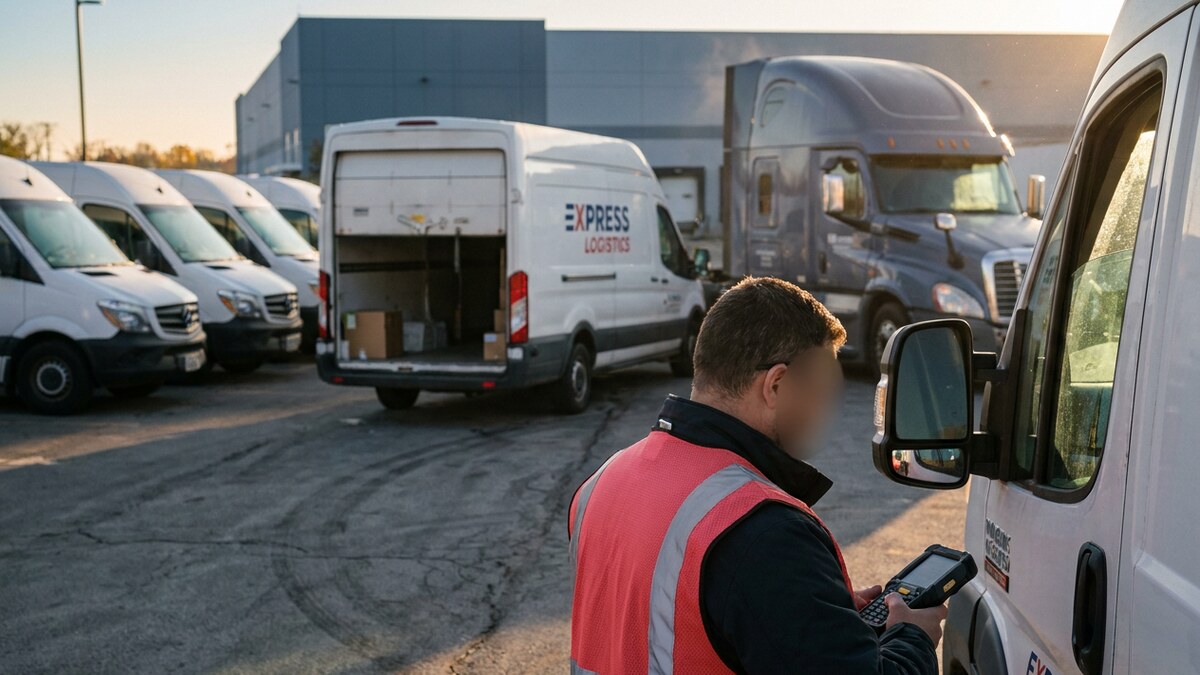

Asset-heavy fleets are outgrowing the tracking tools they started with. The real-time inventory and asset tracking market is climbing from $2.7 billion to $9.4 billion at a 13.1% CAGR, and fleet managers are driving that spend for one reason. Basic location dots no longer cut it. Verizon Connect is a familiar name, but plenty of operations teams want more flexibility, sharper intelligence, and a better total cost of ownership.
The stakes are highest where assets go missing. The NICB reports more than 850,000 vehicles stolen in the U.S. each year, with under 25% ever recovered, and high-value equipment on remote sites carries the same exposure. Modern Verizon Connect alternatives answer this with specialized hardware, AI-driven analytics, and transparent pricing. They replace rigid long-term contracts and thin support with platforms built for logistics, construction, and supply chain operations.
| Platform | Network | Best For | Starting Price | Key Strength |
|---|---|---|---|---|
| GPX | Cellular, Satellite, BLE, WiFi | AI-driven supply chain visibility | From $3.50/mo | Predictive AI & multi-sensor fusion |
| Samsara | 4G LTE, Satellite, WiFi | Large-scale physical operations | – | Unified platform for vehicles & assets |
| Geotab | Cellular, GPS | Enterprise data analytics & compliance | – | Open platform & extensive integrations |
| Motive | Cellular, GPS, IoT | Automated operations & driver safety | – | AI-powered fleet & spend management |
| Trimble | Cellular, GPS | Construction & heavy equipment | – | Deep vertical-specific solutions |
| Omnitracs | Cellular, Satellite, GPS | Enterprise trucking & compliance | – | Enterprise-grade fleet management at scale |
Why Asset Teams Outgrow Legacy Fleet Platforms
The right platform solves specific operational problems. Most teams leave Verizon Connect because legacy systems never fixed the issues below. Real asset management goes past dots on a map. It attacks the root causes of inefficiency and loss.
- Equipment theft and loss: High-value equipment and in-transit cargo are constant targets. Without instant alerts, geofencing, and rapid recovery tools, a single lost asset hits both the budget and the schedule.
- Unexpected downtime: Reactive maintenance drives costly, unplanned equipment downtime. When managers lack live insight into asset health, engine hours, and usage patterns, they service equipment only after it fails.
- Regulatory and compliance burdens: Meeting Electronic Logging Device (ELD) and Hours of Service (HOS) mandates drains administrative time. Non-compliance means fines and operational delays.
- Poor asset utilization: You cannot optimize deployment without knowing where assets are and how they get used. Underutilized equipment ties up idle capital, and over-utilized assets fail early.
- Connectivity gaps: Fleets in remote areas lose visibility the moment assets leave cellular coverage. Those blind spots undermine security, safety, and planning.
- System integration and scalability: Tracking tools that will not connect to your ERP, TMS, or WMS force manual data reconciliation and block a single source of truth, then buckle as the fleet grows.
- Spiraling operational costs: Without asset intelligence, fuel waste, inefficient routing, and reactive maintenance quietly inflate cost per mile and cost per asset.
- Data security requirements: Enterprise and public-sector operations demand SOC 2 controls and access governance before they trust any platform with fleet and location data.
1. GPX
GPX moves operations past simple location pings into a true AI-powered asset intelligence platform. It fuses data from GPS, BLE, cellular, satellite, and environmental sensors to deliver a complete operational picture. GPX serves asset-heavy industries that need predictive insight and prescriptive recommendations, not just tracking, to lift efficiency, security, and profit. Its Scout AI engine turns complex data streams into clear, actionable tasks for operations teams.
- Location: USA-based
- Best for: Enterprise and mid-market companies in logistics, construction, and manufacturing that need predictive analytics and multi-network visibility across the supply chain.
- Pricing: Smart Labels start near $9.75 per unit with a $3.50 monthly subscription; platform fees run on a per-asset basis.
- Connectivity: 4G/5G LTE-M, NB-IoT, Satellite, BLE, and WiFi.
- Standout features: Scout AI for predictive ETAs and prescriptive alerts; multi-sensor data fusion; low-cost, peel-and-stick Smart Labels for shipment-level tracking; autonomous control tower workflows.
Upsides
- Delivers predictive intelligence, not just reactive data, so teams prevent issues before they happen.
- Combines cellular, satellite, and BLE networks to hold coverage in remote areas where single-network devices go dark.
- Tracks assets and supply chains, a broader and more flexible use case than vehicle-centric telematics systems.
- Offers low-cost hardware like disposable Smart Labels, making it cost-effective to track items at the shipment or package level.
- Connects directly with existing ERP, WMS, and other business systems through an open API.
2. Samsara
Samsara is a major player in the IoT space, with a unified platform for vehicles, equipment, and worksites. It pairs hardware like vehicle gateways and asset trackers with a cloud software suite. Samsara suits large-scale fleets that want real-time data on everything from driver behavior and fuel efficiency to the location and utilization of powered and unpowered assets.
- Location: San Francisco, California, USA
- Best for: Large enterprises in transportation, construction, and the public sector that need a complete view of physical operations.
- Connectivity: 4G LTE cellular, satellite, and built-in Wi-Fi.
- Standout features: Real-time GPS for powered and unpowered assets; asset utilization reports; theft prevention with motion alerts; ruggedized IP69k hardware; unified platform for vehicles and equipment.
Upsides
- All-in-one platform for end-to-end operational visibility.
- Durable hardware built for harsh industrial environments.
- Strong theft prevention and asset recovery features.
- Satellite connectivity keeps tracking alive in remote areas.
Trade-offs
- Pricing is not public, which complicates early budget planning.
- The deep feature set runs heavy for smaller fleets with simpler needs.
- Wi-Fi hotspot data is limited for non-core functions.
3. Geotab
Geotab is a global leader in connected transportation, processing vast data volumes to sharpen fleet optimization. Its open platform and large marketplace of third-party apps make it highly customizable. Geotab fits large, data-driven organizations that prioritize security, compliance, and integration with other business intelligence tools. The company leans hard on data analytics and AI to improve safety, sustainability, and productivity.
- Location: Oakville, Ontario, Canada
- Best for: Large enterprises and public sector organizations that need deep data analytics, heavy customization, and high security standards.
- Connectivity: Cellular and GPS.
- Standout features: MyGeotab cloud software; advanced analytics with AI; strong ELD compliance; open platform with a large third-party marketplace; FedRAMP security certification.
Upsides
- Market leader with millions of connected vehicles worldwide.
- Open platform supports heavy customization and integration.
- Strong focus on data security and regulatory compliance.
- Uses a massive dataset to surface deep, actionable insights.
Trade-offs
- Pricing is quote-based, with no public transparency.
- The focus often sits on vehicle telematics, with asset tracking as a component rather than the core.
- The volume of data and features overwhelms teams without a dedicated data analyst.
4. Motive (formerly KeepTruckin)
Motive positions itself as an AI-powered operations platform for the physical economy. Known first for a user-friendly ELD, the company expanded into fleet management, driver safety, and asset tracking. Motive suits trucking, construction, and field-service fleets that want AI to improve safety, automate compliance, and control vehicles and equipment in one integrated system.
- Location: San Francisco, California, USA
- Best for: Trucking, construction, and agriculture businesses that want an AI-driven platform for vehicles, equipment, and drivers.
- Connectivity: Cellular, GPS, and IoT devices.
- Standout features: AI-powered driver safety monitoring; integrated vehicle, equipment, and facility tracking; ELD and HOS compliance management; spend and maintenance management tools.
Upsides
- Strong AI integration for safety and operational efficiency.
- One platform that connects multiple parts of physical operations.
- Broad industry focus beyond long-haul trucking.
- 24/7 technical support and dedicated service teams.
Trade-offs
- No public pricing.
- The advanced AI features carry a learning curve for some teams.
- Leans more toward drivers and vehicles than pure asset tracking.
5. Trimble
Trimble is a powerhouse in industrial technology, with deep roots in construction, agriculture, and transportation. Its asset tracking targets heavy equipment and high-value portable assets, and it plugs into Trimble’s broader job-site and fleet management tools. Trimble fits construction companies that already run Trimble products and want a deeply integrated way to manage assets across their full lifecycle, from planning and operation to maintenance and retirement.
- Location: Westminster, Colorado, USA
- Best for: Construction, geospatial, and transportation companies managing high-value heavy equipment and portable assets.
- Connectivity: Cellular and GPS.
- Standout features: Specialized heavy-equipment solutions; asset lifecycle management; rugged hardware with long battery life; real-time motion and geofence alerts; integration with Trimble Fleet Management.
Upsides
- Deep industry expertise, especially in construction.
- Full view of asset lifecycle management.
- Ruggedized, purpose-built hardware for demanding environments.
- Tight integration across the Trimble product suite.
Trade-offs
- Pricing is not public and runs through dealers.
- The platform feels siloed by industry, which complicates highly diverse fleets.
- It runs heavier than businesses with basic tracking needs require.
6. Omnitracs
Omnitracs is a long-standing leader in enterprise fleet management, serving commercial trucking and logistics for decades. It offers a full suite of SaaS solutions for fleet tracking, risk management, routing, and compliance. After merging with Solera, which also owns Spireon, Omnitracs widened its asset and trailer tracking. It fits large enterprise trucking fleets that need reliable, proven tools for compliance and operational control.
- Location: Westlake, Texas, USA
- Best for: Enterprise-scale commercial trucking and logistics fleets that need strong compliance and risk mitigation tools.
- Connectivity: Cellular, Satellite, and GPS.
- Standout features: Real-time asset and trailer tracking; advanced vehicle performance analytics; proactive maintenance scheduling; geofencing and driver behavior monitoring; strong ELD and HOS compliance.
Upsides
- Decades of experience and a strong reputation in enterprise trucking.
- Comprehensive compliance and risk management tools.
- Complete fleet intelligence platform for end-to-end visibility.
- Proactive maintenance features cut costly vehicle downtime.
Trade-offs
- Pricing is not public.
- The platform targets larger fleets and rarely fits smaller operators.
- The interface and feature set feel dated next to newer platforms.
How to Choose the Right Verizon Connect Alternative for Your Fleet
Leaving a familiar provider takes careful thought. The best platform depends on your needs, fleet size, asset types, and long-term goals. Use these criteria to guide the decision.
- Assess your core needs: Do you mainly need ELD compliance for a vehicle fleet, or do you track a mix of powered and unpowered assets across worksites? Define your top three to five challenges and pick a provider that specializes in solving them.
- Evaluate hardware and connectivity: Check durability, battery life, and installation for the tracking hardware. Confirm the right mix of connectivity, whether cellular, satellite, or BLE, to hold visibility wherever your assets operate.
- Analyze the software platform: Is the interface intuitive? Does it offer the AI and analytics to move from reactive to predictive operations? A strong platform turns data into insights you act on.
- Review contract terms and support: Teams leave Verizon Connect to escape rigid contracts and weak support. Look for flexible terms, transparent pricing, and responsive, expert service.
- Check integration capabilities: Your tracking platform should not stand alone. Confirm it integrates with your ERP, maintenance, or accounting software through an open API to build a single source of truth.
Weigh these factors and you land a partner that tracks your assets and delivers the intelligence to move your business forward. See how an AI-powered asset intelligence platform sharpens operational clarity and control for your fleet, and get a demo with our team.
Frequently Asked Questions (FAQs)
What are the main disadvantages of Verizon Connect?
Most users leave over long-term, auto-renewing contracts that are hard to exit. Other frequent complaints include inconsistent customer support, a less intuitive interface than modern platforms, and pricing that runs higher than competitors for comparable features.
Can these platforms track more than just vehicles?
Yes. Most leading Verizon Connect alternatives track a wide range of assets, not only vehicles. That includes heavy equipment, trailers, containers, tools, and individual shipments, often through a mix of GPS trackers, BLE tags, and other IoT sensors.
Is it difficult to switch from Verizon Connect to a new provider?
Leading providers make the switch smooth. They offer dedicated onboarding specialists, phased rollout plans, and support for hardware installation and data migration. Any system change needs planning, and a good partner works closely with you to minimize disruption.