
A GPS asset tracker is more than battery life and connectivity. Pick the wrong level of environmental protection and the device fails, leaving your high-value assets exposed and your operations blind. Construction equipment theft costs the US industry $300 million to $1 billion a year, so tracker durability is not a detail you can skip.
Device failure tends to hit at the worst moment. When an asset is stolen, a tracker knocked out by water ingress is useless. That failure feeds brutal recovery numbers: the National Insurance Crime Bureau (NICB) reports that less than 25% of stolen construction equipment is ever recovered. Ingress Protection (IP) ratings tell you whether a tracker will survive real conditions, from rain-swept yards to high-pressure washdown stations.
The difference between IP65, IP67, and IP69K is the first thing to get right. Buyers often assume a higher number is always better, then overspend on protection they never use or under-spec a device for a harsh environment and guarantee its failure. This guide breaks down what each rating means for an asset tracker and which one your environment actually requires.
How to Read an IP Rating
The Ingress Protection code, or IP rating, comes from the international standard IEC 60529. In North America, this is often compared to the NEMA (National Electrical Manufacturers Association) enclosure rating system, though the two are not directly equivalent. It rates how well a mechanical casing and electrical enclosure keep out solids like dust and dirt and moisture like water. The code is the letters “IP” followed by two digits.
- The First Digit (Solids): The first digit runs 0 to 6 and rates protection against solid particles. A 0 offers no protection; a 6 means the enclosure is completely dust tight. For industrial asset trackers, insist on a first digit of 6 so dust and grit stay out of the electronics.
- The Second Digit (Liquids): The second digit runs 0 to 9K and rates protection against moisture. This is where the real distinctions live. A 5 handles water jets, a 7 handles temporary immersion, and a 9K handles high-pressure, high-temperature steam cleaning.
Here is what each digit means:
| Digit | Meaning (First Digit: Solids) | Meaning (Second Digit: Liquids) |
|---|---|---|
| 0 | No protection | No protection |
| 1 | Protection against objects >50 mm | Protection against vertically dripping water |
| 2 | Protection against objects >12.5 mm | Protection against dripping water (tilted 15 degrees) |
| 3 | Protection against objects >2.5 mm | Protection against spraying water |
| 4 | Protection against objects >1 mm | Protection against splashing water |
| 5 | Dust protected (limited ingress) | Protection against low-pressure water jets |
| 6 | Dust tight (no ingress) | Protection against powerful water jets |
| 7 | – | Protection against temporary immersion (1m for 30 min) |
| 8 | – | Protection against continuous immersion (>1m) |
| 9K | – | Protection against high-pressure, high-temp jets |
IP65 vs IP67 vs IP69K Side-by-Side
The numbers look sequential, but the tests behind them are fundamentally different. A higher number does not mean the device also passed every lower test. That distinction matters most when you compare IP67 and IP69K.
IP65: Protection Against Water Jets
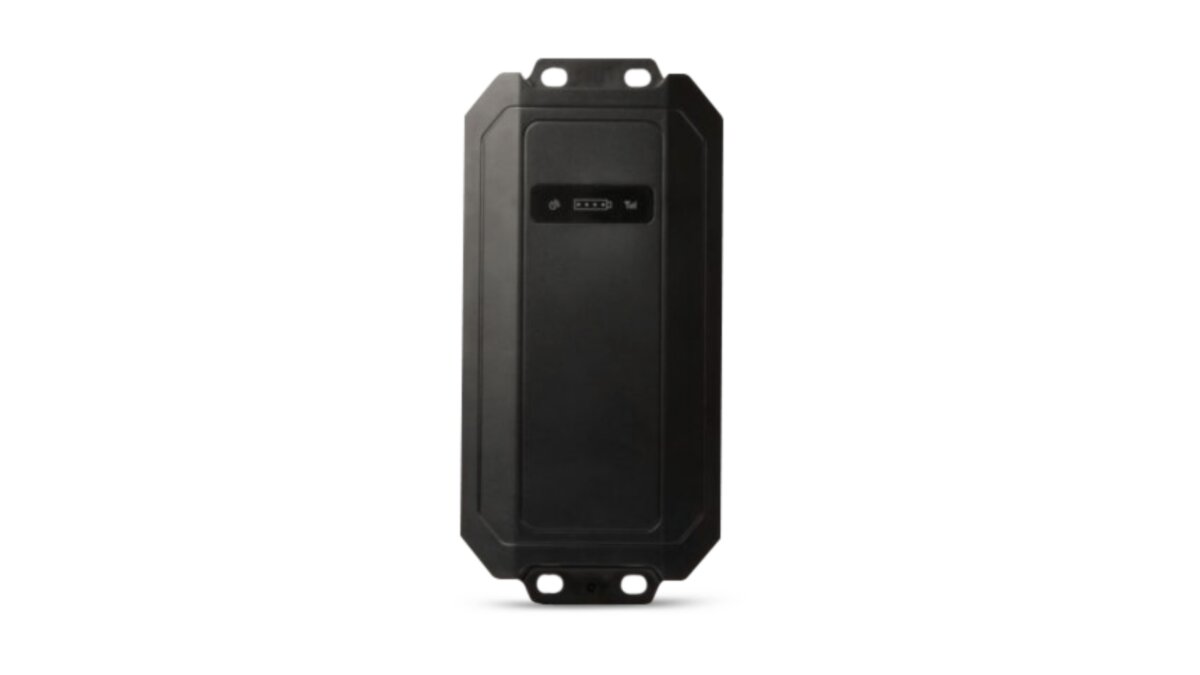
An IP65 enclosure is dust tight (the “6”) and holds up against low-pressure water jets from any direction (the “5”). That covers rain, splashing, and a light hose wash. For many over-the-road trailers or gear parked in an outdoor yard, a GPX asset tracker rated to IP65 handles typical weather with room to spare.
IP67: Protection Against Immersion
An IP67 enclosure is dust tight too. The “7” means it survives temporary immersion: the test submerges the device in up to 1 meter of water for 30 minutes. This rating matters for assets that can fall into water, sit in standing puddles, or work where submersion is a real risk. A GPX asset tracker rated to IP67 covers these tougher scenarios where plain water resistance falls short.
IP69K: Protection Against High-Pressure Washdown
The IP69K rating sits at the top of the scale and targets one specific threat: close-range, high-pressure, high-temperature spray downs. The “K” traces back to the original German DIN 40050-9 standard. The test blasts the device with 176°F (80°C) water at 1160 to 1450 PSI from multiple angles. Food and beverage processing depends on this rating, since equipment there gets sanitized with steam or pressure washers. It also applies to heavy machinery and vehicles that face aggressive cleaning.
One catch: the IP69K test does not include submersion. A device can pass IP69K and still fail IP67 immersion. That is why you often see dual ratings like IP67/IP69K, which confirm the device is certified for both immersion and high-pressure washdown.
Which Rating Your Environment Actually Needs
Match the IP rating to the actual hazards your assets face and you optimize both cost and reliability. Paying for IP69K on an asset that only sees rain wastes money. Running an IP65 tracker in a washdown bay guarantees a short life.
| Rating | Protects Against | Typical Environment | Likely Overkill For |
|---|---|---|---|
| IP65 | Dust, low-pressure water jets from any direction. | Outdoor equipment yards, over-the-road trailers, general construction. | Indoor-only assets, office environments. |
| IP67 | Dust tight, temporary immersion in water (up to 1 meter for 30 minutes). | Marine assets, construction sites with risk of submersion, agriculture, underground utilities. | Assets that only face rain or light washing. |
| IP68 | Dust tight, continuous immersion in water (depth specified by mfg). | Subsea equipment, permanent underwater sensors, wastewater management. | Any non-submersible application. |
| IP69K | Dust tight, close-range, high-pressure, high-temperature spray downs. | Food and beverage processing, sanitation/decontamination areas, heavy equipment washdown. | Standard outdoor use, environments without steam or pressure cleaning. |
Where Buyers Overspend and Where They Under-spec
The most common mistake is a mismatch between the environment and the IP rating. It shows up two ways.
Over-specifying: Assume IP69K is simply “the best” and you buy protection you will never use. A dry van trailer that never gets pressure washed does not need IP69K. An IP65 or IP67 device does the job for less. Put the savings toward longer battery life or better sensors.
Under-specifying: This is the costlier error. Put an IP65 tracker on rental equipment that gets pressure washed between jobs and you have set up a failure. Ship containers by sea with anything less than IP67 and you expose them to saltwater spray and possible immersion. The few dollars you save up front vanish the moment the tracker fails and you lose visibility.
What IP Ratings Do Not Cover
An IP rating is a key durability indicator, but it tells only part of the story. Here is what it leaves out:
- Impact and Shock: IP ratings say nothing about surviving drops, impacts, or collisions. For that, check for an IK rating (impact protection) or compliance with military standards like MIL-STD-810, which are hallmarks of a truly rugged GPS tracker.
- Vibration: Assets on vehicles, trailers, and heavy machinery ride constant vibration that wears down internal components. MIL-STD-810 includes specific vibration tests.
- Temperature Extremes: An IP rating does not promise a device works in extreme heat or cold. Check the manufacturer’s operating temperature range, which matters most for cold chain and temperature-sensitive shipments.
- UV Exposure: Plastic enclosures turn brittle and crack after long stretches in direct sun. For open-air mounting, choose UV-stabilized materials.
- Chemical and Salt-Fog Corrosion: The standard IP water tests use fresh water. They say nothing about corrosive cleaning chemicals or the salt spray that eats hardware in marine environments.
Key Challenges of Specifying Ingress Protection
Even with the ratings clear in your head, real-world factors complicate picking and deploying a durable tracker.
- Self-Declared vs. Certified Ratings: Not every IP rating is equal. Some manufacturers self-declare a rating without sending the device to an independent lab. Ask for proof of third-party certification.
- Gasket Degradation: The rubber or silicone gaskets that seal out water break down over time from UV, temperature cycles, and chemical contact. A tracker that reads IP67 on day one can lose that protection after a few years in the field.
- Field Maintenance Voids: On devices with replaceable batteries, opening the enclosure can break the seal. Close it wrong and the device no longer meets its original rating. That makes the battery door and gasket design a make-or-break feature.
- Internal Condensation: A perfectly sealed IP67 device can still fail from condensation. Seal it in humid air, then drop the temperature, and moisture condenses on the circuit board and shorts it.
- Chemical Compatibility: In washdown areas, the cleaning agents do more damage than the water. Aggressive solvents attack the seals and render an IP69K rating useless when the materials are not chemically compatible.
- Calculating Total Cost of Ownership: The sticker price of a tracker is only the start. A cheap device that fails in the field adds replacement hardware, the labor to swap it, and the value of any asset lost during the blackout. Weigh the full total cost of ownership (TCO) across the asset lifecycle, not the unit price alone.
- Maintaining Data Continuity: A tracker that dies does more than stop reporting; it opens a data black hole in your fleet software or ERP. Gaps in the location feed break geofence alerts and utilization reports, so device reliability is really data reliability.
- Certification for Hazardous Locations: Assets in oil and gas, mining, or chemical plants need more than an IP rating. Hazardous zones call for ATEX or IECEx certification to prove the device will not ignite flammable vapors, and no IP code covers that risk.
How to Choose the Right IP Rating for Your Assets
The right choice starts with an honest read of your operating reality. Do not decide from a datasheet alone; think through the full life of the asset and the tracker on it. Start with the environment. Does the asset live outdoors? Does it get washed, and how? Could it end up in water? Plan for the worst case, not the daily average.
Next, verify the claims. Ask vendors for independent certification of their IP ratings; a trustworthy manufacturer hands it over. For any device headed into harsh service, look past the IP code to MIL-STD-810 testing, which shows the full picture of ruggedness.
Finally, weigh cost against risk. Under-spec to save a few dollars and you almost always pay more later in failed devices and lost assets. Match the rating to the real environment, confirm certification, and your tracking program stays reliable. Explore our full range of industrial-grade tracking hardware to find the right fit.
A well-chosen tracker delivers more than location data; it delivers operational certainty. For more on picking the right hardware, read our complete guide on how to choose a GPS tracker.
Frequently Asked Questions
What’s the difference between IP67 and IP68?
Both ratings mean the device is dust tight. The difference is water immersion. IP67 covers immersion up to 1 meter for 30 minutes. IP68 covers continuous immersion beyond 1 meter, but the manufacturer defines the exact depth and duration and must state it on the product specifications.
Can an IP67 device be pressure washed?
No. IP67 covers immersion, not high-pressure jets. A pressure washer easily beats the sealing of an IP67 enclosure and forces water past the gaskets. For pressure washing or steam cleaning, you need an IP69K device.
Is a higher IP rating always better?
Not necessarily. “Better” means better matched to your environment. IP69K is not superior to IP67; it simply guards against a different hazard, high-pressure spray instead of immersion. Chase the highest number and you overspend on protection you do not need. The best rating is the one that fits your operational risk.
Do IP ratings degrade over time?
Yes. The seals that provide ingress protection wear down. Over years of sun (UV), temperature swings, and chemical exposure, gaskets turn brittle, shrink, or crack. That is why a high-quality, certified device pays off for long-term reliability.
What does the ‘K’ in IP69K mean?
The “K” in IP69K means the device meets a test first defined in the German DIN 40050-9 standard. It refers to the high-pressure, high-temperature water jet test that simulates the steam cleaning common in food processing and other sanitation-heavy industries.
Author: Mitch Belsley