
Asset tracking pricing is deliberately hard to pin down. Vendors bury the real number under tiered sheets, multi-year contracts, and optional add-ons. Operations and supply chain leaders deserve a straight answer, and the stakes justify one. Cargo theft is accelerating: the National Insurance Crime Bureau reports U.S. cargo theft losses rose 27 percent in 2024 and projects another 22 percent jump in 2025. Separately, 97 percent of supply chain leaders told McKinsey they have applied inventory increases, dual sourcing, and regionalization to boost resilience. That work demands precise visibility over every asset.
Understanding the full price structure comes first. This guide breaks down hardware costs, subscription models, and the fees vendors tuck into the fine print. Read it, and you invest with clear eyes.
| Platform | Hardware Cost (Est.) | Monthly Subscription (Per Asset) | Key Technology | Best For |
|---|---|---|---|---|
| GPX Intelligence | $10 $200+ | $5 $25 | AI, Multi-Sensor (GPS, BLE, Cellular, WiFi) | Enterprise-wide asset intelligence & predictive analytics |
| Tive | Pay-per-use or Subscription | Varies by plan | 5G, Real-time Temp/Shock/Light Sensors | High-value, in-transit shipment monitoring |
| FourKites | Primarily data aggregation | Custom Enterprise Pricing | Platform Aggregator (integrates 100s of sources) | Large shippers needing a single pane of glass across carriers |
| Roambee | Sensor-as-a-Service model | Bundled into service fee | AI, On-demand sensors, Control Tower Services | Enterprises wanting a fully managed tracking service |
| Logistimatics | $24.99 – $64.99 | $12.50 – $19.99 | 4G GPS, Magnetic Mounts | Small businesses & consumers needing simple, real-time tracking |
The Three Core Costs of GPS Asset Tracking
Look past the advertised monthly fee. Total cost of ownership runs on three parts: hardware, software subscriptions, and service fees for installation and integration. Each one swings widely with the technology and your operation.
Miss any of the three and your budget breaks. Below, we break down every cost center so you know what drives the final bill.
Hardware Costs: The Device Itself
The tracker is the most tangible part of your spend. Price follows capability, durability, and power source. Devices run from single-use disposable tags to ruggedized satellite units built for a decade of service.
Types of Trackers and Typical Price Points
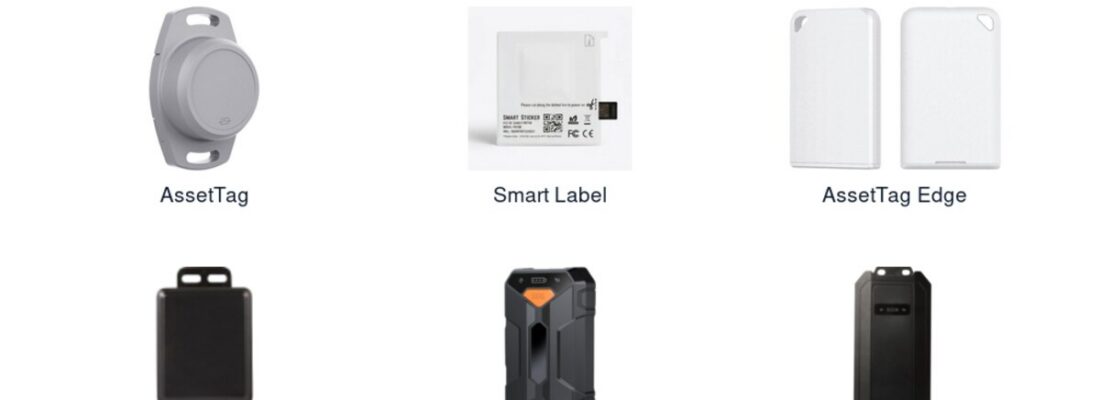
- Disposable trackers are single-use devices, often in a simple label format. GPX Smart Labels track individual shipments, pallets, or packages on a per-trip basis. They fit any job where you will not recover the tracker. Expect $10 to $30 per unit.
- Battery-powered trackers are the workhorse for non-powered assets like trailers, returnable containers, and equipment. Battery life drives the price, ranging from a few weeks to 10 or more years. Sensors for temperature, humidity, or shock push it higher. Prices run from $50 to $250 per device.
- Hardwired trackers serve powered assets like vehicles and heavy machinery. They wire into the asset’s battery for continuous operation and report engine diagnostics on top of location. Costs run from $75 to $300, plus professional installation.
- Satellite trackers cover assets that operate beyond cellular range, such as oil & gas, maritime, and long-haul trucking. Satellite-only or dual-mode units carry a premium. Hardware often starts at $200 and climbs past $500.
Subscription Fees: The Monthly Software Bill
The monthly subscription turns hardware into an intelligence tool. It covers the software platform, cellular or satellite connectivity, support, and ongoing updates. Most B2B vendors price it per asset, per month.
Fees run from $5 a month for a basic plan with infrequent updates to more than $50 a month for a premium tier with satellite data, AI analytics, and API access. Compare what each tier actually includes before you judge the number.
Factors Influencing Subscription Costs
- Update frequency: a tracker pinging every 30 seconds burns far more data than one reporting once a day. Most platforms let you configure the rate to balance visibility against cost.
- Network type: satellite data costs more than cellular. Dual-mode platforms tier their pricing by which network carries the traffic.
- Data and analytics: basic plans show dots on a map. Advanced tiers, like those powered by GPX Scout AI, deliver predictive ETAs, prescriptive maintenance alerts, geofencing, and anomaly detection. That intelligence sets the price.
- User licenses: some platforms charge per user seat on top of the per-asset fee. Confirm any cap on how many people can access the platform.
- API access and integrations: feeding tracking data into your ERP, TMS, or WMS is powerful, and vendors usually reserve it for higher tiers.
Hidden Costs & Other Fees to Consider
The numbers on a pricing sheet rarely tell the whole story. To calculate your true cost of ownership, pin down the ancillary fees that add up fast. A transparent vendor names them upfront.
Ask any provider about the following.
- Activation fees: some companies charge a one-time fee to activate each device on their network.
- Installation costs: peel-and-stick and magnetic units go on in seconds, but hardwired trackers need professional installation. That runs $100 to $300 per asset, depending on complexity.
- Integration and setup: connecting the platform to your business systems carries a professional services fee. It spans a few thousand dollars for a simple job to far more for a complex enterprise rollout.
- Training: modern platforms are intuitive, yet enterprise rollouts often call for formal training to drive adoption. Find out whether it is included or billed separately.
- Contract terms: legacy providers lock customers into 3 to 5 year deals with steep early-termination penalties. Favor vendors confident enough to offer flexible agreements.
Common Pricing and Vendor Challenges
Procuring an asset tracking solution brings a few predictable challenges. The first is opaque pricing. Many providers refuse to publish standard rates, forcing you through a long sales process just to get a quote. That opacity usually rides alongside long contracts that limit your flexibility as needs change.
The second challenge is comparing dissimilar solutions. One vendor posts a low hardware cost but a high monthly fee with thin features, while another bundles everything into a “Sensor-as-a-Service” model. Apples-to-apples comparison gets hard. Focus on the intelligence delivered, not the raw location data. A platform that shows dots on a map is a commodity; a platform that predicts theft, optimizes routes, and lifts asset utilization delivers measurable ROI.
A third challenge surfaces as you scale. Pricing that fits 100 assets can balloon at 10,000, so confirm how per-asset rates and platform fees change with volume before you sign. Data security and ownership deserve equal scrutiny: ask who owns the tracking data, where it lives, and whether the vendor is SOC 2 compliant. Device lifecycle is the quiet cost. Battery replacement, firmware updates, and RMA handling for failed units all add up, so a clear replacement path matters as much as the sticker price on the device.
The Future of Asset Tracker Pricing: AI & Value-Based Models
The industry is moving away from flat per-device pricing toward models that reflect the value created. AI-powered analytics accelerate the shift. Businesses no longer want to pay for a location ping; they pay for a data-backed answer to the questions that matter: “Will this shipment arrive on time?” “Is this container at risk of theft?” “Which of my assets sit idle?”
Platforms that fuse GPS, BLE, temperature sensors, shock alerts, and traffic data into one clear view power this move. That same capability opens flexible pricing, such as pay-per-shipment plans built on low-cost disposable trackers. Through 2026 and beyond, pricing will tie directly to the financial and operational impact the solution delivers, turning a cost center into a documented profit driver.
How to Know Which GPS Tracking Solution Fits Your Budget
Choose your partner by total cost of ownership and return on investment, not the sticker price. A solution that stops the loss of one high-value shipment or lifts fleet utilization by 5 percent pays for itself fast. Work through this checklist before you sign.
- Define your core problem. Decide whether you are stopping theft, improving utilization, automating yard management, or sharpening customer ETAs. That goal sets the features you need and the price you should expect.
- Calculate total cost of ownership. Build a spreadsheet with hardware costs, 36 months of subscription fees, and any activation, installation, or integration charges. That is the only fair way to compare vendors.
- Focus on ROI, not cost alone. Ask vendors to model the return with you. A credible partner shows case studies and data from customers in your industry and explains how the platform cuts costs, mitigates risk, or lifts revenue.
- Request a pilot program. Test the solution on a small set of assets. A pilot proves performance and fit before you commit to a full rollout.
- Scrutinize the contract. Read the service level agreement closely. Weigh contract length, termination clauses, data ownership, and any price-increase language before you agree.
Take a structured approach to evaluation, and you move past confusing price sheets to a platform that gives your business the clarity and predictive intelligence it needs.
GPX Intelligence offers transparent, scalable pricing built to deliver measurable ROI. See how our AI-powered platform maps to your assets and budget, and schedule a custom demo with our solutions team today.
For simpler consumer or small-business needs, budget GPS brands like Logistimatics or Kayo cover basic vehicle and personal tracking, though without the scale, multi-year battery life, and analytics that a business-grade platform provides.
Frequently Asked Questions (FAQs)
What does GPX Intelligence cost per asset per month?
Our subscription pricing scales with your operation. Plans run from $5 to $25 per asset per month, based on the hardware you choose, your data update frequency, and the level of AI analytics you need. We quote clear, all-inclusive rates with no hidden fees.
How long does a GPS asset tracker battery last, and how is replacement handled?
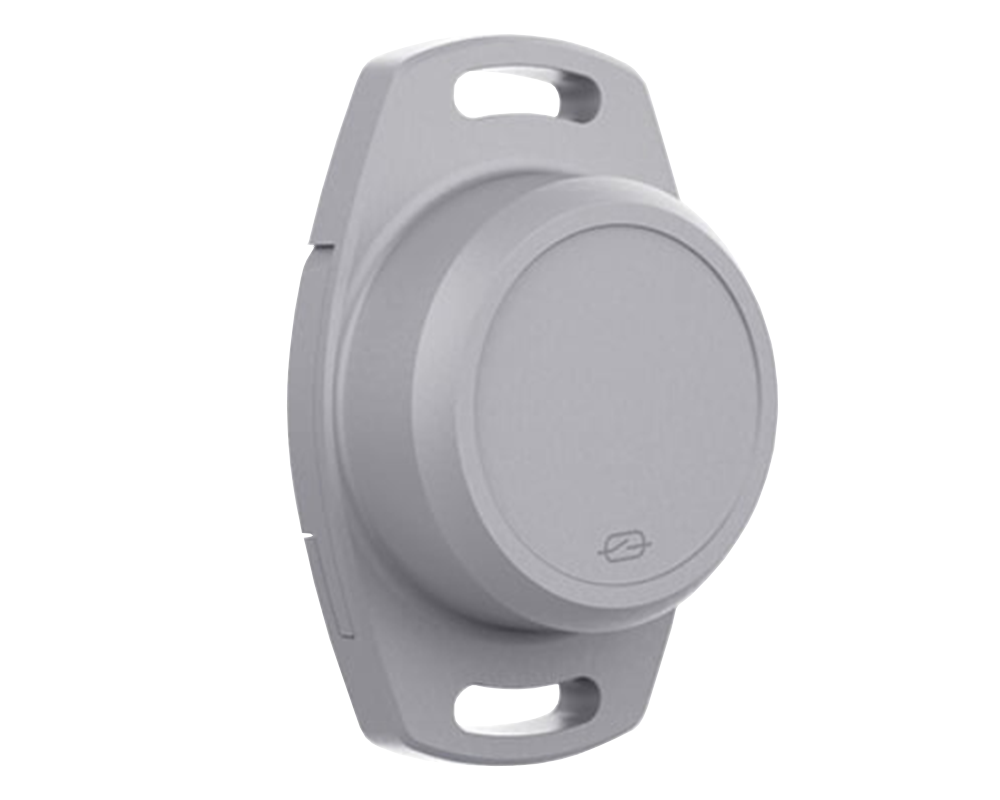
Battery life depends on the device and how often it reports. Disposable Smart Labels cover a single trip. The GPX AssetTag delivers a 4-year battery life on a replaceable watch battery, and the AssetTrack GPS family runs up to 10 years on daily reporting. Hardwired units draw continuous power from the asset, so plan battery replacement into your total cost of ownership.
Does GPX integrate with existing ERP or supply chain software?
Yes. GPX connects directly to your stack through an open API. It feeds real-time location data and AI-driven insights into your ERP, TMS, or other operational systems, giving your supply chain one source of truth.