New

Learned Shipment Corridors. Alerts that know how your freight moves →

Indoor asset tracking with BLE + GPS

Indoor asset tracking with BLE and GPS, from the aisle to the road

Indoor asset tracking usually stops at the dock door, and GPS usually starts there. GPS tells you where a truck, trailer or machine is on the road. Bluetooth tells you which pallet, tool or bin is sitting in the aisle next to it. GPX joins the two: small BLE tags report through the GPS trackers and gateways around them, so every tagged asset lands on the same live map, inside the building and out in the yard.

  • One map for GPS trackers and Bluetooth tags
  • Up to 4 years on a coin cell for AssetTag and AssetTag Edge
  • No scanning: tags are picked up automatically when a tracker passes
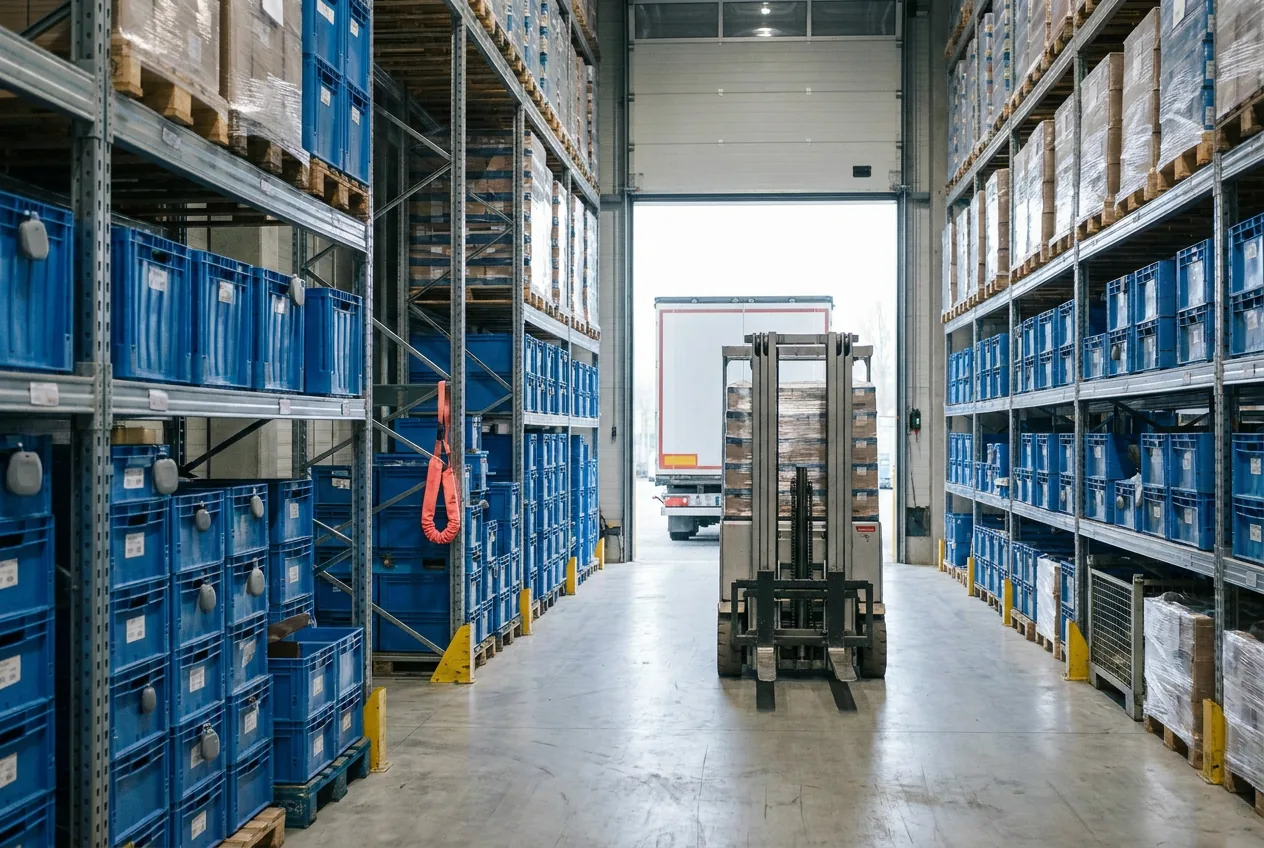
Forklift moving a pallet down a warehouse aisle lined with bins and pallets carrying small Bluetooth tracking tags, with a trailer at the open dock door

Two radios, two jobs

BLE vs GPS: what each one is good at

GPS and Bluetooth Low Energy (BLE) are often pitched as rivals. In practice they solve different halves of the same problem, and most operations need both.

GPS trackers

A GPS tracker works out its own position from satellites, often helped by WiFi positioning where the sky is hidden, and reports over the cellular network. That makes it the right tool for anything that travels on its own: vehicles, trailers, heavy equipment and containers crossing states.

The trade-off is size, power and a data plan per device. Putting a cellular GPS tracker on every tool case or tote is rarely worth it.
Bluetooth (BLE) tags

A BLE tag is small, cheap and frugal. It carries no cellular radio and no GPS. It simply broadcasts, and any BLE-enabled GPX tracker or gateway within range hears it and reports its location for it. A coin cell runs AssetTag and AssetTag Edge for up to four years.

The trade-off is that a tag is only seen when something that can hear it is nearby. That is exactly what a BLE + GPS network is designed around.

 GPS tracker aloneBLE tag aloneBLE + GPS network
Where it works bestOutdoors and on the roadClose to a reader, often indoorsIndoors, in the yard and in transit
Cost per tracked assetHighest: device plus data planLowest, but needs something to hear itLow: one tracker covers many tags
PowerLarge battery or wired powerCoin cell for yearsCoin cells on assets, power on the hub
Small assets such as tools and binsRarely practicalIdeal sizeIdeal size, with a location attached
Location detailStreet-level positionPresence near a readerPosition of the tracker or gateway that heard the tag
Best fitVehicles, trailers, heavy equipmentItems that never leave one siteMixed fleets of big and small assets

How the network works

Three ways to build a BLE and GPS network for indoor and outdoor tracking

Every GPX BLE deployment is built from the same parts: tags on the assets and something nearby that can hear them. Where you put the listeners decides what you see.

  1. 1

    GPS tracker as a mobile hub

    A BLE-enabled AssetTrack on a trailer, or a BLE RoadWired wired into a truck or forklift, reports its own GPS position and the tags it hears nearby. As it moves through your yards, job sites and customer sites, every tag it passes gets a fresh location. Your vehicles become roaming gateways.

  2. 2

    Fixed anchor inside a building

    A tracker or GPX BLE gateway fixed in one place, such as a dock door, a tool crib or a storage bay, relays every tag within range. Because the anchor never moves, a tag it hears is placed in that zone, which maps the inside of a warehouse without scanning.

  3. 3

    BLE tags as reference points

    Tags placed at known points can act as anchors too. When a GPS tracker is indoors and satellites are weak, the known tags around it help place the tracker, so location reports stay useful inside large facilities.

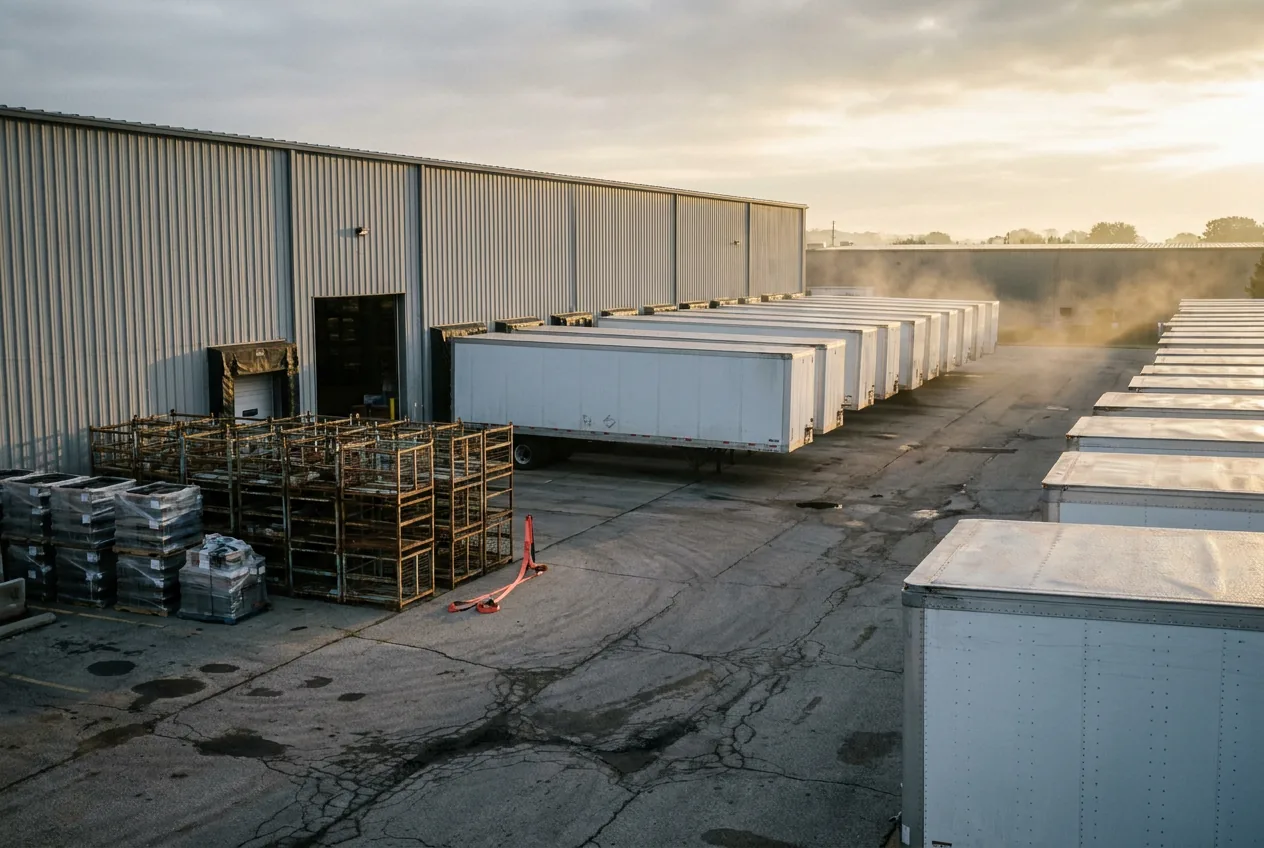
Industrial yard with rows of white trailers and steel returnable racks beside a warehouse with open dock doors, where assets move between outdoor and indoor tracking

On the map

What indoor asset tracking with BLE shows you

Once tags and trackers share a platform, the questions that used to need a walk around the site can be answered from a screen.

Which building, bay or yard

Each tag appears at the position of the tracker or anchor that heard it last, with the time it was seen. Name your zones, and a report reads "Bay 4, 10:12 this morning" instead of a coordinate.

What left with which truck

When a BLE RoadWired truck drives off, the tags that travel with it keep reporting from its position. You can see which tools, pallets or cases went to which job, without anyone scanning them out.

What has not been seen

A tag that stops being heard is itself a signal. Last-seen time and place point you to the site where a missing item was left, while recovering it is still easy.

Condition as well as location

The same network carries sensor tags. AssetTemp reports temperature and humidity over BLE to a paired tracker or gateway, so a reading arrives with every location fix. See temperature and humidity tracking.

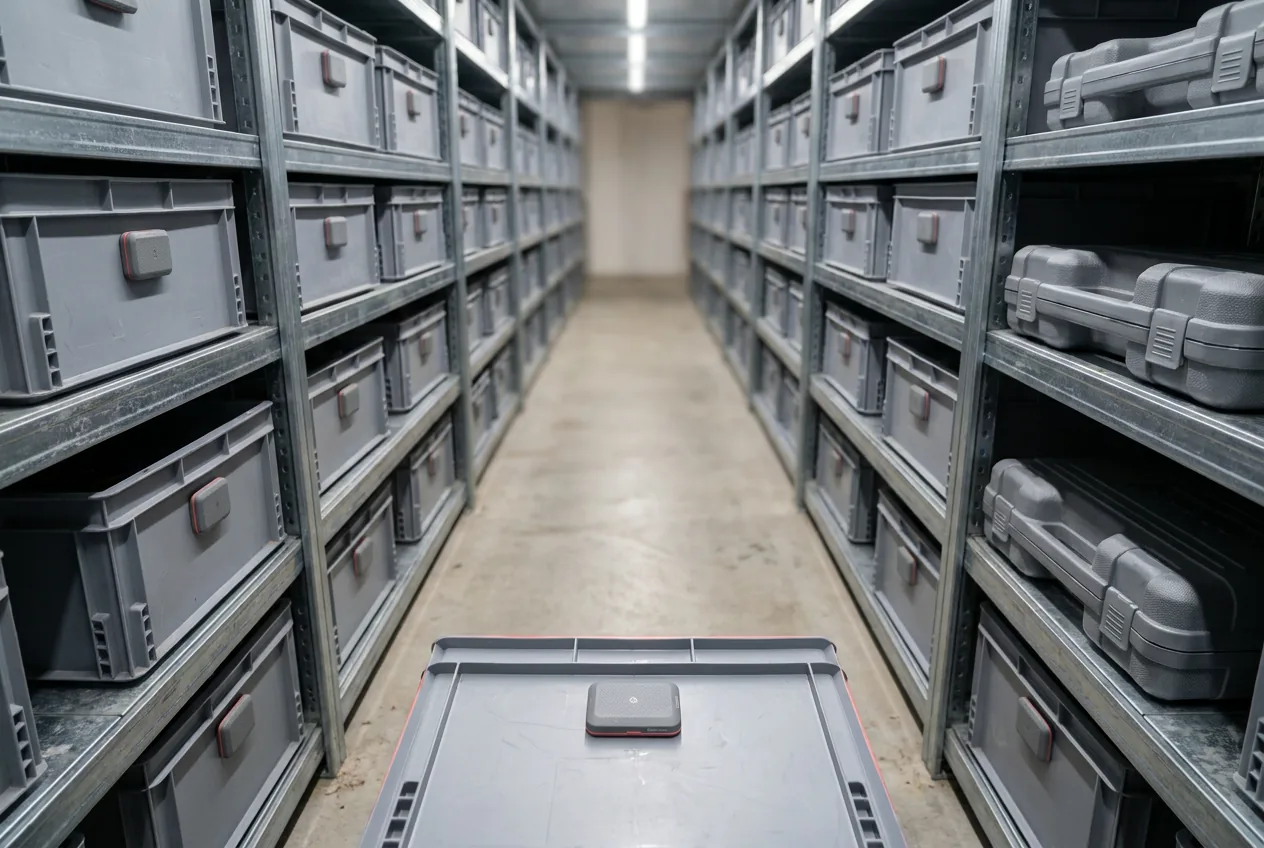
Warehouse shelving holding grey totes and tool cases, each fitted with a small Bluetooth tracking tag for BLE location tracking

Where it is used

Where a BLE and GPS network pays off

The pattern is always the same: a few assets that move on their own, carrying or passing many small assets that do not.

Warehouses and distribution

Forklifts fitted with BLE RoadWired pick up tagged pallets, bins and returnable racks as they work, and fixed anchors cover dock doors and storage bays. See warehouse tracking.

Construction and job sites

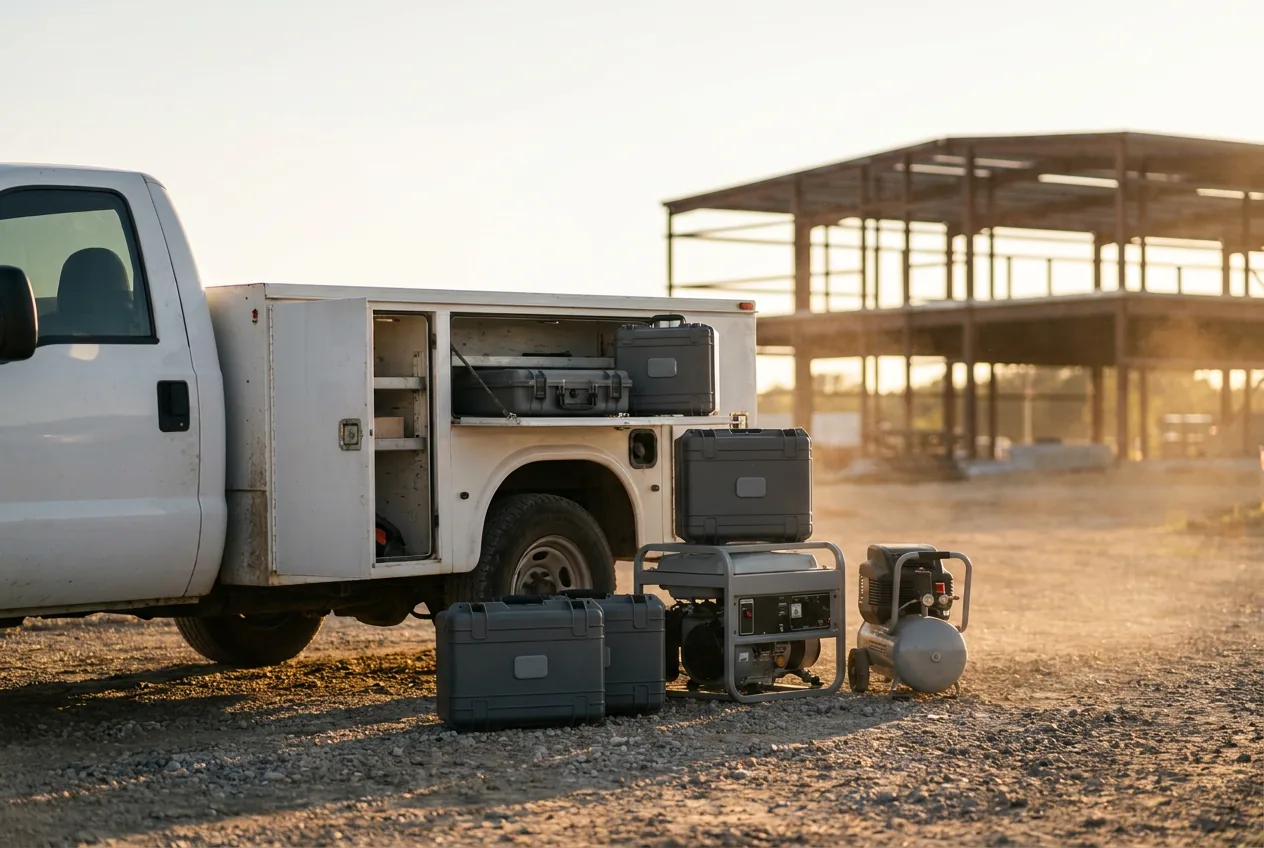
A tracker on the service truck or site trailer hears the tagged tools, generators and attachments around it, so the equipment list for each site builds itself. See equipment tracking.

Trailer and container yards

Trailers carry GPS for the road, while tagged racks, dunnage and dollies are seen whenever a tracker is nearby. See trailer tracking.

Fleets and service vans

A wired tracker in each van makes it a moving gateway, so the tagged kit on board is accounted for at every stop. See fleet tracking.

Inventory and work in progress

Tag the kits, cages and totes that move between departments, and see where each one is without a cycle count. See inventory tracking.

Healthcare and labs

Mobile equipment and sensitive supplies move between rooms and buildings. BLE tags give zone-level location, and AssetTemp adds the condition record.

Service truck on a construction job site with tool cases, a generator and a compressor fitted with Bluetooth tags that report through the truck's GPS tracker

No tracker nearby?

When assets travel where your trackers do not

A BLE and GPS network works best where your own vehicles and sites are. Returnable containers and shipments often spend most of their life at suppliers, customers and carriers you do not control.

Tags that need your trackers

AssetTag, AssetTag Edge and AssetTemp report through BLE-enabled AssetTrack devices, BLE RoadWired and GPX gateways. They are the lowest-cost way to cover many small assets inside your own operation.

A tag that needs nothing

AssetTag Pro reports over a terrestrial network of more than 100 million gateways already in the field, so it stays visible at sites where you own nothing. Read about gateway-less BLE asset tracking.

Hardware

The devices in a GPX BLE and GPS network

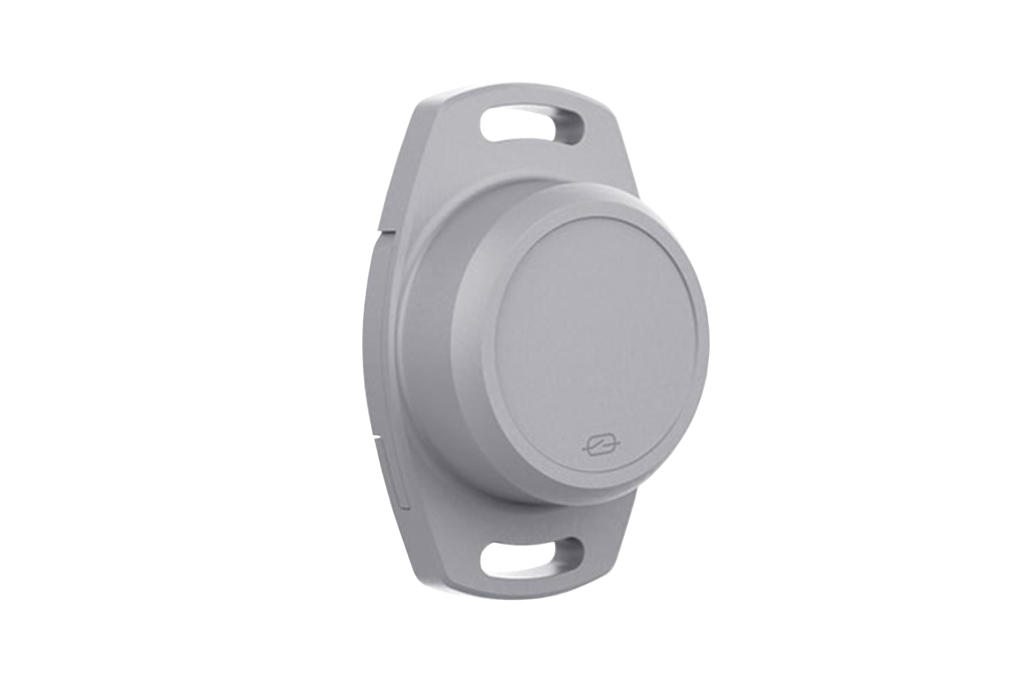
GPX AssetTag rugged Bluetooth asset tracking tag

AssetTag

A rugged IP67 Bluetooth tag with screw-down flanges, seen by any BLE-enabled AssetTrack within 80 feet. Up to four years on a replaceable coin cell.

AssetTag specs →
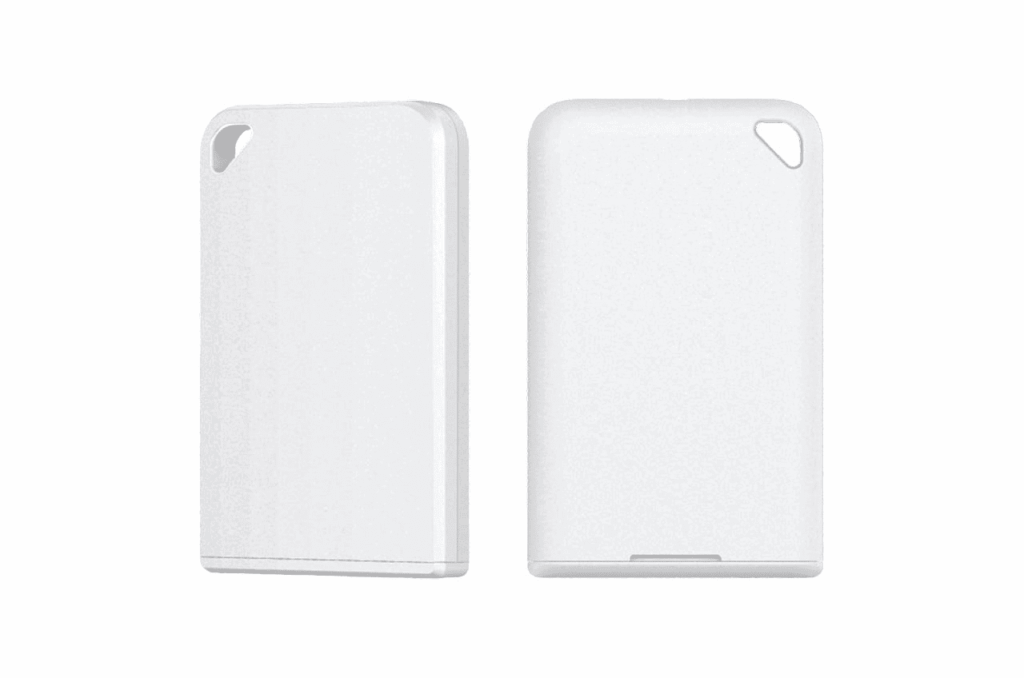
GPX AssetTag Edge slim white Bluetooth asset tracking tag

AssetTag Edge

An 8.5 g, 6 mm thin tag for tools, bins and cases. Detection range of 150 feet outdoors and 75 feet indoors, and up to four years on a CR2032.

AssetTag Edge specs →
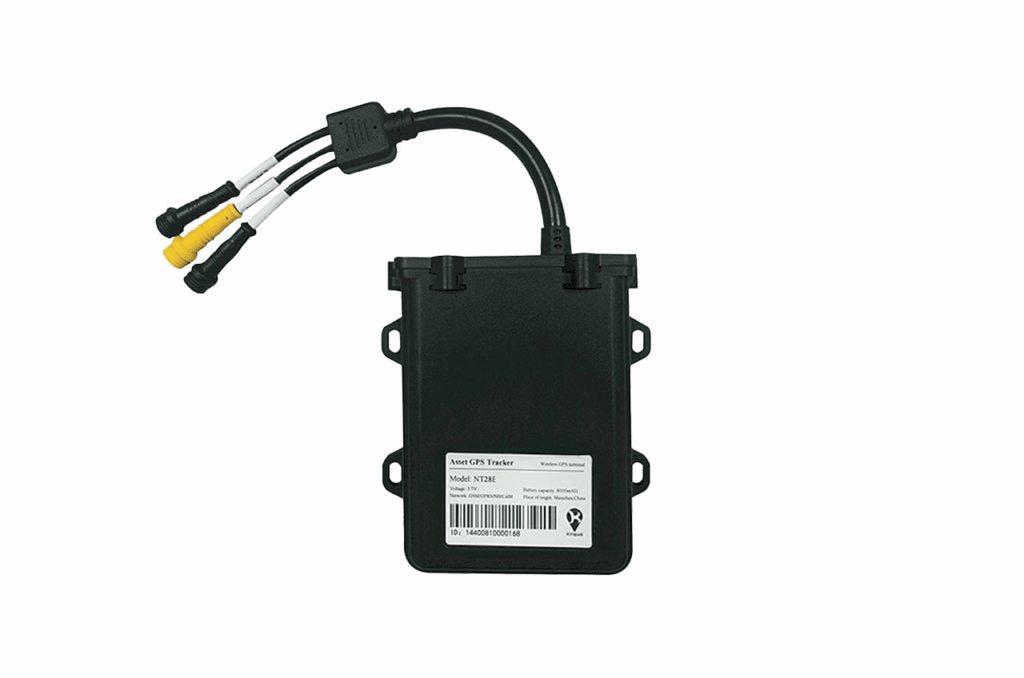
GPX BLE RoadWired hardwired GPS tracker that also works as a mobile Bluetooth gateway

BLE RoadWired

Hardwired GPS for trucks, vans and forklifts, reporting every 30 seconds on the move. Its Bluetooth 5.0 radio reads the GPX tags around it, so every equipped vehicle is a roaming gateway.

BLE RoadWired specs →
GPX AssetTrack long-battery GPS asset tracker with Bluetooth

AssetTrack and AssetTrack Charge

Battery GPS trackers for trailers, containers and equipment, with Bluetooth 5.0 to relay the tags nearby. AssetTrack runs up to ten years at one report a day; AssetTrack Charge is the rechargeable version.

AssetTrack specs →

Add condition data with AssetTemp, or compare every GPX tracking device.

Pricing

BLE and GPS tracking pricing

Because one tracker can cover many tags, the cost of a BLE and GPS network depends on how many hubs you need and how many assets they cover. We size it with you rather than quote a list price that does not fit.

Tags on your own network

Quoted per deployment

  • AssetTag, AssetTag Edge and AssetTemp relayed by your trackers
  • Uses the AssetTrack and BLE RoadWired devices you already run
  • Same platform, alerts and history

AssetTag Pro

As low as $45/yr per asset

  • Hardware included
  • No trackers or gateways needed
  • Battery: AssetTag Pro up to 3 years, AssetTag Pro Max up to 5 years

Final pricing depends on volume and term. Get a quote for your sites.

Questions and answers

BLE and GPS tracking, answered

What is indoor asset tracking with BLE and GPS?

Indoor asset tracking with BLE and GPS combines two kinds of device on one platform. GPS trackers work out their own position and report over the cellular network, and small Bluetooth Low Energy (BLE) tags on smaller assets are heard by those trackers, or by fixed gateways, and reported at their position. The result is one live map that covers vehicles and trailers as well as the pallets, tools and bins around them.

What is the difference between BLE and GPS tracking?

A GPS tracker locates itself from satellites and needs a cellular connection and a larger battery or wired power, so it suits assets that travel on their own. A BLE tag has no GPS or cellular radio. It broadcasts, and a nearby tracker or gateway reports where it was heard. BLE tags are smaller and run for years on a coin cell, which makes them practical for many small assets that a GPS tracker would be too costly for.

Do I need gateways for BLE tracking?

Not necessarily. Any BLE-enabled AssetTrack or BLE RoadWired that comes within range of a tag relays it, so your own vehicles and trailers act as gateways. Fixed GPX gateways are useful where you want steady coverage of a building or zone. If you have no trackers near the assets at all, AssetTag Pro reports over a terrestrial network of more than 100 million gateways and needs no hardware of your own.

How far can a BLE tag be from the tracker?

AssetTag is detected up to 80 feet from a BLE-enabled AssetTrack. AssetTag Edge is detected up to 150 feet outdoors and 75 feet indoors. AssetTemp, the temperature and humidity sensor, reaches up to 120 meters (about 390 feet) in the open. Walls, metal racks and dense stock shorten these ranges.

How precise is BLE location indoors?

A BLE tag is placed at the position of the tracker or gateway that heard it, so its location is as precise as the range of the tag allows. With fixed anchors at known points such as dock doors, bays or tool cribs, that is enough to tell which building, bay or yard an asset is in, which is the level most operations need.

How long do BLE tag batteries last?

AssetTag and AssetTag Edge run up to four years on a replaceable coin cell. AssetTag Pro runs up to 3 years, and AssetTag Pro Max up to 5 years. The trackers that relay the tags carry larger batteries or are wired to vehicle power, so they do the heavy lifting.

How much does BLE and GPS tracking cost?

It depends on how many trackers and gateways you need and how many tags they cover, so tags on your own network are quoted per deployment. AssetTag Pro, which needs no trackers, costs as low as $45 per asset per year with the hardware included. Final pricing depends on volume and term.

Put every asset on one map, big or small

Start with one site. Tag the tools, bins or racks, let your trackers pick them up for a few weeks, then decide how far to take it.

Get Pricing