
Tracking assets across the North American rail network is hard. The U.S. rail system moves over 40% of long-distance freight, yet shippers and car owners often run on incomplete information. By some estimates, over 90% of the world’s 5.2 million railcars lack real-time visibility into location, status, and condition.
That gap forces you to rely on outdated, event-based reports that leave you in the dark for days or weeks. The cost shows up fast: unexpected delays, poor fleet utilization, higher theft risk, and cargo damage when cars sit idle in unmonitored yards. Without a real-time picture of your fleet, you can’t manage cycle times, control costs, or give customers accurate updates.
CLM vs. GPS Telemetry: Why Your Railcar Data Has Gaps
For decades, railcar visibility has relied almost entirely on Car Location Messages (CLM). Railroads generate a CLM when a car passes a fixed point, such as an interchange, terminal, or automated equipment identification (AEI) reader. The system is useful, but it has one hard limit: it reports events, not continuous movement.
If your railcar sits on a siding for two weeks between CLM events, you get no new location or status data. That creates blind spots. You can’t tell whether a car is moving, delayed, or tampered with. It’s like reading a map that only updates when you reach a major city.
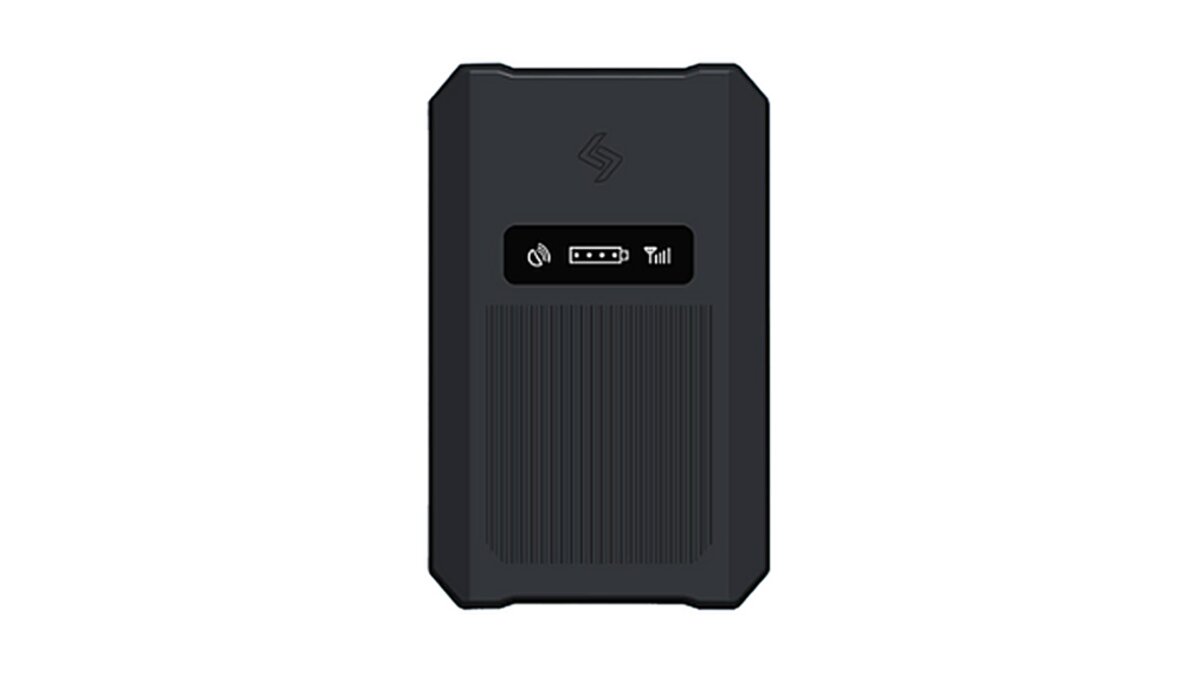
Modern GPS railcar tracking devices close that gap. They report continuous, independent location data straight from the asset. These rugged, battery-powered trackers use cellular or satellite networks to show your railcar’s position, moving or parked. They also pull data from multiple sensors to report on:
- Impact and shock events
- Hatch or door open/closed status
- Internal temperature and pressure (for heated or pressurized cars)
- Loaded vs. empty state detection
This telemetry gives you the ground truth on each asset’s condition and location, independent of railroad reporting schedules. You shift from reacting to problems to managing your fleet ahead of them.
What to Look For in a Railcar Tracking Platform
A few features separate basic trackers from enterprise-grade visibility platforms. Railcars are unpowered assets with service lives measured in decades, so the hardware and software have to be purpose-built for the job.
- Battery life: The device needs a self-contained power source that lasts for years. Look for 7 to 10 years of battery life at practical reporting intervals, such as one report per day. Solar-assisted charging extends that life even further.
- Connectivity and fallback: Rail lines run through remote areas with weak or no cellular coverage. Strong platforms use dual-mode devices that fall back to satellite when cellular drops, so you never lose the signal.
- Hazardous location certification: For tank cars or flammable loads, intrinsic safety is non-negotiable. Confirm the hardware is certified for hazardous locations, such as C1D1, C1D2, ATEX, or IECEx, to rule out any ignition risk.
- AAR compliance and durability: Any device mounted on a railcar must meet Association of American Railroads (AAR) requirements. Choose providers that guarantee AAR-compliant mounting and use rugged, IP67-rated enclosures built for extreme weather, vibration, and impact.
- IoT sensor integration and data fusion: The platform should report more than location. Fusing door, temperature, impact, and load-status sensor data with railroad reporting turns raw tracking into decisions you can act on.
Technical and Operational Challenges in Railcar Tracking
A successful railcar tracking program has to clear several industry-specific hurdles. Buying a tracker isn’t enough. The solution has to fit the operational realities of rail.
- The no-power problem: Unlike trucks, railcars carry no onboard power. Trackers run on long-life, field-replaceable batteries or solar power for years without service. Battery chemistry and power management software drive your total cost of ownership.
- Connectivity dead zones: Much of North America’s rail network crosses rural and remote territory where cellular coverage fails. A cellular-only solution leaves major gaps. A hybrid cellular-and-satellite approach delivers true end-to-end visibility.
- Intrinsic safety for hazmat: Tank cars carrying hazardous materials need devices that are “intrinsically safe,” engineered so they can’t produce a spark that ignites flammable vapors. That calls for specific, often pricier, hardware certifications.
- AAR mounting and approval: You can’t bolt just anything to a railcar. The AAR sets strict rules on where and how devices mount so they don’t interfere with safety or operations. A reputable provider offers AAR-approved mounting methods and guidance.
- Reconciling multiple data sources: The clearest view combines real-time GPS telemetry with official, event-based CLM data from the railroads. An advanced platform ingests and reconciles both streams into one auditable record of each railcar’s journey.
- Installation and commissioning at scale: Mounting and activating trackers across thousands of railcars spread over a continent takes a repeatable field process, not a one-off install. Plan for crews, scheduling, and verification at every yard where cars sit.
- Integrating the data into business systems: A raw location feed only pays off once it flows into your TMS, ERP, and operational dashboards through documented APIs. Without that connection, the data sits in a separate portal nobody checks.
- Calculating true total cost of ownership: The hardware sticker price is only part of the math. Data plans, software subscriptions, installation labor, and battery replacement cycles all shape the real cost over a railcar’s decades-long service life.
| Platform | Data Source | Power | Extra Telemetry | Best-fit Fleet |
|---|---|---|---|---|
| GPX AssetTrack | Cellular, WiFi | 10-year battery | Impact, geofence, temperature | General freight, intermodal |
| Wabtec | Multi-GNSS, Cellular | Solar-assist LTO battery | Brakes, doors, temp, pressure | Smart railcars, tank cars |
| ORBCOMM | Cellular, Satellite | Long-life battery | Temp, door, cargo status | Mixed-mode (rail/trailer) |
| Trimble Rail | GPS, Cellular | Long-life battery | Workflow events, track geometry | Rail ops, yard management |
| Samsara | GPS, Cellular | Rechargeable/Hardwired | Geofencing, movement alerts | Fleets wanting a unified platform |
| Verizon Connect | GPS, Cellular | Rechargeable/Hardwired | Geofencing, advanced reports | Diverse fleets needing customization |
| Contguard | GPS/GPRS, Multi-sensor | Long-life battery | Temp, humidity, light, impact | High-value, multimodal cargo |
1. GPX AssetTrack
The GPX AssetTrack platform gives shippers and operators long-term visibility for general freight and intermodal containers on rail. It delivers the location and status data you need to improve cycle times, cut dwell, and tighten security on unpowered assets. Durable hardware pairs with a clean software interface, so you deploy and manage a large, distributed fleet without complex integration or external power.
- Location: Austin, TX
- Best for: General rail-borne asset and shipment visibility, intermodal containers, and large fleets that value ease of use and long-term reliability.
- Connectivity: Cellular (4G LTE-M, NB-IoT) with WiFi positioning for location augmentation.
- Standout features: Up to 10-year battery life on a single charge, rugged IP67-rated enclosure, simple magnetic or bolt-on mounting, and advanced geofencing.
Advantages
- Long battery life cuts maintenance and replacement costs.
- Easy software simplifies fleet management for non-technical users.
- Durable, compact hardware withstands harsh rail environments.
- Delivers a low-overhead path to real-time visibility on previously unmonitored assets.
2. Wabtec Corporation
Wabtec Corporation is a heavyweight in rail, with a suite of solutions built around “smart connected assets.” Its railcar tracking runs deep in rail operations, reporting not just location but the health and status of the car itself, including brake performance, hatch status, and cargo conditions. That depth makes Wabtec a strong pick for operators who want diagnostic-level insight, especially on specialized fleets like tank cars.
- Location: Pittsburgh, PA
- Best for: Rail shippers and operators that want deep, real-time visibility into railcar status and cargo quality, especially for freight and tank cars.
- Connectivity: Multi-GNSS (GPS, GLONASS, and more) and multi-band cellular.
- Standout features: Lithium Titanium Oxide (LTO) battery chemistry with solar power, handbrake and door monitoring, cargo temperature and pressure sensors, and predictive maintenance analytics.
Advantages
- Deep specialization and a long history in rail.
- Monitors both location and asset health.
- Ruggedized sensors built for harsh rail environments.
Disadvantages
- The platform is complex and overbuilt for simple location tracking.
- The enterprise focus brings a higher cost of entry.
3. ORBCOMM Inc.
ORBCOMM offers asset tracking across many industries and transportation modes. In rail, its strength is hybrid connectivity. By pairing cellular and satellite in the hardware, ORBCOMM keeps railcars visible through remote regions with no cell service. One platform manages trailers, containers, and railcars together, which suits companies running intermodal operations.
- Location: Rochelle Park, NJ
- Best for: Companies with mixed fleets (rail, road, sea) that need global coverage and connectivity in remote areas.
- Connectivity: Hybrid cellular and satellite.
- Standout features: One cloud platform for multiple asset types, strong temperature and cargo sensor integration, and solid analytics.
Advantages
- Excellent global coverage from hybrid cellular-satellite hardware.
- One platform simplifies mixed-asset fleet management.
- Strong cold chain and refrigerated cargo monitoring.
Disadvantages
- More of a general asset tracker than a rail-first platform.
- Carries more features than a rail-only operation needs.
4. Trimble Inc.
Trimble is known for GPS and geospatial technology, and its rail division brings that expertise to the railway. Trimble Rail goes past tracking railcars to support rail-specific workflows, yard management, and track infrastructure monitoring. That fits rail operators who want a complete view of the whole operation, from the asset to the track it runs on.
- Location: Westminster, CO
- Best for: Rail operators that need workflow support, yard operations management, and infrastructure monitoring alongside railcar location.
- Connectivity: GPS hardware with cellular communication.
- Standout features: Rail-specific workflow and dispatch tools, automated track geometry monitoring, and integration with Trimble’s broader geospatial product suite.
Advantages
- Strong focus on rail-specific applications beyond basic tracking.
- Automated monitoring improves safety and cuts manual inspections.
- Integrates well with other Trimble hardware and software.
Disadvantages
- The breadth of the platform makes implementation complex.
- Some solutions center on rail infrastructure more than the cargo inside the cars.
5. Samsara
Samsara is a major name in fleet management and asset tracking. It isn’t rail-specific, but its asset gateways adapt to railcar tracking workflows. The platform is known for a clean interface, high-frequency location updates, and a full set of geofencing, reporting, and integration tools. It suits companies already running Samsara for their vehicle fleet that want railcars on the same platform.
- Location: San Francisco, CA
- Pricing: Reportedly starts around $27 to $33 per month per device, plus hardware.
- Best for: Mid-to-large fleets already using Samsara, or teams that want one intuitive platform for many asset types.
- Connectivity: Cellular and GPS.
- Standout features: High-frequency location updates, an easy mobile app, and an open API for integrations.
Advantages
- Clean, modern software.
- All-in-one platform for vehicles and assets.
- Strong geofencing and alerting.
Disadvantages
- Built for road fleets, not specialized for rail.
- Subscription and contract terms run more expensive.
- Lacks rail-specific features like AAR compliance or intrinsic safety certifications.
6. Verizon Connect
Verizon Connect brings telecom-scale infrastructure to a highly customizable tracking platform that covers many asset types, including rail. It fits large enterprises with diverse fleets and complex requirements that need tailored workflows and reporting. Broad North American coverage makes it reliable for assets moving between the US, Canada, and Mexico.
- Location: Atlanta, GA
- Best for: Businesses with large, diverse fleets that need a customizable platform and strong North American coverage.
- Connectivity: Cellular and GPS.
- Standout features: Customizable reporting and workflow scripts, AI-powered dashcam integration for vehicles, and detailed geofencing with event-driven alerts.
Advantages
- Flexible platform that adapts to specific needs.
- Combines vehicle and asset tracking on one platform.
- Backed by the extensive Verizon cellular network.
Disadvantages
- Typically requires long-term contracts.
- The deep feature set makes the platform harder to learn.
- User reviews report inconsistent customer support.
7. Contguard
Contguard focuses on end-to-end visibility with a strong emphasis on cargo security and condition monitoring. Its solution fits companies shipping high-value or sensitive goods that need more than location data. Multi-sensor IoT devices detect and alert on unauthorized door openings, light exposure, impacts, and swings in temperature or humidity, which suits multimodal journeys that include a rail leg.
- Location: Hod HaSharon, Israel
- Best for: Shippers of high-value or sensitive goods that need stronger security, risk mitigation, and condition monitoring across multimodal routes.
- Connectivity: GPS/GPRS with offline data logging.
- Standout features: Real-time light, temperature, humidity, and impact monitoring; AI-based ETA calculations; theft prevention with a 24/7 control center; and sanctions compliance monitoring.
Advantages
- Excellent for security and cargo integrity.
- Works well in low-connectivity environments.
- Delivers objective data to verify transit progress and condition.
Disadvantages
- Focused more on the container and cargo than the railcar itself.
- As an international company, support logistics differ for US-based clients.
How to Choose the Right Railcar Tracking Platform
The right railcar tracking platform depends on your use case, fleet mix, and operational goals. No single solution wins for everyone. Start by defining the problem you need to solve.
If you want to close the visibility gap on a general fleet of boxcars or flatcars, a straightforward, long-battery-life option like GPX AssetTrack delivers the core location and status data at a low total cost of ownership. If you run tank cars with hazardous materials, you need deep rail integration and intrinsic safety certifications, which is where Wabtec fits.
For complex, multimodal supply chains, a hybrid-satellite provider like ORBCOMM or a security-first option like Contguard fits best. And if you want rail assets inside an existing fleet system, Samsara or Verizon Connect give you one unified dashboard. Weigh your needs against the core criteria: battery life, connectivity, certifications, and the depth of data you need to move from reactive to predictive.
Ready to close the data gaps in your rail operations? See how better tracking helps you avoid unnecessary fees in our guide to demurrage vs. detention charges, and explore how our shipment tracking solutions deliver end-to-end visibility.
Frequently Asked Questions
What is the difference between CLM and GPS for railcar tracking?
Car Location Messages (CLM) are event-based reports from railroads that tell you when a car passes a fixed point. GPS tracking reports continuous, real-time location straight from a device on the railcar. It fills the gaps between CLM reports and shows where your asset sits at all times.
How long do railcar GPS tracker batteries last?
Battery life is critical for unpowered railcars. Leading railcar trackers, including the GPX AssetTrack line, last 7 to 10 years at a reporting frequency of once or twice per day. Some devices add solar panels to extend that life further.
Are special certifications needed for tracking tank cars?
Yes. For tank cars or any railcar carrying hazardous materials, the device needs an “intrinsic safety” certification, such as C1D1 or ATEX. That certification means the device can’t create a spark that would ignite flammable materials, which is a core safety requirement.
What factors determine the cost of a railcar tracking system?
Cost comes from more than the tracker itself. The main drivers are the hardware and its certifications (intrinsic safety and AAR-compliant mounting add cost), the cellular or satellite data plan, the software subscription, field installation labor, and battery replacement over the asset’s service life. A general-freight fleet on daily reporting sits at the low end, while hazmat tank cars with continuous sensor reporting sit higher.
Can a railcar tracking system reduce demurrage fees?
Yes. Demurrage fees hit when a railcar sits idle at a terminal past its free time. A real-time tracking system reports precise dwell times and alerts you as a car nears its limit, so you can act before the fees stack up.
Author: Mitch Belsley