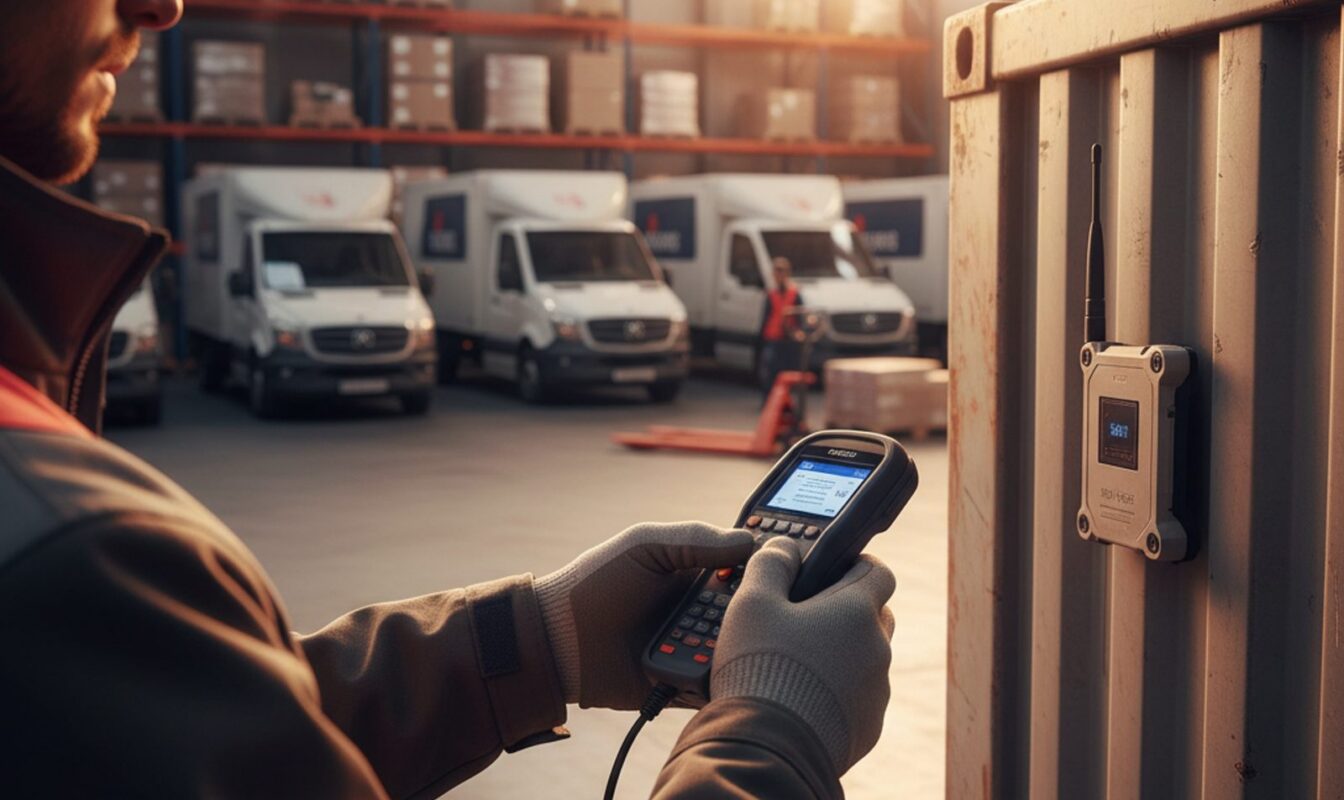


Temperature-sensitive shipments leave no room for error. In pharmaceuticals, food and beverage, and life sciences, one temperature excursion can destroy an entire load, trigger regulatory penalties, and damage your brand. Hoping a shipment arrives intact is not a plan. Industry estimates put annual biopharma losses from cold chain failures near $35 billion, with roughly 20% of temperature-sensitive healthcare products damaged in transit.
That risk is driving heavy investment in tracking technology. Analysts project the cold chain monitoring market will reach $15.04 billion by 2030, growing 12.6% a year. Companies are trading passive data loggers for real-time platforms that flag trouble in transit, not after delivery. The right platform protects your assets, keeps you compliant, and tightens your whole supply chain.
| Platform | Network | Best For | Starting Price | Key Strength |
|---|---|---|---|---|
| GPX | Multi-network (Cell, Satellite, BLE, WiFi) | Enterprise-scale AI-driven supply chain visibility | ~$3.50/mo (Smart Labels) | Predictive intelligence (Scout AI) |
| Sensitech | Cellular, RFID | Global pharma & high-value food | On Request | Regulatory compliance & validation |
| Controlant | Cellular IoT | Pharma & food waste reduction | Subscription (ChaaS) | Real-time visibility & managed services |
| Tive | Cellular, WiFi, BLE | High-value, time-critical shipments | On Request | Real-time intervention & multi-sensor tracking |
| ORBCOMM | Dual-mode (Satellite/Cellular) | Refrigerated fleet & intermodal container management | On Request | Remote two-way reefer control |
| Emerson Cargo Solutions | 4G/5G Cellular | In-transit perishable cargo | On Request | Food quality focus & simulated temp sensing |
Why Temperature Deviations Still Destroy Cold Chain Loads
Running a temperature-controlled supply chain means clearing a stack of operational hurdles. Good technology helps, but the core problems stay stubborn. Protecting sensitive freight takes a proactive plan against the risks below.
- Temperature control failures: This is the big one. A short deviation from the target range spoils a full load of vaccines or fresh produce. Equipment faults, power loss in transit, weak insulation, or a delay on a hot tarmac all cause excursions.
- No real-time visibility: Without live data, logistics managers work blind. Traditional loggers only get read on arrival, so you learn about a problem after the product is already lost. That gap kills any chance to step in mid-transit.
- Regulatory compliance: The FDA and global health bodies demand meticulous, tamper-proof records of every shipment’s temperature history. Pulling audit-ready reports from manual or disconnected systems is slow and error-prone.
- High costs and waste: Cold chain runs expensive. It needs refrigerated containers, heavy energy use, and premium handling. A broken chain means spoiled product, disposal fees, and reshipment costs that eat straight into profit.
- Human error and handling gaps: People make mistakes. A driver leaves a reefer door open, a pallet blocks airflow, or someone shuts off a refrigeration unit at the wrong moment. Any one of these compromises the load.
- Fragmented data and system silos: Tracking data that never reaches your ERP, WMS, or TMS forces teams to reconcile spreadsheets by hand. Weak integration turns a real-time platform into one more disconnected data island.
- Global logistics complexity: Cross-border shipments pass through multiple carriers, customs delays, and connectivity black spots. Every handoff is a chance to lose the temperature record or the signal.
- Data overload without insight: A flood of location and temperature pings means little without an intelligence layer to turn it into predictive action. Scaling that intelligence from a few pallets to a global fleet is its own hurdle.
1. GPX
GPX runs an AI-powered supply chain intelligence platform that turns cold chain management from reactive to predictive. It moves past “dots on a map” and fuses data from a wide range of sensors into one operational picture. The platform monitors temperature and location in real time, then puts its Scout AI engine to work analyzing conditions, predicting problems, and prescribing fixes. Logistics teams stop spoilage before it starts, hold compliance, and sharpen routes and handling.
- Location: USA
- Best for: Enterprises that need predictive analytics and end-to-end visibility for high-value, temperature-sensitive assets.
- Pricing: Platform pricing scales to your deployment; disposable Smart Labels cover shipment-level tracking from about $3.50 per month.
- Connectivity: Multi-network platform across Cellular (4G/5G), Satellite, BLE, and WiFi for continuous coverage.
- Standout features: Scout AI for predictive intelligence, peel-and-stick Smart Labels for granular tracking, multi-sensor data fusion, and autonomous control-tower workflows.
Advantages
- Delivers predictive and prescriptive analytics, not just historical logs.
- Multi-network connectivity holds visibility even in remote areas.
- Scout AI flags risks and optimizes operations on its own.
- Scales from single pallets with Smart Labels to full fleets and facilities.
- Turns raw data into business outcomes and real cost savings.
2. Sensitech
Sensitech, a Carrier company, is a heavyweight in cold chain monitoring for global life sciences and high-value food. Decades in, it offers a deep portfolio of hardware, software, and professional services built around end-to-end visibility and compliance. Its platforms, including SensiWatch and ColdStream, meet the strict demands of pharmaceutical and biologics logistics. Validated monitors and detailed reporting help clients protect product and meet cGxP standards.
- Location: United States
- Best for: Global life sciences (pharma, vaccines) and high-value food producers that need strict regulatory compliance.
- Pricing: On request.
- Connectivity: Cellular, RFID.
- Standout features: End-to-end visibility platforms (SensiWatch, ColdStream), NIST-traceable monitor validation, lane risk analytics, and extensive professional services.
Advantages
- Long-standing leader with deep pharma and food logistics expertise.
- Full suite across hardware, software, and consulting.
- Strong quality management and compliance (FDA 21 CFR Part 11).
- Global footprint and support.
Disadvantages
- Solutions get complex and can demand heavy investment.
- Often overbuilt for companies with lighter regulatory needs.
- Less predictive, AI-driven analytics than newer platforms.
3. Controlant
Controlant, based in Iceland, has grown fast with its real-time Cold Chain as a Service (ChaaS®) model. The subscription bundles IoT data loggers, a cloud platform, and managed services into one package. It targets pharmaceutical and food companies, cutting waste and building supply chain resilience through proactive monitoring. Its 24/7 team acts on alerts and manages temperature excursions as they happen.
- Location: Iceland
- Best for: Pharmaceutical and food companies that want a full-service, real-time monitoring solution to reduce waste.
- Pricing: Subscription-based, pay-as-you-go Cold Chain as a Service (ChaaS®).
- Connectivity: Cellular IoT.
- Standout features: Real-time IoT data loggers, 24/7 managed monitoring and response, automated compliance reporting (21 CFR Part 11, GDP), and a flexible service model.
Advantages
- Managed service gives clients a hands-off option.
- Pay-as-you-go pricing stays financially accessible.
- Strong real-time response to issues.
- Waste reduction delivers clear ROI.
Disadvantages
- The managed model does not suit companies that want full control.
- Hardware is part of the service, not owned by the customer.
- Focused on in-transit monitoring, not broader asset intelligence.
4. Tive
Tive, out of Boston, is a major player in real-time shipment visibility for high-value, sensitive goods. It pairs tightly integrated hardware and software, using multi-sensor trackers that watch temperature, location, shock, light (door openings), and humidity. The platform is built for proactive intervention, with configurable real-time alerts and a 24/7 live monitoring team that manages exceptions in transit.
- Location: Boston, Massachusetts, USA
- Best for: High-value, time-critical shipments (pharma, biologics, electronics) that need multi-sensor monitoring and real-time intervention.
- Pricing: On request.
- Connectivity: Cellular, WiFi, BLE.
- Standout features: Multi-sensor trackers (shock, light, humidity), a 24/7 live monitoring team, support for dry ice and cryogenic ranges, and strong compliance reporting.
Advantages
- Excellent for critical shipments where any deviation costs real money.
- Multi-sensor data paints a fuller picture of shipment conditions.
- A 24/7 team actively saves shipments in transit.
- Strong audit-ready documentation and compliance.
Disadvantages
- Pricier than basic temperature logging.
- Focused mainly on the in-transit leg.
- Data from many sensors overwhelms teams without a clear action plan.
5. ORBCOMM
ORBCOMM specializes in industrial IoT for tracking and managing transport assets, and it leads in reefer (refrigerated trailer and container) management. Its dual-mode satellite and cellular connectivity keeps intermodal shipments visible across remote areas. The real differentiator is two-way control: fleet managers remotely adjust temperature setpoints, start a defrost, or change a reefer’s operating state. Few competitors match that level of control.
- Location: Rochelle Park, New Jersey, USA
- Best for: Fleet management of refrigerated trailers and intermodal containers, especially long-haul and cross-border logistics.
- Pricing: On request.
- Connectivity: Dual-mode (Satellite/Cellular).
- Standout features: Two-way reefer monitoring and control, FSMA-compliant food safety reporting, deep integration with Carrier and Thermo King units, and reliable fleet alarms.
Advantages
- Outstanding remote control of reefer units.
- Dual-mode connectivity gives true global coverage.
- Deep expertise in powered transport assets.
- Strong food safety compliance (FSMA).
Disadvantages
- Less focus on granular, product-level tracking inside the container.
- More an asset management tool than a shipment-level visibility platform.
- Complex, and geared toward professional fleet managers.
6. Emerson (Cargo Solutions)
Emerson’s Cargo Solutions division, part of the global engineering giant, offers GO Real-Time Trackers and the Oversight cloud platform. Shippers use them to monitor perishable food and pharmaceuticals in transit. Emerson leans hard on ease of use: trackers deploy quickly, and the portal automates reporting and alerts. Its technology, including simulated product temperature sensing, helps shippers protect cargo, hold food quality, and cut waste.
- Location: St. Louis, Missouri, USA
- Best for: Shippers of perishable food and pharmaceuticals that need reliable, real-time in-transit monitoring.
- Pricing: On request.
- Connectivity: 4G/5G Cellular.
- Standout features: GO Real-Time Trackers on 4G/5G, the Oversight portal for automated reporting, simulated product temperature sensing, and a multilingual mobile app.
Advantages
- Backed by a large, reputable technology company.
- User-friendly hardware and software.
- Strong food safety and waste reduction focus.
- Reliable real-time in-transit tracking.
Disadvantages
- No two-way control like ORBCOMM.
- Less managed service or proactive intervention than Tive or Controlant.
- Lighter pharma validation portfolio than a specialist like Sensitech.
What Your Freight Value Decides About Cold Chain Platforms
The best cold chain platform depends on your operations and what you ship. No single platform wins for everyone. Start with the value and sensitivity of your products. High-value biologics demand far more scrutiny and intervention than a truckload of frozen vegetables. Decide whether you need simple post-trip temperature logs for compliance or active, real-time intervention that saves shipments in progress.
Next, weigh your regulatory burden. Pharmaceutical and life science companies should prioritize deep compliance features like 21 CFR Part 11 validation and automated, audit-ready reporting. For food transport, FSMA compliance often drives the decision. Then size up your operations. Are you running a fleet of reefer trailers, tracking thousands of pallets, or protecting a few critical shipments? Pick a partner that scales with you and delivers the right depth of data, from basic location pings to predictive, AI-driven insight.
Moving from repeat product loss to predictable performance starts with these factors. Match your challenges to a platform’s core strengths, and you invest in a system that protects your assets and pays back through efficiency and less waste.
Ready to see what AI-powered intelligence does for your cold chain? Explore the GPX platform and watch it turn raw data into clear, profitable decisions, or request a quote to map it to your operation.
Frequently Asked Questions (FAQs)
Can cold chain monitoring platforms integrate with our ERP or TMS?
Yes. Modern platforms connect with enterprise resource planning (ERP), warehouse management (WMS), and transportation management (TMS) systems through APIs. GPX is platform-agnostic, so temperature and location data flows straight into your existing systems of record instead of sitting in a separate silo.
How does predictive AI generate ROI in the cold chain?
Predictive AI flags an excursion risk before product spoils, so you reroute or intervene while the shipment is still saveable. Preventing a single lost load of biologics or vaccines protects revenue that dwarfs the platform cost. Fewer excursions also mean lower waste, fewer reshipments, and cleaner audits.
Are single-use or reusable trackers better for the cold chain?
It depends on your logistics model. Reusable trackers pay off in closed-loop chains where devices come back easily. Single-use trackers, like GPX’s Smart Labels, fit complex one-way chains: they skip reverse logistics and deliver granular, shipment-level data with no big capital outlay.
What key regulations apply to cold chain tracking?
Several matter. In pharma, FDA 21 CFR Part 11 governs electronic records and signatures, and Good Distribution Practices (GDP) set transit standards. For food, the FDA Food Safety Modernization Act (FSMA) requires proof of temperature control in transit. A capable platform delivers secure, tamper-proof, audit-ready data for all of them.
How do cold chain tracking systems handle areas without cellular service?
They use multi-network strategies. Devices store data locally when out of cellular range, then upload once they reconnect. For shipments that need a constant link, platforms like GPX switch to satellite, closing the “black spots” and holding true global coverage.