
Buy-here-pay-here (BHPH) dealers finance the vehicles they sell, often to customers with limited or damaged credit. That model only works if the dealer can protect the collateral: know where every financed vehicle is, act early when payments slip, and recover a car quickly when a loan defaults. GPS tracking is the tool that makes all three possible, and it also helps any dealership run its lot and loaner fleet more efficiently.
The pressure is real. Auto debt and delinquency have both risen in recent years, as Experian’s auto loan debt research shows, and subprime borrowers carry the highest risk. This guide covers how BHPH dealers and car dealerships use GPS tracking, which features matter, how to choose a provider and what to watch for legally.
Why GPS Tracking Matters for BHPH Dealers
For BHPH operators, a tracker is part of the lending decision. It lets you extend financing with more confidence, because a vehicle that can be located can be recovered. For franchise and independent dealerships, the same devices save time on the lot and protect inventory.
Reducing risk on financed vehicles
Location history and alerts show when a vehicle leaves its usual area, sits unused or is moved out of state, which are often early signs of a loan heading into trouble. Acting on those signals sooner means fewer surprises at collection time.
Faster, cheaper vehicle recovery
When a loan defaults, a live location sends the recovery agent straight to the vehicle. That cuts search time and recovery fees and reduces the chance of damage or loss while the car is out of reach.
- Pinpoint the vehicle’s location for recovery agents.
- Cut the time and cost of manual skip tracing.
- Recover vehicles before they are damaged, stripped or moved further away.
Lot management and inventory control
On a large lot, staff can lose real time finding the right car for a test drive or delivery. GPS tracking shows every unit’s location so you can:
- Find any vehicle in seconds.
- Monitor vehicles out on test drives.
- Speed up floor plan audits.
- Manage loaner and service fleets from the same platform.

GPS Tracking Features BHPH Dealers Should Look For
Modern dealer tracking goes well beyond a dot on a map. These are the features that do the most work for a BHPH portfolio.
Geofencing
Draw virtual boundaries around your lot, a service center, a county or a state, and get an alert when a vehicle crosses one. Geofences are useful for after-hours security, catching unauthorized use and confirming vehicles stay within the area agreed in the financing terms.
Starter interrupt and payment reminders
Some BHPH dealers pair tracking with starter-interrupt devices that can stop a vehicle from starting in cases of serious delinquency or theft, often alongside automated payment reminders. Rules on using these devices vary by state, so use them only where they are permitted, disclose them clearly in the contract and take legal advice first.
Real-time alerts and reporting
- Tamper alerts if a device is unplugged or interfered with.
- Low battery warnings.
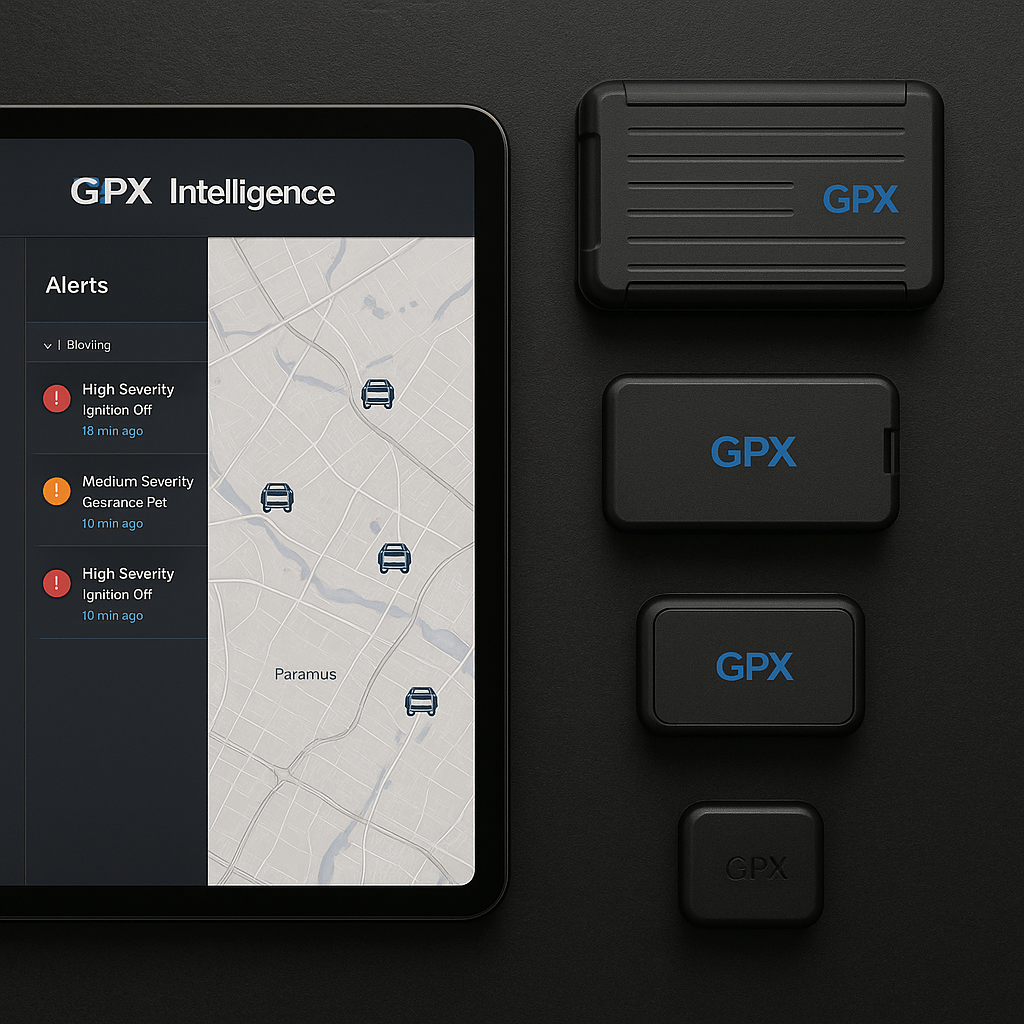
- Ignition on and off events and speed alerts.
- Location history to spot changing usage patterns before an account goes delinquent.
Plug-In or Hardwired: Choosing the Right Tracker
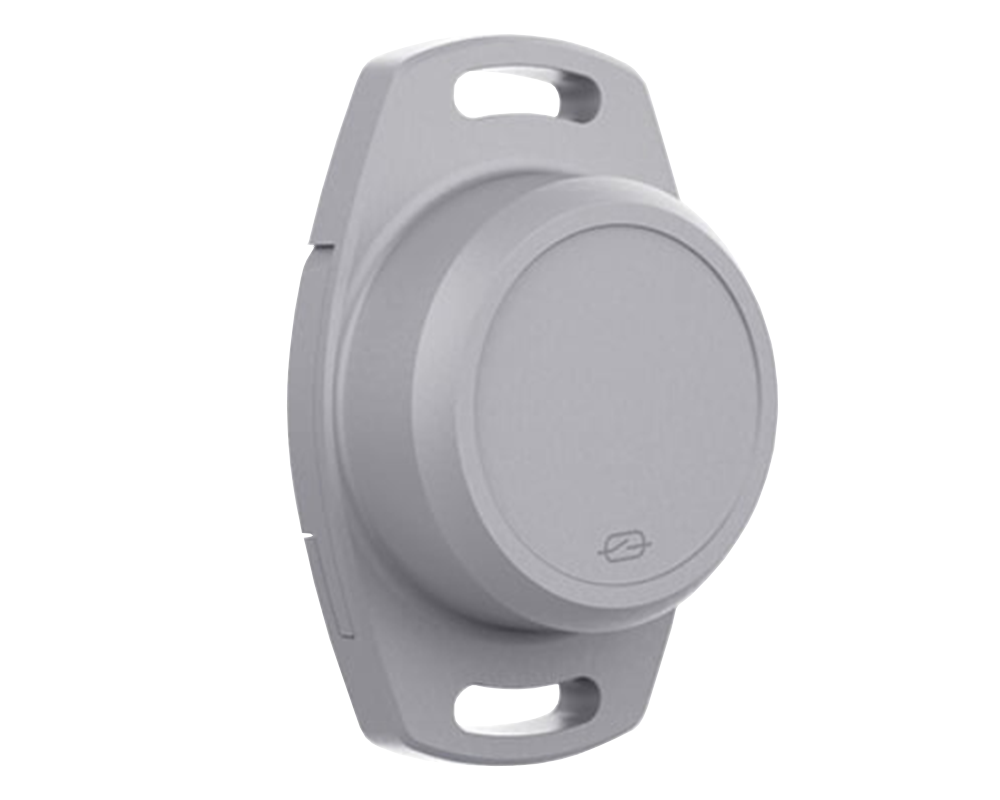
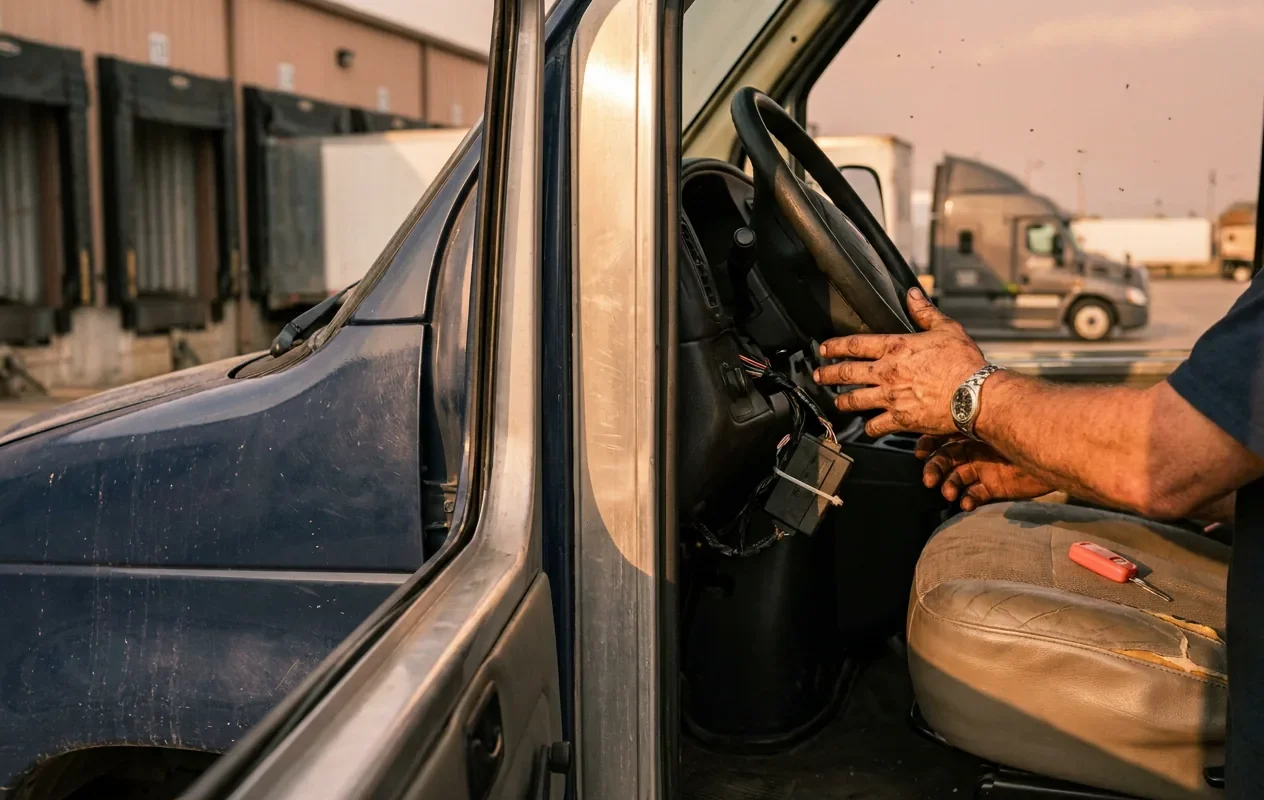
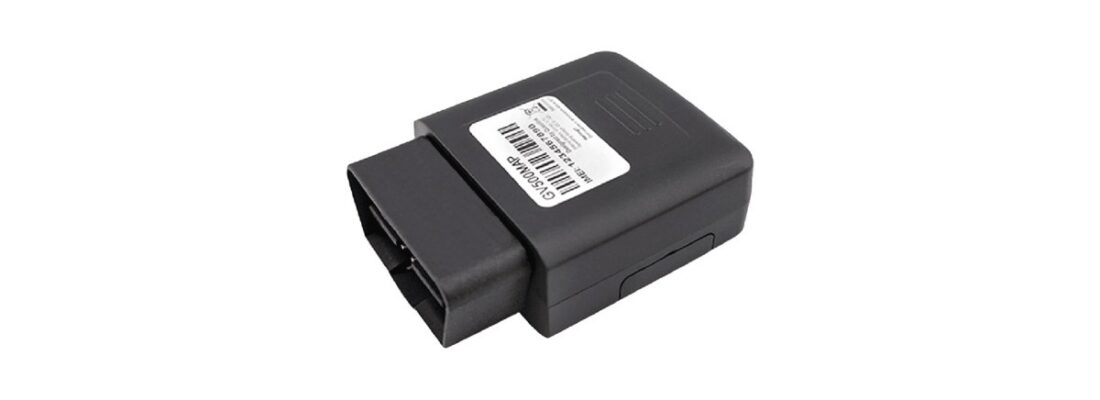
Most dealers choose between two device types. Plug-and-play OBD-II trackers such as the AssetTrack OBD install in seconds and suit lot inventory, test drives and loaners. Hardwired trackers such as RoadTrack Wired are hidden behind the dash, harder to find and remove, and better suited to financed vehicles that leave your control. Many BHPH dealers use both.
How to Choose a GPS Tracking Partner
Low upfront prices can hide poor coverage and weak support. Compare providers on:
- Hardware reliability: devices built for vehicle use with dependable cellular coverage and tamper detection.
- Software usability: clear maps, customizable alerts and reports your collections team will actually use.
- Integration: the ability to feed location and alert data into your dealer management system and collections workflow.
- Support: responsive help when a recovery is time-critical.
- Scalability: pricing and performance that hold as your portfolio grows.
For a closer look at how dealers use tracking day to day, see our guides to GPS tracking solutions for automotive dealers and whether dealerships put trackers on cars.

What Comes Next for Dealer GPS Tracking
Dealer tracking is moving toward predictive risk scoring, where usage patterns flag accounts likely to fall behind, and deeper integration with dealer management and collections systems. For BHPH operators, tracking is no longer just a recovery tool; it is part of how you price risk and grow a healthy portfolio.
See how GPX tracks financed vehicles, lot inventory and loaners in one platform: try the live demo or request a demo with our team.
Frequently Asked Questions (FAQs)
Is GPS tracking legal for financed vehicles?
Generally yes, when it is disclosed in the financing agreement and complies with state and local law. Rules on disclosure, privacy and collections vary by state, so have your contracts reviewed by legal counsel.
How difficult is it to install GPS trackers on vehicles?
Plug-and-play OBD-II trackers install in seconds with no tools. Hardwired trackers take longer and are usually fitted by a professional installer so they are concealed and powered correctly.
Will a GPS tracker drain the vehicle battery?
Vehicle trackers draw very little power from the car battery, and many include a small backup battery that keeps reporting if the device is disconnected. Battery life varies by device and reporting frequency.
Can customers detect or disable GPS trackers?
No tracker is completely tamper-proof, but hardwired devices are designed to be discreet, and tamper alerts notify you if a device is unplugged or interfered with.
Does GPS tracking lower insurance costs for dealerships?
It can. Fewer thefts and faster recoveries mean fewer claims, which may lead to better premiums over time, and some insurers offer discounts for tracked vehicles. Ask your insurer what it recognizes.