

Generators and light towers are expensive assets, and they are hard to manage. These unpowered machines move between job sites constantly. They sit unattended in remote locations, which makes them prime targets for theft and a frequent source of billing disputes. Equipment theft costs the U.S. construction industry $300 million to $1 billion a year, and recovery rates stay low. Idle time makes it worse, because every idle asset is revenue left on the table.
Without a reliable way to monitor location and usage, fleet managers work blind. They lose revenue on unbilled engine hours, waste time locating assets for pickup, and absorb the full cost of stolen equipment. A dedicated generator GPS tracking system closes these gaps. It turns every towable asset into an accountable, revenue-generating unit.
Why Towable Assets Are So Hard to Manage
Towable generators, light towers, and air compressors differ from powered vehicles with dedicated operators. They lack a constant power source. Customer crews move them often, and they sit on sprawling, unsecured job sites for weeks or months. The result is constant inefficiency and loss.
The core problem is visibility. When did the generator arrive on site? How many hours did it actually run? Is it still where the crew dropped it off? Answering these questions by hand is slow and error-prone. Customers dispute invoices for runtime hours, and your team burns days locating an asset that is ready for pickup, which delays its return to the rental pool where it earns money.
What to Track: Key Data for Rental Profitability
Good management is not about finding a dot on a map. It is about capturing operational data that moves your bottom line. A complete tracking solution for generators and light towers delivers these data points.
- Precise location: Real-time GPS tracking is the foundation. It speeds asset recovery, streamlines dispatch for service or pickup, and verifies on-site status.
- Runtime hours: Built-in sensors or a direct connection log engine run-time accurately. This data ends billing disputes and captures every dollar of usage revenue. It also drives preventive maintenance based on actual wear, not calendar days.
- Geofence alerts: Automated notifications fire when an asset enters or leaves a defined area, such as a customer’s job site. This confirms delivery, starts the rental period automatically, and flags any unauthorized move off-site, a key sign of theft.
- Unauthorized movement: Alerts for after-hours movement, or for transport with the engine off, give you an early warning on theft and let you act fast. Learn more about how to fight equipment theft with GPS trackers.
- Asset status: Advanced trackers monitor extra inputs such as fuel level or battery voltage on the machine. You manage refueling and maintenance proactively, so the asset is always ready for the customer.
Choosing a Tracker for a Towable Asset
Not every GPS device suits a construction site or the needs of unpowered equipment. When you select a generator GPS tracking device, prioritize hardware built for the job.
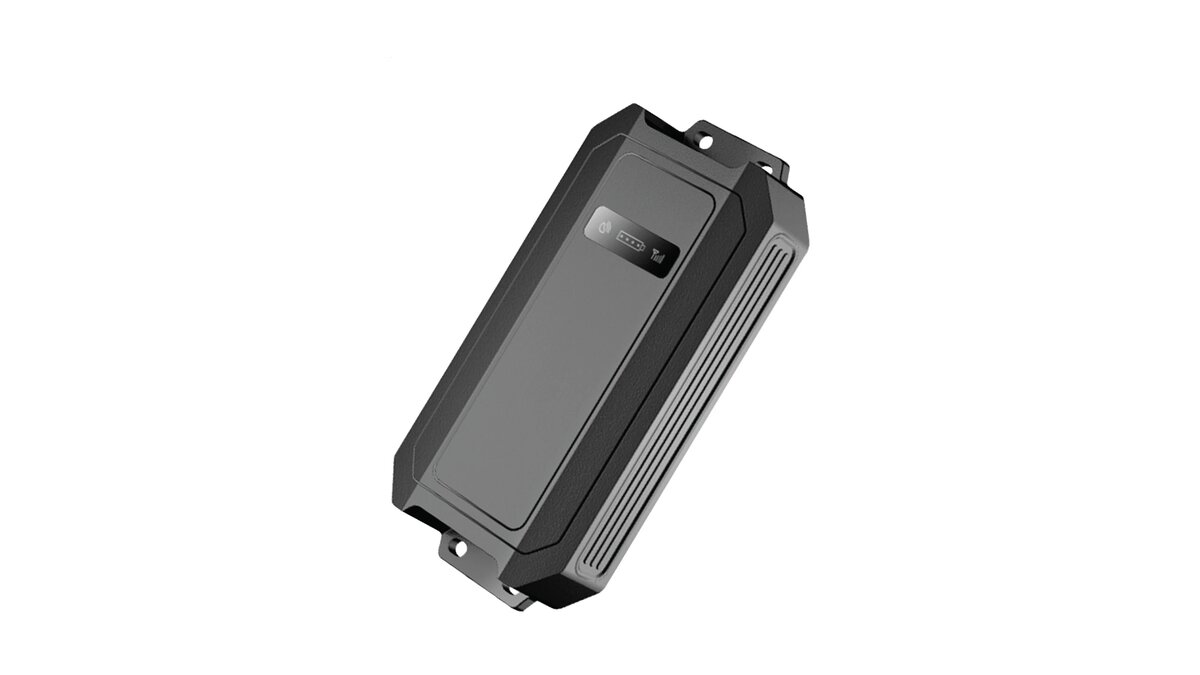
Power comes first. Generators and light towers lack the constant supply a truck provides, so the tracker needs its own. You have two main options: a hardwired device that connects to the generator’s starting battery and draws power only when the asset runs, or a fully standalone, battery-powered device. A modern battery-powered tracker like the GPX AssetTrack runs up to 10 years on a single charge. That gives you maximum installation flexibility without touching the asset’s wiring.
Durability is non-negotiable. The tracker needs a rugged, weatherproof enclosure with a high IP rating such as IP67 or IP69K to survive rain, dust, mud, and pressure washing. It must also handle the constant vibration of a running engine. Mounting matters too. A device with a strong internal magnet and a compact, discreet body installs covertly in seconds, which cuts the risk of tampering or theft of the tracker itself.
Comparison of Generator Tracking Approaches
Several methods exist for monitoring towable assets. The right choice depends on your fleet’s needs for data detail, power availability, and workflow. Here is how the common approaches compare.
| Approach | How It Works | Power Source | Provides Runtime Hours | Survives Outdoors | Relative Cost |
|---|---|---|---|---|---|
| GPX AssetTrack | Cellular GPS + WiFi positioning with vibration sensor | Internal 10-year battery | Yes (via motion/vibration) | Yes (IP67 Rated) | $$ |
| Hardwired GPS Tracker | Connects to asset’s starter battery and ignition/hour meter | Asset’s 12/24V battery | Yes (direct measurement) | Yes | $$$ |
| Solar-Assisted GPS | GPS tracker with a small solar panel to recharge the battery | Solar + internal battery | Yes (via vibration) | Yes | $$$ |
| BLE Tags + Gateway | Bluetooth tags on assets communicate with a powered gateway on site or in a vehicle | Internal tag battery (2-5 years) | No (Proximity only) | Some are weatherproof | $ (tag) + $$$ (gateway) |
| Manual Check-In | Staff visually inspects and logs asset location and hours | N/A | Yes (manual log) | N/A | $ (Labor) |
Hardwired units from providers like Samsara deliver direct runtime data, but they require professional installation. Solar-assisted trackers from companies such as Geoforce work well for assets in sunny areas, though they depend on clear sky access. BLE systems like those from Tenna keep yard-management costs low, but they lose visibility once the asset leaves the gateway range. For rental flexibility, a long-life battery device strikes the best balance of performance and ease of use.
Challenges of Generator and Light Tower Tracking
Deploying a tracking solution brings specific hurdles. Modern systems handle each one.
- No reliable power source: This is the main challenge. The fix is a tracker with an internal, long-life battery. Devices that run 5 to 10 years at one report per day are now standard, which makes them a “set and forget” solution.
- Signal attenuation: A generator’s metal enclosure blocks or weakens GPS and cellular signals. The fix is a tracker with a high-performance antenna, or one that adds WiFi positioning to triangulate a location when GPS drops. Placement matters too.
- Runtime versus transport: A simple motion alert cannot tell you whether the asset is running or just being towed. The fix is a configurable vibration sensor that separates the low-frequency vibration of transport from the high-frequency signature of a running engine.
- Tracker tampering or theft: A tracker that is easy to find is easy to remove. The fix is a small, discreet unit you mount covertly. Tamper alerts fire the moment someone removes the device, which adds a layer of security.
- Software integration: Data only helps when it flows into your systems. The fix is a platform with an open API that connects to your rental-management and billing software, so invoicing and maintenance run automatically.
Building the Business Case for GPS Tracking
A generator GPS tracking system is not a cost center. It is a revenue-generating, cost-saving tool. The return on investment rests on three pillars.
Recovered Rental Hours
Accurate billing is the most direct benefit. Say you run 100 generators and each logs just one unbilled hour a week. At a $20 hourly rate, that is $2,000 a week, or more than $100,000 a year in lost income. Automated runtime tracking captures that revenue without disputes.
Faster Off-Rent Collection
What does it cost you when an off-rent generator sits on a customer’s site for an extra week because nobody knew the job finished? Geofence alerts notify your team the moment an asset leaves a job site or sits idle for days. Your team schedules pickups proactively, cuts downtime, and returns equipment to the rental pool faster. A few points of utilization gain moves annual revenue, a core strategy for any rental equipment business.
Theft Recovery and Insurance Benefits
A stolen generator is a total loss worth thousands of dollars, plus the revenue it would have earned. A GPS tracker sharply raises the odds of recovery. Many rental companies recover a single stolen asset and cover the cost of tracking their entire fleet for a year. Many insurers also discount premiums for fleets with proven anti-theft and recovery technology like heavy equipment GPS trackers.
How to Choose the Right Tracking Solution for Your Rental Fleet
The best solution matches the technology to your business goals. Start with your primary objective. Do you want to stop revenue leakage from unbilled hours, cut theft, or improve logistics?
Most rental businesses need all three. Look for durable, long-battery-life hardware that installs easily. Confirm the software delivers location plus verifiable runtime data, automated geofence alerts, and clear utilization reports. Then check how well the platform integrates with your other systems. The goal is automated workflows that cut manual work, remove errors, and lift profitability.
Treat trackers as a revenue-assurance tool, not a security expense, and the decision gets clear. The right solution pays for itself fast and becomes core to your rental operation.
Ready to see how much revenue you can recover from your rental fleet? Explore the GPX solution for asset tracking and turn your equipment data into dollars.
Frequently Asked Questions
How does generator tracking improve billing accuracy?
A GPS tracker with a built-in vibration sensor or a direct hour-meter connection logs the exact hours an engine runs. That data replaces manual logs and honor-system reporting. You get verifiable proof of usage for invoicing and end customer disputes over billable hours.
What is the difference between a simple GPS tracker and a solution with runtime monitoring?
A simple GPS tracker only reports an asset’s location at set intervals. A solution built for generators and light towers adds specialized sensors, such as accelerometers and vibration sensors, to detect engine activity. You get the location and the usage, which rental billing and maintenance both require.
How long does the battery last on a wireless asset tracker?
Battery life depends on the device and reporting frequency. High-quality battery-powered trackers like the GPX AssetTrack draw ultra-low power and last up to 10 years on a single internal battery when they report once a day. That makes them ideal for unpowered towable assets.
Can GPS trackers work inside a generator’s metal enclosure?
Metal interferes with GPS signals, but high-quality trackers use sensitive antennas that perform well in tough spots. For full metal enclosures, mount the tracker near non-metal vents or choose a device that supplements GPS with WiFi positioning to hold a reliable location.
How does tracking help with equipment maintenance?
Tracking engine runtime hours shifts you from calendar-based to usage-based preventive maintenance. Machines get serviced exactly when needed, which cuts premature servicing costs and the risk of breakdowns on a customer’s site. This proactive approach extends asset life and improves customer satisfaction.
Author: Mitch Belsley