
Asset Tracking
Top 7 GPS Tracking Stickers & Smart Tags
Top 7 GPS tracking stickers and smart tags for tools, pallets, fleets and shipments. Compare specs, battery life and cost.

Top 7 GPS tracking stickers and smart tags for tools, pallets, fleets and shipments. Compare specs, battery life and cost.
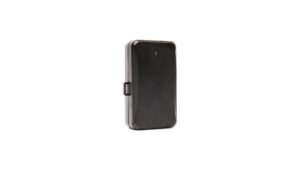
AI asset tracking uses machine learning to turn raw GPS, RFID and IoT sensor data into actionable intelligence, answering why and what next rather than only where. It learns normal movement patterns to flag theft risks, predicts equipment failures from

GPS tracking is a technology that uses satellite signals to find a device’s position and then transmits that location so businesses can see where assets are. Satellites broadcast their exact location and precise time, a receiver calculates its position through

Supply chain visibility suffers with RFID because it only reports an asset’s location at a scanning point, leaving blind spots once items move out of range. Mesh-networked BLE tags combined with GPS relay nodes report positions continuously in real time,

Short answer: A GPS tracker works out its own position from satellite signals, then sends that position over a cellular network (or through a nearby Bluetooth gateway) to a platform where you see it on a map. Business trackers such

Pride Mobility, maker of the Jazzy brand of power wheelchairs, chose GPX Intelligence to deploy GPS tracking for its medical devices. Real-time tracking lets Pride Mobility optimize asset use, prevent loss or theft, speed deliveries to patients, make data-driven inventory
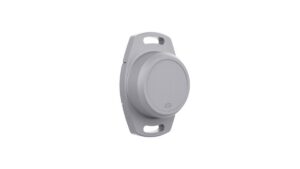
AirTags struggle to keep up with business asset tracking because they are built for personal use within the Apple ecosystem and can trigger repeated “AirTag Found Moving With You” alerts that unsettle customers. A dedicated asset tracking solution is the