
The best skid steer anti theft device setup pairs physical locks that slow a thief down with active GPS that brings the machine back. GPX protects heavy equipment with AssetTrack hardware and the Scout AI platform, so you get tamper alerts and live location the minute a machine leaves the job site.
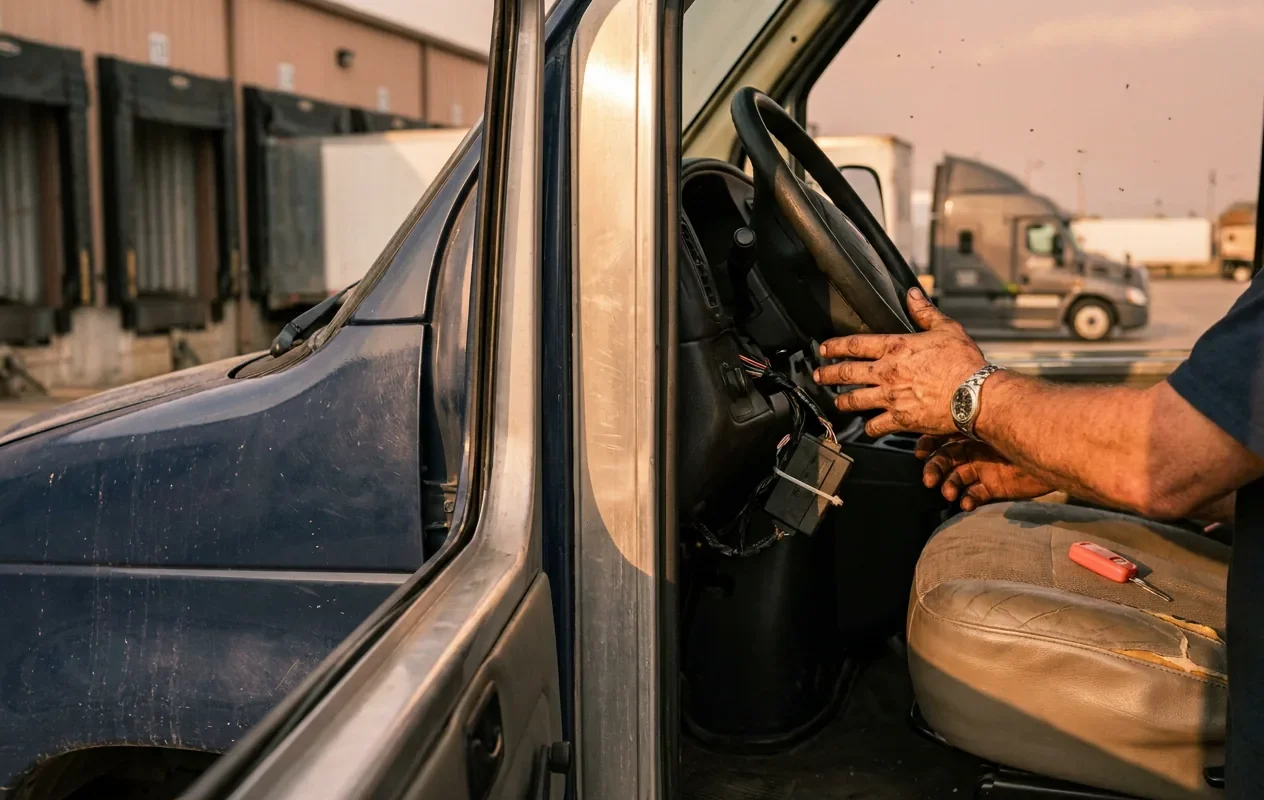
Unsecured loaders vanish from active sites and holding yards overnight. The weak point is the ignition. One factory key starts machine after machine across a single brand lineup, and copies sell openly online.
Factory security alone leaves a machine worth tens of thousands of dollars open to a drive-away. The National Insurance Crime Bureau (NICB) puts the cost of heavy equipment theft at $300 million to $1 billion a year in the United States. Against that math, a layered skid steer anti theft device pays for itself the first time it works.
| Device Type | Primary Function | Installation Effort | Best For |
|---|---|---|---|
| GPX AssetTrack & Scout AI | Live location tracking and tamper alerts | Fast (magnetic or bolt-on) | Fleet-wide visibility and recovery |
| Hidden BLE Backup Tags | Short-range secondary tracking | Fast (concealed) | Indoor or yard-based backup |
| Keypad Immobilizers | Blocks engine starts | Moderate (wiring required) | Stopping universal key theft |
| Hydraulic Lockouts | Disables boom and drive controls | Heavy (plumbed into lines) | Long-term site storage |
| Wheel or Track Locks | Restricts physical movement | Manual (installed per use) | Visible deterrence |
| Attachment Locks | Secures buckets and augers | Manual (installed per use) | Protecting high-value add-ons |
| Job-Site Geofencing | Digital boundary alerts | Software (instant via platform) | Automated after-hours monitoring |
Why Unsecured Skid Steers Disappear from Job Sites
Thieves follow patterns. Know the patterns and you know where to spend your security budget.
- Universal factory keys: One key starts machine after machine across a single manufacturer lineup, which is why owners across the major brands live with the same exposure. Those keys sit on consumer marketplaces for a few dollars.
- The weekend window: A machine dropped Friday afternoon sits untouched until Monday morning. That gives a crew more than two full days to scout the site and load up at a comfortable pace.
- Attachment stripping: Augers, trenchers, and hydraulic hammers walk off on their own. A specialized bucket worth thousands comes off the coupler in minutes.
- Rapid flatbed transit: A practiced crew winches a dead machine onto a trailer in minutes. Once it is strapped down, your locks are irrelevant. That is the moment heavy equipment gps tracking devices earn their keep.
What a Stolen Loader Costs After the Machine Is Gone
The replacement invoice is the part everyone sees. The costs behind it do the real damage to the job.
- Insurance exposure: Repeat equipment claims push commercial premiums and deductibles up at renewal, and underwriters ask what security was on the machine before they quote the next term.
- Cross-state recovery limits: Once a trailer crosses a state line, your theft report sits with one agency while the machine sits in another jurisdiction. Without live coordinates, investigators have no lead to work.
- Schedule damage: A loader missing on Monday stalls every trade queued behind it. On a contract carrying liquidated damages, the delay costs more than the machine did.
Why Equipment Security Has to Be Layered
Most operators stop at the ignition. Immobilizers do real work there, because shared factory keys are the biggest hole in stock security. A skid steer door lock upgrade and a battery disconnect switch cost little and add minutes to any break-in.
But locks and immobilizers do one job. They buy time. They force a thief to stay longer, make noise, and bring cutting tools.
Machine data standards do not close the gap either. The AEMP telematics standard (ISO 15143-3) moves engine hours, fuel burn, and utilization data between fleet systems for reporting. It was never built to wake someone up when a loader leaves the yard at 2 a.m.
IoT construction asset tracking covers that shift. Pair the physical delay with active GPS and you still hold the coordinates after the machine rolls off the lot. Delay plus visibility is what gets equipment back.
1. GPS Trackers with Tamper Alerts
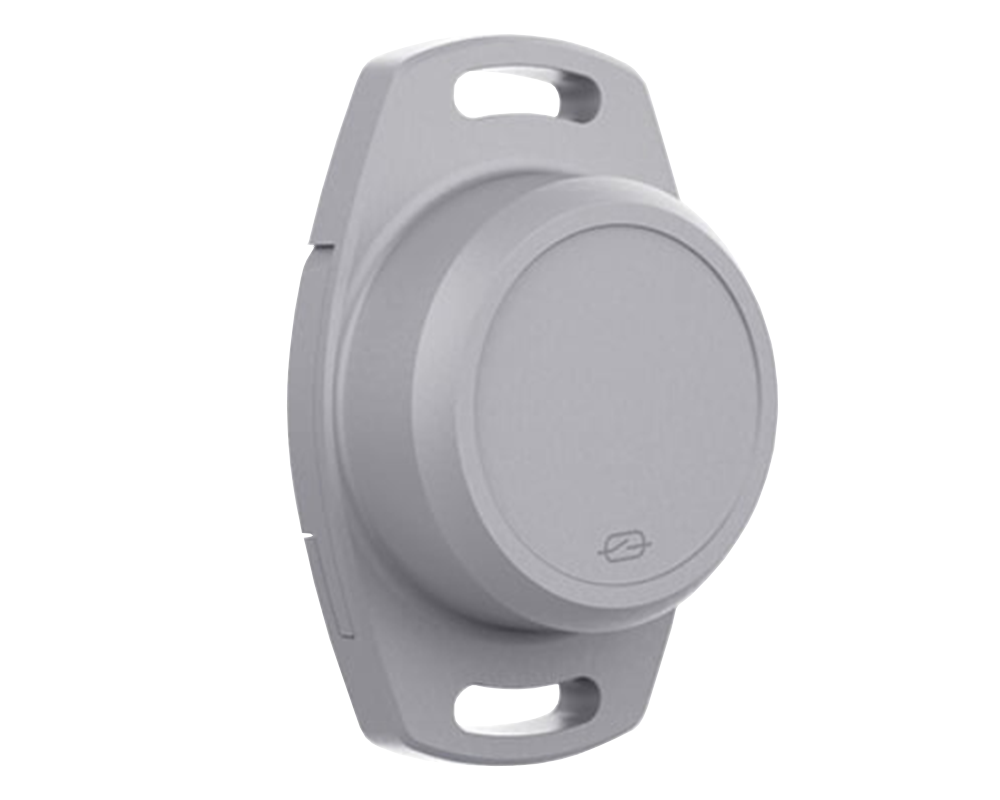
Active tracking is your backstop. GPX tracks heavy equipment with multi-sensor hardware that reports across cellular and satellite networks. The AssetTrack Mini runs for years on its own battery and carries an IP67 weatherproof rating, so mud, wash-downs, and winter do not take it offline. Because the unit runs independent of machine power, it keeps reporting after a thief pulls the battery.
- Stops: Total loss and permanent disappearance of the machine.
- Does not stop: The break-in itself, from a smashed window to a breached cab.
- Install effort: Low. Industrial magnets or a simple bolt-on mount, done in minutes.
- Best for: Every high-value asset in the fleet, with no exceptions.
Advantages
- Hands law enforcement exact coordinates for a fast recovery.
- Alerts you the moment the machine moves outside working hours.
- Multi-year battery life keeps maintenance off your plate.
- Works without tapping machine power.
Disadvantages
- Carries a data subscription per asset.
- Recovery still depends on how fast your team escalates the alert.
2. Hidden BLE Backup Tags
Experienced thieves hunt for the primary cellular tracker and destroy it. A hidden Bluetooth Low Energy tag gives you a second signal. GPX offers AssetTag Edge for exactly that: a rugged IP67 tag on a replaceable coin-cell battery. These tags deliver IoT asset tracking for heavy attachments, riding on augers and buckets and relaying location through nearby gateways such as the BLE RoadWired hub.
- Stops: A thief who finds and kills the primary cellular tracker.
- Does not stop: Long-distance transit with no gateway in range.
- Install effort: Minimal. Peel the adhesive backing and hide the tag deep in the cab or engine bay.
- Best for: Backing up your main cellular tracker with a second signal nobody knows about.
Advantages
- Small enough that a thief working in the dark will not find it.
- Cheap way to double your tracking redundancy.
- Reports through gateways inside metal buildings, where GPS signal drops out.
Disadvantages
- Needs a gateway or hub in range to pass data back to the platform.
- No cellular radio of its own.
3. Keypad or PIN Ignition Immobilizers
An electronic keypad closes the universal key loophole. The operator enters a custom PIN before the machine turns over, so a stock key is worthless. Keypad immobilizers retrofit onto Bobcat, Caterpillar, and John Deere machines alike because they wire into the starter circuit rather than the OEM electronics.
- Stops: Opportunistic theft with universal keys, plus basic hotwiring.
- Does not stop: A crew winching the machine onto a flatbed.
- Install effort: Moderate. The system splices into the starter circuit.
- Best for: Every machine that still runs on a universal factory key.
Advantages
- Removes the single biggest vulnerability in stock equipment security.
- Unique PINs tell you which operator started the machine.
Disadvantages
- Shared PIN codes erode the protection fast, so enforce a rotation policy.
- Gives you no location data once the machine is towed.
4. Hydraulic or Control Lockouts
A hydraulic lockout valve cuts fluid to the boom and drive motors. A thief hotwires the engine and still cannot move the tracks or lift the bucket.
- Stops: Unauthorized driving, loading, and boom operation.
- Does not stop: A patient crew with mechanical tools and time.
- Install effort: High. A professional plumbs the valve into the hydraulic lines.
- Best for: Long-term storage on remote, unmonitored sites.
Advantages
- Disables the core functions of the machine, not just the ignition.
- Very hard to bypass quickly in the dark.
Disadvantages
- Takes the machine out of service for the install.
- Only works when the operator engages the valve at shift end.
5. Wheel or Track Locks
Track locks are the construction version of a parking boot. They clamp over the tracks or wheels so the machine will not roll in either direction.
- Stops: Free rolling and casual drive-aways.
- Does not stop: Anyone with an angle grinder or a crane.
- Install effort: Manual. Someone hauls the lock over and fits it every shift.
- Best for: Exposed, high-visibility sites where you want thieves to pick a different target.
Advantages
- Visible deterrent that works from across the lot.
- No wiring, no plumbing, no install cost.
Disadvantages
- Worthless on the night a crew skips the step.
- Cuts off in minutes with the right tool.
6. Coupler and Attachment Locks
Attachments are as exposed as the machine itself. A coupler lock blocks the quick-attach mechanism, so nobody swaps a bucket or walks off with a hydraulic tool.
- Stops: Theft of trenchers, augers, and specialized buckets.
- Does not stop: Theft of the host machine.
- Install effort: Manual. The operator fits the lock when the tool comes off.
- Best for: Any time valuable attachments sit outside a secure yard.
Advantages
- Covers accessories that often fall outside your equipment policy.
- Cheap next to the cost of a replacement attachment.
Disadvantages
- Zero protection for the engine or cab.
- Jams with mud and debris on active sites.
7. Job-Site Geofencing with After-Hours Alerts
A geofence draws an invisible boundary around your yard or project site. Cross that line and the tracker fires an alert to your phone or your operations center.
- Stops: Quiet removal over a weekend or a holiday shutdown.
- Does not stop: The physical breach of a fence or gate.
- Install effort: No hardware at all. You draw the perimeter in the platform, and Scout AI builds geofences in seconds from plain-language commands.
- Best for: Every machine that lands at a new location.
Advantages
- Notifies you in the first minutes of a theft, not the next morning.
- Asks nothing of the operator.
Disadvantages
- Only works on top of real-time heavy equipment GPS tracking.
- Alert speed depends on cellular coverage at the site.
When GPX Is Not the Right Fit
GPX builds multi-sensor visibility for enterprise supply chains and heavy equipment fleets across 50+ industries. Our customers track high-value commercial assets spread over multiple job sites.
We are the wrong choice for a single family car or a basic consumer Bluetooth tag. For those jobs, weigh SMB options such as Bouncie or LandAirSea against our sister brand Logistimatics. GPX also stays focused on location intelligence and asset security, so deep engine diagnostics and dashcam video sit outside what we do.
Where to Spend Your Next Skid Steer Security Dollar
Start with your actual exposure. Count the machines still running on stock keys, the sites with no fence, and the weekends your equipment sits unwatched. That count decides whether your next dollar buys an immobilizer or a tracker.
Physical locks handle crimes of opportunity and fail against professional crews. When you compare gps tracking devices for heavy equipment, hold out for three things: a ruggedized enclosure, an independent battery, and instant tamper alerts. Layer those over your locks and you keep eyes on the asset long after the padlock gives way.
Stop betting your most expensive loader on a stock key. Talk to our team about putting every machine and attachment on one platform, and we will map which layers your sites need first.
Frequently Asked Questions (FAQs)
Do financed skid steers have tracking devices?
Many dealers and finance companies install a basic tracker to protect their collateral. Do not treat it as your security system. That unit answers to the lender, so you get no real-time location and no tamper alerts when a theft is in progress.
What is the best anti theft device for heavy equipment?
A physical immobilizer plus an active cellular tracker. The immobilizer blocks the easy drive-away. The tracker gives you coordinates when a crew loads the machine onto a flatbed anyway.
Do insurance companies lower premiums for skid steers with GPS trackers?
Commercial carriers price equipment policies on recovery odds, so brokers ask about tracking and immobilizers at renewal. Credits differ by carrier and state, so get yours confirmed in writing before you buy hardware. The bigger saving is the claim and the deductible you never file.
How do I keep thieves from finding and disabling the skid steer tracker?
Run two devices and keep one hidden. A primary cellular unit such as AssetTrack Mini mounts out of sight in the frame or engine bay, and a concealed AssetTag Edge holds a second signal if the first one is found and smashed. Scout AI alerts you on the tamper event itself, so you know the moment someone goes after the hardware.
Will an immobilizer prevent someone from towing a skid steer?
No. An ignition immobilizer or hydraulic lockout only stops someone from driving or operating the machine. Professional thieves get around both by winching the dead equipment onto a truck.
Can I track skid steer attachments?
Yes. Conceal a small BLE backup tag on the auger, trencher, or bucket. The tag talks to nearby gateways or to the machine tracker, so you watch the attachment separately from the host machine.
How do equipment GPS tracking devices communicate?
They fix their position from satellite navigation networks and send it to the cloud over cellular, usually 4G LTE-M or Cat-M1. In remote areas, enterprise units fall back to satellite so reporting continues where there is no cell coverage.