

If you’ve ever had a shipment “somewhere in transit” with no clear ETA, or learned about a delay only after a dock appointment was missed, you’ve felt the visibility gap firsthand. Freight moves through carriers, terminals, brokers, warehouses and last-mile networks, and every handoff adds another system, another timeline and another place for a delay to hide. Real-time transportation visibility platforms bring those signals together so teams can see location, status and ETA in one view, and act on exceptions while there’s still time.
That capability has climbed to the top of the priority list. Forty-two percent of transportation professionals now rank real-time transportation visibility as the single most critical capability for effective transport management systems, ahead of both order management and routing tools. Yet adoption of the planning that visibility enables still lags: according to Gartner, just 19% of organizations have fully integrated scenario planning into their supply chain strategy.
This guide explains what these platforms do, the outcomes they drive and how to evaluate them, then compares the top five platforms side by side so you can match the right one to your operation.
The Essentials
- Visibility platforms unify location, status and ETA signals across carriers, terminals, warehouses and last-mile handoffs.
- The goal is spotting exceptions early enough to reroute, reschedule and notify customers before costs escalate.
- Evaluate platforms on data coverage, update frequency, predictive accuracy and exception management.
- Carrier-network platforms aggregate carrier data; hardware-based platforms report straight from the shipment.
- An independent hardware layer provides ground-truth signals that software-only visibility cannot always deliver.
What real-time transportation visibility is
Real-time transportation visibility is the ability to monitor the location, status and condition of shipments as they move through the supply chain, from pickup to final delivery.
It involves more than a dot on a map. True real-time visibility includes verified pickup and delivery events, live or near-live location updates, dynamic estimated arrival times, exception alerts and environmental data for sensitive or high-value goods.
In global supply chains, most delays do not happen at the final mile. They happen at ports, terminals, border crossings, transload facilities and cross docks. Real-time visibility makes those high-risk points visible while there is still time to act.
What a real-time transportation visibility platform does
A real-time transportation visibility platform (RTTVP) is a software layer that connects disjointed shipment data into one operational view.
It aggregates tracking signals from carriers, driver apps, telematics devices, ocean vessel tracking, port systems and logistics partners, then cleans and standardizes that data so every team works from the same source of truth.
These platforms track milestones such as pickup, arrival, departure and delivery. They calculate dynamic ETAs from live movement and historical performance, detect when a shipment falls behind schedule or idles too long, and create workflows so operations, carriers and customer teams can respond together. At scale, a real-time visibility platform acts as the nervous system of transportation operations.
Why real-time visibility matters
Congestion, labor shortages, port delays, weather and security risks have made fixed schedules unreliable. Without real-time visibility, teams learn about problems only after they cause missed deliveries, production stoppages or lost sales, when the only options left are expensive expediting or damage control.
With real-time visibility, teams identify risk early. They reroute freight, adjust appointments, notify customers and protect inventory before a disruption becomes a financial loss. That shift from reactive to proactive logistics is what separates high-performing supply chains from fragile ones.
Key benefits of real-time transportation visibility platforms
Improved on-time delivery
When teams spot a developing delay before it hits the schedule, they can reschedule dock appointments, reroute freight or reallocate inventory. The result is higher on-time performance and fewer broken delivery promises.
Lower transportation and accessorial costs
Late shipments trigger detention, demurrage, missed appointments and last-minute expediting fees. Real-time visibility cuts these costs by letting teams intervene before minor issues become expensive failures.
Stronger customer experience
Customers no longer accept vague delivery windows. Accurate ETAs and proactive updates build trust and reduce inbound “where is my order” calls.
Carrier performance accountability
Verified movement and event data lets you measure carrier reliability objectively and back up scorecards, contract negotiations and improvement programs with facts.
Operational efficiency
Instead of chasing shipments by phone, email and portal logins, teams work from one system that shows current status, freeing them to focus on optimization.
Risk and security management
Unexpected stops, long dwell times and route deviations can signal theft, damage or misrouting. Real-time platforms surface those risks so teams can respond before cargo is lost.
Top 5 Real-Time Transportation Visibility Platforms
Platforms fall into two camps. Carrier-network platforms such as project44, FourKites and Descartes MacroPoint aggregate data from carriers’ ELDs, telematics and APIs. Hardware-based platforms such as GPX and Tive put a tracking device on the shipment itself and report condition as well as location. The five below cover both approaches.
| Platform | Data source | Best for | Published pricing | Key strength |
|---|---|---|---|---|
| GPX | Own devices on the shipment (cellular + BLE) | Shipment integrity and condition monitoring, from packages to returnable containers | As low as $45/year, hardware included | AI-powered prescriptive insights from multi-sensor devices |
| project44 | Carrier network, multimodal | Global enterprises needing deep analytics and API integration | Not listed publicly | Extensive global carrier network |
| FourKites | Carrier network, multimodal | Large CPG and retail shippers that also need yard management | Not listed publicly | North American trucking and yard visibility |
| Descartes MacroPoint | Carrier network (truckload, LTL, rail) | Brokers and 3PLs focused on North American trucking | Not listed publicly | Large pre-connected truckload carrier network |
| Tive | Own devices on the shipment (cellular, Wi-Fi, GPS) | High-value, sensitive goods needing condition monitoring | Not listed publicly | Real-time condition alerts (temperature, shock, light) |
1. GPX
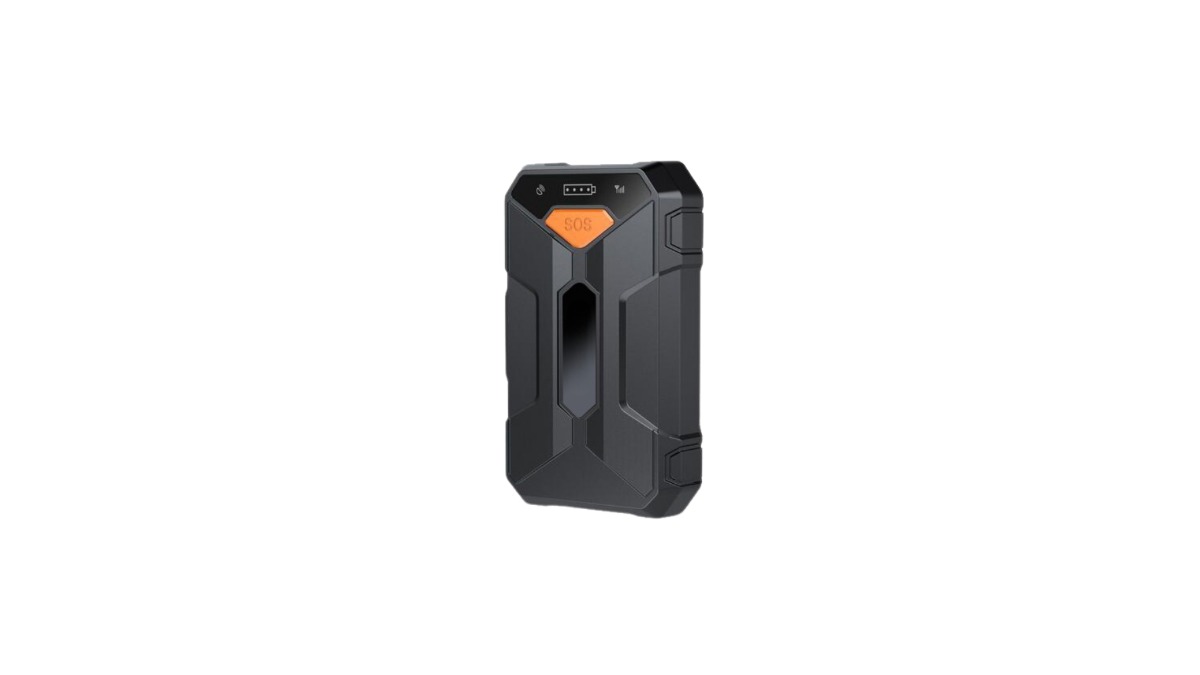
GPX delivers AI-powered tracking that goes beyond dots on a map. It pairs multi-sensor hardware with an analytics engine that reports not just location but the condition and integrity of every shipment. Data comes straight from the asset through devices like peel-and-stick Smart Labels for disposable tracking and rugged, returnable AssetTags, which removes reliance on patchy carrier feeds and gives you one source of truth for location, temperature, humidity and shock.
- Best for: Businesses that need hardware-verified visibility and condition monitoring, from individual packages to returnable containers.
- Pricing: As low as $45/year with hardware included, so there is no heavy capital spend on devices.
- Standout features: Scout AI forecasts delays and recommends actions, and a full range of shipment tracking devices with condition sensors keeps data accurate independent of carrier systems.
- Watch-outs: Hardware-first means devices go on the freight, so it complements rather than replaces carrier-network feeds for loads you never touch.
2. project44
project44 is a global visibility leader that tracks shipments across nearly every mode, from ocean and air to truckload, LTL, rail and parcel. Its API-first architecture supports deep integration with TMS and ERP systems, which suits large organizations that want visibility data inside their core workflows.
- Best for: Enterprises needing global, multimodal visibility with a heavy focus on analytics and integration.
- Highlights: Extensive global carrier network, machine-learning ETAs, automated exception management and SKU-level tracking.
- Watch-outs: Pricing is out of reach for many small and mid-sized businesses, the platform can be more than a focused team needs, and coverage varies by region and mode.
3. FourKites
FourKites has a strong foothold in North America, especially among CPG, retail and food and beverage shippers. It reaches beyond in-transit tracking into yard management through Dynamic Yard and uses its network to generate predictive insights and automate shipper-carrier workflows.
- Best for: Large North American shippers that want end-to-end visibility including yard management.
- Highlights: Dynamic ETA predictions, yard and facility visibility, and a user-friendly interface backed by a large trucking network.
- Watch-outs: Cost and complexity make it a poor fit for smaller shippers, and some workflows need significant customization.
4. Descartes MacroPoint
One of the pioneers of freight visibility, Descartes MacroPoint runs a mature network for North American truckload freight. It connects to a vast number of carrier ELDs, GPS devices and mobile apps for automated location updates and fewer manual check-calls, which is why brokers and 3PLs favor it.
- Best for: Freight brokers, 3PLs and truck-heavy shippers in North America.
- Highlights: One of the most deeply integrated trucking carrier networks, geofenced status updates, proof-of-delivery capture and clean TMS integrations.
- Watch-outs: Less focused on air and ocean, and the interface feels dated next to newer platforms.
5. Tive
Tive specializes in shipment-level visibility through IoT trackers that monitor both location and the condition of goods in transit, which makes it a common choice for pharmaceuticals, fresh food and electronics. Its multi-sensor trackers send real-time alerts for shifts in temperature, humidity, shock and light.
- Best for: Shippers of high-value or sensitive goods that need in-transit condition monitoring.
- Highlights: Actionable environmental alerts, 24/7 live monitoring services and easy-to-use devices.
- Watch-outs: Device-based pricing gets costly for lower-value goods, and reusable trackers add reverse logistics for retrieval and recharging.
Other platforms worth evaluating
Shippeo (Paris) is a leader in European visibility, with machine-learning ETAs, carbon emissions reporting and automated carrier onboarding; its network is thinner outside Europe. Samsara combines shipment visibility with fleet telematics, AI dashcams and driver safety, a strong fit for companies that run their own fleets but costly if those fleet features go unused. Transporeon (Germany) bundles visibility with freight procurement, dock scheduling and settlement in one suite, with its densest network in Europe.
Why ERP and TMS Integration Stalls Visibility Rollouts
A visibility platform is an operational shift, not just a software purchase, and most rollouts hit the same obstacles. Plan for these before you sign.
- Data fragmentation: The platform has to plug cleanly into your ERP, TMS and WMS while pulling data from carriers that each use different technology and sharing protocols.
- Data quality and latency: Late or inaccurate updates from carrier ELDs, manual check-calls or unreliable feeds produce untrustworthy ETAs and missed exception alerts.
- Carrier onboarding: Getting hundreds of carriers to connect and share clean data is a major project, and carrier resistance shrinks the scope of a program.
- Proving ROI: Enterprise platforms carry a substantial price tag, and teams that cannot quantify reduced detention, lower safety stock and fewer expedites struggle to get budget.
- Internal resistance: Without training and executive buy-in, teams drift back to spreadsheets and phone calls.
- Security and compliance: Every carrier feed and API widens the attack surface, and cross-border shipments bring data rules such as GDPR into scope.
- Scaling costs: Per-load or per-device pricing that looks affordable in a pilot can balloon at full volume, so confirm the model scales with you.
How to evaluate real-time transportation visibility platforms
Data coverage
The platform should support every mode and region you ship in, and integrate with your carriers, brokers and 3PLs without months of custom work.
Update frequency
Visibility that updates every few hours is not real time. Location and status should refresh often enough to support decisions while freight is still moving.
Predictive accuracy
The most valuable platforms forecast when a shipment will arrive from live movement, historical performance and disruption patterns, not just where it is now.
Exception management
The system should detect at-risk shipments automatically and alert the right team. Manual monitoring defeats the purpose of visibility.
Security and reliability
High-value and regulated cargo needs tamper-resistant tracking, data integrity and uptime you can trust.
Scalability
As volume grows and carriers are added, performance and pricing must hold up.
Establishing Ground-Truth Data Independence
Most visibility platforms rely heavily on carrier-reported data, which can be delayed, filtered or incomplete because of legacy systems or manual entry. Adding an independent hardware layer closes that gap.
Solutions like GPX report directly from the shipment itself, using real-time GPS devices, tamper-resistant tracking and continuous in-transit monitoring. That ground-truth data does not depend on carrier systems, driver updates or third-party reporting, and it gives carrier-network platforms the reliable raw input they need.
How to Choose the Right Platform for Your Supply Chain
Start with your core problem. If you need to prevent spoilage, monitor condition in transit. If you need to prevent theft or loss, track at the asset level. If you need reliable customer ETAs across many carriers, a carrier-network platform may be the base layer. Many operations end up combining both.
Next, model total cost of ownership: integration, training and hardware as well as the license. Hardware-inclusive subscriptions keep costs predictable, while long contracts and high implementation fees push payback further out. Map every cost to a specific saving, such as lower detention fees, less spoilage and fewer expedites.
Finally, check where the data comes from. Carrier-only data inherits carriers’ delays and gaps; device data from the shipment itself gives you an independent source of truth. To see what that looks like for your own operation, try the GPX live demo, or talk to our team about your lanes and assets.
Frequently Asked Questions (FAQs)
What defines a real-time transportation visibility platform?
A real-time transportation visibility platform (RTTVP) is software that aggregates and standardizes data from many carriers and modes to give a single, live view of freight movements and estimated arrival times across the supply chain.
What is the difference between carrier-based and hardware-based visibility?
Carrier-based visibility relies on data feeds from a transportation provider’s systems, such as ELDs or telematics. Hardware-based visibility places a dedicated tracking device on the shipment or asset itself, which gives a direct source of data, often with condition monitoring, independent of the carrier.
How does real-time visibility reduce logistics costs?
It lets teams manage exceptions before they become expensive. That reduces detention and demurrage fees, cuts expedited freight spend and removes the manual work of tracking shipments by phone or email.
How do you measure the ROI of a real-time visibility platform?
Map the platform’s cost against specific savings: reductions in detention and demurrage, lower safety stock from reliable ETAs, less spoilage on temperature-sensitive freight and fewer expedited shipments. Hardware-inclusive pricing keeps costs predictable, which makes the business case easier to quantify.
How does AI improve transportation visibility?
AI analyzes historical data, traffic and weather to predict delays, rather than only showing a shipment’s location. Prescriptive analytics then flags the problem and recommends the best corrective action.
Can visibility platforms track multimodal shipments?
Yes. Advanced platforms track freight across ocean, air, road (TL and LTL) and rail, combining data from ELDs, AIS vessel data and carrier APIs into one journey view.
How difficult is it to integrate a visibility platform with an existing TMS or ERP?
Most leading platforms connect to major TMS and ERP systems through APIs. How easy it is depends on your existing architecture and the provider’s API capabilities, so make it a core question during evaluation.
What is the difference between tracking and visibility?
Tracking usually means knowing an asset’s last known location. Visibility is broader: predictive ETAs, logic-based alerts, inventory-level detail and the ability to feed that data into business decisions.