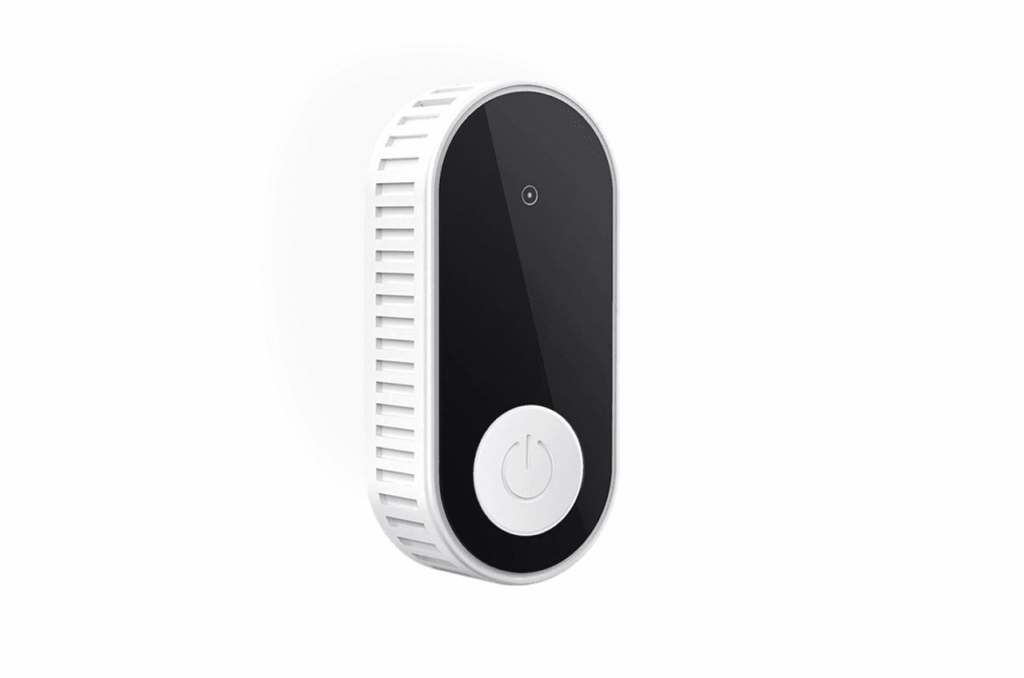
AssetTemp
The sensor. SHT30 temperature and humidity readings at ±0.5 °F and ±3% RH typical, sent over Bluetooth to a paired GPX tracker or gateway. IPX4, with replaceable batteries.
AssetTemp specs →
A data logger tells you a load got warm. It usually tells you after delivery, and it rarely tells you where. GPX pairs the AssetTemp sensor with a GPS tracker for cold chain monitoring in transit and in storage: every temperature and humidity reading arrives with a place and a time, and an alert fires while there is still time to act.
Condition plus location
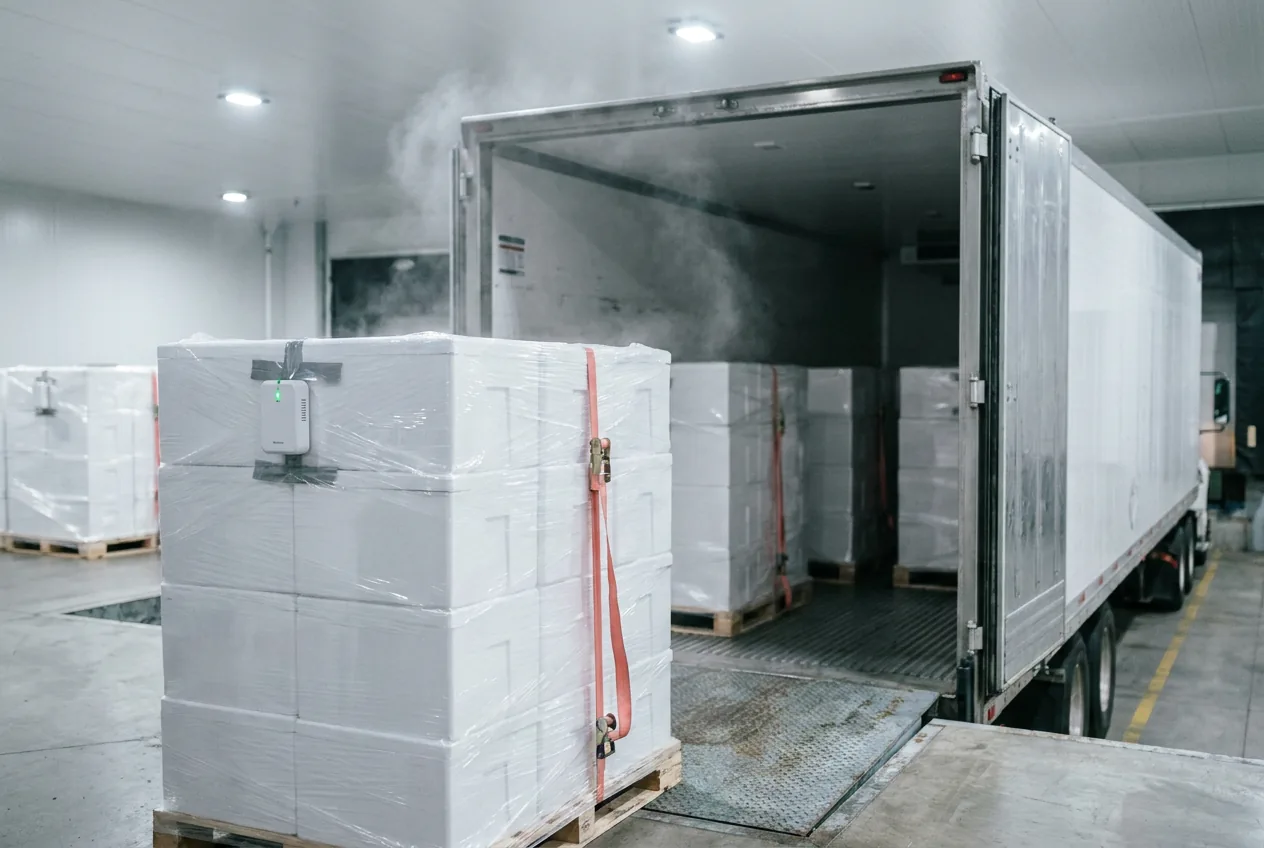
An out-of-range reading on its own starts an argument. The same reading with a place and a time attached settles it. That is the difference between monitoring a condition and tracking it.
See whether the excursion started at the dock, in the trailer or at a partner's warehouse, and which leg of the journey owns it.
An alert in transit gives a driver or dispatcher the chance to fix a reefer setting or reroute, instead of discovering the damage at the receiving door.
A timestamped temperature and humidity trace, tied to a route, is a record you can share with a carrier or customer rather than a debate about who was responsible.
Most loads arrive in range. A clean record shows it, which is what customers and auditors increasingly ask to see.
How it works
Three pieces, all on one platform. None of them needs wiring into the load or a person to download a file at the end of the trip.
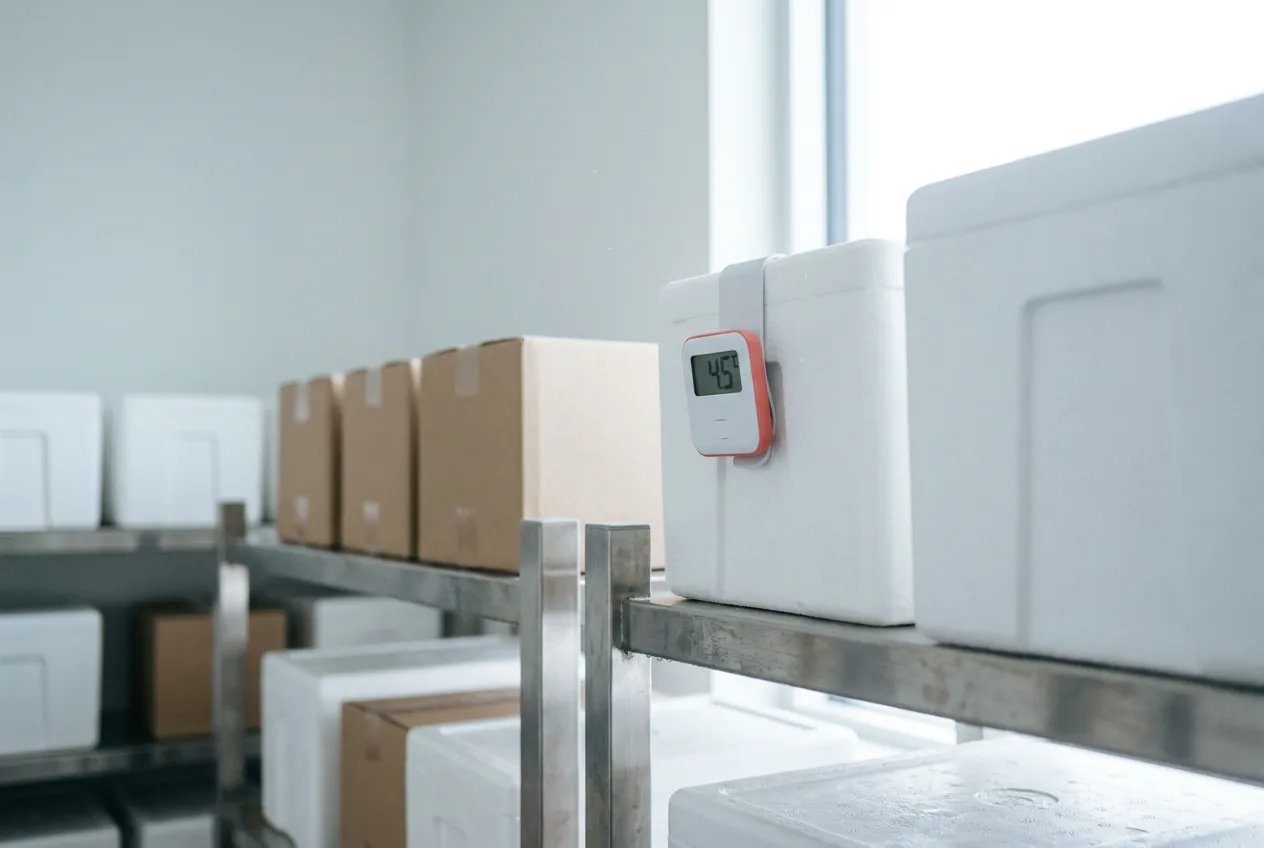
AssetTemp is a small Bluetooth sensor that lays flat on a pallet or sticks on with its built-in adhesive. Its SHT30 sensor reads temperature and relative humidity, and it runs on replaceable lithium batteries.
AssetTemp reports over Bluetooth to a paired GPX tracker or fixed gateway, up to 120 meters away in the open. That tracker adds its GPS position and sends both over the cellular network, so condition and location arrive together.
Set the temperature and humidity window for each load or site. Every reading is stored against the asset and its location, and the platform alerts you as soon as conditions drift past your thresholds.
The sensor
The numbers that matter when you set an alert range. Full detail is on the AssetTemp product page.
| Specification | AssetTemp |
|---|---|
| Sensor | SHT30, temperature and relative humidity |
| Temperature accuracy | ±0.5 °F typical from 32 to 140 °F, 0.2 °F resolution |
| Humidity accuracy | ±3% RH typical from 10 to 90% RH, 0.1% RH resolution |
| Operating range | −4 °F to 140 °F (−20 °C to 60 °C), 0 to 95% RH non-condensing |
| Connection | Bluetooth (BLE) 4.2, up to 120 m (about 390 ft) in the open to a paired GPX tracker or gateway |
| Power | Two replaceable 1.5 V lithium batteries |
| Enclosure | IPX4 splash-resistant, 2.76 × 1.27 × 0.72 in, 1.14 oz |
| Coverage | United States, Canada and Mexico, through the paired GPX tracker |
Shipping deep-frozen goods below −4 °F? Talk to us before you plan the deployment.
Choosing a method
All three can tell you a load left its range. They differ in when you find out, whether you know where, and how much work it takes to get the record.
| Standalone data logger | Indicator label | AssetTemp with a GPX tracker | |
|---|---|---|---|
| When you find out | After the trip, when the file is downloaded | At delivery, if someone checks it | During the trip, as an alert |
| Where it happened | Not recorded | Not recorded | Recorded with each reading |
| What you get | A reading log | A yes or no color change | Readings, location and time on one map |
| Labor | Retrieve and download each unit | Visual check on arrival | None after placing the sensor |
| Best fit | Records for loads nobody needs to watch live | Low-value loads and a simple pass or fail | Loads where a live alert can still save the product |
Where it is used
The product changes. The question does not: did it stay in its window the whole way, and if not, where did it leave it?
Medicines, vaccines and clinical supplies have narrow storage windows. A reading tied to a location shows which leg of the journey held the product and for how long. See pharma and life sciences.
Temperature drives shelf life and humidity drives quality for produce, flowers and baked goods. Tracking both, in storage and in the reefer, protects the margin on every load.
Adhesives, coatings and some chemicals are sensitive to heat and moisture. Condition records help show a batch was stored and moved within specification.
Condensation and heat damage components quietly. A humidity trace explains failures that would otherwise be put down to handling.
In transit and in storage
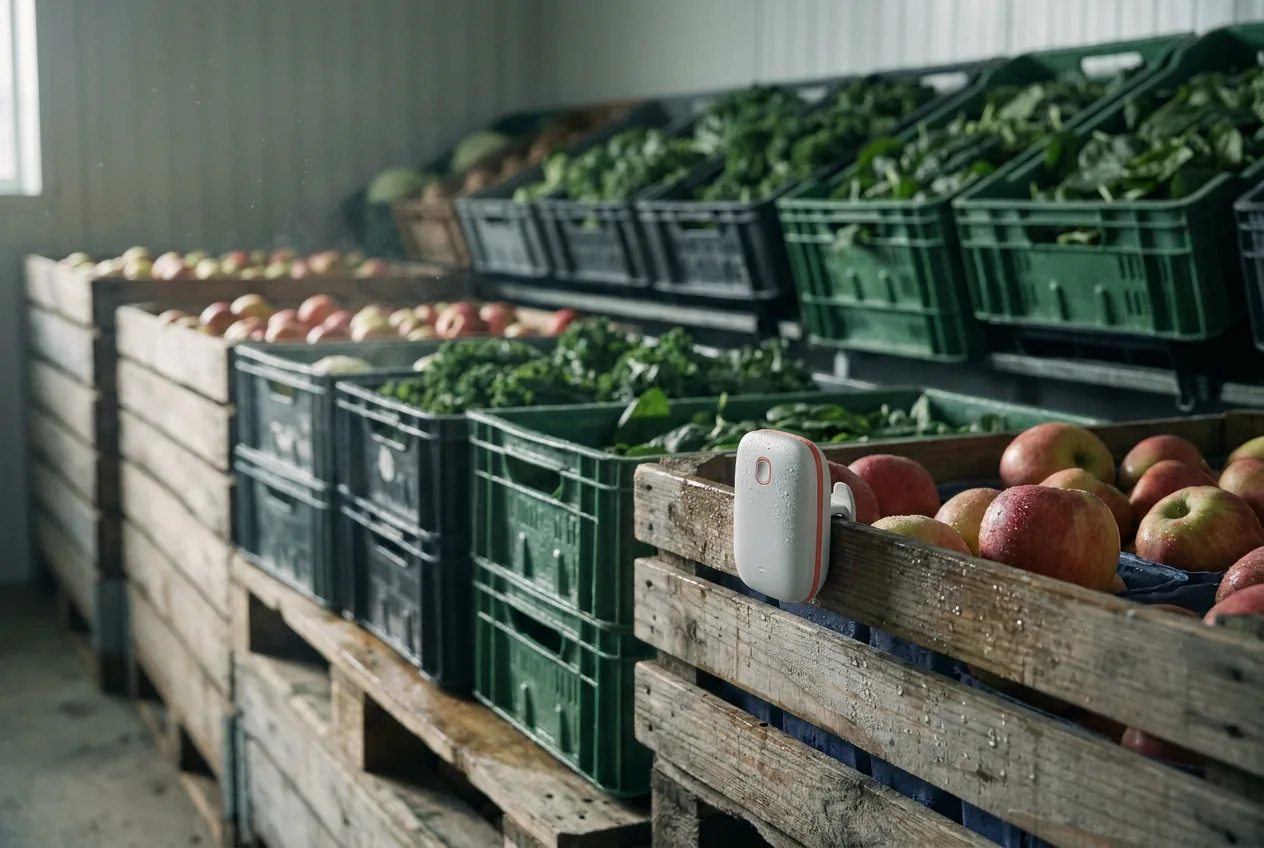
The same sensor works in both places. What changes is the device that carries its readings to the platform.
Pair AssetTemp with a tracker that travels with the load: AssetTrack Voyager for a shipment, or BLE RoadWired wired into the truck so it reads the sensors on board. Readings follow the route. See shipment tracking.
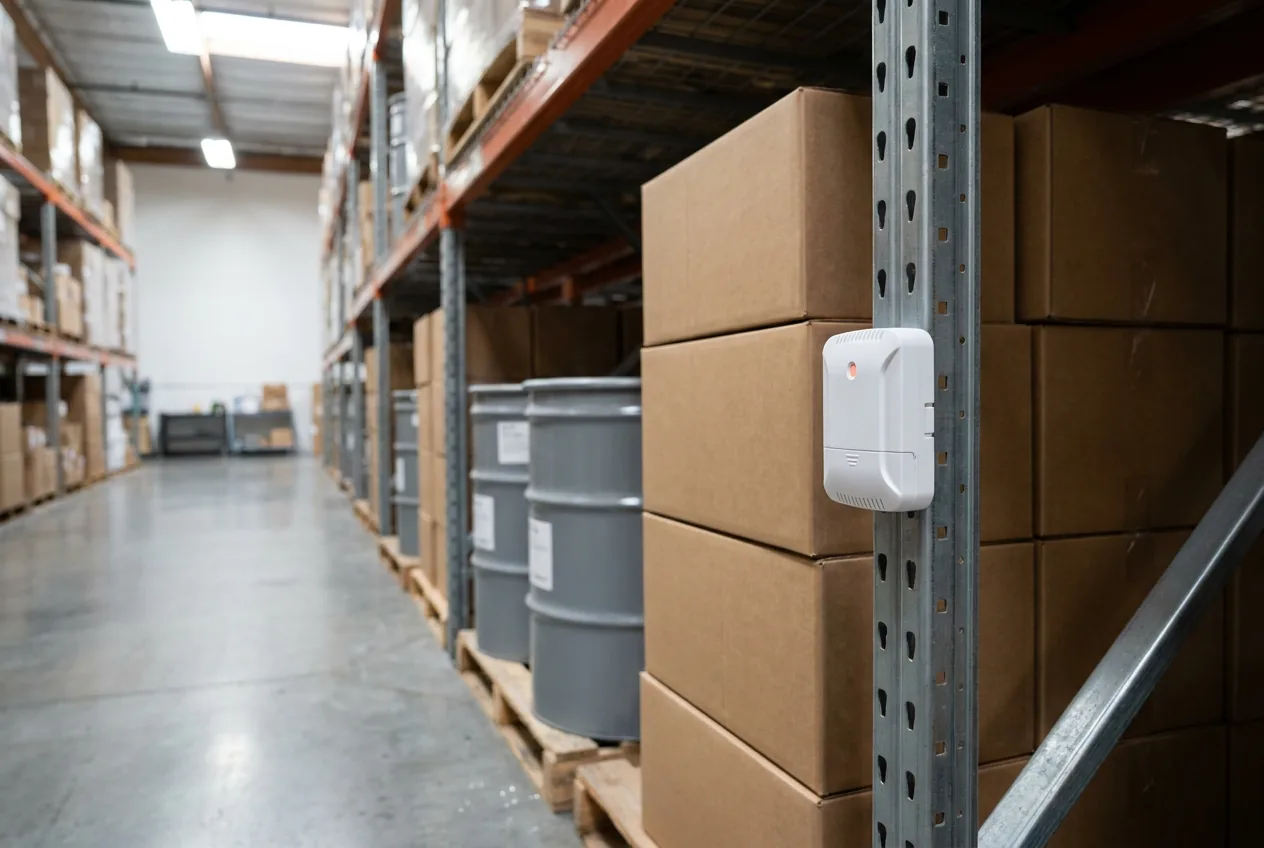
In a cold room, warehouse or yard, a tracker or fixed gateway nearby collects the readings, so every storage area has a continuous condition record without anyone walking the floor.
Docks and staging areas are where most excursions happen. Because each reading carries a location, you can see how long a load sat at the door before it went into the reefer or the cold room.
Hardware
The sensor. SHT30 temperature and humidity readings at ±0.5 °F and ±3% RH typical, sent over Bluetooth to a paired GPX tracker or gateway. IPX4, with replaceable batteries.
AssetTemp specs →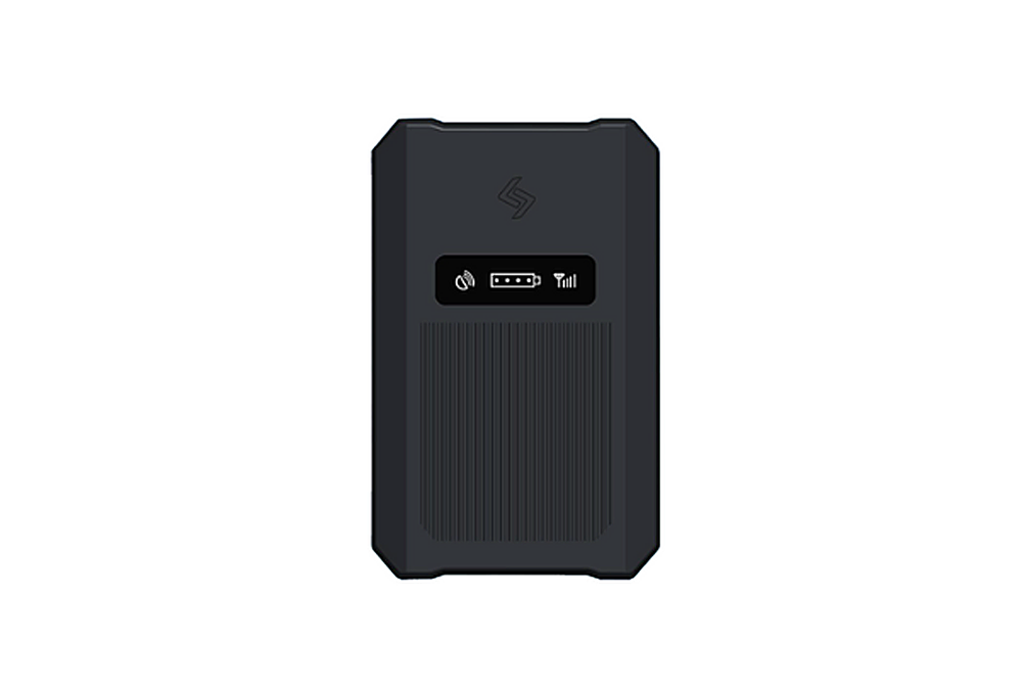
A GPS shipment tracker that rides with the freight, one way or recharged and shipped again. Pair it with AssetTemp to follow a sensitive load door to door.
AssetTrack Voyager specs →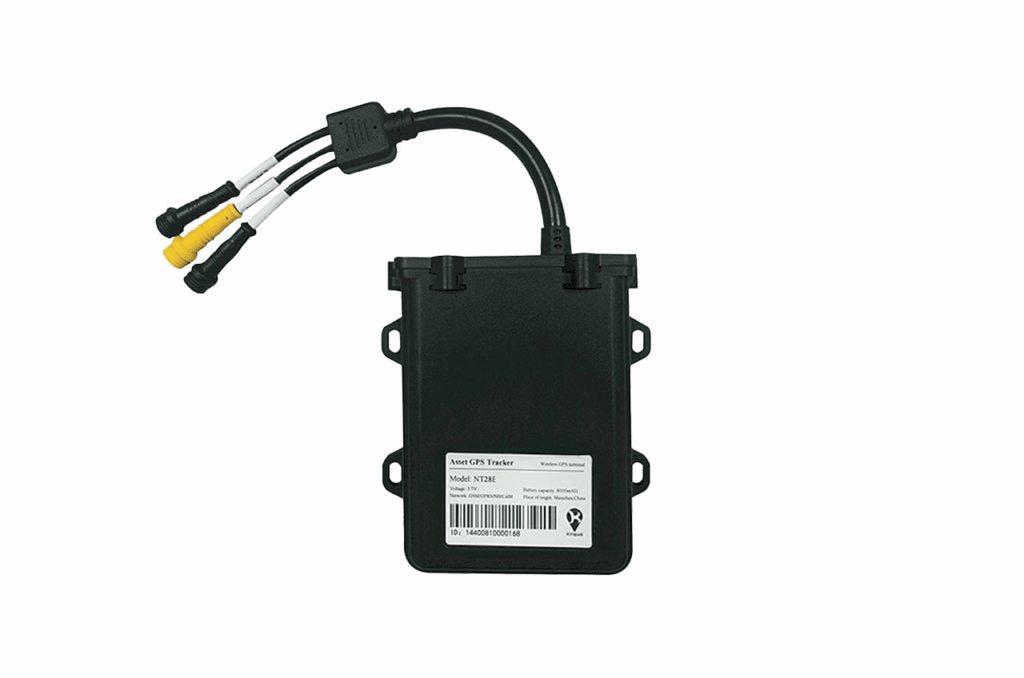
Hardwired GPS for trucks and trailers that also reads nearby GPX sensor tags, including temperature and humidity, so every equipped vehicle reports the condition of what it carries.
BLE RoadWired specs →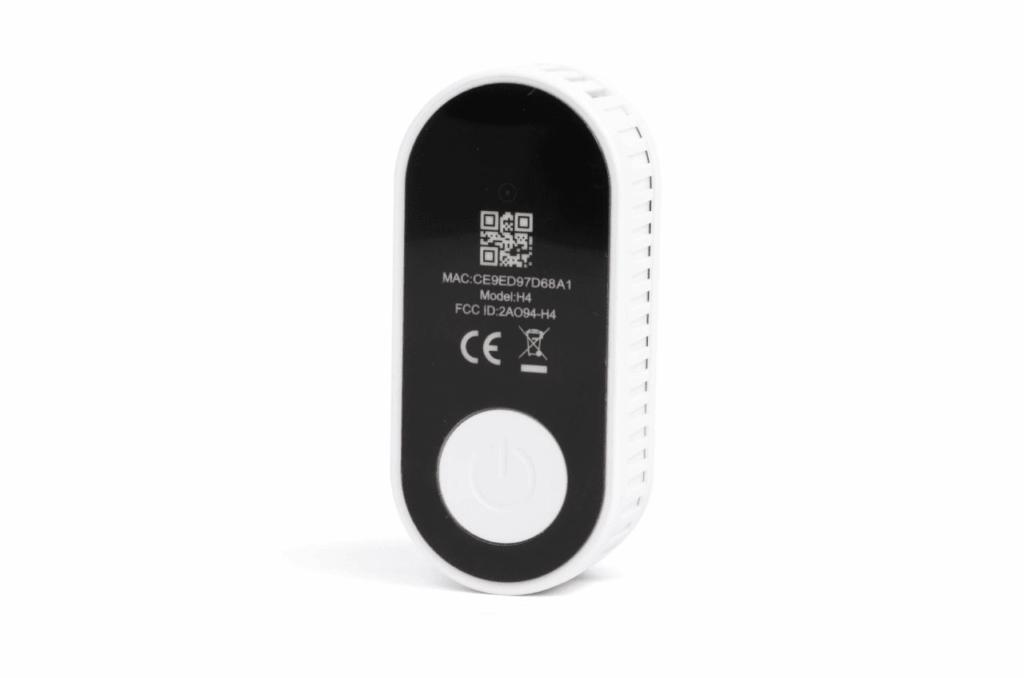
AssetTemp works on the same network as GPX Bluetooth tags, so condition and location for many assets can share one tracker. See how the BLE and GPS network fits together.
Compare all devices →Pricing
Cost depends on how many sensors you run and which trackers carry their readings: a sensor on every pallet in a reefer needs one tracker, a sensor in every shipment needs one each. We size it with you.
Quoted per deployment
Quoted as an add-on
Questions and answers
Temperature and humidity monitoring records the condition of goods as they are stored and moved, and ties each reading to a location and a time. With GPX, an AssetTemp sensor rides with the load and reports through a GPS tracker, so you can see not only that a load left its range but where and when it happened.
AssetTemp uses an SHT30 sensor with typical accuracy of plus or minus 0.5 degrees Fahrenheit between 32 and 140 degrees Fahrenheit, at 0.2 degree resolution, and plus or minus 3 percent relative humidity between 10 and 90 percent, at 0.1 percent resolution.
AssetTemp reports over Bluetooth to a paired GPX tracker or fixed gateway, up to 120 meters away in the open. The tracker adds its GPS position and sends the reading over the cellular network, so every reading is stored with a location.
Yes. You set the temperature and humidity window for each load or site, and the GPX platform alerts you as soon as a reading drifts past your thresholds, while the load is still in transit or in storage.
AssetTemp operates from minus 4 to 140 degrees Fahrenheit (minus 20 to 60 degrees Celsius) and from 0 to 95 percent relative humidity, non-condensing. That covers refrigerated and ambient goods. For deep-frozen loads below minus 4 degrees Fahrenheit, talk to GPX before planning a deployment.
AssetTemp is rated IPX4, which means it is splash-resistant. It lays flat on a pallet or attaches with its built-in adhesive, and its batteries are replaceable.
Pricing depends on how many sensors you run and which trackers or gateways carry their readings, so deployments are quoted individually. If you already use BLE-enabled GPX trackers, AssetTemp can be added to them without a new platform.
Start with one lane or one cold room. Put sensors on the loads, watch the readings build for a few weeks, then decide how far to take it.