New

Learned Shipment Corridors. Alerts that know how your freight moves →

Asset loss prevention

Asset loss prevention for equipment, trailers, cargo and containers

Most asset loss is not a dramatic heist. It is a trailer that left the yard at 2 a.m., a loader that was borrowed and never returned, or a stack of containers sitting at a customer site for three months. GPX finds each of them early: every asset reports its own location, geofences and tamper sensors raise the alarm, and your team recovers it while it is still a phone call.

  • Under 8 hours: typical recovery time GPX reports for stolen assets tracked with AssetTrack
  • As low as $45/yr per asset with AssetTag Pro, hardware included
  • Tamper and geofence alerts the moment something moves that should not
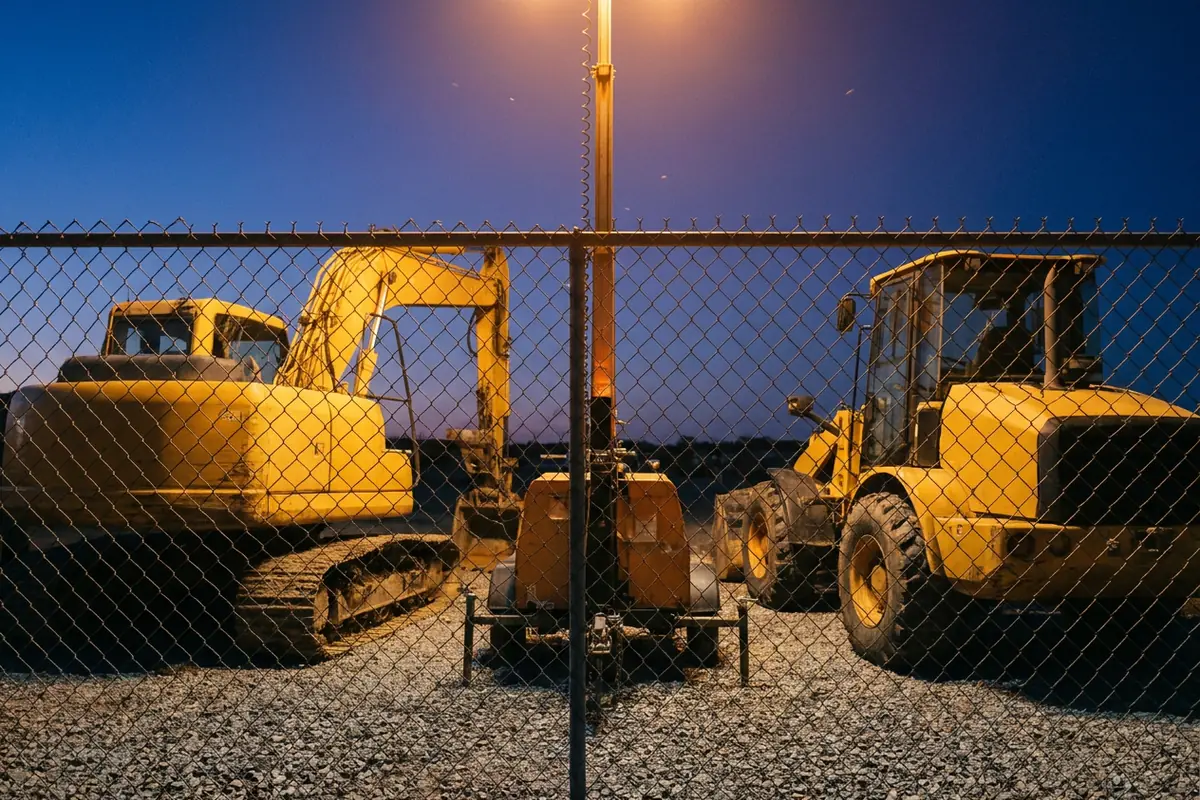
Yellow excavator, wheel loader and light tower parked behind a chain-link fence in a construction equipment yard at dusk, the kind of site asset loss prevention protects

Know the enemy

Where asset loss actually happens

Theft gets the headlines, but it is only one of three ways assets disappear. A loss prevention program that only guards the gate misses the other two, and they are usually the bigger bill.

Theft

Equipment, trailers and loaded freight are taken deliberately, often at night, on weekends or from unattended lots. Cargo theft alone is running at record levels: CargoNet recorded 3,625 incidents across the United States and Canada in 2024, up 27 percent on 2023, at an average estimated value of $202,364 per theft.
Drift

Assets leave on legitimate business and never come back. A rental machine stays on a second job site, a trailer sits at a customer dock, returnable racks pile up at a supplier who has no reason to send them home. Nobody stole anything, and the replacement bill is just as real.

Misplacement

The asset is on your own property, but nobody can find it. Tools in the wrong container, a pallet in the wrong bay, a light tower behind a building on a large site. Time spent searching is time the asset is not earning, and a unit you cannot find gets bought again.

The common thread is the same: the loss is discovered days or weeks late, when the trail is cold. Prevention starts with knowing sooner.

How it works

How GPX prevents asset loss: detect, alert, recover, deter

Asset loss prevention works when four things happen in order, fast. Each step below uses capabilities built into GPX trackers and the GPX platform.

  1. 1

    Detect

    Every tracked asset reports its location on a schedule you set, from once a day for long battery life to every few minutes. Motion-aware devices use an accelerometer to know when the asset starts moving, so a machine that should be parked is noticed the moment it rolls.

  2. 2

    Alert

    Geofences around each yard, job site, depot and customer turn raw locations into events: left the yard, arrived at the wrong site, sat too long. Anti-tamper sensors fire the moment someone tries to pull a tracker off, and Scout AI flags the moment an asset leaves its yard.

  3. 3

    Recover

    When something walks off, switch the tracker to continuous reporting from the GPX platform. AssetTrack then sends a fresh GPS fix every 5 minutes, so your team or law enforcement can follow it in near real time. GPX reports that most customers recover stolen assets in under 8 hours.

  4. 4

    Deter

    A fleet that is visibly tracked is a harder target, and a partner who knows dwell is measured returns assets faster. Loss reports show which sites, lanes and partners leak the most, so you fix the cause, not just the symptom.

By asset type

Loss prevention for every asset that leaves your sight

The risk looks different for a skid steer, a 53-foot trailer, a pallet of electronics and a steel rack. The approach is the same: give each asset its own location record and an alarm that fires before the trail goes cold.

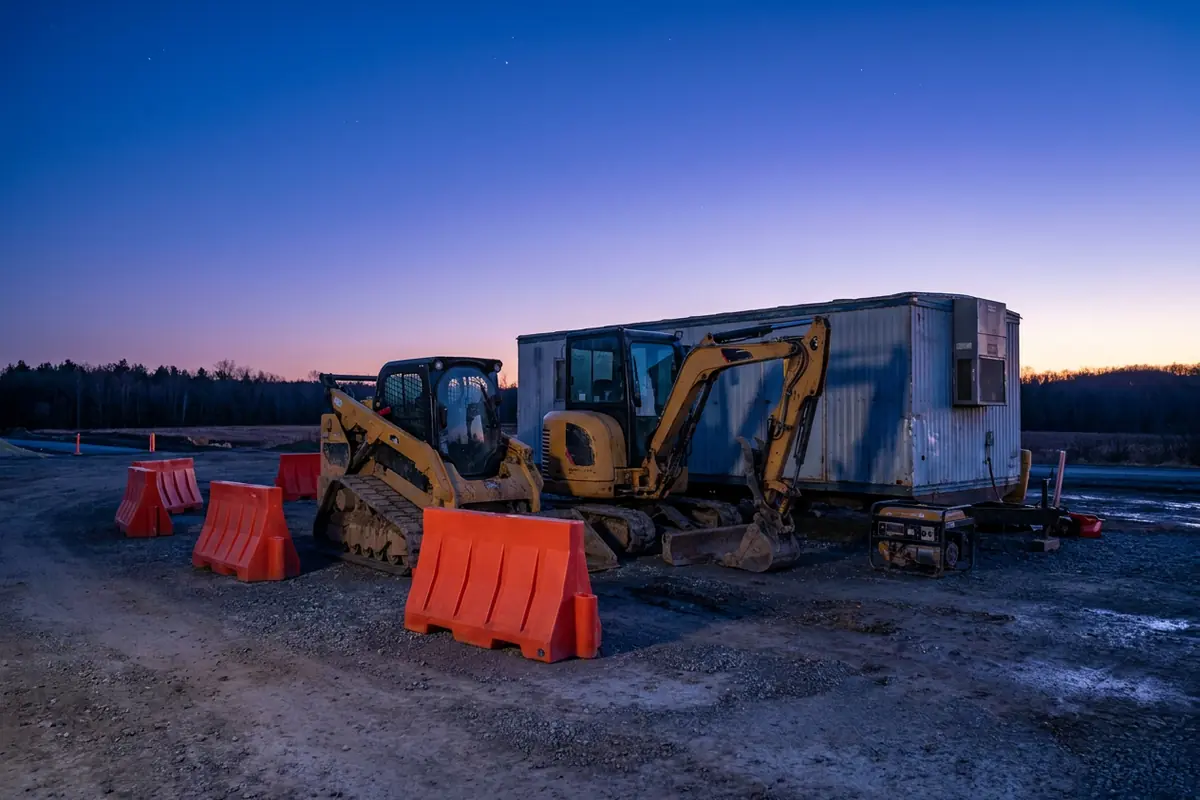
Compact track loader and mini excavator parked beside a job-site trailer and generator on an empty construction site at blue hour

Equipment and tools: equipment theft prevention

Construction and rental equipment is easy to load, hard to identify and often parked on open sites overnight. AssetTrack mounts magnetically, runs up to 10 years at one report per day, and can be switched to 5-minute reporting from the GPX platform the moment a machine goes missing. Smaller tools and attachments carry AssetTag Pro.

Equipment tracking →
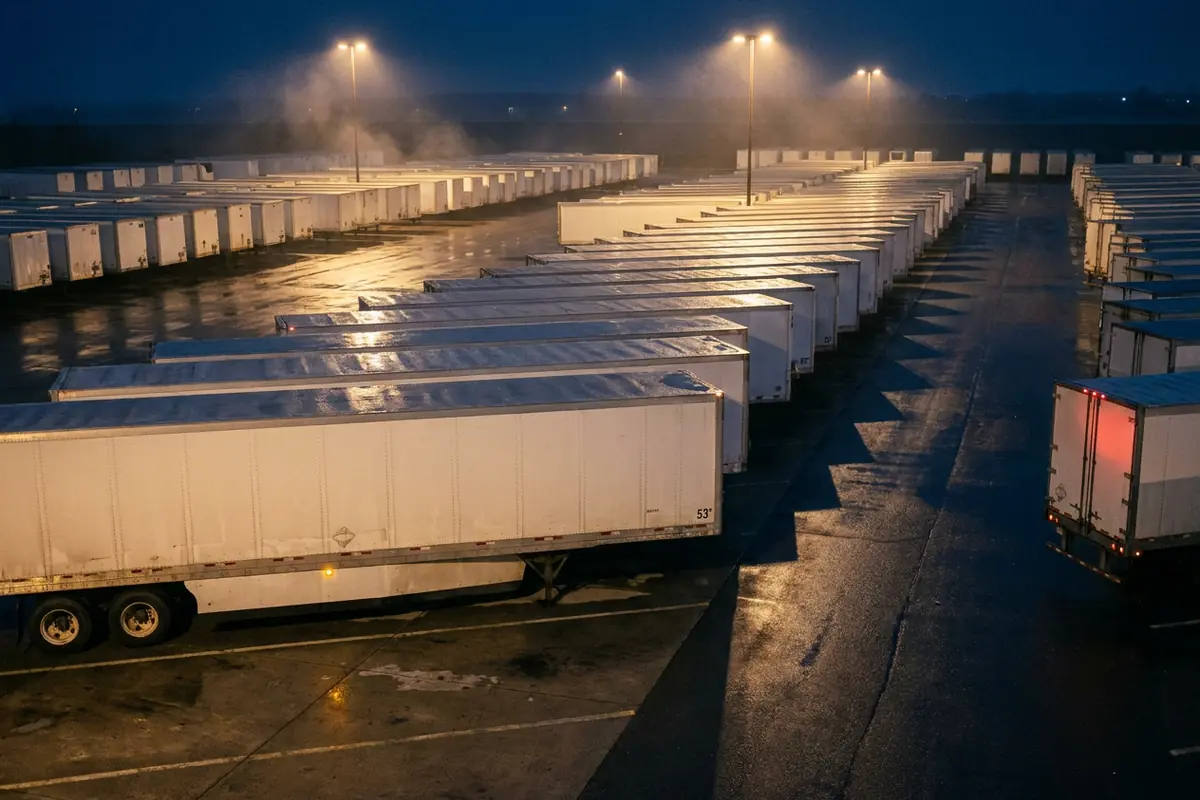
Rows of white semi trailers parked in a trailer drop yard at night under security lights on wet asphalt

Trailers and containers: trailer theft prevention

Dropped trailers sit unattended for days, which is exactly what thieves look for. A tracker with a tamper sensor and a yard geofence tells you the moment a trailer is hooked and moved without a dispatch, and where it is heading.

Trailer tracking →
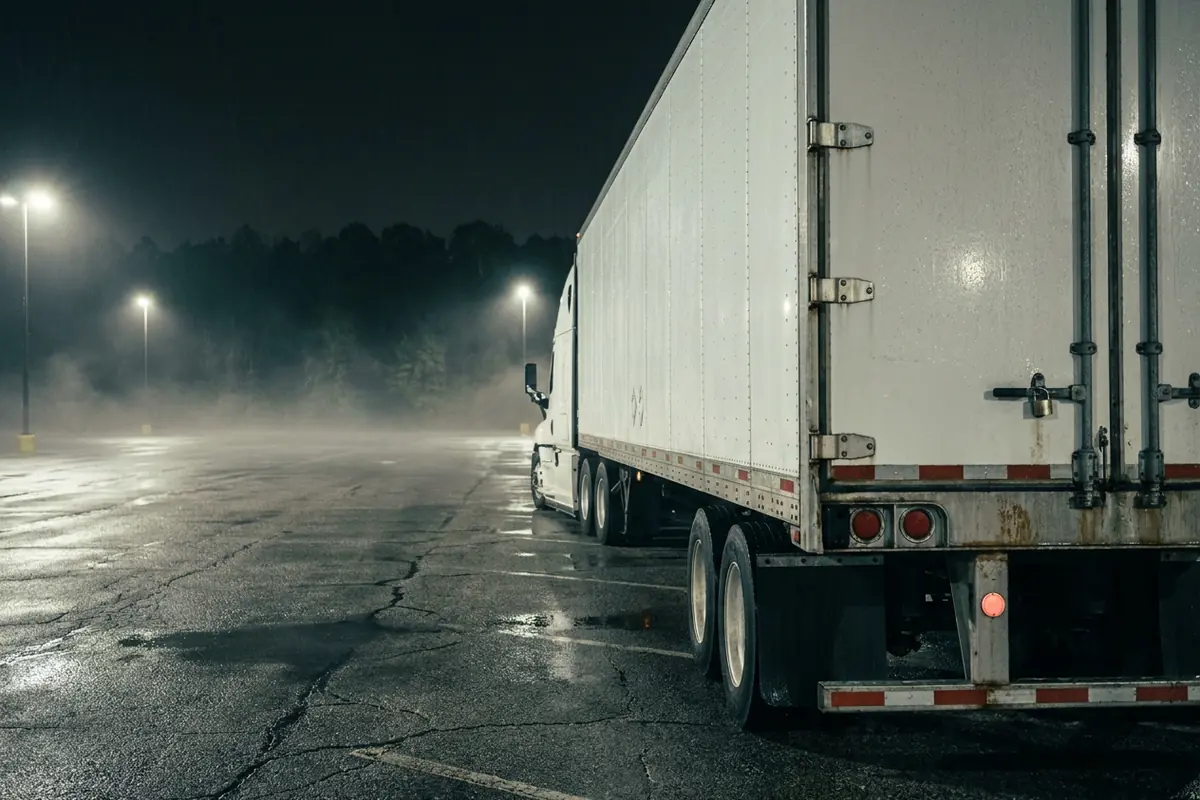
White semi truck and trailer parked alone in a misty truck stop lot at night with the trailer doors padlocked

Cargo and shipments: cargo theft prevention

High-value loads are most exposed at stops and handoffs. A covert AssetTrack Voyager inside the load, or a SmartLabel on the pallet, keeps reporting after the truck is gone, so a stolen shipment can still be found. Geofence-confirmed arrivals close the loop on every delivery.

Shipment tracking →
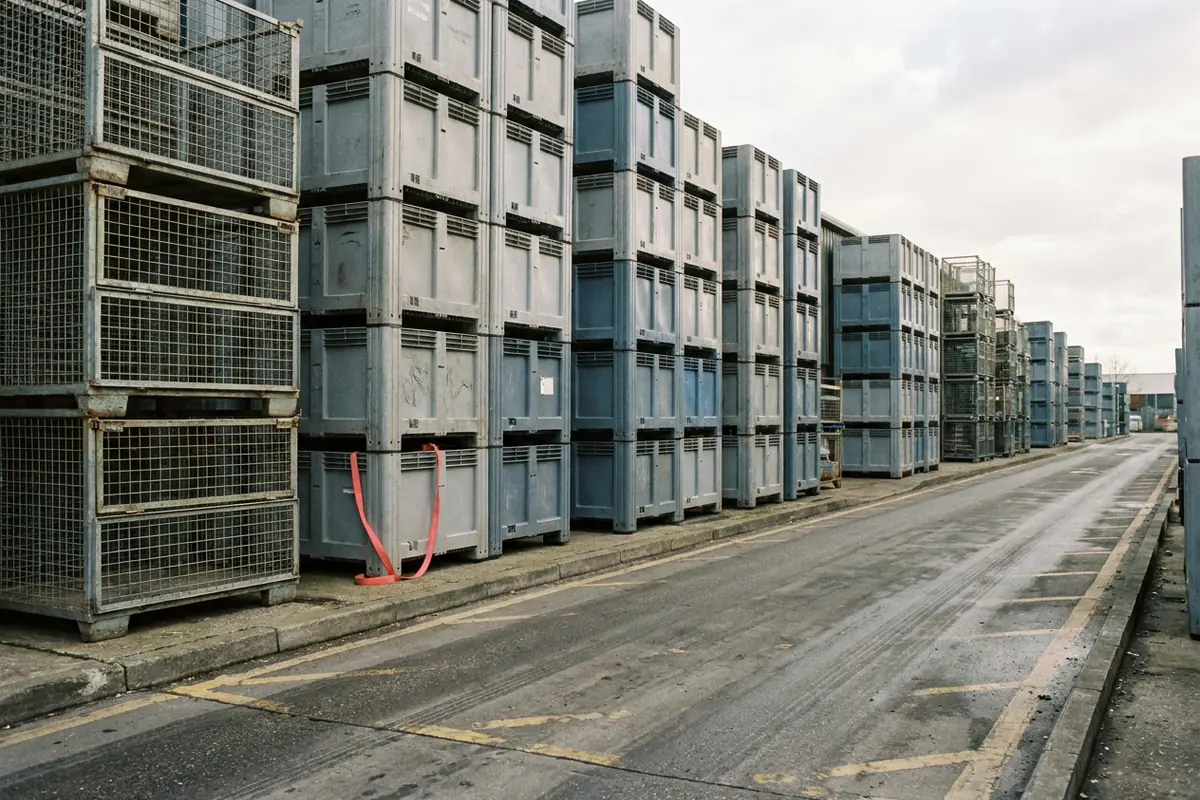
Tall stacks of grey and blue returnable plastic crates and steel wire containers in an outdoor supplier yard awaiting pickup

Returnable assets: preventing drift and write-offs

Returnable containers, racks, totes and pallets are rarely stolen. They drift, sitting at partner sites until the annual count writes them off. AssetTag Pro reports where each one is, and dwell alerts surface the sites holding more than their share.

Returnable container tracking → Pallet tracking →

Early warning

Tamper and geofence alerts: the first minutes matter

A GPS tracker for theft prevention is only as good as the alarm it raises. The goal is simple: learn about the problem while the asset is still close by, not when the job site calls on Monday morning.

Geofence exit

Draw a boundary around each yard, depot or job site. When an asset crosses it outside working hours, or without a dispatch, you get an alert.

Tamper sensor

AssetTrack, AssetTrack Mini, AssetTrack Charge and AssetTrack Voyager carry an anti-tamper sensor that alerts you if the device is removed.

Unexpected movement

Motion-aware trackers wake when the asset moves. Scout AI geofences every site in seconds and flags the moment an asset leaves the yard.

Silence and dwell

An asset that stops reporting, or sits somewhere far longer than it should, is often the first sign of drift. Both can trigger alerts.

Alerts go to the people who can act: the yard manager, dispatch or security. Tune them by site and by asset type so the important ones are never lost in the noise.

When something is taken

A theft recovery workflow that runs in hours, not weeks

1. Confirm the alert

Check the asset's last reports on the GPX map: when it left the geofence, which way it went and whether the tamper sensor fired.

2. Switch to live reporting

Turn on continuous reporting from the platform. AssetTrack moves to a GPS fix every 5 minutes, and AssetTrack Voyager can take a fix every minute while a shipment is moving.

3. Share the location

Give the live position to law enforcement or your recovery partner. A current, timestamped location is far more useful to a responding officer than a description of the asset.

4. Recover and review

Once the asset is back, the movement history shows how it left and where it went. That record helps with insurance claims and with closing the gap that let it happen.

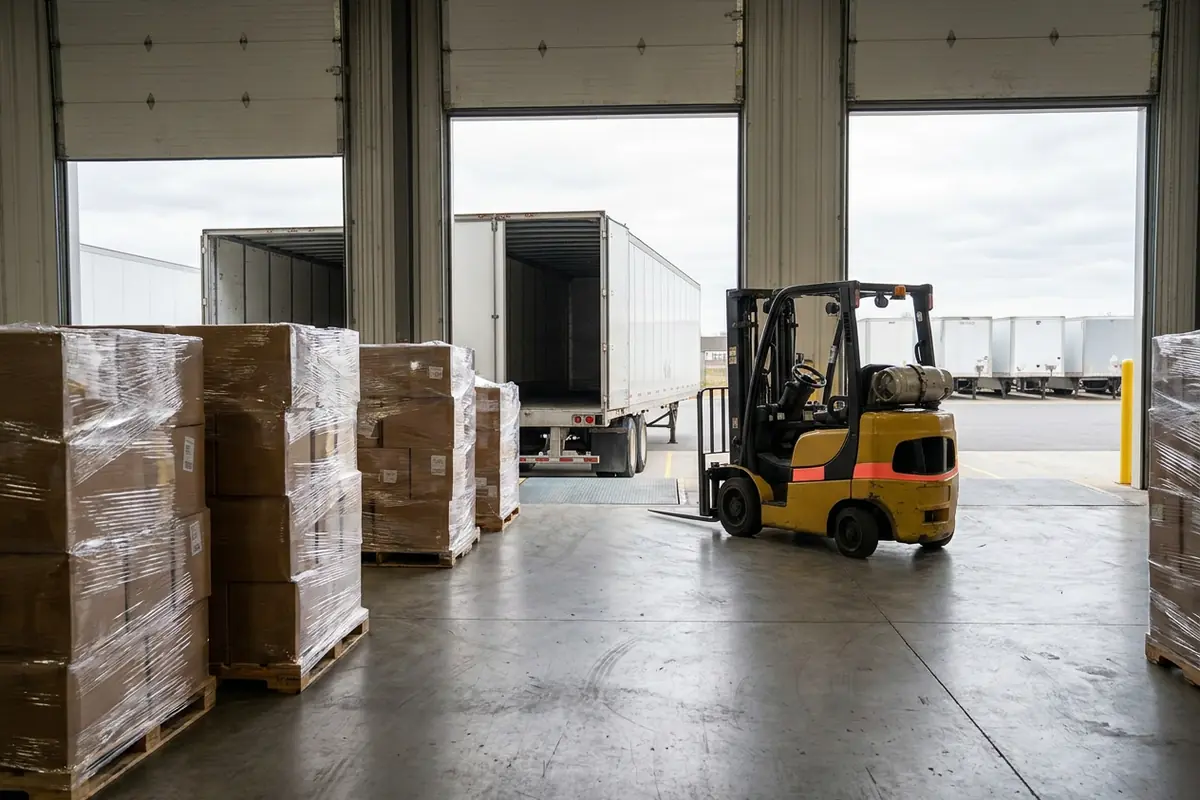
Shrink-wrapped pallets staged at open dock doors of a distribution center with a trailer backed in and a forklift in the mid-ground

Accountability

Loss reporting that shows where your assets leak

Prevention is not only about catching the next theft. It is about finding the sites, partners and processes that keep losing assets, and fixing them. A location history per asset turns loss from a year-end write-off into a number you can trace.

Loss by site and partner

See which yards, job sites, customers and suppliers are holding or losing assets, ranked, with the units involved.

Dwell and idle time

Find assets that have not moved in weeks. Idle equipment and stranded containers are the easiest losses to reverse.

Evidence for chargebacks and claims

A timestamped record of where an asset was, and who had it, supports chargebacks, insurance claims and conversations with partners.

Shipment loss prevention works the same way: a tracker on the load gives every handoff a time and a place, which is exactly what a claim needs.

Choosing an approach

No tracking vs RFID and barcodes vs GPX trackers

Every loss prevention approach sits somewhere on the same scale: how soon you find out, and how much it costs to keep working.

 No trackingRFID and barcodesGPX trackers
When you learn of a lossAt the next count or when a job needs the assetWhen the asset misses a scan or read pointWhen it leaves a geofence or the tamper sensor fires
Where it is nowUnknownLast read point onlyCurrent location, with live mode for recovery
InfrastructureNoneScanners, readers or portals at each siteNone, devices report over cellular and a terrestrial network
Off-site assetsInvisibleInvisible unless partners scanVisible at partner sites and in transit
Evidence after a lossNoneScan history inside your sitesFull movement history per asset
Best fitLow-value, easily replaced itemsItem identity inside a controlled buildingEquipment, trailers, cargo and returnable assets that travel

Already using RFID or barcodes? Keep them for identity inside the building and add trackers to the assets that leave it. The construction site theft prevention and cargo theft prevention guides go deeper on each setting.

Hardware

The trackers behind GPX loss prevention

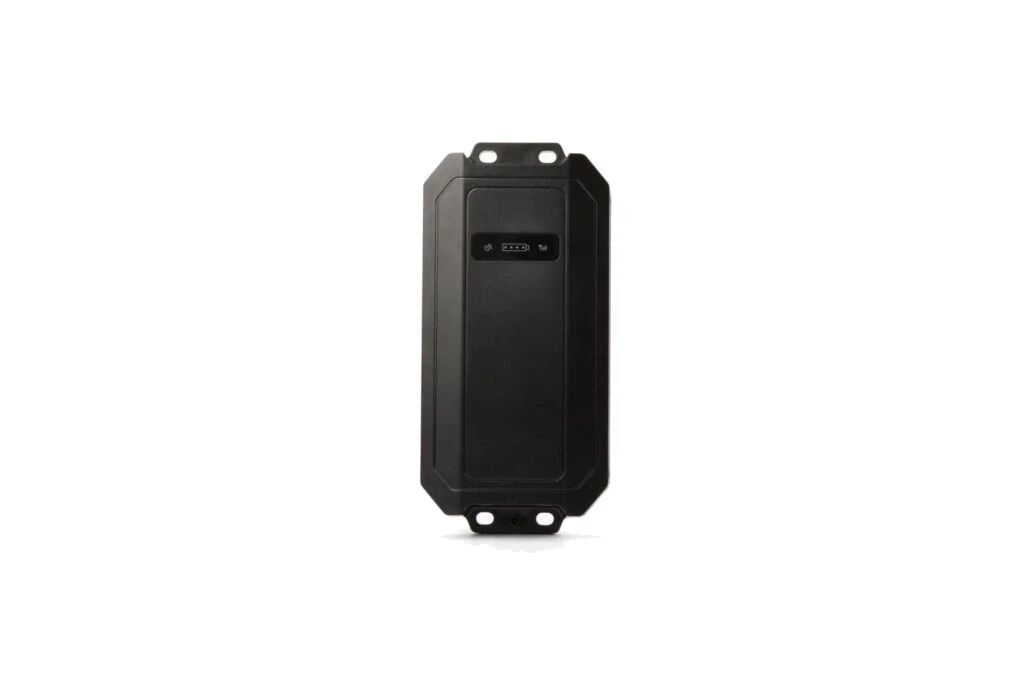
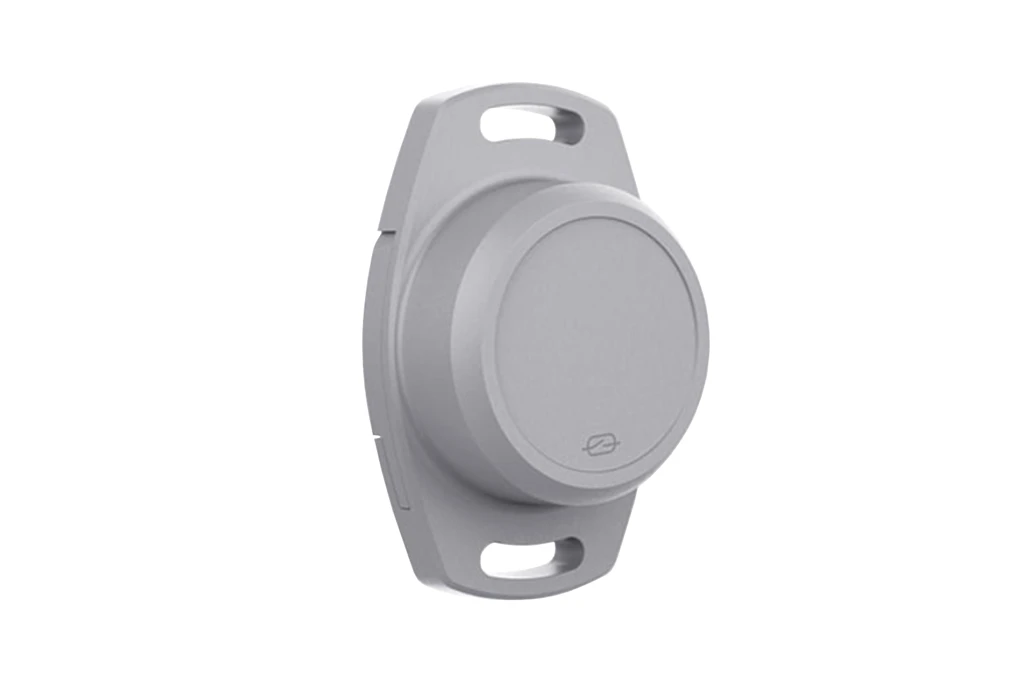
GPX AssetTrack rugged long-battery GPS asset tracker with magnetic case

AssetTrack

Rugged, magnetic, IP67 GPS tracker for heavy equipment, trailers and containers. Up to 10 years of battery at one report per day, an anti-tamper sensor, and continuous 5-minute reporting for theft recovery.

AssetTrack specs →
GPX AssetTag Pro Bluetooth (BLE) asset tracking tag

AssetTag Pro

A small tag for tools, attachments and returnable assets. Up to 3 years of battery on AssetTag Pro and up to 5 years on AssetTag Pro Max, with no charging and no SIM. Hardware is included in the subscription.

AssetTag Pro specs →
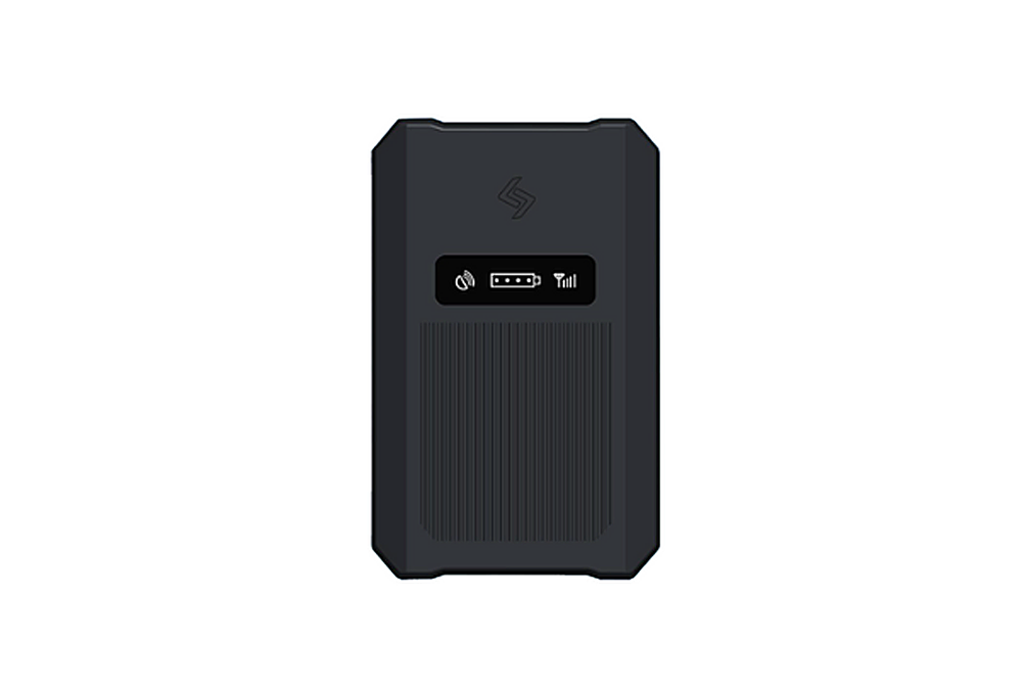
GPX AssetTrack Voyager rechargeable shipment GPS tracker with magnetic case

AssetTrack Voyager

A rechargeable tracker that rides with high-value shipments, with a tamper sensor and a hybrid mode that takes a fix every minute while the shipment moves. It charges and goes back out on the next lane.

AssetTrack Voyager specs →
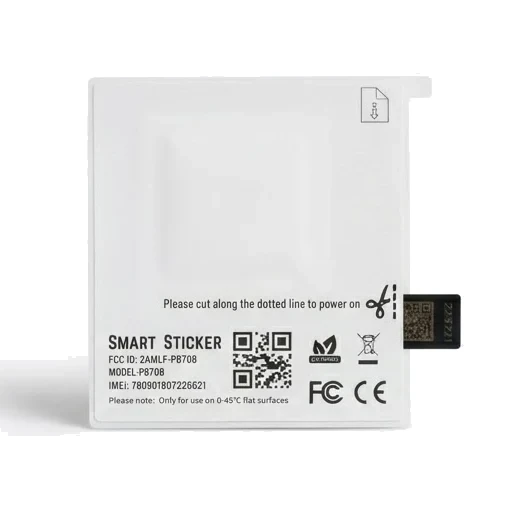
GPX SmartLabel disposable shipment tracking label

SmartLabel

A thin, disposable tracking label for one-way shipments. Tear the tab to activate it, stick it on the pallet or box, and the shipment reports until it is delivered, with tracking included.

SmartLabel specs →

Not sure which device fits? Compare every GPX tracking device.

Pricing

Asset loss prevention pricing

Compare the subscription with what one lost machine, trailer or load costs to replace. For most fleets, a single recovery covers years of tracking.

AssetTag Pro

As low as $45/yr per asset

  • Hardware included
  • Battery: AssetTag Pro up to 3 years, AssetTag Pro Max up to 5 years
  • Geofences, dwell alerts and loss reporting

SmartLabel

As low as $13per label

  • Tracking service included
  • Built for single, one-way shipments
  • Tear to activate, peel and stick

GPS trackers such as AssetTrack and AssetTrack Voyager are quoted per deployment. Final pricing depends on volume and term. Get a quote for your fleet.

Questions and answers

Asset loss prevention, answered

What is asset loss prevention?

Asset loss prevention is the set of tools and routines that stop equipment, trailers, cargo and reusable assets from being stolen, stranded at another site or misplaced. With GPX it means giving each asset its own location record, alerting on geofence exits, tampering and long dwell, and recovering the asset quickly when something goes wrong.

How does a GPS tracker help with theft prevention?

A GPS tracker tells you when an asset leaves the place it should be, and where it is going. GPX trackers pair location with geofence alerts and, on AssetTrack models, an anti-tamper sensor. When an asset is taken you can switch AssetTrack to a fresh GPS fix every 5 minutes and share the live location with law enforcement.

What is the best equipment theft prevention technology?

The most effective setups combine a rugged tracker that is hard to find and remove, alerts that fire the moment a machine leaves its yard or job site, and a way to follow it live once it is moving. Physical measures such as locks and lighting still help, but a tracker is what turns a theft into a recovery.

How fast can a stolen asset be recovered?

GPX reports that most customers recover stolen assets tracked with AssetTrack in under 8 hours. Recovery time depends on how quickly the alert is acted on and on local law enforcement, which is why geofence and tamper alerts matter as much as the tracker itself.

Can GPX prevent cargo theft?

It helps you catch it and recover it. A tracker hidden in the load, such as AssetTrack Voyager, or a SmartLabel on the pallet keeps reporting after the truck has gone, and geofences confirm each departure and arrival. That shortens the time between a theft and the moment someone is looking for the load.

Does loss prevention only mean theft?

No. Much of the loss in equipment fleets and returnable packaging is drift and misplacement: assets left at a customer or supplier site, or sitting forgotten in a corner of your own yard. Dwell alerts and loss reports by site find these before they are written off.

How much does asset loss prevention cost?

AssetTag Pro costs as low as $45 per asset per year with the hardware included, and SmartLabel costs as low as $13 per label with tracking included. GPS trackers such as AssetTrack and AssetTrack Voyager are quoted per deployment. Final pricing depends on volume and term.

Find out about the next loss while it is still close by

Start with the assets you lose most. Tag them, set the geofences, and see what the first few weeks of alerts and dwell reports turn up.

Get Pricing