

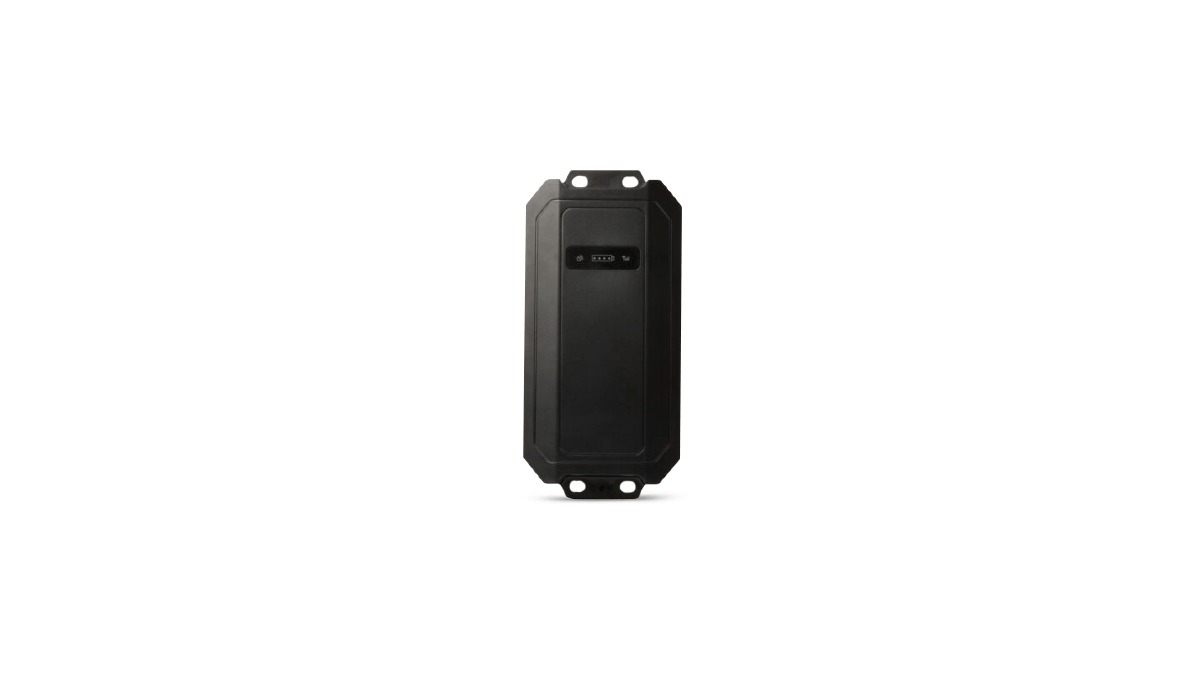
In manufacturing, what you can’t see costs you money. You manage high-value equipment, work-in-progress (WIP), and returnable transport items (RTIs) across a busy floor and a global supply chain. The global asset tracking market will climb from USD 24.14 billion in 2024 to USD 51.59 billion by 2030. Even with that spending, a wide visibility gap remains.
61% of industrial organizations struggle to monitor their critical assets. That gap is expensive. It drives lost tools, choppy production flow, and unplanned downtime that cuts straight into profit. The fix is not more dots on a map. It is intelligent tracking that turns location data into operational decisions. This guide compares the platforms leading that shift.
Key Takeaways
- Best fit for enterprises: GPX Intelligence leads on AI-driven, multi-network tracking that predicts delays instead of only reporting location.
- Match technology to environment: Metal-dense indoor floors, open outdoor yards, and in-transit goods each demand different networks, from BLE and RFID to GPS, cellular, and satellite.
- Integration decides ROI: The platforms that pay off connect cleanly to your ERP, MES, and WMS.
- Intelligence beats location: Predictive analytics and clear recommendations separate the leaders from basic trackers.
| Platform | Network | Best For | Starting Price | Key Strength |
|---|---|---|---|---|
| GPX | Multi-network (Cellular, BLE, GPS, Satellite) | Universal asset and fleet tracking | As low as $13 per label (Smart Labels) | Predictive AI and Scout AI analyst |
| Zebra Technologies | RFID, RTLS, Barcode | Large-scale logistics and workflow automation | – | Comprehensive hardware portfolio |
| Samsara | Cellular, GPS, BLE | Integrated fleet and asset management | – | User-friendly dashboard and AI insights |
| Honeywell | RFID, Digital Twin | WIP tracking and RFID optimization | – | FactorySense RFID specialization |
| Accruent | EAM/CMMS Integration | Asset lifecycle and maintenance management | – | Comprehensive EAM/CMMS suite |
| RFiD Discovery | Multi-tech (RFID, BLE, UWB, GPS) | Flexible multi-technology tracking for manufacturers | – | Wide range of tracking technologies |
The Data Gaps That Drain Manufacturing Efficiency
Before you pick a platform, get specific about the problems you need to solve. Strong manufacturing asset tracking clears the operational hurdles that drain efficiency and add cost. Done right, it moves your facility from reactive scrambling to proactive, data-driven work.
- Inaccurate or delayed asset data: Manual logs and outdated systems give you a lagging, often wrong picture of where assets are. Bad data breaks production planning, sends workers hunting for tools, and erodes trust in your records.
- Unplanned equipment downtime: When critical machinery fails without warning, the line stops. Without real-time monitoring and predictive maintenance, you pay for emergency repairs and blown deadlines.
- Loss and theft of high-value assets: Expensive tools, specialized equipment, and reusable containers vanish from a busy floor or yard. Replacement costs hurt, but the production bottlenecks hurt more.
- High implementation and integration costs: A new tracking system is a real capital expense. Hardware, licenses, network infrastructure, and ERP or MES integration work all add up fast.
- Technology sprawl and no standard: GPS, RFID, BLE, and UWB each come with their own proprietary platforms. That mix makes one unified view hard, especially across multiple sites and vendors.
- Regulatory compliance and safety gaps: In aerospace, pharma, and food production, tracking is mandatory for audits and safety. Weak tool control creates foreign object debris risk, and thin records fail FDA 21 CFR Part 11 or AS9100 checks.
- Skilled labor wasted on searching: When engineers, machinists, and operators spend shifts hunting for tools, equipment, or WIP bins, you pay premium wages for non-productive time and delay every downstream step.
- Scaling without re-platforming: A system that fits one plant pilot often breaks at multi-site, global scale. A platform that grows from a single facility to an enterprise network avoids a costly rebuild later.
1. GPX Intelligence
GPX Intelligence goes past simple location tracking to deliver AI-powered asset intelligence. It is built for enterprise manufacturing and supply-chain operations that need prediction, not just a map. GPX fuses data from a multi-sensor network into one view of every asset, whether it sits on the floor, in the yard, or in transit worldwide. The Scout AI™ engine reads that data in real time to predict delays, flag maintenance issues, and recommend adjustments that cut cost.
- Location: Austin, Texas, US
- Best for: Manufacturing enterprises that want to turn asset data into predictive operational intelligence.
- Pricing: Disposable Smart Labels start at $10, and platform pricing scales to your enterprise use case.
- Connectivity: Multi-network support across Cellular (4G/5G, LTE-M), GPS, BLE, Satellite, and Wi-Fi for full indoor and outdoor coverage.
- Standout features: Scout AI predictive analytics, multi-sensor data fusion, prescriptive workflow recommendations, and one platform for every asset type.
Advantages of GPX
- Delivers predictive ETAs and operational alerts, not just reactive location pings.
- Picks the right network for each asset and environment instead of forcing one technology.
- Consolidates tools, WIP, equipment, and vehicles into one clear interface.
- Scales from a handful of high-value tools to thousands of returnable containers worldwide.
- Turns raw data into clear business intelligence that lowers cost and lifts uptime.
- Integrates with your ERP, WMS, and MES to enrich enterprise data and automate workflows.
2. Zebra Technologies
Zebra Technologies is a heavyweight in enterprise data capture and automation. Its MotionWorks Enterprise solution gives manufacturers a full framework for real-time asset tracking. Built on a deep portfolio of RFID, RTLS, and barcode hardware, Zebra creates detailed visibility into work-in-progress, tool tracking, and material flow. It fits large operations that want to automate data collection and feed location data into core business systems.
- Location: Lincolnshire, Illinois, US
- Best for: Large-scale manufacturing and logistics that need comprehensive, real-time visibility and workflow automation.
- Connectivity: RTLS, passive and active RFID, and barcode systems, often paired with Wi-Fi.
- Standout features: MotionWorks Enterprise, a wide range of purpose-built hardware (scanners, printers, RFID readers), and deep ERP and WMS integration.
Upsides
- Decades of RFID and RTLS expertise with a massive install base.
- Hardware engineered for harsh industrial environments.
- Proven efficiency gains from automating data capture at scale.
- Strong integration with major enterprise software.
Trade-offs
- Full enterprise deployments carry a high initial cost.
- Rollouts get complex and often need heavy infrastructure planning and professional services.
- Overkill for smaller manufacturers with simpler tracking needs.
3. Samsara
Samsara is known for one platform that combines fleet management, video safety, and asset tracking. If you run vehicles alongside your plant, that combination is compelling. Its asset tracking uses GPS and cellular gateways plus smaller BLE tags for tools and equipment. The platform reports real-time location, utilization (engine hours, idle time), and geofencing alerts inside a clean interface.
- Location: San Francisco, California, US
- Best for: Teams that want real-time tracking, utilization insight, and maintenance alerts alongside vehicle fleet management.
- Connectivity: Cellular, GPS, and Bluetooth Low Energy (BLE).
- Standout features: One dashboard for vehicles and assets, AI-powered insight, strong utilization reporting, and simple hardware.
Upsides
- Software is intuitive and easy to use.
- One view for companies that run both fixed assets and a vehicle fleet.
- Strong reporting on asset utilization and health.
- Custom alerts for geofencing, movement, and maintenance thresholds.
Trade-offs
- Some users report hardware reliability issues and data lag.
- Support often slows after sales and onboarding.
- Usually requires a multi-year contract and a minimum asset count.
4. Honeywell (FactorySense)
Honeywell tackles asset tracking through its FactorySense.io software, part of a broader productivity and workflow suite. FactorySense centers on RFID for work-in-progress tracking, inventory management, and supply-chain traceability. It shows real-time asset location on the floor, automates data capture to cut manual errors, and builds a Digital Twin of operations for deeper analysis. It suits environments where many individual items flow through production.
- Location: Charlotte, North Carolina, US
- Best for: Facilities focused on WIP tracking, inventory management, and RFID-based traceability.
- Connectivity: Mainly RFID, with Digital Twin visualization and connections to other enterprise systems.
- Standout features: FactorySense.io RFID software, automated WIP data capture, real-time location, and MES and ERP integration.
Upsides
- Deep expertise in tuning RFID for complex manufacturing.
- Cuts manual labor and errors by automating production data capture.
- Clear visibility into real-time location and status of factory assets.
- Direct integration with existing manufacturing and enterprise software.
Trade-offs
- Heavy RFID reliance limits fit for some asset types and settings, like large outdoor yards.
- Older active RFID systems have faced battery life and reliability issues.
5. Accruent
Accruent takes a different angle, centered on the full asset lifecycle through its Enterprise Asset Management (EAM) and Computerized Maintenance Management System (CMMS) software. It is not a real-time location platform like GPS or RFID systems. It matters most for manufacturers focused on maintenance, reliability, and compliance. Accruent manages preventive and predictive maintenance, tracks work orders, controls spare-parts inventory, and supports regulatory compliance. The goal is maximum asset uptime across the full operational life.
- Location: Austin, Texas, US
- Best for: Organizations that need strong EAM and CMMS capabilities for lifecycle, maintenance, and compliance.
- Connectivity: Software integration with ERP and other business systems, not physical tracking networks.
- Standout features: Full EAM/CMMS suite, predictive maintenance scheduling, work order management, and support for FDA and ISO compliance.
Upsides
- Manages the entire asset lifecycle, from acquisition to disposal.
- Streamlines maintenance, reduces downtime, and lowers cost.
- Strong fit for industries with strict regulatory requirements.
- Well suited to maintenance-heavy, compliance-driven operations.
Trade-offs
- No granular, real-time tracking of moving assets the way GPS or RTLS delivers.
- A full EAM rollout is complex and lengthy.
- Focus stays on stationary, facility-based assets rather than in-transit goods.
6. RFiD Discovery
Part of Paragon ID, RFiD Discovery builds flexible tracking around a multi-technology approach. It designs systems with RFID, BLE, Ultra-Wideband (UWB), LoRa, and GPS, then picks the best fit for each use case. That makes it a strong option for manufacturers with mixed needs, from real-time location of tools and WIP on the floor to returnable containers in a large yard. Its TrackSphere software ties the data together for one view.
- Location: UK-based (part of Paragon ID)
- Best for: Manufacturers that need tailored, multi-technology tracking for assets, inventory, and WIP.
- Connectivity: RFID, BLE, UWB, LoRa, GPS, Wi-Fi, and NFC.
- Standout features: Technology-agnostic design, TrackSphere software, deep experience with returnable transport items (RTIs), and support for leaner production.
Upsides
- Wide range of tracking technologies, so the solution fits the specific need.
- Real-time visibility across the full cycle, from raw materials to finished goods.
- Cuts manual stock checks and supports leaner production.
- Specializes in fully integrated automation and tracking.
Trade-offs
- A multi-technology rollout often demands real infrastructure investment.
- As a UK-based company, North American support and deployment need a closer look.
- Public information leans toward tracking capability over analytics or prediction.
Define Your Core Problem Before You Buy a Platform
Picking a partner is a strategic call that shapes your efficiency for years, not just a technology purchase. Use these criteria to steer the decision:
- Define your core problem: Are you cutting tool loss, optimizing WIP flow, improving maintenance, or gaining supply-chain visibility? Name the primary problem first, because it drives the technology choice.
- Evaluate the environment: Decide where your assets live. Indoor tracking in dense metal, an outdoor yard, and global in-transit goods each call for different technology, from GPS to Cellular to BLE to RFID.
- Assess integration: A tracking platform earns its keep when it connects to your ERP, MES, and WMS. Confirm well-documented APIs and proven integrations with your current stack.
- Weigh total cost of ownership: Look past upfront hardware and software. Add installation, training, network fees, maintenance, and future upgrades. A cheaper system often costs more over its life.
- Prioritize data intelligence: Do not settle for dots on a map. The best platforms turn location data into predictive analytics, automated reporting, and clear recommendations.
Ready to move beyond dots on a map? GPX delivers the predictive insight and end-to-end visibility modern manufacturing demands. Get a demo and see how GPX turns your data into dollars.
Frequently Asked Questions (FAQs)
What does GPX Intelligence cost?
GPX pricing fits the scale and needs of each operation. Platform pricing is customized, and hardware costs stay transparent, with disposable, peel-and-stick Smart Labels starting as low as $13 per label. That range covers everything from high-value machinery to individual returnable containers.
How secure is the GPX platform for sensitive manufacturing data?
Security sits at the core of the platform. GPX uses enterprise-grade protocols, including end-to-end encryption for data in transit and at rest. Strict access controls and regular security audits protect your operational data from unauthorized access.
How long does it take to deploy GPX in a manufacturing facility?
Deployment time depends on scale and complexity. Simple rollouts with self-contained, battery-powered trackers go live in days. A larger implementation that integrates with your ERP or MES and installs gateway hardware runs over several weeks.
What types of manufacturing assets can GPX track?
GPX tracks the full range of assets that keep manufacturing moving. That includes high-value tools and equipment, work-in-progress (WIP) bins, forklifts and yard vehicles, returnable transport items (RTIs) like racks and containers, and finished goods in transit.