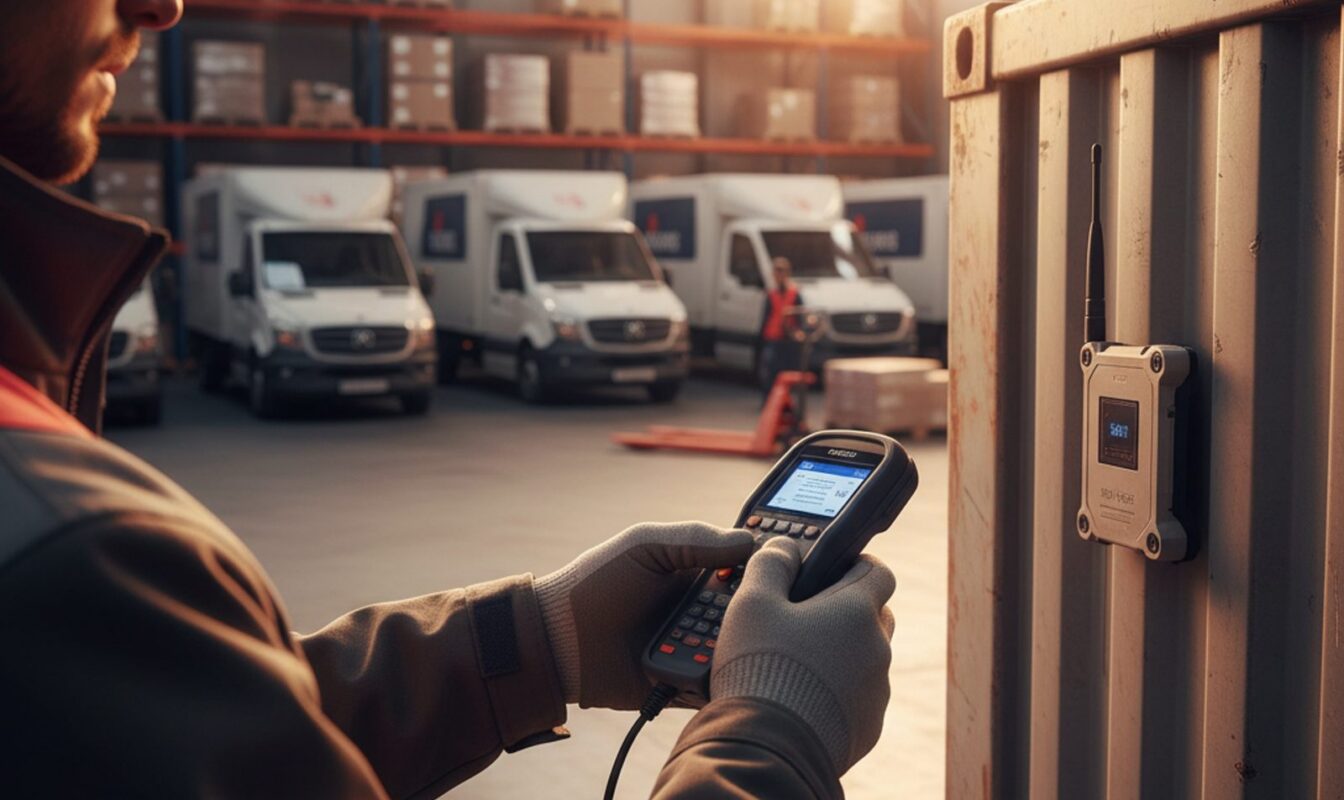


Managing a commercial van fleet is hard. Operational costs, from fuel to charging energy for electric vans, keep climbing. Vehicles get stolen. Last-mile pressure never lets up. Without real-time visibility, every van on the road is a black box, and that blind spot costs you money. Cargo theft across the U.S. and Canada hit $130 million in 2023, according to CargoNet. That is what is at stake when assets go unmonitored.
A strong GPS tracking system turns guesswork into data. You secure assets, optimize routes, and keep drivers safe. The leading platforms do more than show location. They deliver AI-driven insights that attack these problems head-on. McKinsey reports that data-driven fleet management cuts fuel consumption by up to 20% and maintenance costs by 10%. The right system turns your vans from cost centers into efficient, data-rich assets.
| Platform | Key Differentiator | Ideal For | Primary Technology |
|---|---|---|---|
| GPX | Scout AI Predictive Intelligence | Enterprise mixed-asset fleets | Multi-Sensor (GPS, BLE, Cellular, Satellite) |
| Samsara | All-in-one hardware and software suite | Large fleets needing video and compliance | Cellular and GPS |
| Motive | AI-powered dashcams | Trucking and safety-focused fleets | Cellular and GPS |
| Verizon Connect | Strong network coverage and integration | Large enterprises seeking an integrated provider | Cellular and GPS |
| Logistimatics | Affordable, no-contract hardware | Small businesses and personal use | 4G Cellular and GPS |
1. GPX: AI-Powered Intelligence for Van Fleets
GPX is an AI-powered asset intelligence platform that goes well beyond traditional GPS. It is built for complex enterprise operations. It manages more than vans: trailers, equipment, and returnable containers all live in one system. GPX pulls data from a multi-network mix of GPS, BLE, cellular, and satellite to give you the full operational picture.
Scout AI is the engine that sets GPX apart. This in-product intelligence delivers predictive ETAs, prescriptive maintenance alerts, and anomaly detection. It does more than plot dots on a map. Scout AI reads patterns and flags delays, security risks, and utilization gaps before they hit your business. Managers act early, automate workflows, and turn raw location data into real financial results. GPX also offers disposable Smart Labels: low-cost trackers for individual shipments and parcels inside your vans, so you get end-to-end visibility.
2. Samsara: The All-in-One Connected Operations Platform
Samsara is a major player with an integrated fleet management platform. It combines GPS tracking with video telematics, safety workflows, ELD compliance, and equipment monitoring. Large fleets that want one vendor for everything gravitate to this all-in-one model.
- Best for: Large, compliance-heavy fleets that want video safety in one unified system.
- Pricing: Usually multi-year contracts priced by hardware and software features.
- Standout Features: Sharp AI dashcams that flag unsafe driving. The interface is clean and the feature set runs deep.
Pros: One platform for vehicles, safety, and compliance. Strong video telematics and driver coaching.
Cons: Pricing runs high. The all-in-one model bundles features smaller van fleets skip.
3. Motive: AI-Driven Fleet Management and Safety
Motive, formerly KeepTruckin, started with an easy ELD compliance tool and grew into a full fleet management platform. Its focus is AI for safety and operations. The Motive AI Dashcam anchors the offering, spotting risky driving and automating safety coaching.
- Best for: Trucking and logistics fleets focused on safety, compliance, and spend management.
- Pricing: Subscription-based, priced by hardware and software tier.
- Standout Features: The Motive Card handles fuel and corporate spend. The safety AI is well-trained and central to the pitch.
Pros: Strong AI safety features. Integrated spend management simplifies fuel and expenses.
Cons: Historically built for long-haul trucking more than light-duty vans or mixed fleets.
4. Verizon Connect: Enterprise-Scale Fleet Solutions
Verizon Connect runs on one of the largest cellular networks in the country. That reach gives it reliable fleet tracking for businesses of every size, and it shines with large enterprises. The platform tracks vehicles, manages driver performance, optimizes routes, and schedules maintenance.
- Best for: Enterprises already on Verizon or those that need top network reliability at scale.
- Pricing: Custom quotes, usually on a multi-year contract.
- Standout Features: Deep integration with other business systems, detailed reporting, and strong customization.
Pros: Excellent network coverage and reliability. A mature, feature-rich platform for complex enterprise needs.
Cons: One of the pricier options. The depth can overwhelm smaller businesses with simple tracking needs.
Why Van Fleet Costs Keep Rising Without Visibility
Running a commercial van fleet means facing the same problems every day. Asset security comes first. Every van and its cargo is a major capital investment exposed to theft. Poor routing and heavy idling drive up fuel spend, still the largest variable cost for most fleets. Fleets adding electric vans inherit a new set of problems: range anxiety, battery-health monitoring, and charging schedules that must line up with route demands. Driver shortages compound the pressure, so retention now hinges on safer routes, fair performance data, and tools drivers actually want to use. Rising insurance premiums add another squeeze, and underwriters increasingly want tracking data before they approve usage-based insurance (UBI) rates. Without real-time data, managers fall back on old reports and guesswork. That makes real optimization almost impossible.
Which GPS Trackers Are Best for Delivery Vans and Last-Mile Routes?
For last-mile routes, a GPS tracker has to do more than report location. It has to keep pace with the speed and complexity of modern delivery. AI-powered route optimization adjusts in real time to traffic, weather, and new pickups. Geofencing automates arrival and departure alerts at customer sites and sharpens service. Trackers that watch harsh braking and rapid acceleration promote safer driving and cut fuel waste. For high-value goods, package-level trackers add end-to-end security and visibility.
What Is the Most Reliable System for Managing Mixed Fleets?
Mixed fleets combine vans, heavy trucks, trailers, and non-powered gear like containers and generators. Legacy tracking systems struggle here. The most reliable answer is a unified platform that ingests data from many sensor types. Vans and trucks run hardwired OBD-II or J-1939 trackers for engine diagnostics. Trailers need long-life battery trackers. Individual assets often use low-cost BLE tags. GPX pulls all these streams into one view. You see your entire asset universe, whatever the asset type or connection, for full utilization and security monitoring.
Beyond Dots on a Map: From Traditional GPS to AI Asset Intelligence
Fleet technology has moved from basic GPS to AI asset intelligence. Legacy systems showed dots on a map, a reactive look at where your vans had been. That was progress, but it misses the predictive power modern operations demand. AI platforms read location data, sensor readings, and historical trends to forecast outcomes. They predict arrival times with high accuracy. They flag a vehicle heading for maintenance. They catch a route deviation the moment it happens. Modern logistics teams treat tracking as an intelligence layer, not a status page.
What to Ask Before Signing a Fleet Tracking Contract
Choosing a GPS tracking partner shapes your entire operation. Weigh every option against these criteria:
- Scalability and Asset Diversity: Does it support your current vans, future growth, and other asset types? Mixed-fleet support pays off over time.
- Total Cost of Ownership (TCO): Look past the monthly fee per vehicle. Factor in hardware, installation, contract length, and real savings on fuel, maintenance, and insurance.
- Data and Analytics Capabilities: Does the platform report data or deliver insight? Look for predictive analytics, anomaly detection, and dashboards you can customize.
- Hardware and Sensor Options: Check the range and durability. Does the provider offer hardwired, battery-powered, and disposable trackers? Flexibility matters.
- Integration and Support: How easily does it connect to your TMS or ERP? Weigh the provider’s support and training reputation, since both matter at deployment.
The right platform does more than track your vans. It drives new levels of efficiency, security, and profitability. See how the GPX platform transforms your fleet operations, and get a demo to put AI-powered asset intelligence to work across your vans, trailers, and shipments.
For simpler consumer or small-business needs, budget GPS brands like Logistimatics or Tracki cover basic vehicle and personal tracking, though without the scale, multi-year battery life, and analytics that a business-grade platform provides.
Frequently Asked Questions (FAQs)
What’s the difference between GPX and Samsara, Motive, or Verizon Connect?
All three are leaders, but their focus differs. Samsara, Motive, and Verizon Connect are vehicle-centric telematics providers built around driver safety, compliance, and diagnostics. GPX specializes in AI-powered asset intelligence for mixed environments. It tracks vehicles, trailers, containers, and individual shipments.
What is the typical cost of a GPS tracking system for vans?
Cost depends on hardware type, contract length, and features. Disposable options like GPX Smart Labels run about $9.75 per unit with a $3.50 monthly subscription, while hardwired trackers carry a monthly data fee per vehicle. Weigh total cost of ownership against fuel, maintenance, and insurance savings, not just the sticker price.
Can GPS trackers help manage an electric (EV) van fleet?
Yes. Modern tracking platforms monitor battery state of charge, flag range risks before a van is stranded, and align routes with charging windows. For mixed fleets running both electric and combustion vans, GPX unifies location, battery, and utilization data in one view, so managers optimize charging schedules and route assignments together.
How long does it take to deploy GPX across a fleet or facility?
Deployment time depends on fleet size and complexity. Plug-and-play OBD-II trackers install in minutes per vehicle. A full enterprise rollout with system integration is a structured process. Our deployment specialists manage it to keep disruption low.