
Running a commercial truck fleet means solving the same hard problems every day: keeping assets secure, controlling fuel spend, and keeping drivers moving. One stolen or delayed shipment can cost you money and customers at once. Cargo theft is climbing fast. The National Insurance Crime Bureau reports that cargo theft events jumped 57% in the second quarter of 2023 versus a year earlier. Costs are rising too. The American Transportation Research Institute found the average marginal cost of operating a truck hit a record $2.27 per mile in 2023.
A modern GPS tracker for trucks does more than show dots on a map. Today’s platforms act as a command center. They turn raw location data into decisions that protect assets, tighten operations, and grow profit.
| Platform | Best For | Key Technology | Hardware Type | AI Capabilities |
|---|---|---|---|---|
| GPX | Enterprise-wide asset intelligence and mixed fleets | GPS, BLE, Cellular, Satellite, WiFi | Hardwired, battery-powered, peel-and-stick labels | Predictive ETAs, anomaly detection, prescriptive insights via Scout AI |
| Samsara | Large-scale vehicle fleets and compliance | GPS, AI Dash Cams, OBD-II | Vehicle gateways, asset trackers, dash cams | Driver coaching, fuel efficiency analysis |
| Motive | Driver-centric ELD compliance and fleet management | GPS, ELD, AI Dash Cams | Vehicle gateways, smart dash cams | Automated compliance, driver safety scoring |
| Verizon Connect | Integrated fleet and workforce management | GPS, Cellular | Hardwired devices, plug-in trackers | Dispatching, route optimization, driver management |
| Logistimatics | SMBs and individual asset protection | GPS, 4G Cellular | Portable magnetic trackers, plug-in devices | Basic location history and alerts |
GPX: AI-Powered Asset Intelligence
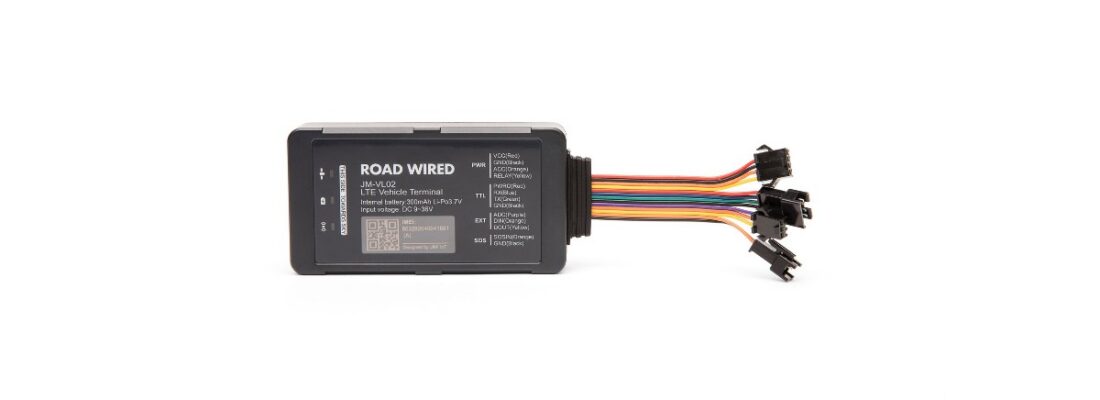
GPX runs an AI-powered asset tracking platform that shows your whole operation in one place: trucks, trailers, equipment, and inventory. It goes past basic tracking by fusing GPS, BLE, cellular, and satellite data into one live view. Our Scout AI engine reads that data to predict ETAs, flag anomalies before they turn into problems, and tell your team what to do next. Pick rugged long-life battery trackers, hardwired devices, or peel-and-stick Smart Labels. Either way, GPX gives you the clarity to cut costs, tighten security, and keep customers happy.
- Predictive Intelligence: Scout AI delivers proactive guidance, not just raw data points.
- Multi-Sensor Fusion: GPS, BLE, cellular, and satellite cover your assets indoors and out.
- Total Asset Visibility: Track vehicles, heavy equipment, returnable containers, and pallets on one platform.
- Flexible Hardware: Choose from a full device range, including low-cost disposable Smart Labels for shipment tracking.
- Enterprise Integration: Connect to your ERP, TMS, and WMS through open APIs for one clean data workflow.
Samsara
Samsara is a big name in connected operations. Its platform pairs vehicle tracking with AI dash cams and equipment monitoring, and large fleets like it for safety and compliance. It reports on driver behavior, vehicle health through OBD-II diagnostics, and fuel use.
- Strengths: Strong video safety tools. Solid ELD compliance and driver coaching. A clean, well-liked interface.
- Drawbacks: Built mostly around vehicles, with less depth on non-powered assets or in-transit shipments. Pricing runs high for smaller fleets.
Motive
Motive, once KeepTruckin, made its name on an easy Electronic Logging Device (ELD) for truck drivers. It now offers a full fleet management software platform with GPS tracking, smart dash cams, and an AI safety program. Fleets that put driver workflow and simple compliance first tend to pick it.
- Strengths: Strong brand recognition with drivers. Simple ELD and compliance tools. A good fit when driver adoption matters.
- Drawbacks: The platform centers on drivers and vehicles, with less focus on trailers, containers, and yard management.
Verizon Connect
Verizon Connect brings fleet tracking and workforce tools together under a large telecom parent. Fleets of every size rely on its reliability and scale. The platform covers route optimization, dispatching, and detailed reporting to lift efficiency and control costs.
- Strengths: Dependable network. Strong dispatching and route planning. Ties into other Verizon business services.
- Drawbacks: It can feel corporate and slower to move than smaller rivals. Reviewers sometimes call the interface dated.
Why Trucking Margins Erode Without Route and Idle Data
A trucking operation faces a steady set of problems that erode margin and disrupt service. A strong GPS tracking system takes them head on with the right data and controls. Fuel burns on inefficient routes and long idle windows. Vehicle and cargo theft threatens loads around the clock. Surprise maintenance pulls earning assets off the road. Rising insurance premiums add more pressure, and fleets that deploy advanced tracking and video safety tools often qualify for lower rates. Manual IFTA fuel-tax reporting drains administrative hours that should go to dispatch. End customers now expect Amazon-grade, real-time visibility into their own high-value shipments, and weak real-time data produces bad ETAs, frustrated customers, and messy hours-of-service compliance. Driver retention suffers too when clunky, hard-to-use systems wear down the people behind the wheel.
Managing Mixed Fleets: What is the Most Reliable System?
The most reliable system for a mixed fleet is hardware-agnostic and built on a flexible, multi-sensor platform. Mixed fleets run heavy trucks, light vans, trailers, and heavy equipment together. Legacy systems handled one asset type, usually a truck with an OBD-II port. That breaks the moment you need to track a non-powered trailer, a jobsite generator, or a returnable container in a warehouse.
A reliable system shows every asset on one screen. Different hardware, hardwired, battery-powered, and BLE tags, all report to the same software. So you match the tracker to the asset: a hardwired device on a truck for engine data, and a 10-year battery tracker on a trailer that sits for weeks. You lose no visibility either way.
How a GPS Tracker for Trucks Enhances Security
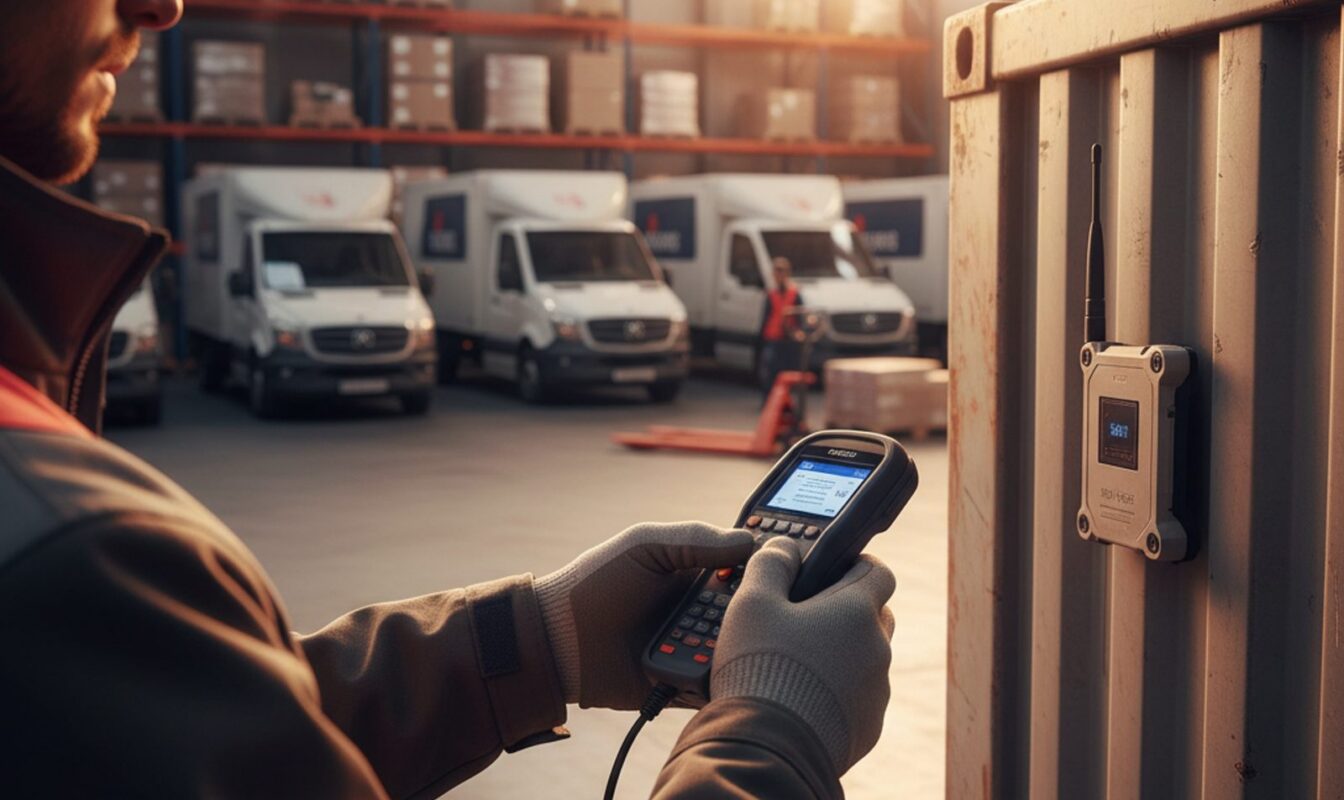
Modern systems are strong anti-theft tools, not just locators. The best tracking device for commercial trucks layers several defenses. Geofencing sits at the core, drawing virtual boundaries around yards, jobsites, and routes. When a truck crosses one outside authorized hours, management gets an instant alert. Motion sensors fire the same way if an asset moves without the ignition on. For high-value cargo, hide a covert tracker on the vehicle or inside the shipment. It keeps reporting even if a thief finds and kills the main truck tracker.
Specialized Tracking for Earthmoving and Construction
Construction and earthmoving work needs tracking that a generic fleet system rarely delivers. Managers track more than haul-truck location. They track cycle times: how long to load at the plant, drive to the pour site, unload, and return. GPX monitors these workflows directly. Set geofences around quarries, asphalt plants, and jobsites, and a project manager gets exact efficiency data. That answers the questions that matter: Are trucks idling at the plant? Is on-site flow tight? Advanced asset tracking now delivers this detail, the kind you once needed a dedicated earthmoving project management app to get, across your whole plant and project.
The Future of Truck Fleet Intelligence
The industry is shifting from reactive tracking to predictive and prescriptive intelligence. The point is no longer just knowing where a truck is. It is knowing where it will be and what it will hit along the way. AI and machine learning drive that shift. These platforms study historical traffic, weather, and performance data to produce sharp predictive ETAs. They flag maintenance risks before a breakdown strands a truck on the highway. GPX delivers this through Scout AI, turning a tracking system into a working operational co-pilot.
What to Ask Before You Buy a Fleet Tracker
Choosing the right GPS tracker means looking past the marketing and focusing on how you actually operate. Start with an audit: what do you track? Powered vehicles only, or a mix of trucks, trailers, containers, and equipment? A mixed fleet needs varied hardware. Next, name your top goal, whether that is ELD compliance, theft prevention, or deep operational intelligence. That sets your feature priorities. Check integration next: the system has to share data with your TMS, ERP, and maintenance software. Finally, ask for a live demo built on your own scenarios, not a canned sales pitch.
Ready to see what AI-powered asset intelligence does for your fleet? Explore the GPX platform and find out what happens when you move beyond dots on a map.
Frequently Asked Questions (FAQs)
How does AI asset tracking differ from traditional GPS?
Traditional GPS tells you where an asset is. AI-powered asset tracking tells you where it has been, where it is headed, when it will arrive, and what might go wrong on the way. It reads your data to deliver predictive insight and clear recommendations, turning tracking into active management.
Which fleet tracking systems are best for mixed fleets (cars, vans, trucks)?
The best systems for mixed fleets offer several hardware options, hardwired, battery-powered, and plug-and-play, that all report to one software platform. You match the device to each asset without creating data silos or juggling disconnected systems.
How do GPS trackers help prevent cargo theft?
GPS trackers stop theft with real-time location monitoring, geofence alerts that fire when a truck leaves its route or yard unexpectedly, and unauthorized movement sensors. A covert tracker on the cargo adds a second layer if someone takes the truck.
How much does a commercial truck GPS tracking system cost?
Pricing depends on hardware type, contract length, and the features you need. Hardwired vehicle devices, battery-powered asset trackers, and disposable labels each sit at a different price point. GPX Smart Labels start around $3.50 per month on subscription, while rugged multi-year trackers cost more upfront and less over their lifespan. Size cost with a per-asset audit against your fleet mix, not a single sticker price.
Does a GPS tracking system satisfy the ELD mandate?
Not on its own. The ELD mandate requires a certified Electronic Logging Device that records hours-of-service data directly from the engine. Many fleet platforms bundle GPS tracking with a compliant ELD, so drivers log hours and managers track location on one system. Confirm the device sits on the FMCSA self-certified list before you rely on it for compliance.
How does a GPS tracking platform help reduce the per-mile cost of running a truck?
The American Transportation Research Institute found the average marginal cost of operating a truck hit a record $2.27 per mile in 2023. Modern platforms convert raw location data into routing and idle-time decisions that directly lower those per-mile costs.