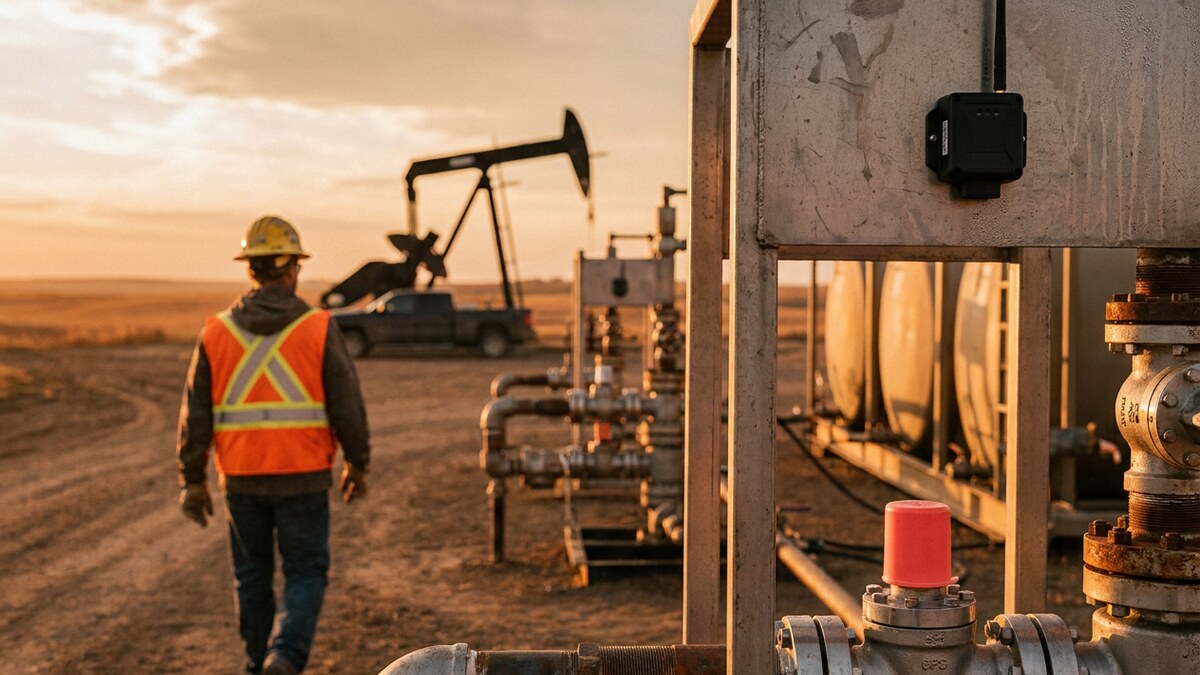

Oil and gas operators manage high-value equipment across vast, remote, and punishing terrain. When you can’t see where an asset sits or how hard it runs, downtime, theft, and idle gear eat your budget. A frac pump on a distant well pad and pipeline components in a laydown yard both need to be accounted for at all times. Thin margins leave no room for guesswork.
The cost of these blind spots is real. Verisk CargoNet reported a 57% increase in supply chain risk events in 2023, and heavy equipment is a frequent target. Inefficiency hits just as hard. McKinsey found that digital technologies cut upstream operating costs by 10 to 20 percent by improving asset use and reducing non-productive time. Oil and gas asset tracking closes that gap.
Manual Tracking Leaves Upstream Field Teams Reactive
Upstream and midstream operators face a handful of problems that drain productivity and profit. These are systemic issues, and manual tracking methods rarely solve them. Without real-time data, teams stay reactive and lose ground every day.
The most common problems include:
- Limited Remote Asset Visibility: Generators, light towers, and tanks move between remote sites constantly. When a crew arrives and the asset it needs is missing, the whole schedule slips and costs climb.
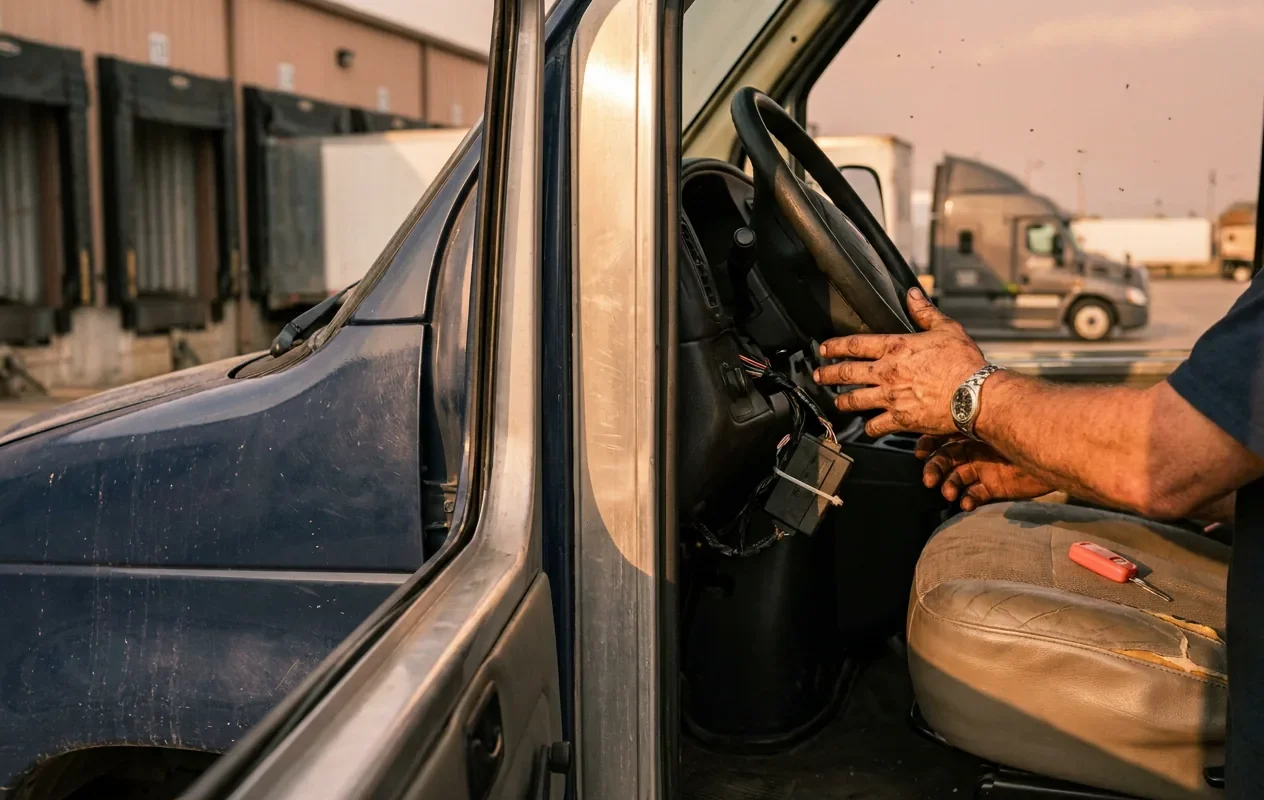
- Theft of High-Value Equipment: Heavy machinery, copper wire, and welding gear are portable and valuable, which makes them prime theft targets. Replacement cost is only part of the loss; the operational disruption usually costs more.
- Worker Safety and Compliance Gaps: Lone workers in isolated locations face real risk, and protecting them is both a duty and a logistics problem. Tracking hazardous material transport and keeping an auditable history for regulators is hard to do by hand.
- Poor Asset Utilization: Without a full view of the fleet, one site hoards equipment while another rents the same machine. These “ghost rentals” inflate operating costs and push capital spending higher than it needs to be.
- Unscheduled Downtime and Maintenance Burdens: When a frac pump or generator fails without warning, non-productive time stacks up and a single breakdown can idle an entire crew. Calendar-based service either replaces parts too early or misses the failure that actually matters.
- Hardware Failure in Hazardous Locations: Many oilfield zones are classified as potentially explosive atmospheres where uncertified electronics are prohibited. A tracker without Class 1 Division 1 or ATEX certification cannot legally operate there, and standard devices fail fast under the heat, vibration, and pressure of the field.
- Data Integration with Enterprise Systems: Location data trapped in a standalone app becomes another silo. Getting tracking and sensor data into existing ERP, EAM, SCADA, and telematics-of-record systems to build one source of truth is a real technical hurdle for most operators.
Gaining Total Visibility: From Wellhead to Pipeline
Solving these problems takes more than dots on a map. Oil and gas asset tracking gives you a single view of every critical piece of equipment. The right platform matches the right technology to each asset and holds connectivity even in remote conditions.
GPX runs an AI-powered platform that converts multi-network location and IoT sensor data into operational intelligence. We combine several technologies for full coverage:
- GPS & Cellular: Best for powered, mobile equipment like trucks, excavators, and pumps. You get real-time location and engine-hour data.
- Satellite: Covers assets deployed beyond cellular range, so you never lose sight of off-grid equipment.
- Bluetooth Low Energy (BLE): Fits low-cost, high-density assets like tools, pipeline fittings, and safety gear inside a defined area such as a laydown yard. BLE tags report to a GPS-enabled gateway on a vehicle or fixed structure.
- WiFi & RFID: Handles indoor tracking in warehouses and maintenance depots, with granular location data for parts and inventory.
This mix keeps every asset visible, from a multi-million-dollar drilling rig to a pallet of valves, inside one system.
Protecting High-Value Field Assets from Theft and Misuse
A strong tracking system is one of the best deterrents to equipment theft. Rugged, discreet tracking devices give operators immediate security and control. The moment an asset moves without authorization, the system gives you what you need to act.
Key security features include:
- Geofencing: Draw virtual boundaries around well sites, storage yards, and approved routes. If an asset crosses a boundary without authorization, the right people get an instant alert by text, email, or platform notification.
- After-Hours Alerts: Set alerts for any movement outside standard operating hours. You catch theft in progress instead of learning about it the next morning.
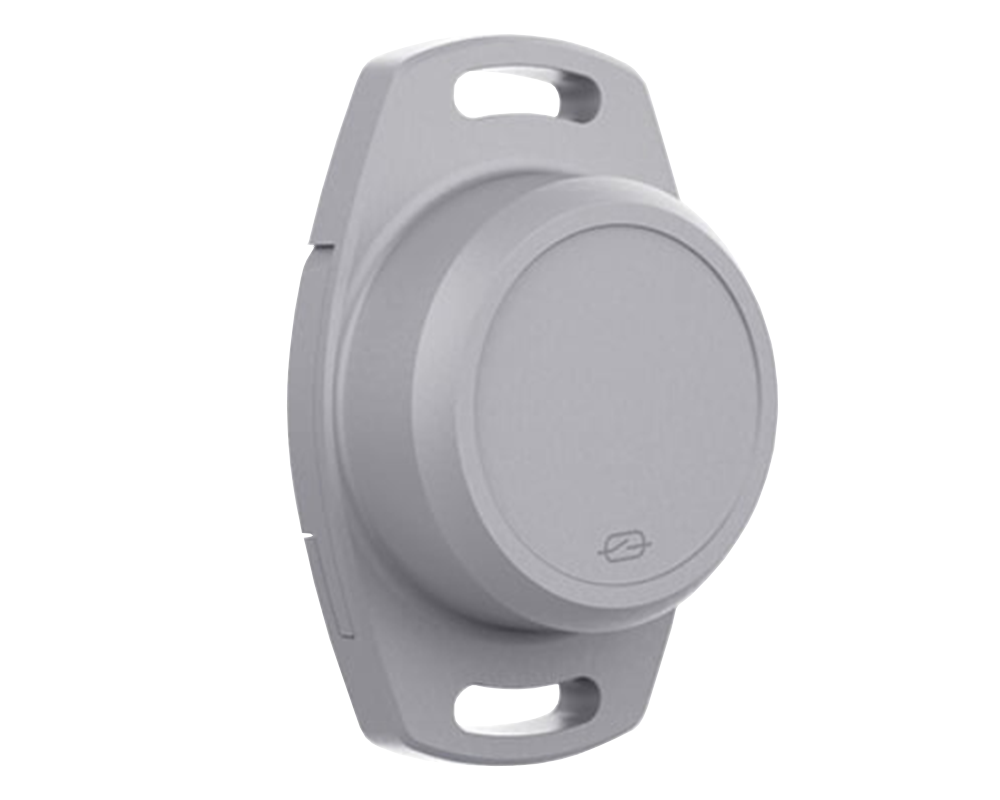
- Intrinsically Safe & Rugged Hardware: Our devices handle the oilfield. IP67 and IP69K-rated enclosures shrug off dust, water, and extreme heat, and intrinsically safe variants match the hazardous location certification your site zone requires, whether Class 1 Division 1 or ATEX. A low-profile design also makes them hard for thieves to find and disable.
This approach turns theft prevention into a data-driven process and gives you a clear path for asset recovery and law enforcement.
Enhancing Worker Safety and Ensuring Regulatory Compliance
Your responsibility covers every worker, especially those working alone in isolated spots. The GPX platform adds tools that protect lone workers and simplify compliance reporting.
For personnel safety, the system acts fast. A portable device with a panic button lets a worker in trouble signal for help and send exact GPS coordinates to supervisors. “Man-down” detection triggers an alert automatically when a sensor detects a fall or a stretch of no movement, and automated check-in timers confirm that workers are safe at set intervals.
On compliance, the platform builds a clean digital record. It tracks hazmat shipments end to end, monitoring location and status to meet regulatory rules. It logs asset movements, usage hours, and maintenance activity, giving you an auditable history that simplifies reporting for OSHA and the EPA.
Maximizing Asset Utilization and Operational Efficiency
Tracking data shows exactly how your assets get used, which turns equipment management from reactive to strategic. Analyze utilization rates and you can spot idle assets, reallocate them, and cut needless rental costs. That tightens capital spending across every site.
This is where GPX goes past simple location data. Our Scout AI engine reads historical and real-time data to surface hidden inefficiencies. It flags equipment that has sat idle too long, catches hoarding at specific sites, and recommends redeploying underused assets. You get automated intelligence instead of manual yard checks and spreadsheets.
Tracking real engine hours also lets you switch from calendar-based to usage-based maintenance. That cuts surprise breakdowns, extends equipment life, and reduces non-productive time on site. Learn more about our industrial-grade tracking hardware built for this work.
The Future of Oil and Gas Asset Management: Predictive Analytics and AI
Oil and gas asset tracking is shifting from reactive monitoring to predictive and prescriptive intelligence. The goal is no longer just knowing where an asset sits. You want to predict what happens next and prescribe the best action.
AI-powered platforms deliver this today. By reading large datasets of movement, usage, and maintenance history, they produce a predictive ETA for equipment headed to a remote site, so crews plan with confidence. The same analysis forecasts equipment failures by catching small anomalies in performance data, which lets you service a machine before it breaks down.
GPX with Scout AI turns raw data into operational foresight for upstream asset management. It spots theft patterns, flags logistical bottlenecks, and optimizes the complex supply chains of the digital oilfield that manual methods never could. Explore the power of AI-powered analytics to see how it works.
How to Move From Recurring Failures to Predictable Performance
Choosing an asset tracking partner affects your security, safety, and bottom line. Look past a basic feature list and focus on which platform delivers real operational intelligence. The right system gives you clarity and control over your entire fleet.
Ask potential partners these questions:
- Connectivity: Does the solution mix cellular, satellite, and BLE hardware to cover every asset, whatever its location or power source?
- Durability: Are the devices built for harsh industrial sites, with high IP ratings and intrinsic safety certification (Class 1 Division 1 or ATEX) for hazardous, potentially explosive zones?
- Intelligence: Does the platform deliver insight beyond location, such as utilization reports, maintenance monitoring, and AI-driven anomaly detection?
- Safety: Does it include lone worker safety features like panic buttons and man-down alerts?
- Integration: Does the system connect with your existing ERP, EAM, or management software to create one reliable record?
These questions separate a simple dot on a map from a full platform for intelligent asset management.
Ready to gain complete visibility and control over your oilfield equipment? See how GPX unifies security, safety, and efficiency in one platform. Explore our solutions for the oil and gas industry today.
Frequently Asked Questions (FAQs)
What is the ROI of an oil and gas asset tracking system?
The return comes from several places: less equipment theft and loss, lower rental costs through better utilization, less downtime from proactive maintenance, safer workers, and often lower insurance premiums. Together, these savings recover the investment quickly.
Can GPS trackers work in extremely remote oilfields without cell service?
Yes, and it matters. GPX offers dual-mode devices that use the cellular network when available and switch to global satellite connectivity when they move out of range. You keep uninterrupted visibility of your most remote assets.
How durable are asset trackers for harsh oil and gas environments?
Very durable. Our industrial trackers sit in IP67 or IP69K-rated enclosures that resist dust, high-pressure water jets, and submersion. They hold up to the extreme temperatures, vibration, and impact common in oilfield work.
Are your GPS trackers certified for hazardous environments (e.g., Class 1 Division 1)?
Certification is a go/no-go requirement in classified oilfield zones, where uncertified electronics are prohibited. Match every device to the hazardous location rating your specific area demands, whether Class 1 Division 1, ATEX, or IECEx. GPX supplies ruggedized hardware for these environments and confirms the right intrinsic safety classification for each deployment zone before installation.
Can I track small tools and equipment in addition to large machinery?
Yes. GPS suits large, powered equipment, while smaller unpowered assets like tools, valves, and components take a low-cost BLE device or Smart Label. These tags report to a nearby gateway on a truck or at a gate, logging location and inventory status in the main platform.
How significant is cargo theft risk for oil and gas equipment?
Verisk CargoNet reported a 57% increase in supply chain risk events in 2023, with heavy equipment identified as a frequent target.
How much can digital tracking reduce upstream operating costs?
McKinsey found that digital technologies cut upstream operating costs by 10 to 20 percent by improving asset use and reducing non-productive time.