
Container dwell time is the quiet drain on returnable packaging budgets: most high-value assets are not stolen, they are simply parked. IBC totes, custom automotive racks, and other Returnable Transport Packaging (RTP) sit idle in supplier yards and customer receiving docks until someone writes them off and buys replacements.
The cost compounds quietly. McKinsey Global Institutefound that companies face supply chain disruptions lasting a month or longer every 3.7 years. The same research puts the ten-year cost of those shocks at almost 45 percent of one year’s profits.
Container dwell is the piece of that problem you can fix this quarter. The operations leaders we work with consistently report the same thing: they lose more capital to containers sitting still than to containers going missing.
How Extended Container Dwell Time Drains Capital
Idle returnables at external sites create five failures, and each one feeds the next.
- Blind accumulation at receiving sites.Customers use your containers as free on-site storage. Without tracking, you have no proof your racks sat empty for six weeks.
- Artificial shortages.When containers stall upstream, the origin plant runs short on packaging. Someone orders rush replacements to keep the line moving. The pool inflates and the real supply chain bottleneck stays hidden.
- Disputed detention fees.Third-party sites deny holding assets past the grace period. No entry and exit timestamps means no recovery.
- Broken maintenance cycles.High-value containers need scheduled cleaning and compliance certification. Long dwell at remote sites blows the schedule and pulls assets out of service the week they finally return.
- Replacement tonnage on your sustainability report.Every rush order of steel racks or plastic totes adds manufacturing emissions and end-of-life waste to an ESG figure your board already reviews. Buying the same container twice is a reporting problem as well as a budget one.
Each failure makes the next one worse. Eventually buying new containers feels easier than recovering the ones you already own, and that reflex is what turns a tracking problem into a permanent capital line item.
Container Dwell Time Thresholds by Container Type
Not every asset needs the same clock. Set thresholds by container type before you turn on alerts, or your team will drown in noise and start ignoring the dashboard.
The ranges below are illustrative starting points, not industry standards. Set your own from the terms in your customer and supplier agreements.
IBC Totes and Liquid Containers
These run on tight turnaround. Most agreements allow roughly 14 daysbefore action. Past that window, contents degrade and the tote needs a deeper clean on return. Watch these closely to protect availability and control contamination risk.
Custom Automotive and OEM Racks
Automotive runs on precision and zero-defect tolerances. Specialized parts racks typically carry a grace period near 5 days. A missing custom rack stops the line, and no assembly plant absorbs that quietly.
Standard Returnable Pallets
Generic plastic and composite pallets tolerate longer cycles, often 30 days. They are interchangeable, so one late pallet costs almost nothing. The risk is volume. Hundreds pile up in a forgotten corner of one facility and nobody notices until the annual count, which is the problem a pallet tracking systemis built to catch.
How Dwell-Tracking Platforms Compare
Most platforms sold into logistics track vehicles, not the containers riding inside them. Here is how the categories line up.
| Platform | Network | Best For | Starting Price | Key Strength |
|---|---|---|---|---|
| GPX Intelligence | Cellular + BLE + GPS + Satellite | Universal asset & fleet tracking | As low as $45/yr per tag, hardware included | AI-powered tracking with multi-network connectivity |
| Samsara | Cellular | Fleet management & driver safety | Not listed publicly | Driver-safety dashcam integration |
| Motive | Cellular | Trucking ELD & compliance | Not listed publicly | DOT-compliance ELD workflow |
| Verizon Connect | Cellular | Mid-market fleet management | Not listed publicly | Carrier-backed connectivity bundle |
The pattern is easy to miss on a demo call. Vehicle platforms report how long a driver idled at a rest stop. They report nothing about the fifty racks that came off the trailer at a supplier dock.
Alert Design for High-Stakes Operations
Dots on a map do not move assets. Alerts do. Your platform has to notify a named person the moment a container passes its free time.
Barcode-driven systems fail here because they depend on a dock worker remembering to scan. Miss one scan on a departing tote and the software still shows it sitting on site. Real-Time Location Systems (RTLS) and geofencing software for logistics remove that failure entirely, because the site boundary itself records the crossing.
Escalate by severity so alerts keep their weight. Day five, the yard manager gets a quiet notification. Day ten, the platform emails the customer holding the asset. Day fifteen, it opens a chargeback. That is location data doing real work instead of decorating a dashboard.
Turning Dwell Data Into Automated Detention Billing
A location ping is worthless until it produces an invoice. Map your geofences to the detention and demurrage fields in your ERP, WMS, or TMS. From there the platform matches entry and exit times against contract terms on its own.
Integration is where most deployments stall. Teams buy tags, stand up a separate dashboard, then re-key dwell data into billing by hand. That manual hop is why so many detention claims never get raised at all. Push the dwell event straight into the system that already issues invoices and the charge goes out without a second operator touching it.
Enforcement is the other half. Customers and suppliers push back hard on demurrage fees, and a claim built on someone’s memory loses that argument every time. A geo-stamped audit log ends it: if a receiver holds a specialized rack for three weeks, the log shows three weeks. Nobody has to argue it or reconstruct it from a thread of emails. The timestamp is the argument.
Why Fleet Tracking Misses Container Dwell
Buyers shopping for equipment idle-time tracking often land on fleet platforms like Samsara, Motive, or Verizon Connect. Those tools monitor the engine, and they are good at it. They were never built to follow cargo once it leaves the truck.
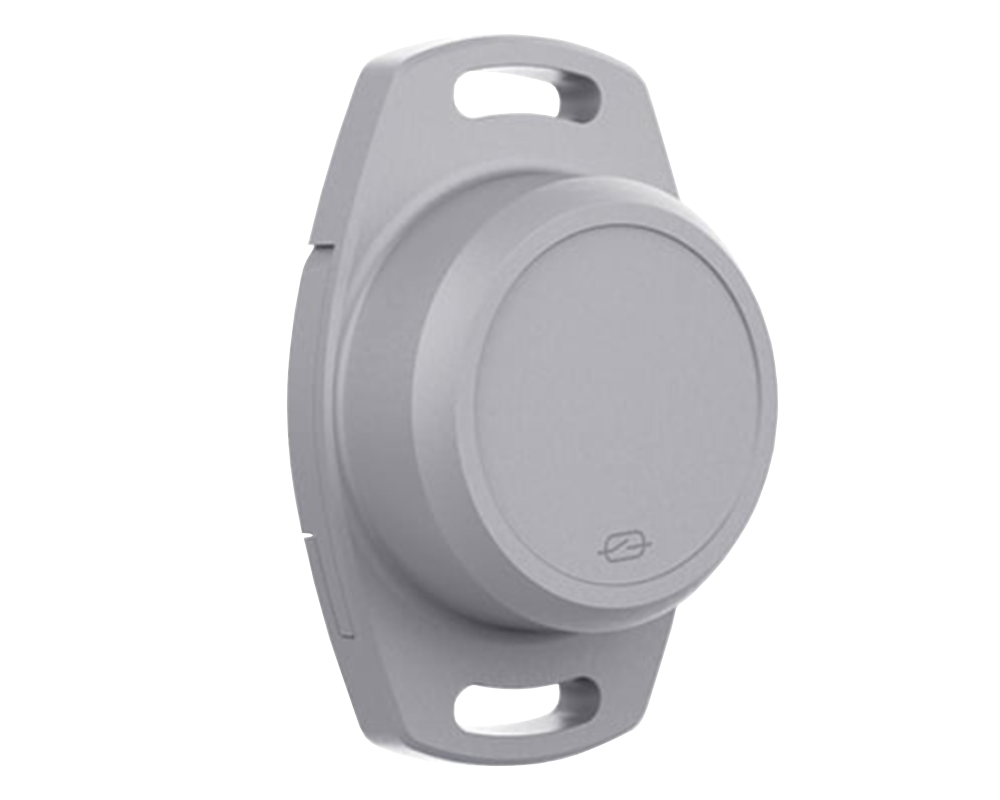
IoT asset tracking follows the container instead. SmartLabelis a peel-and-stick disposable tracker for one-way boxes and pallets, as low as $13 per label, with no SIM, no wiring, no charging and no reverse logistics. AssetTag Procovers durable returnables with an IP67 enclosure and a battery that lasts three to five years, depending on the model, as low as $45/yr per tag with the hardware included.
What Comes Next: Autonomous Dwell Management
Modern logistics teams treat tracking as an intelligence layer, not a status page. Scout AI, the in-platform analyst, answers plain-English questions such as which racks have been idle more than 48 hours, then surfaces the supplier sites creating the backlog.
The next step is an autonomous control tower. The system predicts which containers will breach dwell, dispatches recovery before the breach lands, and files the chargeback without anyone opening a report builder.
Audit Your Largest Customer Sites Before You Buy Another Container
Start with a count, not a purchase order. Pull unreturned volume at your three largest customer sites and hold the next replacement buy until you see that number.
Then set the boundary. Write a dwell limit per container type into the contract and attach a financial penalty to every violation. A threshold with no consequence is a suggestion.
Then check your data source. If you run on manual scans or driver check-ins, you do not hold timestamps that survive a dispute. Put rugged multi-sensor trackers on high-value assets, BLE labels on standard pallets, and connect both to a platform that fires the alert at the breach.
See how returnable container trackingputs a dwell clock on every asset in your pool. Talk to our teamabout deploying AI-powered asset tracking on your returnable containers this quarter.
Frequently Asked Questions (FAQs)
What is container dwell time in returnable packaging?
Container dwell time is how long a returnable asset stays stationary at a site before it moves back into circulation. In Returnable Transport Packaging it measures idle time at customer receiving docks and supplier yards, not transit time.
How long is too long for a container to sit at a customer site?
It depends on the asset and on your contract. As an illustration, a pool might allow about 14 days for IBC totes, 5 days for custom automotive racks and 30 days for standard returnable pallets. Set the numbers in your own agreements and enforce them per container type.
How do you charge detention when a customer holds your containers?
Match automated geofence entry and exit timestamps against your contract terms. The tracking platform logs the exact arrival time and duration, then passes it to your ERP or TMS so billing works from an objective record instead of a disputed recollection.
What is the difference between fleet tracking and container dwell tracking?
Fleet tracking reads the vehicle: engine hours, driver behavior, and route data from an OBD-II or hardwired device. Container dwell tracking tags the asset itself, so visibility continues after the cargo comes off the trailer and sits in a customer yard. The two answer different questions and most operations run both.
How can IoT tracking devices reduce container dwell time?
IoT asset tracking replaces manual scans with passive location logging, so every arrival and departure records itself. Geofence alerts fire the moment an asset passes its free time, escalate to the holding customer, and trigger automated detention billing. Recovery starts on day five instead of at the annual count.
Which GPX products track returnable containers?
SmartLabel handles one-way shipment tracking on boxes and pallets, as low as $13 per label. AssetTag Pro covers durable returnables with an IP67 enclosure and a three to five year battery, depending on the model, as low as $45/yr per tag with the hardware included. Scout AI sits on top of both and answers idle-asset questions in plain English.