
A single construction site can hold hundreds of high-value assets, from excavators and generators to power tools and materials. Every one of them moves between sites, gets borrowed, or walks off. Heavy equipment theft costs the U.S. industry an estimated $300 million to $1 billion every year. The productivity math is just as harsh. McKinsey & Company found that large projects typically take 20 percent longer to finish than scheduled and run up to 80 percent over budget.
Construction equipment tracking closes those gaps. The right platform does more than drop pins on a map. It delivers real-time visibility, automates inventory, tightens security, and turns raw asset data into utilization decisions that protect your margin.
| Provider | Primary Focus | Key Differentiator | Hardware Types | Best For |
|---|---|---|---|---|
| GPX | AI-Powered Asset Intelligence | Scout AI predictive analytics & Smart Labels | Multi-sensor trackers, BLE tags, disposable labels | Enterprises needing predictive insights across all asset types, from heavy equipment to small tools. |
| Samsara | Connected Operations Platform | Integrated vehicle telematics, video, and site security | Vehicle gateways (OBD-II), asset gateways, dash cams | Large fleets focused on unifying vehicle telematics, driver safety, and equipment tracking in one platform. |
| Motive | Fleet Management & Driver Safety | AI-powered dash cams and strong ELD compliance | Vehicle gateways, asset trackers, AI dash cams | Fleets prioritizing driver management, safety, compliance, and spend management. |
| Verizon Connect | Fleet & Mobile Workforce Management | Scalability and integration with Verizon’s network | Vehicle trackers, asset trackers | Large-scale fleets seeking a comprehensive, scalable solution from an established telecommunications provider. |
Top Construction Equipment Tracking Systems: A Comparison
The right partner for construction equipment tracking depends on your fleet size, asset mix, and goals. Many providers show dots on a map. The leaders turn those dots into decisions. Here is how the top platforms compare.
1. GPX: AI-Powered Intelligence for Construction Assets
GPX runs an AI-powered asset tracking platform that reaches well beyond basic GPS construction equipment tracking. It unifies data from a full range of multi-sensor devices across cellular, BLE, GPS, and satellite networks. You track excavators and generators on rugged GPS units, and you track individual power tools and materials on low-cost BLE tags and disposable Smart Labels. That range moves your team from reactive firefighting to predictive control.
The engine is Scout AI, an in-platform analyst that reads asset data around the clock. It spots trends, forecasts maintenance, flags security anomalies, and writes your reports. Scout AI tells you a generator’s runtime means it needs fuel before the next shift, or that a high-value asset left its geofence after hours. That foresight cuts downtime, stops theft, and lifts the return on every asset on site.
2. Logistimatics: Simple, Powerful GPS Tracking
Logistimatics delivers straightforward GPS tracking that small and mid-sized construction firms rely on. As GPX’s consumer and SMB sibling brand, it targets personal and small-fleet use with a clean interface and hardware you deploy without IT support.
Best For: Firms that want no-frills, affordable equipment tracking with simple pricing.
Pricing: Sold per device with clear monthly or annual rates. Hardware is a one-time purchase.
Standout Features: A clean web and mobile interface, real-time tracking, geofencing alerts, and historical location playback. Magnetic, battery-powered trackers snap onto equipment in seconds.
Pros:
- Fast to set up and easy to use.
- Affordable, transparent pricing on hardware and service.
- Durable, long-battery-life hardware.
Cons:
- No advanced AI or predictive analytics.
- Fewer sensor integrations, such as temperature or engine diagnostics.
3. Samsara: The Integrated Platform for Fleet Operations
Samsara is a major connected-operations provider that combines vehicle telematics, video safety, and equipment tracking on one platform. Its strength is running on-road fleets and off-road equipment from a single screen.
Best For: Large firms that manage a big fleet of service vehicles alongside heavy equipment.
Pricing: Usually a multi-year contract priced on hardware and software license bundles.
Standout Features: Samsara ties its vehicle gateways, AI dash cams, and asset gateways into one system for a complete view of operations, from driver behavior to equipment location.
Pros:
- All-in-one platform for vehicles and assets.
- Advanced video and driver-safety features.
- Strong reporting and analytics.
Cons:
- More expensive and complex than asset-only solutions.
- Focus stays on vehicle telematics over non-powered construction assets.
4. Motive: Driver-Focused Telematics and Safety
Motive, formerly KeepTruckin, built its name on driver-centric tools, especially ELD compliance and fleet management. It now adds GPS tracking for heavy equipment, AI safety cameras, and spend management for fleet-based operations.
Best For: Construction firms whose work centers on trucks and driver performance.
Pricing: Custom quotes by fleet size and features, usually on multi-year terms.
Standout Features: Motive’s AI dash cams sharpen driver safety and clear drivers after accidents. Its asset trackers sit in the same app, so you manage vehicles and equipment together.
Pros:
- Industry-leading driver safety and compliance tools.
- Integrated fuel and spend-management card.
- Easy mobile app for drivers and managers.
Cons:
- Asset tracking is a secondary line behind fleet management.
- Less depth for non-powered assets than specialized providers.
5. Verizon Connect: Scalable Fleet Management
Verizon Connect, a division of Verizon, runs on massive network infrastructure to deliver scalable fleet and equipment tracking. It is an established provider that serves some of the largest fleets in the world.
Best For: Large enterprises that need heavy scale, often with an existing Verizon relationship.
Pricing: Customized, typically on long-term service contracts.
Standout Features: A wide range of hardware and software options for different asset types, plus detailed reporting, maintenance scheduling, and analytics for large operations.
Pros:
- Proven scale for very large, enterprise fleets.
- Reliable network connectivity.
- Full suite of fleet-management tools.
Cons:
- Platform takes time to learn.
- Support quality varies, as with most very large providers.
What Breaks When Construction Equipment Runs Without Tracking
Without modern tracking, every job site leaks time and money. Unsecured equipment disappears overnight, and theft claims drag on for months while replacement costs and downtime stack up.
Idle assets cost just as much. A loader sits unused at one site while a superintendent rents a duplicate for another. Manual inventory and maintenance logs add human error, which turns into failed audits, surprise breakdowns, and blown deadlines.
The damage runs deeper than theft and idle time:
- Inaccurate job costing and bidding. Without hard utilization data, your next bid rests on guesswork, and thin margins vanish when the real equipment hours run higher than the estimate.
- Insurance and compliance gaps. After a theft or an audit, you need concrete records: where an asset was, who used it, and how long an engine idled. Missing data slows insurance claims and weakens environmental and regulatory reporting.
- Safety and crew coordination. Equipment nobody can locate creates hazards and stalls handoffs between crews, so a complex site loses hours to confusion instead of building.
Each of these hits the schedule and the budget at the same time.
Key Features of Modern Equipment Tracking Systems
When you evaluate a construction equipment GPS tracking system, look past basic location pings. The platforms worth buying deliver operational intelligence.
Geofencing is the baseline. You draw virtual boundaries around each site and get instant alerts when equipment crosses them. Strong utilization, engine-hour, and maintenance reporting tells you where to redeploy assets and when to service them.
For mixed fleets, hardware range decides everything. You need hardwired GPS for heavy equipment, long-life battery trackers for trailers and containers, and BLE tags for small tools. Full coverage means full visibility.
The Future of Construction Equipment Tracking: AI, IoT, and Autonomous Operations
The next phase of construction equipment tracking is already on job sites, driven by AI and sensor fusion. Modern logistics teams treat tracking as an intelligence layer, not a status page.
These systems interpret data instead of just reporting it. AI reads usage history, location, and maintenance logs to predict failures before they happen. It builds dispatch schedules across multiple sites on its own. By fusing GPS, Bluetooth, and environmental sensors, the platform shows an asset’s exact condition and surroundings. That is the shift from passive tracking to agentic asset intelligence and an autonomous control tower for your equipment.
A Short Checklist Before You Buy Site Tracking
Start with your assets. List what you need to track: heavy machinery only, or service vehicles, containers, and hand tools too. That list sets the hardware range you require.
Next, name your primary goal. Theft prevention, better utilization, cleaner maintenance, or all three. Your goal drives your software feature list.
Then weigh scalability. Pick a platform that grows with you, adds assets without friction, and connects to your ERP and other systems. Always run a demo against your own use cases before you sign.
Ready to see what AI-powered asset intelligence does for your construction operation? Get a demo of GPX and see visibility that goes beyond dots on a map.
Frequently Asked Questions (FAQs)
How does AI asset tracking differ from traditional GPS?
Traditional GPS tells you where your equipment is. AI asset tracking tells you what to do about it. It reads location, usage, and sensor data to forecast maintenance, surface idle assets, and flag security risks before they turn into losses.
What’s the difference between GPX and Samsara, Motive, or Verizon Connect?
GPX delivers AI-powered intelligence for every asset type, from heavy equipment to hand tools, across a multi-sensor, multi-network setup. Samsara, Motive, and Verizon Connect are vehicle telematics platforms that expanded into asset tracking, with their core strength in driver-centric features like ELD compliance and video safety.
Can GPX integrate with construction management software like Procore or Autodesk Construction Cloud?
GPX is platform-agnostic and connects to project and construction management systems through its open API. Asset location, utilization, and maintenance data flows into the tools your project teams already run, including construction platforms like Procore and Autodesk Construction Cloud, so you avoid a separate data silo.
How do Smart Labels work, and what do they cost?
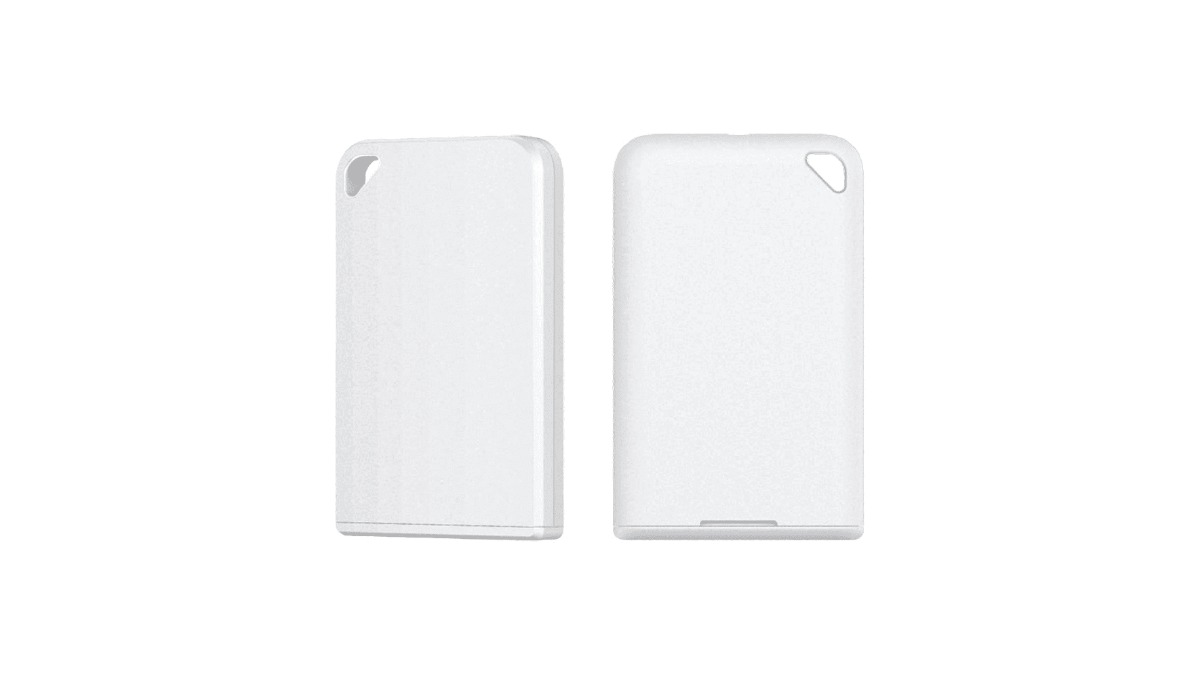
GPX Smart Labels are peel-and-stick, single-use tracking labels that run on BLE and cellular networks for low-cost tracking of pallets, tools, and components. They start around $9.75 per unit with a $3.50 monthly subscription, so you finally track items that were never worth wiring or charging before.
How long does it take to deploy GPX across a fleet or facility?
Deployment scales with asset count and site complexity. GPX hardware installs fast, with most devices either plug-and-play or peel-and-stick. The platform is cloud-based, so onboarding starts as soon as your agreement is signed.