

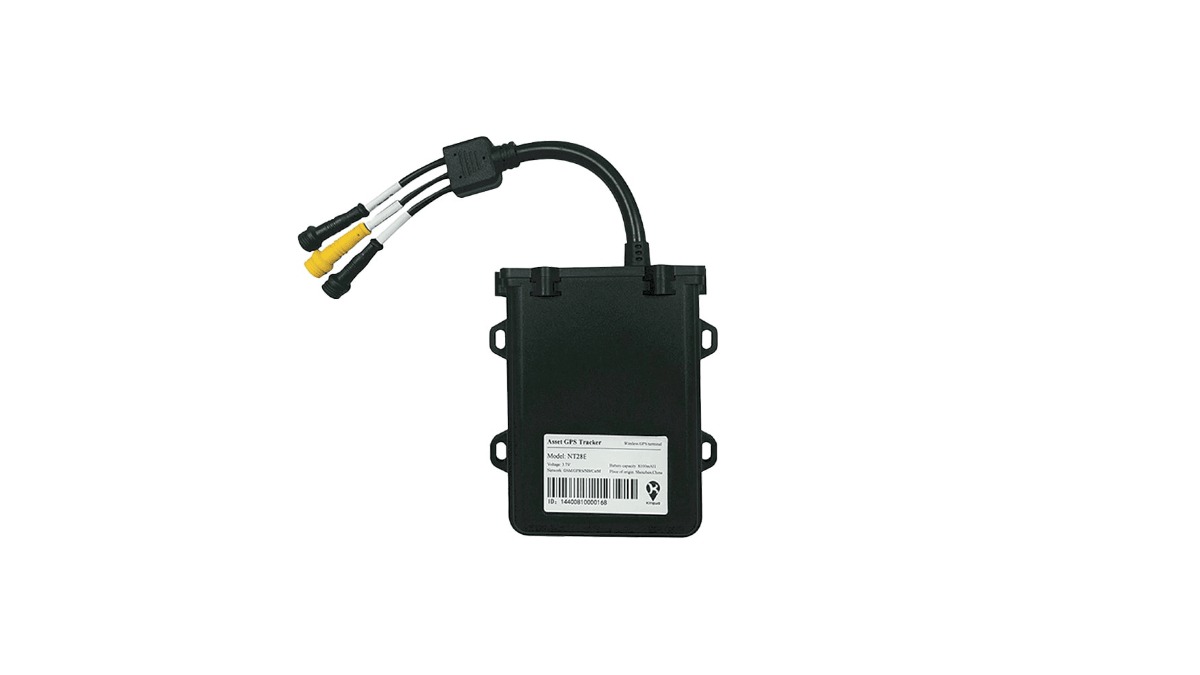
Keeping eyes on high-value assets is a daily grind. Tools on a factory floor, returnable containers crossing a global supply chain, equipment that walks off a job site. Without real-time location data, teams waste hours searching, processes stall, and assets go missing. That hits productivity and the bottom line directly. The demand for better oversight is real: the IoT-based asset tracking and monitoring market was valued at USD 5.02 billion in 2024 and is projected to reach USD 9.16 billion by 2029.
Bluetooth Low Energy (BLE) leads the field for indoor and localized tracking. The BLE indoor location market alone is projected to grow from USD 4.30 billion in 2025 to USD 11.88 billion by 2030. Picking the right BLE asset tracking system is the hard part. You have to weigh accuracy, scalability, infrastructure cost, and how cleanly the system plugs into what you already run.
| Platform | Network | Best For | Starting Price | Key Strength |
|---|---|---|---|---|
| GPX | Multi-Network (BLE, GPS, Cellular, Satellite) | Enterprise-grade multi-sensor asset intelligence | As low as $13 per label (Smart Labels) | AI-powered predictive analytics and multi-sensor fusion |
| Quuppa | BLE | Centimeter-level accuracy for real-time indoor positioning | Custom Quote | High-precision Direction Finding (AoA) technology |
| Kontakt.io | BLE | Healthcare and smart building indoor analytics | Custom Quote | Uses existing WiFi infrastructure for RTLS |
| Pozyx | BLE, UWB | Industrial environments needing a hybrid of BLE and UWB | Custom Quote | Combined UWB/BLE for flexible accuracy and cost |
| Sewio | BLE | Secure asset tracking in demanding industrial plants | Custom Quote | Ultra-secure proprietary sBeacon protocol |
| Link Labs | BLE | Applications requiring extremely long tag battery life | Custom Quote | Low-power design enabling up to 7-year tag life |
What BLE Deployments Run Into at Scale
BLE wins on cost and power for indoor tracking, and it anchors many real-time location system (RTLS) deployments. Getting it right at scale is where teams run into trouble. Plan for these challenges before you buy.
- Inconsistent Location Accuracy: Metal shelving, concrete walls, and heavy machinery bounce and block BLE signals. The result is variable, unreliable location data that undercuts the whole point of the system.
- Scalability and Signal Congestion: Push past a few thousand tags and the 2.4 GHz band gets crowded. Tags and gateways collide, updates go missing, and performance drops.
- Limited Range for Outdoor Use: BLE is short-range by design, usually 10 to 100 meters. Once an asset leaves the building or crosses a large yard, you need a dense gateway network or a second technology like GPS.
- High Infrastructure Dependency: Most BLE systems need fixed gateways, anchors, or locators. That means real upfront spend on hardware, wiring, and installation, plus ongoing maintenance and power.
- Security and Privacy Risks: Unsecured BLE communication is open to interception. That exposes operational data and invites malicious tracking, a serious breach and privacy risk.
- Integration With Enterprise Systems: Location data only earns its keep when it flows into your ERP, WMS, or TMS. Many BLE platforms ship thin APIs, so wiring them into the systems that run your operation turns into a custom engineering project.
- Turning Raw Data Into Action: Thousands of tags generate a flood of location updates. Without analytics and workflow automation layered on top, teams drown in dashboards instead of acting on the signal that matters.
- Battery Lifecycle Management at Scale: A few hundred tags is manageable. Tens of thousands means a rolling schedule of battery swaps that drives up labor and total cost of ownership when the hardware is not built for long life.
1. GPX: AI-Powered Multi-Sensor Asset Intelligence
GPX moves past traditional asset tracking. It fuses data from BLE, GPS, cellular, satellite, and WiFi into one intelligent platform. That multi-network approach gives you a complete, uninterrupted view of where an asset is and what condition it’s in, whether indoors, in transit, or sitting in a remote yard. Scout AI reads every data stream to deliver predictive ETAs, prescriptive alerts on likely disruptions, and autonomous workflows. You manage operations ahead of the problem instead of chasing assets after the fact.
- Location: USA
- Pricing: Disposable Smart Labels start as low as $13 per label, with platform plans built around enterprise needs.
Advantages of GPX
- True End-to-End Visibility: BLE handles indoor precision while GPS and cellular cover outdoor and in-transit legs. GPX closes the visibility gaps that trip up single-technology tools.
- Predictive & Prescriptive AI: Scout AI forecasts arrival times, flags assets at risk of delay, and recommends fixes before problems land.
- Flexible & Scalable Hardware: Peel-and-stick Smart Labels for disposable tracking, rugged multi-year devices for high-value equipment. There’s a fit for every asset type and use case.
- Unified Data Platform: Every sensor feeds one platform, so you get a single source of truth and clean integration with ERP, WMS, and the rest of your stack.
2. Quuppa: High-Precision Indoor Positioning
Quuppa is known for highly accurate indoor positioning, built on BLE paired with Angle-of-Arrival (AoA) technology. That combination delivers centimeter-level accuracy, which makes it a top pick wherever precision drives the process. Manufacturing, logistics, sports, and retail teams use it to track tools, personnel, and assets in real time.
- Location: Espoo, Finland
- Best for: Real-time indoor positioning that needs centimeter-level accuracy in manufacturing, healthcare, and sports.
- Connectivity: BLE with AoA Direction Finding.
- Standout features: Centimeter-level accuracy; low latency with update rates up to 50 Hz; open API; tracks any standard Bluetooth device.
Benefits
- Industry-leading accuracy for precise indoor tracking.
- Scales to thousands of assets at once.
- Adjustable from high precision to simple presence detection.
Drawbacks
- No public pricing; every deployment needs a custom quote.
- Locator infrastructure takes more work to deploy than gateway-based systems.
3. Kontakt.io: Indoor Journey & Asset Analytics
Kontakt.io runs an end-to-end indoor intelligence platform on standard BLE for asset tracking, staff safety, and environmental monitoring. Healthcare and corporate real estate teams like it for the analytics on how people and assets move through a building. Its gateways work with existing WLAN infrastructure, so it provides a cost-effective bolt-on route to Real-Time Location System (RTLS) capabilities.
- Location: USA
- Best for: Healthcare and smart offices that want to optimize resource use, monitor people flow, and track assets.
- Connectivity: BLE, WiFi.
- Standout features: Open-standard BLE; a full suite of IoT devices, gateways, and AI analytics; wayfinding and environmental monitoring; integration API.
Benefits
- Cost-effective deployment that uses existing WiFi networks.
- Complete platform spanning hardware, software, and analytics.
- Strong customer support and technical documentation.
Drawbacks
- Some users report tag battery life falling short of expectations.
- Data reporting can lag, often tied to internet connectivity.
- Limited global presence complicates multinational rollouts.
4. Pozyx: Hybrid UWB & BLE Tracking Solutions
Pozyx runs a versatile tracking and management platform that supports both BLE and Ultra-Wideband (UWB). You use cost-effective BLE for general location awareness and deploy high-precision UWB in the zones or on the assets that need sub-meter accuracy. Pozyx targets Industry 4.0 and industrial IoT (IIoT) work, with detailed analytics on asset usage, dwell time, and material flow inside industrial facilities.
- Location: Ghent, Belgium
- Best for: Industrial and warehouse environments that need a mix of standard and high-precision tracking.
- Connectivity: BLE, UWB.
- Standout features: Dual UWB and BLE support; asset management with KPI tracking and geofencing; high scalability, positioning over 4,000 BLE tags per second; API access.
Benefits
- Combines UWB precision with BLE cost-effectiveness.
- Deep software with features like KPI tracking.
- Supports a wide range of BLE protocols, including iBeacon and Eddystone.
Drawbacks
- Custom pricing, not publicly listed.
- A hybrid UWB/BLE setup adds complexity to the initial build.
5. Sewio: Secure Industrial BLE Tracking
Sewio delivers a BLE-based RTLS built for security and reliability in tough industrial settings. The system runs on HID Global’s hardware, including BEEKs™ BLE Beacons, and uses a proprietary protocol for added security. It stands up fast for tracking tools, equipment, and personnel in plants and warehouses, feeding real-time asset visibility straight into daily decisions.
- Location: Brno, Czech Republic
- Best for: Secure asset visibility in industrial manufacturing and other rugged environments.
- Connectivity: BLE.
- Standout features: HID Global hardware; proprietary sBeacon protocol for secure communication; cloud platform for remote device management and analytics; accuracy of 2 to 5 meters.
Benefits
- Fast deployment with minimal wiring.
- Secure communication protocol guards against data interception.
- Durable hardware resists dust, water, and UV exposure.
Drawbacks
- Custom pricing, not available publicly.
- A proprietary protocol limits interoperability with standard third-party BLE devices.
6. Link Labs: Low-Power, Long-Life BLE Tags
Link Labs builds IoT asset tracking around low power consumption. Its AirFinder OnSite platform runs BLE tuned for minimal data transfer, which pushes tag battery life up to seven years. That makes it a strong fit where swapping batteries is impractical or expensive, like returnable shipping containers, tools, and large equipment fleets across industrial IoT, healthcare, and logistics operations.
- Location: Annapolis, MD, USA
- Best for: Industrial IoT where very long tag battery life is the top priority.
- Connectivity: BLE.
- Standout features: Tag battery life up to 7 years; AirFinder platform with geofencing and alerts; low-power design for small data transfers; floor-level accuracy.
Benefits
- Very long battery life cuts maintenance and total cost of ownership.
- Improves work-in-process tracking and cuts time spent searching for assets.
- Works across manufacturing, healthcare, and logistics.
Drawbacks
- Not suited to live, continuous telemetry.
- Accuracy of 10 to 50 meters when relayed through a phone’s GPS limits some use cases.
- Pricing is not publicly disclosed.
What to Ask Before You Buy BLE
The best BLE platform is the one that fits your operation. Before you commit to a vendor, measure each option against these five criteria.
- Define Your Accuracy Requirement: Do you need centimeter-level precision to guide an automated process, room-level accuracy to find equipment, or simple presence detection to confirm an asset is on-site? Your answer decides between standard BLE, BLE with AoA, or a hybrid UWB system.
- Assess Your Physical Environment: Size and complexity change everything. A dense, metallic factory floor propagates signals differently than an open office or a sprawling warehouse. That shapes how many gateways you place and where.
- Plan for Scalability: Count the assets you track today and the ones you’ll add next year. The platform has to handle rising tag density without losing performance, and the cost model has to hold up as you grow.
- Evaluate Integration Capabilities: Asset data earns its keep once it flows into your ERP, WMS, or maintenance software. Confirm the platform ships a well-documented API you can build against.
- Consider the Total Cost of Ownership (TCO): Look past the upfront hardware price. Add software subscriptions, installation, ongoing maintenance, and the cost of managing the system, including battery replacements. Longer tag life or reuse of existing infrastructure lowers TCO over time.
Move past dots on a map. Pick a platform that delivers predictive intelligence, and asset management shifts from a reactive cost center to a proactive driver of efficiency. See how GPX’s multi-sensor platform gives you the complete visibility your operation needs. Ready to move beyond guesswork? Request a demo and put predictive asset intelligence to work.
Frequently Asked Questions (FAQs)
How does AI asset tracking differ from traditional GPS?
Traditional GPS tracking gives you “dots on a map,” the current or past location of an asset. AI asset tracking, like GPX, reads that location alongside other sensor inputs and historical trends. You get predictive ETAs, early warning on operational risks, and prescriptive guidance for faster, proactive decisions.
What’s the difference between BLE and other tracking technologies like GPS or UWB?
BLE fits short-range, low-power indoor tracking, which keeps it cost-effective in high-density spaces. GPS owns long-range outdoor location but struggles indoors. UWB delivers centimeter-level precision, though it costs more and takes more work to deploy than BLE.
Can BLE tracking tags be reused or are they disposable?
Both options exist, and the right one depends on the asset. GPX Smart Labels are peel-and-stick, single-use trackers built for disposable in-transit shipments, while rugged tags with a multi-year replaceable battery move from asset to asset for years. Matching tag type to asset value and lifecycle keeps total cost of ownership in check.