

Choosing the best construction equipment management software decides how much of your schedule you keep. The Associated General Contractors of America found that 78 percent of firms had at least one project delayed in the past twelve months. Delays start small: a missing skid steer, an attachment nobody can find, a generator idling two counties away.
Scale makes it worse. McKinsey found that large projects typically finish 20 percent behind schedule. Superintendents burn hours calling yards to locate machines the company already owns. You cannot manage what you cannot see.
Key Takeaways
- GPX tracks powered machines and unpowered assets on one map, without wiring every unit into an engine-diagnostic contract.
- Tenna and Trackunit are built specifically for mixed heavy fleets.
- HCSS and B2W go deepest on maintenance scheduling and heavy civil job costing.
- Samsara and Geotab own on-road vehicle safety and engine data.
| Software / Brand | Best For | Tracking Hardware | Key Strength |
|---|---|---|---|
| GPX | All asset types, powered and unpowered | GPS, BLE, cellular, WiFi positioning | AI-powered tracking with multi-network connectivity |
| Tenna | Construction mixed fleets | Rugged GPS, QR, BLE tags | One system for iron, trucks and hand tools |
| Trackunit | Off-highway OEM integration | CAN bus, BLE | Factory-installed hardware and access control |
| EquipmentShare | Rental-heavy contractor fleets | T3 hardware | Owned and rented machines in one view |
| Samsara | On-road fleet safety | Dash cams, OBD-II gateways | Video safety and driver coaching |
| HCSS | Heavy civil job costing | Software integrations | Equipment360 maintenance depth |
| B2W Software | Estimating, dispatch and maintenance | Software integrations | Digital repair requests tied to field crews |
| Geotab | Vehicle routing and compliance | GO plug-in vehicle devices | Deep engine data and a large add-on marketplace |
| Logistimatics | Single assets and small contractor fleets | Magnetic battery trackers | Consumer and SMB tier, no install required |
1. GPX
GPX is a location intelligence company. It builds the tags, the trackers, the network and the platform. The focus is narrow on purpose: where is the asset, is it safe, and is it working.
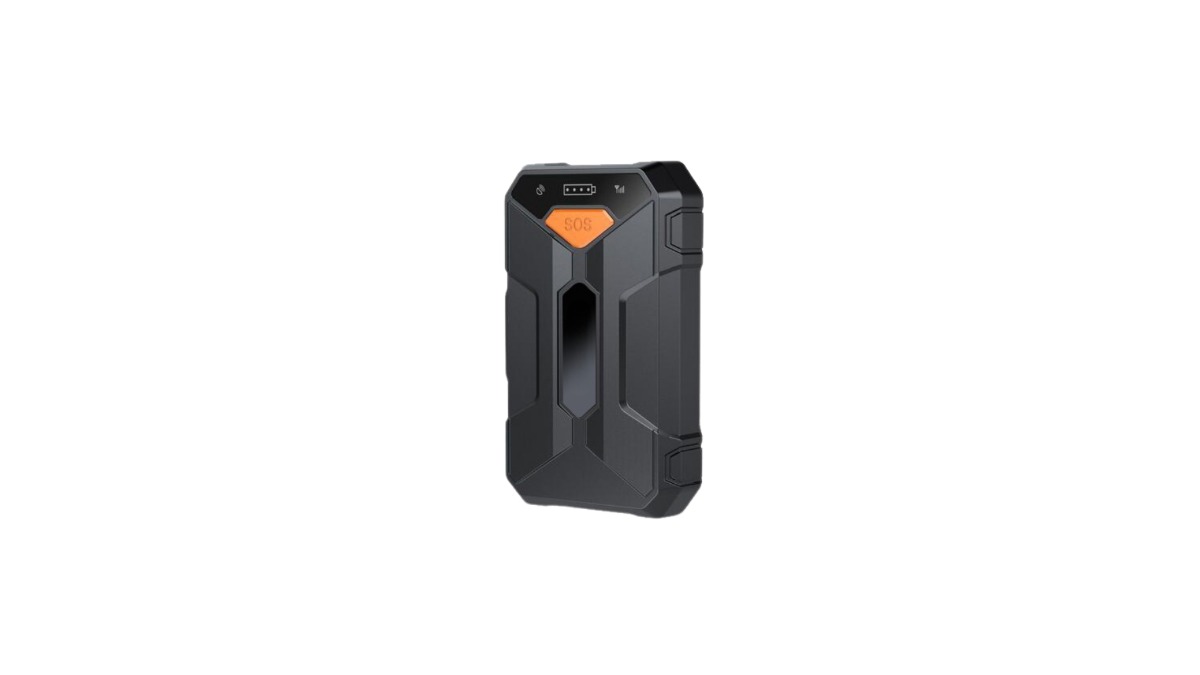
Most platforms only see machines with an ignition. GPX covers excavators and skid steers alongside attachments, trailers, tool crates and returnable containers. AssetTrack GPS units report for up to ten years on a daily fix. AssetTag Pro runs five years on a replaceable coin cell and reports through any GPX tracker or gateway in range. That mix makes heavy equipment tracking affordable across the whole jobsite, not just the yellow iron.
Scout AI sits on top of the hardware. Ask it in plain English which machines have been idle more than 48 hours and it answers. It geofences a new site in seconds and alerts your team the moment an asset moves without authorization. GPX is not a maintenance management system and not a job-costing platform. It is the visibility layer those systems run on.
Best fit: contractors tracking ten or more assets across multiple sites and yards.
Strengths:
- Powered and unpowered assets on one map.
- Multi-network connectivity across cellular, BLE, GPS, satellite and WiFi positioning.
- Deployments go live in days, not quarters.
Limitations:
- No engine diagnostics or driver-behavior scoring.
- No native job costing; it feeds your ERP or maintenance system instead.
2. Tenna
Tenna builds only for construction. One system covers heavy iron, mid-sized machines, pickups and small handheld tools. Superintendents use the same map to find a dozer and a plate compactor.
The back-office story is strong. Tenna integrates with Procore and Viewpoint Vista, so hours, location and work orders flow into the systems your accounting team already uses. The hardware is ruggedized for site abuse.
Best fit: construction companies that want one vendor for the entire mixed fleet.
Strengths:
- Purpose-built for contractors, not adapted from trucking.
- Tracks small tools alongside heavy machinery.
- Procore and Viewpoint Vista integrations.
Limitations:
- Meaningful upfront hardware spend.
- Large fleets take real time to roll out.
3. Trackunit
Trackunit specializes in off-highway telematics and machine access control. Digital keypads and RFID readers stop anyone without credentials from starting a machine.
Trackunit partners with off-highway equipment manufacturers, so contractors often take delivery of machines with the hardware already installed. Rental houses use the engine-hour data for billing accuracy.
Best fit: rental companies and contractors that need operator authentication.
Strengths:
- Strong off-highway machine connectivity.
- Blocks unauthorized machine starts.
- Rental billing features built in.
Limitations:
- Weaker on over-the-road vehicle routing.
- More platform than a 20-machine contractor needs.
4. EquipmentShare
EquipmentShare rents equipment and sells the technology that watches it. The T3 platform ties machines, materials and crews into one operating picture.
T3 pulls fuel burn, engine health and location off connected machines. Contractors who rent heavily get owned and rented units side by side instead of in two separate systems.
Best fit: contractors whose fleets swing hard toward rentals in peak season.
Strengths:
- Rented and owned equipment in one view.
- Detailed utilization and operator reporting.
- Digital work orders.
Limitations:
- Closely tied to the EquipmentShare rental network.
- Expensive for fleets dominated by unpowered assets.
5. Samsara
Samsara leads the on-road fleet market. Its strength is safety: AI dash cameras, driver coaching and compliance reporting on trucks moving between sites.
The hardware is reliable and the diagnostics are deep. Everything runs through dash cams and OBD-II gateways, which is exactly why it fits trucks better than it fits a bucket or a light tower.
Best fit: contractors running large on-road fleets that need safety and compliance.
Strengths:
- Video safety features other vendors chase.
- Strong driver compliance tracking.
- Reliable hardware and support.
Limitations:
- Costly for basic unpowered inventory.
- Built for highway vehicles more than dirt equipment.
6. HCSS
HCSS is heavy civil software first. The Equipment360 module handles preventive maintenance schedules, work orders and mechanic dispatching. Treat it as a maintenance management system, not a tracking platform.
HCSS pulls meter readings and location from third-party tracking hardware into its maintenance and costing workflows. Equipment managers use it to see every dollar a machine consumes.
Best fit: heavy civil contractors that run their business on job costing.
Strengths:
- Deep preventive maintenance functionality.
- Connects field mechanics to the shop.
- Accurate cost-per-machine reporting.
Limitations:
- Needs third-party GPS hardware for location.
- Field crews need training time.
7. B2W Software
B2W Software covers estimating, field tracking and maintenance for heavy construction. B2W Maintain works with B2W Track to move repair requests and preventive maintenance off paper.
A superintendent submits a repair request from the site. The mechanic sees it immediately. Like HCSS, B2W depends on outside hardware for the raw location data.
Best fit: firms that want estimating, dispatch and maintenance under one roof.
Strengths:
- Kills the paper repair ticket.
- Strong mechanic scheduling.
- Solid crew and equipment dispatching.
Limitations:
- Not a standalone location platform.
- Built around heavy civil workflows.
8. Geotab
Geotab is enterprise vehicle telematics. Engine data, fuel consumption, routing and driver behavior are the core, delivered through plug-in GO devices.
The marketplace is the differentiator. Hundreds of third-party add-ons extend the platform, and Geotab handles enormous data volumes for national fleets.
Best fit: large fleets focused on vehicle routing and fuel efficiency.
Strengths:
- Deep engine diagnostic data.
- Large integration marketplace.
- Proven at enterprise scale.
Limitations:
- Overbuilt for tracking attachments and containers.
- Off-highway coverage depends on add-ons.
Running one skid steer and a utility trailer? Enterprise platforms are overbuilt for that. Magnetic trackers from Logistimatics or LandAirSea cover a single asset with no install, and you can move up to an enterprise system once the fleet passes ten machines.
Where Heavy Equipment Tracking and Legacy Telematics Break Down
Unpowered Assets Nobody Is Watching
Legacy GPS telematics favors anything with an ignition switch. Excavators and dozers get engine-connected devices. Attachments, flatbeds, compactors and returnable containers get nothing.
That gap is where the hours go. Crews hunt for a specific bucket or generator while the machine that needs it sits idle. Covering those assets takes battery-powered tags rated for weather, mud and impact, not another engine wiring install.
Equipment Hoarding
Site managers hold machines they no longer need, just in case. The company then rents a duplicate for the next job. Without shared location data, nobody in the corporate office can prove the first machine is idle.
Idle-time alerts fix that argument fast. Moving a skid steer from a stalled site to an active one beats paying a rental invoice for the same class of machine.
Cellular Dead Zones on Remote Sites
Heavy civil work happens where coverage thins out: rural interchanges, quarry floors, valley cuts, pipeline right-of-ways. A device that speaks only cellular goes quiet in those spots, and the asset drops off the map until someone drags it back into range. Multi-network connectivity across cellular, BLE, satellite and WiFi positioning keeps the location record intact because the device reports through whatever path exists that day. Ask every vendor on your shortlist what happens to a tracker with no bars, and get the answer before the first machine ships.
Tracking Data That Never Reaches Your ERP
Location data stranded in a vendor portal creates a second set of books. Crews log hours in one field app, accounting rekeys them into Vista, Procore or Foundation, and the two records never agree at month end. Ask how equipment hours, meter readings and location push into the system your controller actually closes the books in. If the honest answer is a manual CSV export, your team owns that reconciliation forever.
Mixed Fleets and Fragmented Data
Contractors buy from more than one manufacturer. Your yard holds Caterpillar, John Deere and Komatsu iron, and each brand pushes its own portal. Checking three dashboards to answer one question wastes the morning. One platform that aggregates every asset, regardless of badge, gives operations a single source of truth.
Theft and Unauthorized Movement
Jobsites are open, staffed by rotating subs, and quiet on weekends. Equipment leaves. Geofences turn that into a detection problem instead of a discovery problem: the alert fires when the machine crosses the line, not when the crew shows up Monday.
What Comes Next for Equipment Visibility
The next shift is agentic asset intelligence. Instead of a dashboard waiting for someone to log in, the platform flags the idle grader, the container that never came back and the machine leaving the site at 2 a.m., then routes each one to the person who can act.
Location data also becomes the input for planning. Utilization history tells you what to buy, what to sell and what to stop renting. Modern operations teams treat tracking as an intelligence layer, not a status page.
How to Choose the Right Construction Equipment Management Software
Ignore the dashboard screenshots. The decision comes down to your asset mix and where your money actually leaks.
If the fleet is mostly on-road trucks and safety is the driver, Geotab or Samsara fit. If job costing and mechanic workflows are the bottleneck, HCSS and B2W do that work better than any tracking vendor. If you own a mixed construction fleet and want one vendor for it all, look at Tenna or Trackunit.
If the real problem is finding assets, catching theft early and tracking the unpowered half of the yard without wiring every machine, you need location intelligence rather than engine diagnostics. That is the category GPX is built for.
Stop paying crews to hunt for machinery. Talk to our team and see how fast GPX puts every asset on one map.
Frequently Asked Questions (FAQs)
What is the best construction equipment management software for mixed fleets?
The right system tracks powered machinery and unpowered attachments in the same view. GPX combines GPS, BLE, cellular and WiFi positioning so excavators, trailers, tool crates and containers all report to one map. That removes the blind spots between active sites and the home yard.
What is the difference between wired telematics and battery-powered BLE tags?
Wired telematics devices splice into a machine’s OBD-II or CAN bus connection to read engine data, which limits them to assets that have an ignition and a mechanic to install them. Battery-powered BLE tags mount to the outside of any asset and report location and condition with no wiring at all. GPX uses the second approach, which is why deployments go live in days rather than quarters, and why attachments, containers and trailers land on the same map as the excavators.
How do BLE tags track attachments and other unpowered assets?
AssetTag Pro and AssetTag Edge are rugged Bluetooth tags that hang, stick or screw onto buckets, generators and containers. They report through any GPX tracker or gateway in range, so a tagged attachment shows up on the map without its own cellular plan. AssetTag Pro runs up to 3 years (up to 5 on AssetTag Pro Max), on a replaceable coin cell.
Can software stop heavy equipment theft?
Software will not stop someone cutting a fence, but it shortens the window that matters. Scout AI geofences a site in seconds and alerts operations the moment an asset moves without authorization. GPX recoveries typically complete in under eight hours.