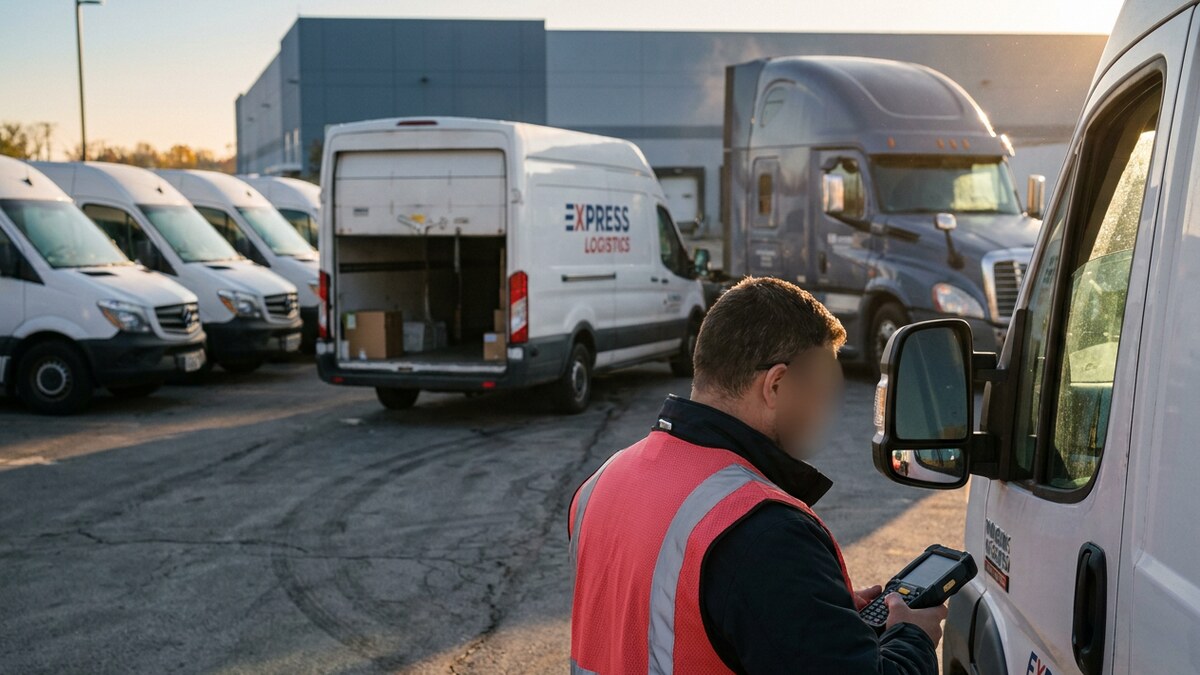


High-value assets move fast across supply chains, job sites, and enterprise facilities. Lose visibility for even a day and the costs pile up: misplaced equipment, delayed shipments, and outright theft.
The numbers are blunt. Gartner reports that poor data quality costs organizations roughly $15 million per year. Unplanned downtime hits harder still, costing the world’s 500 largest companies an estimated $1.4 trillion a year, according to Siemens.
Modern asset tracking software goes beyond dots on a map. The strongest platforms fuse a real-time location system (RTLS), geofencing, and industrial IoT (IIoT) data into higher utilization, secured inventory, and automated workflows.
The market is crowded, from basic GPS trackers to AI-powered platforms. The right pick depends on your real problem: theft, maintenance, compliance, or the manual errors spreadsheets create. This guide compares eight asset tracking systems on connectivity, pricing, and fit.
| Platform | Network | Best For | Starting Price | Key Strength |
|---|---|---|---|---|
| GPX | Multi-Network (GPS, BLE, Cellular, Satellite) | Universal asset & fleet tracking | ~$3.50/mo | AI-powered tracking with multi-network connectivity |
| Samsara | Cellular | Mid-Market to Enterprise Fleets | Quote-based | Comprehensive Fleet Management & AI Cameras |
| Verizon Connect | LTE-M Cellular | Large Fleets & Regulatory Compliance | Quote-based | Integrated Fleet & Asset Tools |
| Geotab | Cellular | Fleets of All Sizes | Varies by reseller | Open API & Platform Customization |
| Trimble AgileAssets | Varies | Infrastructure & Heavy Asset Lifecycle | Quote-based | Asset Lifecycle Management Focus |
| Asset Panda | Barcode/QR (Mobile) | Highly Customizable Physical Asset Tracking | Quote-based | Flexibility & Unlimited User Model |
| GPS Insight | Cellular | Economical Fleet & Asset Management | $14.95/mo per vehicle | Transparent, Low Starting Price |
Where Untracked Assets Drain Budget and Delay Projects
Pin down the problem before you buy a platform. Operations leaders hit the same set of challenges, and the right software solves them directly.
- High Costs from Lost or Stolen Assets: Replacing a stolen excavator or a lost container is just the start. Project delays, disrupted operations, and higher insurance premiums often cost more than the asset itself.
- Inefficient Asset Utilization: When you cannot see where assets sit or how they get used, you cannot deploy them well. The result is idle equipment, needless rental costs, and crews wasting hours hunting for tools.
- Poor Data Quality and Compliance Risk: Spreadsheets and paper logs invite human error. Bad data breaks financial reporting, fails audits, and creates real exposure in regulated industries that demand proof of location, maintenance, or temperature for cold chain monitoring.
- Siloed Systems and Integration Complexity: Operations, finance, and maintenance often run separate systems. Connecting a new platform to legacy ERP, TMS, and financial software without creating fresh bottlenecks demands an open asset tracking API and one source of truth.
- Inability to Scale: Manual tracking breaks as you grow. The more assets you add, the more labor each audit demands, until the process caps your growth.
- Hardware Durability in Harsh Environments: Trackers ride through extreme temperatures, vibration, moisture, and impact on job sites and in transit. Short battery life forces constant swaps, so rugged builds and long-life power decide whether a deployment survives the field.
- Network Coverage Gaps: Single-network devices go dark in remote sites, dense warehouses, and across borders. Multi-network connectivity that spans cellular, BLE, and satellite keeps assets visible where one signal fails.
- Slow Adoption and Training Overhead: A system only analysts can run never reaches field crews. Plain-language tools and field-ready mobile apps drive the adoption that makes the data worth collecting.
1. GPX
GPX runs an AI-powered asset tracking platform built for enterprise supply chain visibility across more than 50 industries. The platform pulls multi-network data from GPS, BLE, cellular, and satellite into one view. Scout AI sets it apart: this in-platform analyst answers plain-English questions, delivers predictive ETAs, flags disruptions before they hit, and recommends the next action, building toward a live digital twin of your operation. The infrastructure-free approach deploys fast and scales from a handful of high-value assets to tens of thousands of items, including disposable Smart Labels for package-level tracking and rugged AssetTag BLE tags with a 4-year replaceable watch battery.
- Location: USA
- Best for: Enterprises that need one scalable platform for supply chain visibility, yard management, and diverse assets from heavy equipment to returnable containers.
- Pricing: Predictable flat-rate pricing per asset, with disposable Smart Labels from roughly $3.50 per month.
- Connectivity: Multi-network platform supporting GPS, BLE, cellular (4G/5G LTE-M), satellite, and WiFi for indoor and outdoor coverage.
- Standout features: Scout AI for predictive intelligence, infrastructure-free deployment with no gateways, and disposable Smart Labels for shipment-level visibility.
Benefits
- Delivers predictive and prescriptive insight, not just location data.
- One platform unifies tracking for every asset type and kills data silos.
- Infrastructure-free hardware works out of the box, cutting deployment time and cost.
- Scales past 10,000 devices on a simple, predictable pricing model.
- Combines cellular, satellite, and BLE to keep assets connected everywhere.
2. Samsara
Samsara is a major IoT player with an integrated platform for fleet management and asset tracking. The interface is clean, and the feature set spans real-time GPS, AI dash cams, ELD compliance, and driver safety monitoring. It serves many industries but shines in transportation and logistics, where route optimization and fleet efficiency tools earn their keep.
- Location: San Francisco, CA, USA
- Best for: Mid-market and enterprise fleets, industrial IoT, and teams that want one system for vehicles, assets, and drivers.
- Connectivity: Cellular for real-time data transmission.
- Standout features: Real-time GPS for powered and unpowered assets, AI safety cameras, ELD compliance, driver behavior monitoring, and an open API.
Benefits
- Reliable real-time tracking with a modern, intuitive interface.
- Wide suite of tools covering assets, vehicles, safety, and compliance.
- Strong AI-driven insight, especially from video data.
- Optimizes routes, cuts fuel use, and improves operational efficiency.
Drawbacks
- Pricing is opaque and requires a custom quote, often with a multi-year contract.
- Some users report friction with customer service and billing transparency.
- Costs run high or feel overbuilt for small fleets or simple tracking needs.
3. Verizon Connect
Verizon Connect runs fleet and asset management on its own telecom network. It fits mid-size to large enterprises that need operational control, compliance, and live data from a mobile workforce. The platform combines vehicle tracking, ELD tools, and asset monitoring in one system to improve security, productivity, and efficiency.
- Location: Atlanta, GA, USA
- Best for: Mid-size to large fleets that need full GPS tracking, operational control, and strong compliance tools.
- Connectivity: LTE-M cellular via its ThingSpace IoT platform.
- Standout features: Real-time GPS with live maps, geofencing and alerting, driver behavior monitoring, ELD compliance, and maintenance scheduling.
Benefits
- Full feature set for managing fleets and assets together.
- Effective for route optimization, fuel reduction, and tighter delivery schedules.
- Scalable, modular design adapts to your needs.
- Strong support for regulatory and compliance requirements.
Drawbacks
- Pricing is quote-based and typically demands a minimum three-year contract.
- Some users report issues with customer service quality.
- The standard 30-second data refresh rate trails some competitors.
4. Geotab
Geotab runs a flexible, data-rich telematics platform for fleets of every size, from small businesses to massive enterprise operations. Its open-platform approach drives deep customization through a large marketplace of third-party hardware and software. Geotab surfaces detailed insight into vehicle health, driver behavior, and efficiency, and uses AI to sharpen reporting and prediction.
- Location: Oakville, Ontario, Canada
- Best for: Fleets of any size that want a dependable, customizable platform with deep data and a strong integration set.
- Connectivity: Cellular, with support for various GO hardware devices.
- Standout features: Open API and marketplace for integrations, real-time GPS, vehicle diagnostics, AI reporting, and strong compliance tools.
Benefits
- Excellent flexibility and customization through its open API and marketplace.
- Delivers deep, data-rich insight into vehicle and driver performance.
- Praised for 24/7 customer support and a user-friendly interface.
- AI features enable predictive analysis and real-time anomaly detection.
Drawbacks
- Third-party resellers set pricing, which creates variability and limited transparency.
- Total cost runs above average depending on the reseller and chosen features.
- The sheer number of features adds a learning curve for new users.
5. Trimble AgileAssets
Trimble AgileAssets focuses on the lifecycle of large-scale infrastructure assets. It fits government agencies, transportation departments, and utilities that manage roads, bridges, and facilities. Beyond location, it handles maintenance planning, condition assessment, and budget decisions that extend asset life.
- Location: Westminster, CO, USA
- Best for: Transportation, utilities, and government organizations optimizing the lifecycle of physical infrastructure.
- Standout features: Asset lifecycle management, real-time condition monitoring, data analytics, preventive maintenance scheduling, and work order tracking.
Benefits
- Optimizes long-term asset strategies to reduce failures and costs.
- Drives informed decisions through advanced analytics.
- Streamlines workflows and improves collaboration across large departments.
- Extends asset lifespan and reduces total cost of ownership.
Drawbacks
- Pricing stays private and requires a direct sales consultation.
- Built for large infrastructure, so it fits smaller, diverse assets like tools or containers poorly.
- Offers less in-transit, real-time visibility than fleet-centric platforms.
6. Asset Panda
Asset Panda runs a customizable, cloud-based platform for tracking physical assets at any scale. Flexibility is the draw: configure it to track IT gear, tools, furniture, or vehicles. The mobile-first system uses smartphones to scan barcodes and QR codes for check-in/check-out, audits, and maintenance updates. Its unlimited-user model keeps costs down for big teams.
- Location: Dallas, TX, USA
- Best for: Organizations of any size that need a flexible system for tracking diverse physical assets, with strong mobile access.
- Connectivity: Relies on mobile devices for barcode/QR scanning rather than dedicated IoT networks.
- Standout features: Deep customization, unlimited user access, field-ready mobile apps, barcode/QR scanning, and maintenance scheduling.
Benefits
- Configures to match specific business workflows.
- The unlimited-user model is a clear cost advantage for larger teams.
- Covers full lifecycle management from procurement to disposal.
- The mobile app enables effective tracking from anywhere.
Drawbacks
- Pricing requires a custom quote and stays private.
- Heavy customization means real upfront setup effort.
- Lacks the real-time, automated GPS of dedicated IoT solutions.
7. GPS Insight
GPS Insight offers an economical, easy-to-use option for fleet and asset management. Transparent pricing appeals to companies that want core tracking without enterprise cost or complexity. The platform delivers real-time tracking, driver behavior monitoring, and maintenance scheduling to cut costs, improve safety, and lift efficiency.
- Location: Scottsdale, AZ, USA
- Best for: Small to mid-sized businesses that want an economical, easy-to-use option for vehicle and asset tracking.
- Pricing: Starts at $14.95 per vehicle, per month.
- Connectivity: Cellular.
- Standout features: Live GPS tracking, customizable dashboards, driver behavior monitoring, route optimization, and fuel card integration.
Benefits
- Transparent, economical pricing makes it accessible for smaller businesses.
- The interface is intuitive and easy to use.
- Delivers a solid set of core features for fleet and asset oversight.
- Detailed reporting supports accountability and cost-cutting.
Drawbacks
- Some users call the interface outdated.
- Lacks advanced features like integrated traffic alerts or AI video analysis.
- ELD compliance and hardware installation can cost extra.
- Mobile app functionality trails the desktop version.
Matching Platform to Your Asset Mix and Environment
Pick asset tracking software for the value it brings your operation, not the feature count. Use these criteria to guide the decision.
- Assess Your Asset Mix and Environment: Are your assets powered or unpowered? High-value or low-value? Indoors, outdoors, or both? The answers point you toward long-life battery trackers, disposable labels, BLE gateways, or satellite connectivity. A multi-network platform gives you the most flexibility.
- Define Your Primary Goal: Do you most need to cut theft, raise utilization, automate compliance, or sharpen customer ETAs? Prioritize the solution that solves your most expensive problem. Predictive AI wins for logistics; strong geofencing wins for security.
- Evaluate Scalability and Integration: Your software must grow with the business and fit your stack. Look for an open asset tracking API that connects with your ERP, WMS, or TMS. Skip platforms that demand proprietary gateways or complex infrastructure.
- Calculate Total Cost of Ownership (TCO): Look past the monthly fee. Factor in hardware, installation, long-term contracts, and per-user or per-feature charges. A transparent, flat-rate model usually delivers lower, more predictable TCO.
- Request a Pilot Program: The real test is performance in your environment. A reputable provider offers a trial so you test hardware, software, and support with your own assets and team first.
Moving from manual processes to an intelligent asset tracking platform builds a more resilient, efficient operation. Judge each solution against real operational needs, and pick a partner that turns data into decisions and scales toward an autonomous control tower.
See how GPX’s AI-powered platform delivers operational clarity and predictive intelligence beyond dots on a map. Explore our solutions for enterprise supply chain visibility and request a demo today.
Frequently Asked Questions (FAQs)
How does AI asset tracking differ from traditional GPS?
Traditional GPS tells you where an asset has been. AI asset tracking, like GPX’s Scout AI, fuses that location data with traffic, weather, and historical patterns to deliver predictive and prescriptive insight. It forecasts arrival times, flags delays, and recommends actions, turning a reactive status page into proactive management.
What types of asset tracking hardware does GPX offer?
GPX builds a full multi-network hardware line. Smart Labels are peel-and-stick disposable BLE trackers for single-use shipments, AssetTag and AssetTag Edge are rugged IP67 BLE tags for indoor precision, the AssetTrack GPS family handles long-range outdoor tracking, and BLE RoadWired turns vehicles into mobile BLE gateways. One platform reads them all.
What battery life should I expect from GPX tracking devices?
It depends on the device. AssetTag delivers a 4-year battery life on a replaceable watch battery, so you swap the cell instead of the tag. The AssetTrack GPS family runs up to 10 years on daily reporting, and disposable Smart Labels are single-use for the life of a shipment.
What does GPX cost per asset per month?
GPX uses a flat-rate price per asset, so costs stay predictable with no tangled fee structures. Disposable Smart Labels start around $3.50 per month for high-volume, low-cost shipment tracking. For a quote based on your asset mix and volume, contact our solutions team.
Does GPX integrate with existing ERP, WMS, or TMS systems?
Yes. The GPX platform offers a flexible asset tracking API that connects with Enterprise Resource Planning (ERP), Warehouse Management Systems (WMS), and Transportation Management Systems (TMS). You get a single source of truth and automated data flow across operations.