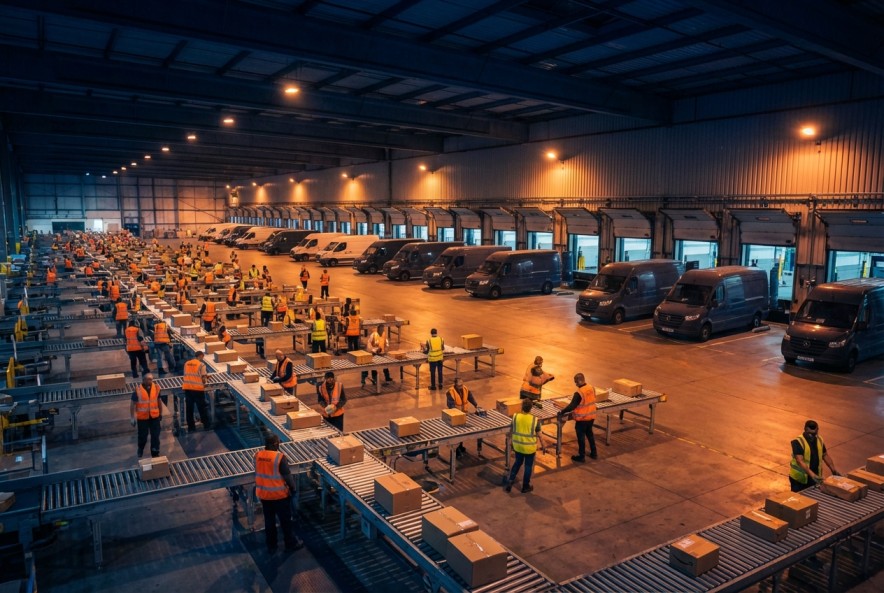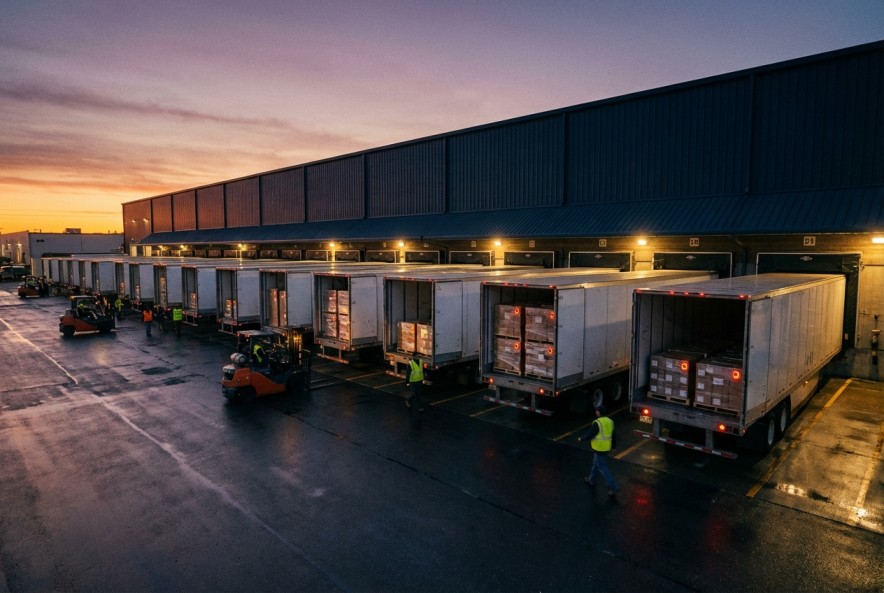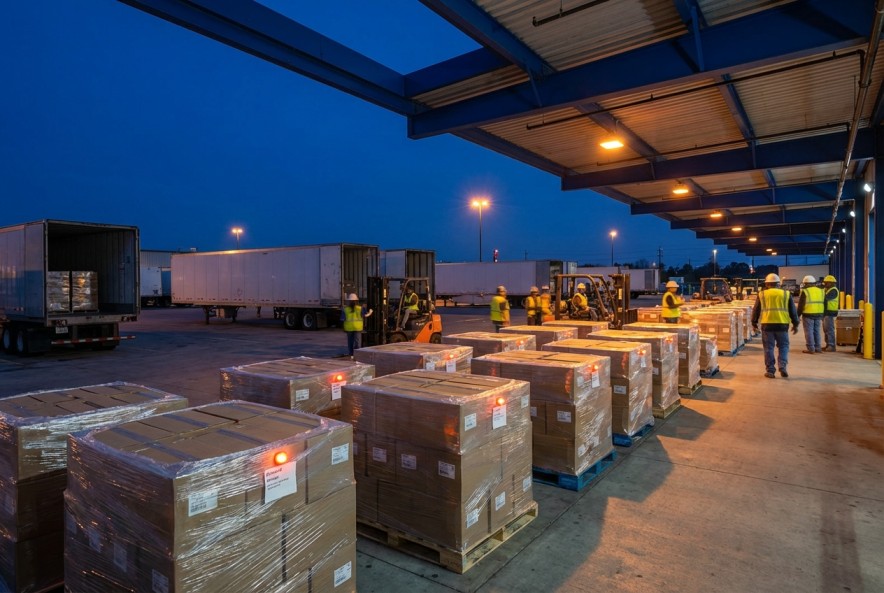

Farming is a business of thin margins and tight deadlines. When equipment breaks down on a 2,000-acre field or a reefer fails on the way to the distribution center, you lose more than time, you lose product. Expensive machinery needs to run 24/7 during harvest, leased equipment must be returned on time, and strict federal regulations demand traceability. Managing this with a notebook or whiteboard is risky. Research shows farm equipment downtime and supply chain inefficiencies cost growers over $3 billion annually, largely due to preventable delays, misplaced assets, and cold-chain failures.
Industry data shows 14% of food is lost between harvest and retail, often due to poor supply chain visibility and temperature control. To reduce these losses, many farms are turning to tracking tools for real-time location data, end-to-end visibility.
That said, choosing the right GPS tracker can be challenging. To make it easier, we have put together a list of the top seven budget-friendly agriculture GPS trackers. Before we get into the list, let’s look at why GPS trackers matter and what you should consider before making your investment.
Why Agribusiness Needs More Than Just Dots on a Map
The challenges in agriculture are unique. You aren’t just tracking a vehicle; you are tracking perishable goods, livestock, and high-value attachments that don’t have their own power source.
The biggest pressure right now is the FDA’s FSMA Rule 204. This regulation requires farmers and packers to produce traceability records within 24 hours for high-risk foods. If you cannot prove the chain of custody, you risk massive fines and market rejection. Beyond compliance, the theft of “yellow iron” and “green fleets” continues to rise in rural areas where police response times are slow.
Farmers need a mix of technologies to close these gaps: GPS for heavy tractors, BLE (Bluetooth) for smaller implements, RFID for scanning crates and livestock, and environmental sensors to prove your cold chain remained intact.
Below are the top 7 agriculture tracking solutions that combine GPS durability with the data precision you need for 2025.
7 Best Agriculture and Farm Tracking Solutions
1. GPX Intelligence
Best For: Complete farm visibility, cold chain monitoring, and asset security.
GPX Intelligence helps agribusinesses secure their high-value machinery and protect their harvest. They offer a comprehensive suite of hardware that is built for the dirt, not the office. GPX provides specialized GPS Stickers for smaller implements, ruggedized wired and battery-powered GPS units for heavy tractors, and advanced sensors that monitor shock, temperature, and humidity. This environmental monitoring is critical for proving the integrity of your produce during transport.
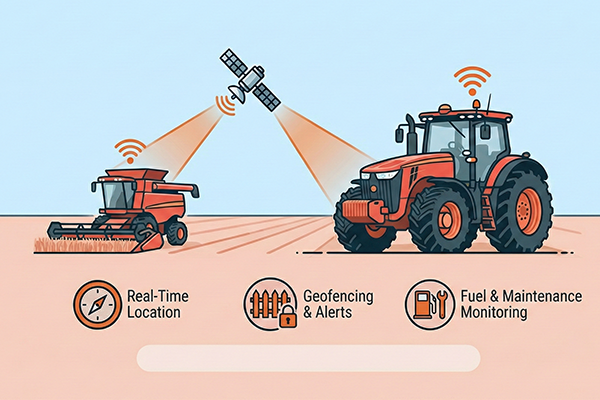
Why It Wins: GPX distinguishes itself with Scout, their intelligent platform. Scout uses predictive data to forecast potential disruptions and optimize how you use your equipment. Additionally, their custom geofencing capabilities allow farmers to create virtual boundaries around specific fields, barns, or storage facilities, triggering instant alerts if an asset moves or if temperature thresholds are breached.
- Key Features: Scout platform for predictive insights, GPS Stickers for versatile tagging, shock/temperature/humidity monitoring for cargo, wired and battery-powered hardware.
- Pricing: Scalable enterprise plans.
2. LandAirSea 54 Asset Tracker
Best For: Simple, low-maintenance tracking for trailers, tools, and small farm implements.
The LandAirSea 54 is a compact, magnet-mounted GPS tracker trusted by small and mid-size farms. Fully waterproof and impact-resistant, it’s designed to survive dust, vibration, and weather exposure. With rapid 4G LTE updates as fast as every three seconds, it provides reliable real-time visibility for equipment that’s constantly on the move or stored outdoors.
Why It Wins:
The LandAirSea 54 excels in ease of use. It requires no wiring, installs instantly, and has excellent battery durability. Farmers who want dependable tracking without complicated software or pricey subscription tiers appreciate its simplicity and value.
- Key Features: Waterproof construction, strong magnet mount, instant alerts, detailed location history, long battery life
- Pricing: Device approx. $20–$30; subscription requirement with multiple update-frequency tiers
3. Trak-4 GPS Tracking System
Best For: Long battery life and monitoring equipment left in the field for extended periods.
Trak-4 is a favorite in agriculture for its unmatched battery performance, lasting weeks or even months depending on update intervals. It supports both wired 12-volt connections and standalone battery mode, making it suitable for tractors, balers, wagons, and seasonal tools. Its interface is farmer-friendly, offering accurate geofencing of farm equipment, movement alerts, and historical route playback.
Why It Wins:
Its long-lasting battery makes it ideal for remote fields or idle machinery that doesn’t get checked daily. Transparent, low-cost subscription options add to its appeal.
- Key Features: Exceptional battery life, wired or battery operation, geofencing alerts, detailed reporting, cloud dashboard
- Pricing: Device approx. $40–$50; affordable monthly or discounted annual plans
4. Spytec GL300
Best For: Compact tracking for small machinery, ATVs, and frequently used tools.
The Spytec GL300 is a discreet, lightweight tracker known for fast, reliable real-time updates. Its small size lets farmers place it inside toolboxes, glove compartments, or equipment panels without detection. With strong LTE performance and a rechargeable battery lasting up to two weeks, it’s excellent for assets that change hands or locations frequently.
Why It Wins:
Portability and fast reporting set the GL300 apart. The platform also offers customizable alerts, movement notifications, and multi-device tracking useful for farms juggling lots of equipment.
- Key Features: Compact design, rapid real-time updates, customizable alerts, multi-asset dashboard, LTE connectivity
- Pricing: Device approx. $20–$35; monthly subscription required
5. Spark Nano 7 GPS Tracker
Best For: Equipment and vehicles that require frequent check-ins and strong nationwide coverage.
Spark Nano 7 features a durable, weather-resistant casing and solid LTE connectivity. Its intuitive dashboard includes mapping, alerts, and historical playback. Farmers can opt for an extended battery pack for longer deployments, making it suitable for outdoor equipment exposed to the elements.
Why It Wins:
It strikes a strong balance between portability, durability, and tracking precision. Fast setup and flexible subscription tiers make it ideal for farms that don’t have time for complicated installations.
- Key Features: Weather-resistant housing, real-time tracking, optional extended battery, easy mobile platform
- Pricing: Device approx. $30–$40; subscription cost depends on chosen plan
6. Tracki 4G GPS Hidden Tracker
Best For: Ultra-portable tracking for tools, generators, small implements, and theft prevention.
Tracki 4G is one of the smallest trackers available, easily concealed in equipment or attached using magnet, Velcro, or clip mounts. Despite its size, it supports global coverage, geofencing, live updates, and SOS alerts. It’s especially useful for securing high-risk assets.
Why It Wins:
Flexibility is Tracki’s biggest advantage. It installs instantly, works almost anywhere, and remains one of the most affordable tracking solutions perfect for theft prevention or quick location checks.
- Key Features: Global tracking, tiny form factor, geofencing, SOS alerts, multiple mounting accessories
- Pricing: Device approx. $10–$20; budget-friendly subscription required
7. Samsara
Best For: Ag-logistics, reefer monitoring, and driver safety.
Samsara shines when the harvest leaves the farm. Their environmental monitors and gateways are excellent for logistics fleets hauling grain or refrigerated produce.
Why It Wins:
They provide real-time temperature logging for FSMA compliance and dash cams to ensure safety for drivers navigating rural roads. If you own the trucks that get your product to market, this is a strong contender.
- Key Features: Real-time temperature monitoring, two-way reefer control, AI safety cameras, and ELD compliance.
- Pricing: Contract-based licensing.
Alternatives to GPS Tracking Devices: Farm GPS Tracking Software and Apps
While hardware-based GPS trackers are essential for monitoring tractors, trailers, and non-powered equipment, many farms also rely on software-based solutions and mobile apps to streamline operations. These tools provide powerful monitoring capabilities without installing physical devices making them ideal for growers who want a lighter, more flexible, and cost-effective approach to equipment visibility.
Why Use Software and Apps?
Farm GPS tracking software comes with several advantages:
- Easy Installation: No wiring, no hardware setup just download an app or log into a web dashboard.
- Cost-Effective: Lower upfront investment; many platforms offer free or low-cost tiers.
- Seamless Integration: Connects with existing devices, telematics systems, or machine OEM data.
- Real-Time Visibility: View equipment location, operator activity, and work progress live.
- Unified Monitoring: Combine equipment tracking, field records, agronomic data, and reporting in one place.
Alternative Farm GPS Tracking Software and Apps
If hardware trackers aren’t ideal for every asset, software and mobile apps offer a powerful, cost-effective alternative. These solutions are easy to deploy, integrate with existing systems, and still offer dependable monitoring.
Popular Software and Apps
- Trimble Ag Software: A precision tracking farming platform that combines location tracking with field mapping, guidance lines, and agronomic data.
- Agri-Track: Designed for equipment management, job assignments, and operator performance tracking: without the need for physical trackers.
- FarmTRX: Known for its yield-monitoring capabilities, FarmTRX also offers machine-usage insights and equipment tracking.
- FarmLogs: A mobile-first tool for field management, weather forecasting, activity tracking, and equipment movement.
Choosing the Right Tracking Solution for Your Agribusiness
Choosing the right GPS tracking approach, whether hardware devices, software platforms, or a hybrid of both, is essential for efficient asset management, reduced downtime, and stronger farm security. The best solution ultimately depends on your operation’s size, equipment mix, compliance needs, and budget. By understanding your goals and the tools available, you can select a system that delivers the visibility your farm needs to run smoothly and profitably.
Frequently Asked Questions (FAQs)
How does tracking help with FDA FSMA 204 compliance?
Tracking solutions, specifically those with environmental sensors, create an automated digital trail of your produce. This data allows you to generate the required records instantly, ensuring you can prove the origin and temperature history of food products within the FDA’s required 24-hour window.
What is the difference between GPS, BLE, and RFID for farms?
GPS is best for tracking large assets like tractors over long distances outdoors. BLE (Bluetooth) is ideal for short-range tracking of smaller tools or implements within a barn. RFID is primarily used for inventory management, allowing you to scan hundreds of produce crates or livestock tags instantly as they pass a checkpoint.
Can these trackers monitor condition as well as location?
Yes. Advanced solutions like GPX Intelligence offer sensors that monitor temperature, humidity, and shock. This is critical for farm-to-table visibility, as it alerts you if a reefer unit fails or if fragile produce is being handled too roughly during transport, reducing spoilage claims.
Do farm trackers work in areas without cell service?
Many modern agricultural trackers offer hybrid connectivity or data caching. If cellular service is lost in a remote field, the device stores the data and uploads it once the connection is restored. For critical real-time needs in dead zones, satellite-enabled trackers are the standard choice.
What are GPS stickers and how are they used?
GPS stickers are small, adhesive-backed tracking units designed for smaller assets that cannot support a large wired tracker, such as ATV trailers, irrigation pumps, or expensive hand tools. They typically use battery power and intermittent check-ins to provide location data without requiring complex installation.