
Managing an intermodal chassis fleet is hard. Your equipment is unpowered, unassigned, and scattered across terminals, customer yards, and city streets. When you cannot find a chassis, you lose revenue to missed loads and rack up per diem charges on gear you cannot locate. As port congestion swings unpredictably from month to month, the size of the pool you depend on becomes a liability: the Intermodal Association of North America (IANA) puts the North American chassis fleet at more than 700,000 units, all in constant motion. Every lost unit costs you, with daily chassis usage and detention fees often topping $35 per day.
Chassis change hands constantly. Different carriers use them, different drivers move them, and they sit for days at facilities with no oversight. Without an independent source of location data, disputing per diem bills from pool operators turns into a losing battle. A dedicated chassis tracking solution gives you timestamped proof of when and where a chassis was dropped. That turns costly disputes into clear wins and puts lost assets back to work.
| Approach | How It Works | Power Source | Reports Location When | Best Fit For | Starting Price |
|---|---|---|---|---|---|
| GPX Asset Tracking | Dedicated GPS tracker with cellular and WiFi positioning. | Up to 10-year internal battery | On a schedule (e.g., 1x/day) and on motion events | Fleets needing real-time proof and utilization data | From $5 per asset/month |
| Pool Operator Data Feed | EDI or API data feed from the chassis pool. | N/A (data only) | During gate moves and interchange events | Basic pool compliance and billing reconciliation | Varies (often included in pool fees) |
| Terminal Gate/OCR Events | Optical Character Recognition (OCR) cameras at terminal gates. | N/A (infrastructure) | On entry and exit of a specific terminal | Verifying terminal presence only | Included in terminal access fees |
| BLE Tags and Yard Gateways | Bluetooth Low Energy tags ping nearby fixed readers (gateways). | 3-5 year tag battery | When passing a fixed gateway | Large, single-site facilities like depots and yards | Varies by gateway density |
| Manual Check-in | Drivers or yard personnel manually record chassis numbers and locations. | N/A (human labor) | Periodically, when staff performs a yard check | Small, single-location fleets with low chassis volume | High and inconsistent labor cost |
Why Chassis Go Missing in a Pool
Intermodal chassis do not work like a dedicated trailer fleet. They live in a shared environment. One chassis can pass through dozens of carriers in a single month, moving between ports, rail ramps, and customer warehouses. That constant interchange is why they are so hard to track.
Drivers drop chassis in the corner of a huge container yard or leave them on a public street for a “street turn,” where an import container comes off and the same chassis goes right back out under an export load. These moves are efficient, but they often happen outside the view of terminal gate systems and pool records. If the next driver cannot find the chassis, it is “lost.” The last drayage company to use it keeps paying the daily rental fee until it is officially returned, even with no idea where it sits.
What Makes Chassis Different from Trailers
Standard trailer tracking methods fail on chassis because the assets are fundamentally different. Knowing these differences is the key to picking technology that actually works.
- No power source: Chassis have no power. Trailers draw power from the tractor through the 7-pin connector, so their trackers stay charged. Chassis are unpowered, so any tracker needs its own long-life battery that runs for years without service.
- Shared ownership and pools: Carriers rarely own the chassis they use. Most belong to large pools like DCLI, TRAC Intermodal, or Flexi-Van and rent by the day. The incentive is to return the chassis fast, not to maintain it.
- Frequent interchange: A carrier often holds a chassis for only a few hours or days before returning it to the pool for a competitor to pick up. You cannot manage it like a company-owned trailer fleet.
- Harsh operating environment: Chassis take a beating. Containers slam into them, yard hostlers shove them around, and salt, water, and vibration wear them down. Any tracker has to be tough enough to survive it.
Choosing the Right Tracker for a Chassis
Unpowered assets in rough environments need specific hardware. Prioritize these features when you evaluate solutions.
First, multi-year battery life is non-negotiable. Choose asset trackers rated for five to ten years at one report per day. That “deploy and forget” design keeps maintenance costs low across a large fleet of low-margin assets.
Second, the device needs a rugged, discreet mount that survives impact and resists theft. Mount trackers on the I-beam or frame rails, where yard operations are less likely to shear them off. A high-strength magnetic mount or bolt-on enclosure gives you both security and installation flexibility.
Third, an IP67 or higher rating is critical. It protects the tracker from dust and lets it survive submersion, which happens often in ports and during pressure washing. That durability prevents early hardware failure and protects your investment.
Finally, weigh the cellular technology. Modern asset trackers run on low-power networks like LTE-M or NB-IoT. These IoT networks penetrate buildings well and hold coverage in congested ports and rail ramps where standard cellular signals fade. Some trackers add WiFi positioning to fix a location when GPS drops, such as inside a warehouse or under a stack of containers.
How to Eliminate Per Diem Charges with Location Data
The biggest financial payoff from chassis tracking is eliminating unfair per diem and detention charges. Pool operators bill from their own records, which often stop when a chassis clears the terminal gate. If your driver drops the chassis at an approved spot but the pool’s records lag for days, you eat the charge for that whole stretch.
An independent GPS device gives you an audit trail nobody can argue with. To clear a bogus charge, your location data needs to show:
- A timestamped location history: a clear breadcrumb trail of where the chassis sat at all times.
- Geofence entry and exit alerts: proof the chassis entered the correct return location, like the port terminal or a specific depot, at a set date and time.
- Proof of dwell time: data showing the chassis stayed put at that return location, proving it left your control.
This data changes the argument. Instead of a “he said, she said” standoff, you hold objective, verifiable evidence. It blocks incorrect detention charges and builds a track record of accuracy that cuts future billing errors.
Challenges of Chassis Tracking (and How to Solve Them)
A chassis tracking program comes with real challenges. The right hardware and platform solve each one.
Challenge: No onboard power.
Chassis have no power source, and devices that need recharging do not scale.
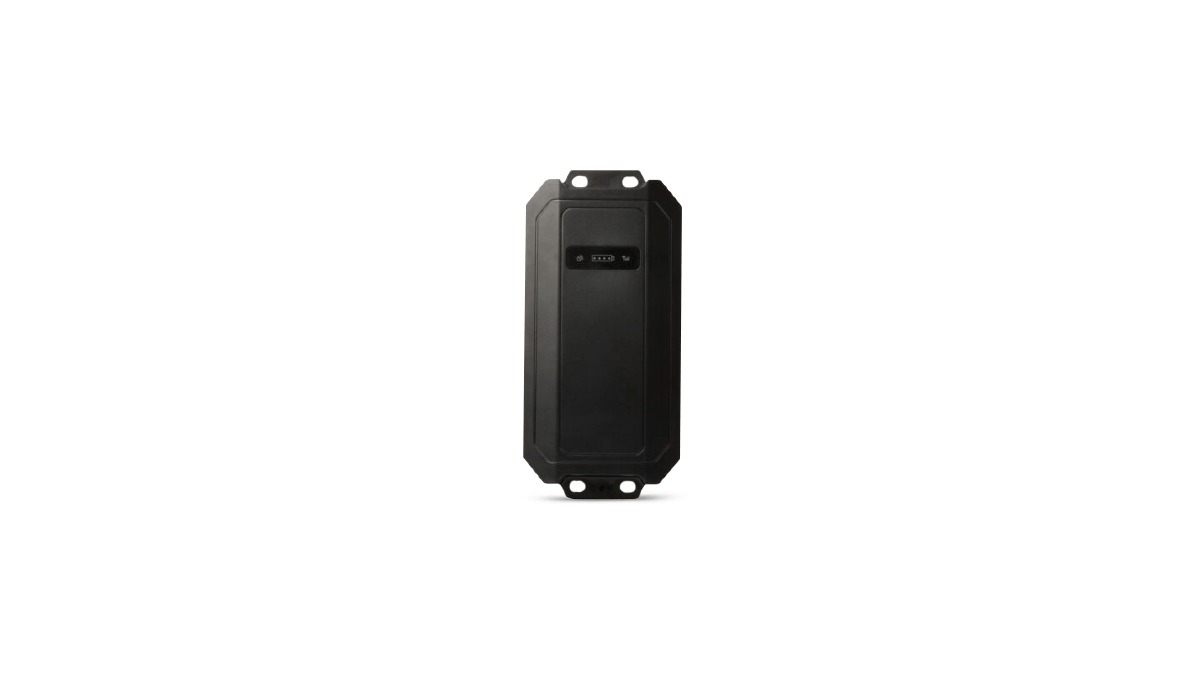
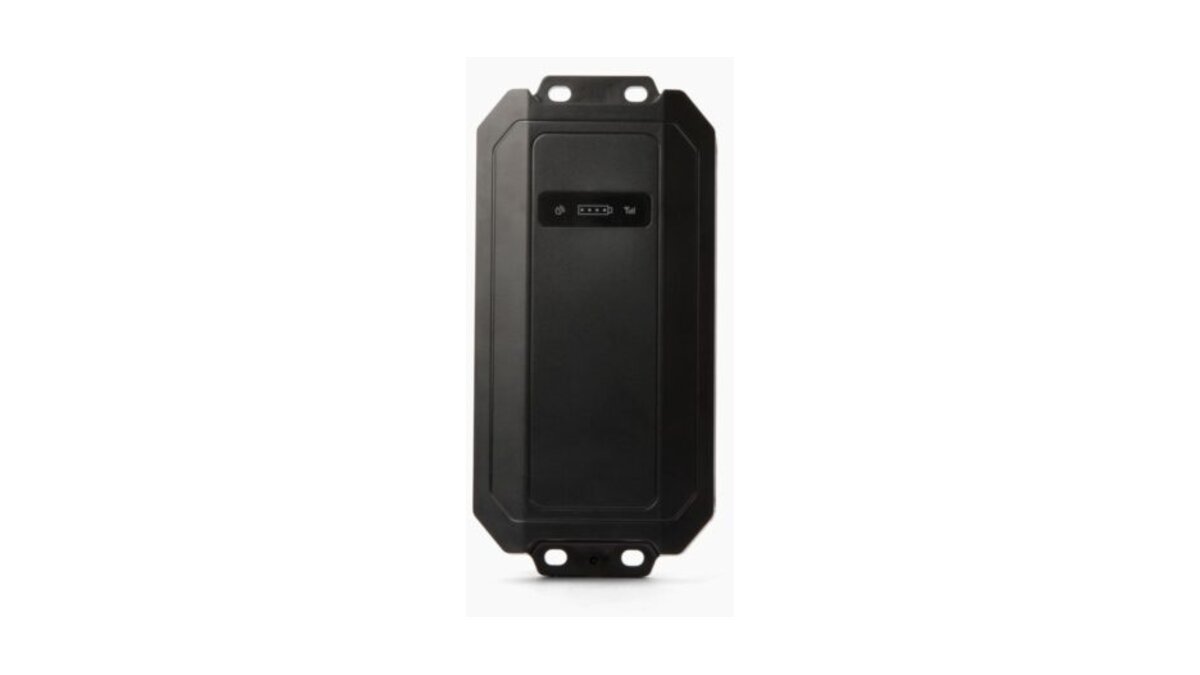
Solution: Deploy asset trackers with long-life, field-replaceable batteries built for unpowered equipment. The GPX AssetTrack runs up to 10 years on a single battery, so you skip frequent maintenance.
Challenge: Device damage and theft.
Crews handle chassis roughly, and yard equipment can damage or knock off a tracker.
Solution: Use rugged, low-profile hardware with durable mounts. Placing trackers in concealed but accessible spots, such as inside the chassis frame, cuts the risk of both accidental damage and tampering.
Challenge: Poor signal coverage in terminals.
Container stacks, metal cranes, and buildings block GPS signals and create location gaps.
Solution: Choose trackers that combine positioning technologies. Alongside GPS, Cell ID triangulation and WiFi positioning give you a reliable location estimate when the sky view is blocked.
Challenge: Wasted hours hunting for equipment.
Dispatchers and drivers burn labor and fuel physically searching congested yards and city streets for a chassis that should be easy to find.
Solution: A live location map ends the guesswork. Staff pull up an exact position in seconds instead of walking rows of containers, freeing hours each week for revenue work.
Challenge: Low asset utilization and missed turns.
Without visibility into which chassis are idle versus working, you leave turns on the table and pay to rent units you are not fully using.
Solution: Utilization data shows dwell, idle time, and active moves per unit, so you can rebalance equipment and maximize the number of turns each chassis makes per day.
Challenge: Reconciling data with pool records.
Your tracker data can differ from the pool’s official record, which keeps disputes alive.
Solution: Treat your independent tracking data as the source of truth. A platform that shares clean, tamper-evident location reports gives you the proof needed to correct billing and confirm compliance with pool agreements.
How to Know Which Tracking Approach Fits Your Fleet
The right method depends on the problems you need to solve. If basic pool compliance is your only goal, the operator’s data feed handles it. But that feed offers no independent verification and leaves you exposed to billing errors.
For drayage carriers focused on asset utilization and killing off bogus per diem charges, a dedicated GPS asset tracking solution wins. The hardware and monthly subscription pay off fast in direct savings. Find one lost chassis or win one per diem dispute a month, and the system pays for itself.
The goal is simple: stop reacting and start controlling. Move from chasing lost equipment and fighting bills to locating every asset, optimizing its use, and protecting your margin with an indisputable record of every move.
Ready to see every chassis in your fleet? The GPX AssetTrack delivers the long-life battery, rugged hardware, and precise location data that cut costs across your intermodal operation. Learn more about our purpose-built solution for unpowered equipment.
Frequently Asked Questions
How much does chassis tracking cost?
You pay a one-time cost for the tracker hardware plus a monthly subscription for data and platform access. GPX starts at $5 per asset per month, which is small next to the cost of per diem fees and lost equipment.
Can GPS trackers for chassis survive harsh port environments?
Yes. Industrial-grade asset trackers are built for these conditions. Look for an IP67 or IP69K rating, which certifies the device is fully sealed against dust and water. With rugged enclosures and secure mounting, these trackers run reliably for years.
How does chassis tracking help with billing and per diem charges?
A dedicated tracker gives you an independent, timestamped location history for each chassis. That data proves exactly when a chassis returned to a terminal or yard, so you can dispute incorrect per diem or detention bills from pool operators.
What is the difference between chassis tracking and trailer tracking?
Power is the main difference. Trailer trackers often draw power from the tractor, while chassis trackers run on their own long-life internal battery. Chassis trackers are also more ruggedized to handle the physical abuse of intermodal work.
How does chassis tracking data integrate with our existing TMS or dispatch software?
A quality asset tracking platform shares location data through an open API or a standard data feed, so it drops into the tools you already run. GPX is built to integrate across TMS, dispatch, ERP, and EAM systems, putting live chassis locations in front of your dispatchers without a second screen or manual data entry.
Author: Mitch Belsley