

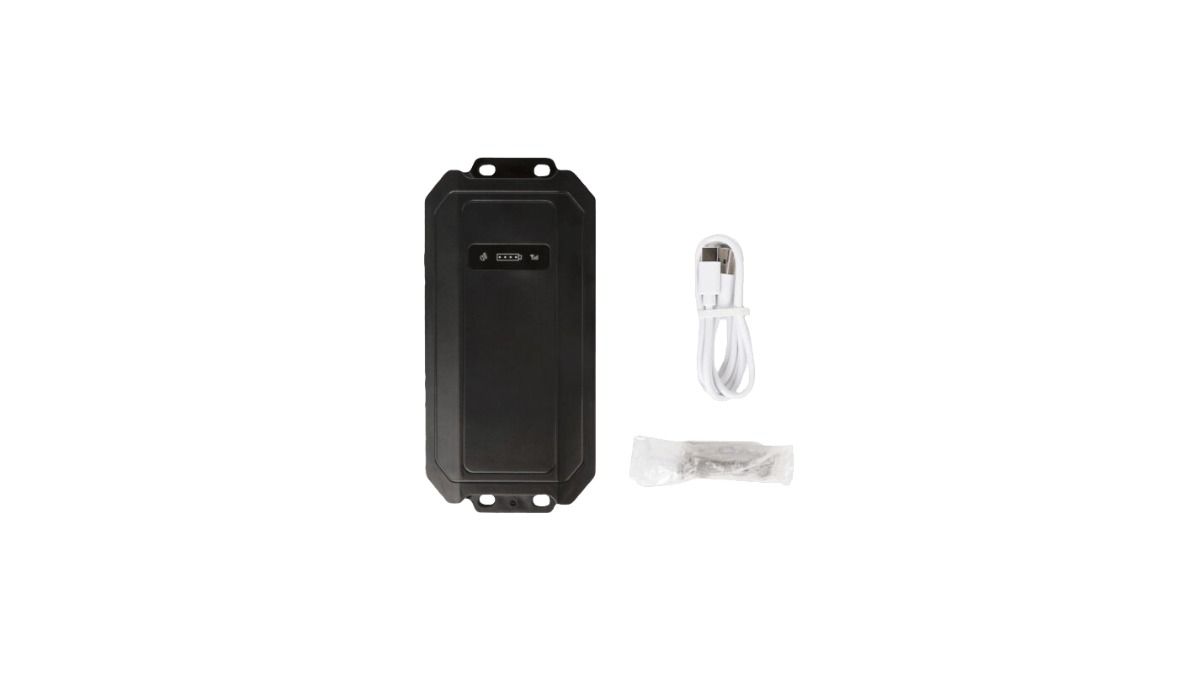
Lose track of a shipping container and you lose more than sleep. You lose money, customer trust, and control of your supply chain. Logistics and operations managers face real financial risk every time a container goes dark between the port and the yard. Cargo theft stays a persistent threat across the U.S. and Canada. Verisk CargoNet reports that fictitious pickups and strategic cargo theft continue to pose major challenges. The damage runs deeper than stolen freight. A McKinsey analysis found that supply-chain disruptions erase close to 45 percent of one year’s profits over the course of a decade.
A modern real-time container tracking solution closes that blind spot. The best cargo container GPS tracker moves past simple location pings and delivers rich, actionable data on where your cargo sits and what condition it’s in. The right device secures freight against theft, keeps assets visible in transit, and makes your supply chain predictable. This guide breaks down the leading solutions and the features that separate real intermodal container tracking from a dot on a map.
| Solution | Connectivity | Typical Battery Life | Key Feature | Best For |
|---|---|---|---|---|
| GPX Intelligence | Multi-network (cell, satellite, BLE, WiFi) | 10+ years | Scout AI & disposable Smart Labels | Enterprise-wide supply chain visibility |
| ORBCOMM | Dual-mode (satellite & cellular) | Up to 10 years | Global reefer monitoring | International shipping & cold chain |
| CalAmp | Multi-network (LTE, satellite, BLE) | 5-10 years | Device management & security services | Mixed fleets & high-value asset recovery |
| Samsara | 4G LTE cellular | Up to 5 years | Integrated video & fleet platform | Fleets seeking a single-vendor platform |
GPX Intelligence: AI-Powered Asset Intelligence
GPX runs an AI-powered asset tracking platform built for asset intelligence, not simple dots on a map. It pulls data from a multi-sensor device array: long-life battery trackers, disposable Smart Labels, and solar-powered units. The result is one unified view of every asset, whether it sits in a yard, moves in transit, or waits at a remote site. Every container, trailer, and tool feeds a single operational picture.
The platform’s real strength is turning location data into predictive intelligence. Scout AI reads movement patterns, sensor data like temperature and shock, and historical trends to forecast ETAs with sharper accuracy. It flags delays before they hit and surfaces underused assets. Tracking shifts from a reactive search for lost items to a proactive engine that cuts dwell times and lifts asset utilization.
ORBCOMM
ORBCOMM is a global provider of industrial IoT and M2M communication solutions with a strong presence in transportation and heavy equipment. Its device portfolio runs on both cellular and satellite networks for near-universal coverage. The company stands out for managing refrigerated (reefer) containers and dry vans.
Best for: Global logistics companies that need dual-mode satellite and cellular connectivity for uninterrupted tracking of intermodal containers, especially in the cold chain.
Pricing: Custom quotes based on hardware, data plans, and platform services.
Standout Features: Reefer monitoring is ORBCOMM’s key differentiator, with two-way control to adjust temperature set points remotely. The platform also covers fleet management, compliance, and driver performance.
Advantages:
- Strong global coverage through dual-mode satellite and cellular devices.
- Deep expertise in reefer and cold chain logistics.
- Hardware built for harsh industrial environments.
Disadvantages:
- The platform can feel complex for simpler tracking needs.
- Pricing targets large enterprise deployments.
CalAmp
CalAmp delivers asset tracking through software applications, scalable cloud services, and intelligent hardware. It serves transportation, logistics, construction, and government. Its LoJack acquisition adds a strong background in vehicle recovery and asset security.
Best for: Organizations with mixed fleets and diverse asset types that need a flexible, scalable platform for device management and data integration.
Pricing: Custom quotes that vary by device, service level, and volume.
Standout Features: The CalAmp cloud supports deep customization and integration with other business systems. Its iOn Tag and Vision products extend visibility to tools, equipment, and cargo loads beyond vehicle tracking.
Advantages:
- Flexible, extensible platform for custom builds.
- Wide hardware range for vehicles, trailers, and other assets.
- Strong focus on security and asset recovery.
Disadvantages:
- The volume of options and configurations can overwhelm new users.
- Some users find the interface less intuitive than newer competitors.
Samsara
Samsara earned its place in fleet management with a tightly integrated platform that combines vehicle telematics, AI-powered video safety, and equipment tracking. It connects drivers, vehicles, sites, and assets in one cloud-based dashboard.
Best for: Companies in trucking and field services that want one unified platform for their vehicle fleet, driver safety, and high-value assets like trailers.
Pricing: Subscription-based, usually on multi-year contracts. Pricing is available on request.
Standout Features: Samsara’s strength is the tight link between its AI dash cams and its GPS tracking data. The Asset Gateway series tracks trailers and powered equipment, with that data sitting alongside vehicle data in the same dashboard.
Advantages:
- All-in-one platform for vehicles, equipment, and safety.
- Modern, easy-to-use interface.
- Strong AI-driven safety and efficiency features.
Disadvantages:
- Less focused on unpowered intermodal containers than specialists.
- Pricier for companies that only need basic asset tracking.
How Modern Container GPS Trackers Work
A cargo container GPS tracker packs several technologies into one self-contained unit. At its core, a GPS receiver calculates position from satellite signals. Those signals struggle to punch through steel container walls, so the device leans on other methods too. It transmits location data back to a central platform over cellular (4G/5G) or satellite networks. Many trackers add Wi-Fi sniffing and Bluetooth Low Energy to pin down location when GPS goes dark, such as inside a warehouse or at a port. This IoT container tracking approach keeps a container visible even where a single network cannot reach.
Key Features Beyond Location: What to Demand
Real supply chain visibility takes more than a dot on a map. When you evaluate a container monitoring system, look for platforms that deliver layered intelligence.
- Multi-sensor data: The best solutions track temperature, humidity, light exposure, and shock. That matters for high-value or sensitive cargo and proves condition on arrival.
- Long battery life: A container can sit in a yard or move in transit for months. Choose devices with multi-year battery life, often 5 to 10 years, to cut maintenance and keep tracking continuous.
- AI and predictive analytics: Leading supply chain visibility platforms analyze data to predict arrival times, spot route anomalies, and flag theft or damage risk early.
- Geofencing and alerts: Virtual perimeters around ports, yards, and distribution centers are essential. The system alerts you the moment a container enters or leaves a zone or strays from its route.
- Easy installation: Devices should mount securely without special tools or downtime. Options run from magnetic mounts to permanent bolt-on hardware.
What Breaks When Steel Blocks the Signal
Tracking metal boxes across oceans and continents brings hard obstacles. A steel container acts like a “Faraday cage,” blocking GPS and cellular signals. Advanced trackers answer this with high-sensitivity antennas and onboard buffering that stores location data when out of range, then transmits it the moment a connection returns.
Signal blocking is only the first hurdle. Global routes surface several more challenges that decide whether a tracking program pays off:
- Connectivity gaps and roaming cost: A single container crosses regions with wildly different cellular coverage, and unmanaged international roaming inflates data bills. Dual-mode satellite and cellular connectivity keeps tracking uninterrupted and costs predictable across carrier networks.
- Regulatory and insurance evidence: Cold-chain shipments and high-value freight demand an immutable trail of location, temperature, and shock data to satisfy regulators and settle insurance claims. A platform that timestamps and stores sensor history turns a disputed claim into a documented fact.
- System integration: Tracking data delivers little value trapped in a standalone app. The real obstacle for most enterprises is feeding live location and condition data into existing TMS, ERP, and WMS systems. Open APIs and pre-built connectors remove that barrier.
- Idle-asset cost: Containers sitting untracked in a yard rack up demurrage and detention fees and hide underused capacity. Real-time visibility with dwell-time alerts flags idle units before the charges pile up.
What Your Primary Goal Tells You About Container Trackers
The right solution starts with your primary goal. Are you chasing theft prevention, inventory management, cold chain compliance, or better ETA accuracy? For global shipments that sit outside cellular range for long stretches, satellite connectivity is non-negotiable. For domestic trailers and equipment, a solid 4G LTE-M solution usually covers it.
Weigh the software as heavily as the hardware. Is it intuitive? Does it integrate with your TMS or ERP? Above all, does it deliver intelligence or just data? A supply chain visibility platform with predictive insights, like GPX’s Scout AI, lets you run operations ahead of events instead of reacting to them.
Finally, run the total cost of ownership. Factor in hardware, monthly data and platform fees, and installation and maintenance. For large deployments, long-life batteries and low-cost disposable options like Smart Labels for one-way shipments slash the operational burden and speed up return on investment.
Ready to move beyond dots on a map? See how GPX’s AI-powered platform delivers the operational clarity to run your supply chain ahead of events. Talk to our team about your tracking program today.
Frequently Asked Questions (FAQs)
How does a cargo container GPS tracker work?
A cargo container GPS tracker uses a GPS receiver to fix its location. It then sends that data, along with sensor readings like temperature or shock, to a central server over a cellular (4G/5G) or satellite network. You see your container’s location and status in near real-time on a software platform.
How long does the battery last on a container tracker?
Battery life varies widely by device. Simple trackers last only a few months, while industrial-grade container trackers last far longer. Many leading models run from 5 to more than 10 years by using power-saving modes and reporting only at scheduled intervals.
Can GPS trackers work inside a metal container?
Steel container walls block GPS signals, but modern trackers work around it. They pair highly sensitive receivers with backup location methods like cell tower triangulation and Wi-Fi positioning. Many report their position when the doors open or from an external mounting point.
What is the difference between cellular and satellite container trackers?
Cellular trackers use 4G/5G networks, which keeps them cost-effective and ideal for areas with strong coverage, like over-the-road transport. Satellite trackers communicate through satellite networks for true global coverage, even in remote areas or mid-ocean. Dual-mode devices combine both for the most reliable, smooth tracking.
How much does a cargo container GPS tracker cost?
Pricing depends on the hardware, the data plan volume, and the software features you need, such as AI analytics and multi-sensor monitoring. Rugged multi-year trackers cost more upfront but lower the per-shipment cost over their life. Low-cost disposable options like GPX Smart Labels suit one-way shipments where recovering the device is not practical.