
Managing an asset-heavy fleet means fighting a constant battle for operational visibility. Geotab is a common pick for fleet management, but its vehicle-first feature set does not fit every operation, especially those tracking high-value equipment beyond standard trucks. The market tells the story. Heavy equipment telematics is projected to grow from USD 1.33 billion in 2025 to USD 3.21 billion by 2032, a 13.4% annual clip driven by rising fuel costs, equipment failures, and theft. Buyers want more than location. They want asset intelligence.
Theft alone makes the case. Construction equipment theft costs U.S. operators an estimated $300 million to $1 billion every year, and only about one in five stolen machines is ever recovered. Specialized platforms fight back with real-time location, instant motion alerts, and far deeper security than a basic tracker offers. The right Geotab alternative gives you the exact data and tools to turn those risks into an advantage.
| Platform | Network | Best For | Starting Price | Key Strength |
|---|---|---|---|---|
| GPX Intelligence | Multi-Network (Cell, Sat, BLE, WiFi) | Enterprise-wide asset & supply chain visibility | $3.50/mo | AI-powered predictive & prescriptive insights |
| Samsara | Cellular, GPS | AI dashcams & driver safety | $27/vehicle/mo | Integrated platform with intuitive UI |
| Verizon Connect | Cellular, GPS | Mixed fleets & heavy equipment | Custom Quote | Strong asset security & utilization tools |
| Motive | Cellular, GPS | Trucking & ELD compliance | $25/vehicle/mo | Strong HOS management & driver tools |
| Teletrac Navman | Cellular, GPS | Large, compliance-heavy enterprise fleets | $25/vehicle/mo | Enterprise reporting & mixed-asset tracking |
| Trimble | Cellular, GPS, Satellite | End-to-end transportation management (TMS) | Custom Quote | Deep integration across logistics lifecycle |
| Omnitracs | Cellular, GPS, Satellite | Large enterprise long-haul fleets | Custom Quote | Enterprise compliance & predictive maintenance |
Key Challenges in Fleet and Asset Management
A viable Geotab alternative has to solve the problems asset-heavy operations actually face. Moving past dots on a map means fixing costly issues that hit the bottom line directly.
- Asset theft and unauthorized use: High-value equipment, trailers, and containers are frequent targets, especially on unsecured job sites and in yards. Without real-time location and instant motion alerts, recovery is unlikely, which drives up replacement costs and insurance premiums.
- Unplanned downtime and high maintenance costs: Reactive maintenance leads to surprise failures, blown timelines, and expensive emergency repairs. With no predictive diagnostics, you miss the early warning signs and pay for the damage.
- Suboptimal asset utilization: Many teams cannot say whether their equipment earns its keep. Assets sit idle or crews waste hours hunting for gear across large sites, which inflates rental costs and drags on productivity.
- Excessive fuel consumption: Without data on idling, routing, and operator behavior, fuel costs run away from you. Poor routes and long idle times waste fuel, raise emissions, and wear vehicles down faster.
- Complex regulatory compliance: ELD mandates, Hours of Service, and IFTA tax reporting create a heavy burden. Missed compliance means fines, failed audits, and shutdowns, so automated reporting tools are essential.
- Poor system integration and data silos: Enterprise buyers struggle to connect a new tracking platform to existing ERP, WMS, and TMS software. When data sits in silos, teams lose the single source of truth that makes tracking actionable.
- Connectivity gaps in remote areas: Construction sites, rail yards, and long-haul routes often have weak or no cellular coverage. A single-network GPS tool goes dark exactly where high-value assets are most exposed.
- Data overload without actionable intelligence: Most platforms flood managers with dots on a map but stop short of telling them what to do next. Without prescriptive analytics, raw data never turns into a faster decision or a prevented failure.
1. GPX Intelligence
GPX Intelligence runs an AI-powered asset tracking platform that covers your entire supply chain, not just your vehicles. It pulls multi-sensor data from GPS, BLE, cellular, satellite, and WiFi positioning, so you get location plus operational context and predictive intelligence. Its Scout AI engine turns that data into prescriptive answers, helping managers anticipate delays, prevent equipment failure, and lift asset utilization across more than 50 industries, from construction and logistics to healthcare and automotive.
- Location: USA
- Pricing: Tailored to asset volume and sensor requirements, with disposable Smart Labels starting around $9.75 per unit.
Highlights
- Unifies every asset in one view, including vehicles, trailers, returnable containers, and individual inventory items, using BLE-based real-time location systems (RTLS) indoors and GPS outdoors.
- The Scout AI engine turns raw data into action, from predictive ETAs to proactive maintenance alerts.
- Multi-network connectivity holds tracking steady in any environment, from dense cities to remote sites with no cellular coverage.
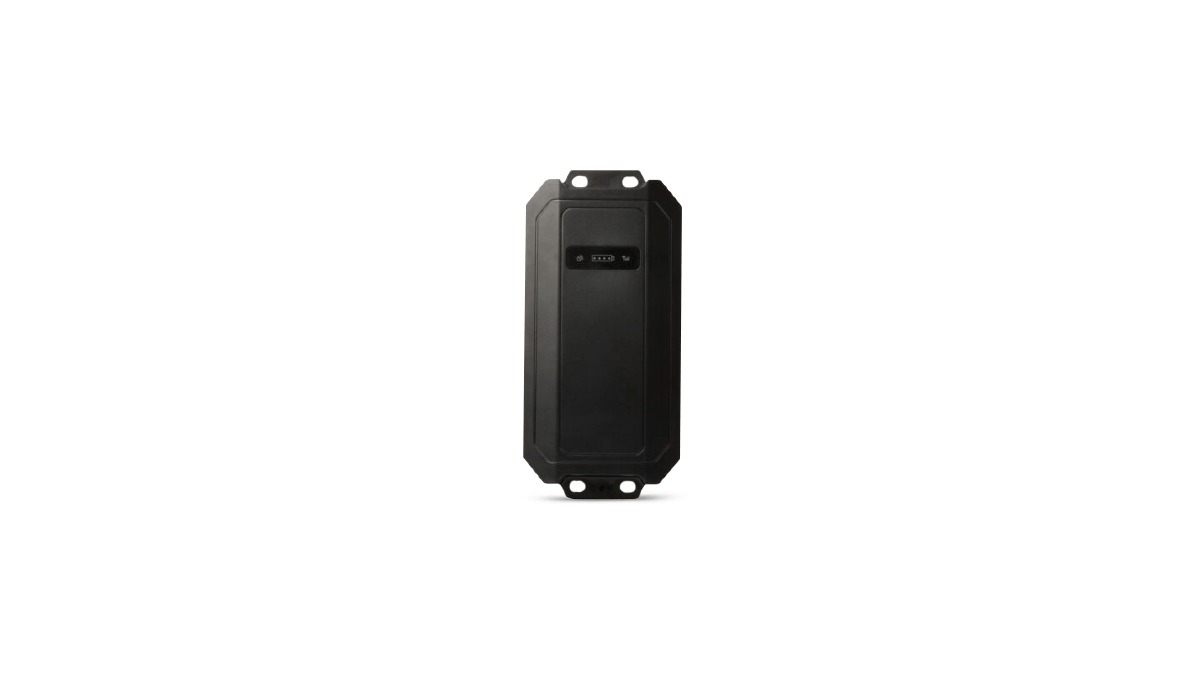
- Flexible hardware, including peel-and-stick Smart Labels, delivers cost-effective tracking for a wide range of assets, even disposable packaging.
- An open API connects cleanly to existing ERP, WMS, and other business systems for a single source of truth.
2. Samsara
Samsara runs a connected operations platform that blends real-time visibility, AI safety features, and compliance management. It is best known for a clean interface and a broad toolset that serves transportation, construction, and field services. The platform pairs GPS tracking with AI dashcams, ELD compliance, and tracking for both powered and unpowered equipment in one place.
- Location: San Francisco, CA, USA
- Best for: Businesses focused on real-time visibility, AI safety, and ELD/HOS/IFTA compliance.
- Pricing: Around $27 per vehicle per month, and it often requires a three-year contract plus hardware.
- Connectivity: Cellular, GPS.
- Standout features: Per-second GPS updates, AI dual-facing dashcams with in-cab alerts, full compliance tools (ELD, HOS, DVIR), and tracking for powered and unpowered equipment.
Highlights
- Intuitive, easy-to-use interface.
- Highly precise real-time GPS tracking.
- Strong driver-safety focus with AI coaching and dashcam technology.
- Excellent fit for regulated industries with strict compliance needs.
Watch-outs
- Pricing is not public and requires a custom quote and multi-year contract.
- Higher overall cost once you add every feature set.
- Some users report mobile app performance issues and occasional glitches.
- Smaller fleets pay for features they never use.
3. Verizon Connect
Verizon Connect fits construction and other industries that run mixed fleets of vehicles, heavy equipment, and non-powered assets. It leans into asset security, utilization, and maintenance, combining GPS tracking with geofencing, engine-hour monitoring, and AI video. The result is one view across everything from trucks and trailers to excavators and generators.
- Location: Atlanta, GA, USA
- Best for: Construction companies and mixed fleets tracking vehicles, heavy equipment, and non-powered assets.
- Connectivity: Cellular, GPS.
- Standout features: GPS tracking built for heavy equipment, near real-time status updates, geofencing for theft prevention, engine-hour tracking, and proactive maintenance scheduling.
Highlights
- Built for the challenges of tracking heavy construction equipment.
- Strong asset security and theft prevention.
- Improves utilization and cuts downtime through detailed monitoring.
- Delivers real-time data and customizable reporting.
Watch-outs
- Opaque pricing that requires a sales call for a quote.
- Typically locks in 36-month contracts with early termination fees.
- Some users find the interface less intuitive than competitors.
- Extra fees apply for device transfers, removals, and other services.
4. Motive (formerly KeepTruckin)
Motive earned its reputation in trucking and logistics, built around ELD compliance, Hours of Service management, and driver safety. It offers GPS tracking, but compliance is the core strength. The platform adds an AI dashcam, smart load matching, and the Motive Card for fuel and expense management, a tight fit for trucking operations.
- Location: Mountain View, CA, USA
- Best for: Trucking and logistics companies that prioritize ELD compliance, HOS management, and driver safety.
- Pricing: Starts at $25 per vehicle per month, plus a one-time hardware cost.
- Connectivity: Cellular, GPS.
- Standout features: FMCSA-registered ELD and HOS compliance, AI dashcams, driver-behavior coaching, and smart load matching to optimize dispatch.
Highlights
- Reliable ELD and HOS compliance features.
- More flexible contract options than many rivals, including one-year terms.
- Extras like the Motive Card and load matching cut operational costs.
- Purpose-built for the trucking and logistics industry.
Watch-outs
- Less effective for unpowered assets without specialized hardware add-ons.
- Some users report long waits for support and replacement hardware.
- Overkill and pricey for fleets that only need basic GPS tracking.
5. Teletrac Navman
Teletrac Navman targets large and mid-sized fleets in compliance-heavy industries like construction and transportation. It tracks mixed assets well, tying GPS data to compliance, maintenance, and safety records. Detailed reporting, AI dashcams, and advanced maintenance management make it a solid pick for data-hungry operations that need regulatory readiness.
- Location: Torrance, CA, USA
- Best for: Enterprise and mid-to-large fleets with mixed asset types and deep reporting needs.
- Pricing: Starts at $25 per vehicle per month under a custom pricing structure.
- Connectivity: Cellular, GPS.
- Standout features: Enterprise GPS tracking, mixed-asset tracking (vehicles, trailers, heavy equipment), deep reporting, and advanced maintenance management with diagnostics.
Highlights
- Well-developed tools for DOT-regulated compliance.
- Excellent for tracking diverse asset types, including heavy machinery.
- Sophisticated reporting and analytics for large, data-driven teams.
- Granular data on vehicle condition and maintenance needs.
Watch-outs
- Pricing is not transparent and requires a custom quote.
- Rigid multi-year contracts with auto-renewal clauses.
- The interface feels less modern than newer platforms.
- Some users report inconsistent support and occasional data latency.
6. Trimble Transport & Logistics
Trimble is a long-standing leader in transportation technology, with a connected product family that reaches well beyond simple tracking. Its platform often runs as a full Transportation Management System, tying together planning, dispatch, routing, and compliance. That makes it a strong Geotab alternative for large trucking operations that need end-to-end control, from the back office to the cab.
- Location: Sunnyvale, CA, USA
- Best for: Fleets that need a full TMS integrating planning, dispatch, and asset tracking.
- Connectivity: Cellular, GPS, Satellite.
- Standout features: End-to-end TMS functionality, route optimization and planning, integrated driver communication, and fleet maintenance management.
Highlights
- Extensive suite of connected solutions across the transportation lifecycle.
- Strong for managing complex logistics and supply-chain operations.
- Deep integration between software modules.
- Established company with a long track record in transportation tech.
Watch-outs
- Enterprise-level pricing, not public, and quote-only.
- Overly complex and costly for smaller fleets with simpler needs.
- Implementation and onboarding take time.
- The interface feels less modern than cloud-native platforms.
7. Omnitracs (a Solera company)
Omnitracs is another veteran, with deep roots in large enterprise fleets and long-haul trucking. Now a Solera company, it offers a full suite built around compliance, safety, and advanced fleet management. You get ELD and HOS tools, predictive maintenance, dispatch and routing, and video monitoring, all aimed at complex operations that demand powerful analytics.
- Location: Dallas, TX, USA
- Best for: Large enterprise fleets that need strong compliance, safety, and advanced management.
- Connectivity: Cellular, GPS, Satellite.
- Standout features: Predictive maintenance and vehicle diagnostics, advanced driver-safety programs with video, dispatch and workflow optimization, and integrated in-cab communication.
Highlights
- Long industry presence and deep long-haul trucking experience.
- Comprehensive suite for complex, large-scale fleet operations.
- Strong focus on compliance and driver safety.
- Advanced analytics and reporting for deep operational insight.
Watch-outs
- Enterprise-geared pricing that is not public.
- Too feature-rich for small to mid-sized fleets.
- The user experience feels less intuitive than newer platforms.
- Implementation gets complex when integrating with other systems.
How to Choose the Right Geotab Alternative for Your Fleet
The best platform depends on how your fleet actually runs. A long-haul carrier needs something different from a regional construction firm. Start with a clear look at your biggest problems. Are you bleeding money to theft and unauthorized use, or is unplanned downtime the bigger hit? Is compliance your top priority, or do you need to track thousands of non-powered assets across many sites and yards?
Next, match each platform to your asset mix. If you run heavy equipment, vehicles, and unpowered containers together, you need real mixed-asset tracking. A vehicle-only ELD tool will not cut it. Weigh the technology, too. If you work in areas with weak cellular coverage, a multi-network provider with satellite is non-negotiable. As you shortlist Geotab competitors, weigh how cleanly each platform’s open API integrates with your existing ERP, WMS, and TMS, because a tool that spawns another data silo defeats the purpose. Then look past the feature list to the intelligence itself. The future of asset management is not more data. It is clear, prescriptive answers that drive faster decisions.
A real alternative does more than copy features. It gives you a better path to operational clarity. Ask your top contenders for a demo and have each one show exactly how it would solve your three biggest challenges. The best partner is the one that turns your data into dollars.
Ready to See Beyond Dots on a Map?
If your operation needs more than location data, choose a supply chain visibility platform that delivers real intelligence. The GPX AI-powered asset tracking system gives you the predictive and prescriptive insight to cut costs, tighten security, and drive efficiency across every asset you own. See how our multi-sensor platform delivers the clarity your business needs.
Frequently Asked Questions (FAQs)
How does AI asset tracking differ from traditional GPS?
Traditional GPS tells you where an asset sits, a single dot on a map. AI asset tracking reads that location alongside other sensor inputs like temperature, motion, and engine diagnostics to deliver predictive and prescriptive insight. It forecasts arrival times, flags maintenance issues before they hit, and surfaces operational inefficiencies you would otherwise miss.
What is the difference between GPX and platforms like Samsara or Geotab?
Samsara and Geotab are strong at vehicle-centric fleet management, with a heavy focus on ELD compliance and driver monitoring. GPX is built for broader asset and supply-chain visibility. It uses a multi-network approach across cellular, satellite, BLE, and WiFi to track everything from vehicles and heavy equipment to individual pallets and packages, giving you one view of the whole operation.
How is GPX pricing structured compared to per-vehicle models?
GPX prices per asset, not per vehicle, so you pay for exactly what you track, whether that is a truck, a trailer, a returnable container, or a single pallet. Disposable Smart Labels start around $9.75 per unit, while rugged trackers scale by asset volume and sensor needs. Per-vehicle models charge a flat seat for every truck, which gets expensive fast when you also need to track non-powered assets.
How long does it take to deploy GPX across a fleet?
Deployment time depends on the size and complexity of your operation. Many of our hardware options, like battery-powered trackers and peel-and-stick Smart Labels, install plug-and-play and bring assets online in minutes with little disruption.
What industries benefit most from multi-sensor asset tracking?
Any operation with high-value mobile or remote assets gains the most. That includes construction with heavy equipment, logistics & transportation with trailers and cargo, manufacturing with returnable assets, healthcare with medical equipment, and automotive with finished-vehicle logistics. Matching the right sensor to the right asset delivers value across a wide range.