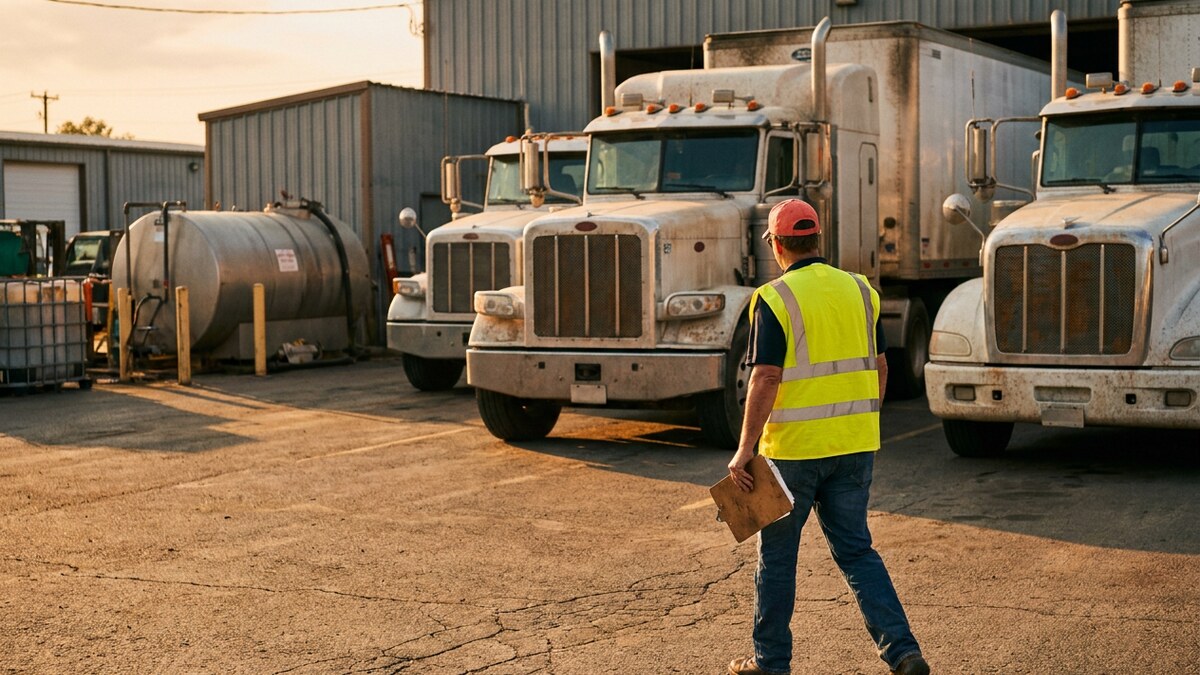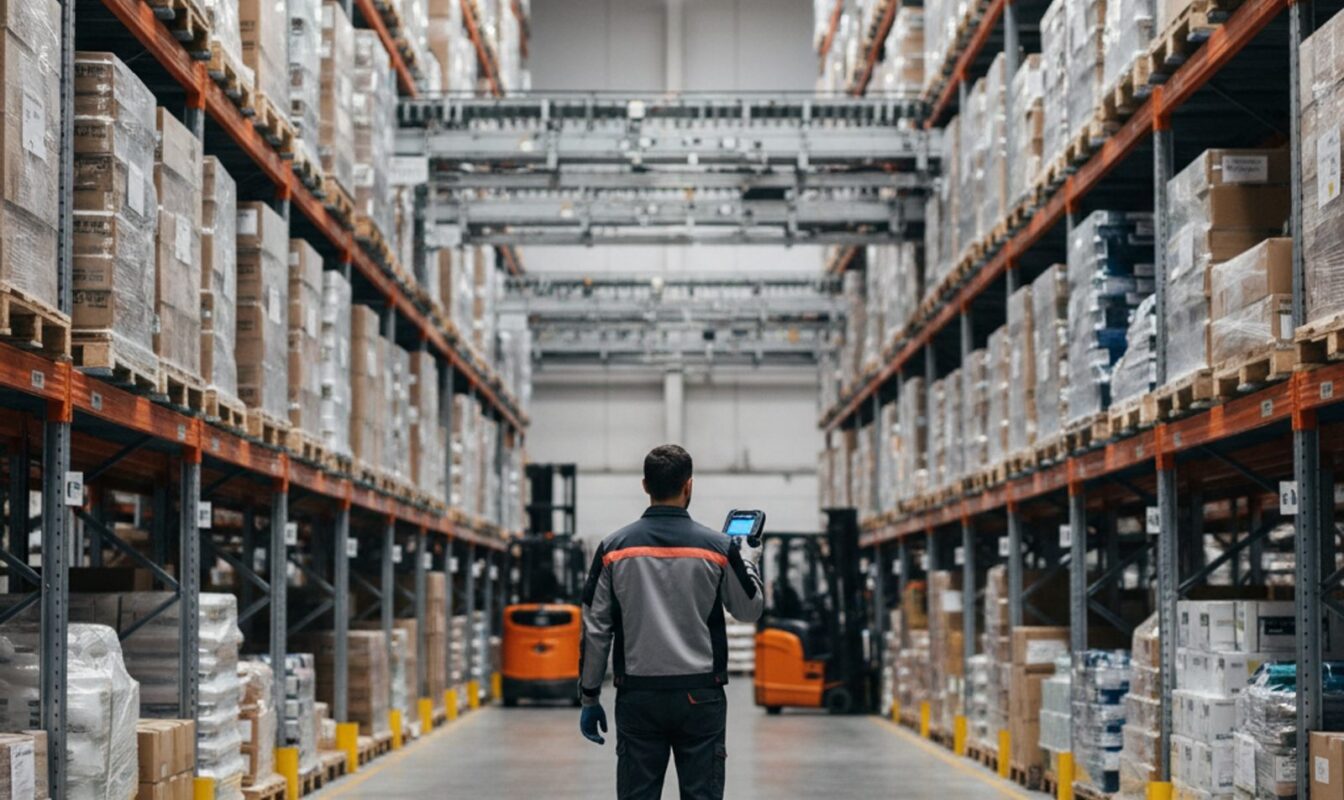


Heavy equipment, specialized tools, and returnable containers move between job sites every week. When an item goes missing, crews stop working, rental invoices start, and procurement buys a replacement you already own. Figures published by CONEXPO-CON/AGG put construction equipment theft losses at $300 million to $1 billion a year in the United States, citing National Insurance Crime Bureau estimates, and nearly 1,000 machines are reported stolen to the National Crime Information Center every month. CONEXPO calls that monthly figure a low estimate because many thefts never get reported.
Recovery odds are worse than most operators expect. The heavy equipment theft report NICB produced with the National Equipment Register, covering 2014, counted 11,625 reported thefts and a 23 percent recovery rate. The right construction inventory management software closes that gap with an IoT construction equipment tracking layer that holds a live record of what you own and where it sits.
| Platform | Primary Focus | Tracking Method | Starting Price |
|---|---|---|---|
| GPX | Heavy equipment, tools, and returnable containers | GPS, BLE, cellular, and satellite | From about $3.50 per asset monthly (SmartLabel) |
| Tenna | Heavy civil equipment and mixed fleets | GPS trackers and QR codes | Quoted per deployment, not published |
| ToolWatch (AlignOps) | Enterprise tool cribs and consumables | Barcode and RFID | Quoted per deployment, not published |
| Sortly | Visual item and material organization | Barcode and QR scanning | $24 per month billed yearly, $49 monthly |
| ShareMyToolbox | Peer-to-peer tool assignment | Mobile check-in and check-out | $100 per month plus $10 per user |
| Logistimatics | Single machines for very small crews | Consumer-grade GPS | $12.50 per month billed annually |
The Hidden Costs of Untracked Job Site Inventory
Theft is the visible loss. The expensive losses are the ones nobody writes an incident report for.
- Tool hoarding: superintendents stash high-value tools for a future phase, so the company rents a second unit it already owns.
- Ghost inventory: you pay insurance and property tax on machines and containers that were scrapped or stolen years ago because nobody corrected the asset register.
- Data silos between the field and the back office: inventory lives in one app while cost codes live in Procore, Autodesk Build, or Viewpoint, so the same asset gets counted twice and billed once. Cloud-based construction ERP integration is what closes that split.
- Insurance and compliance reporting bottlenecks: a stolen-asset claim needs serial numbers, purchase dates, and a last known location. Assembling that after the fact delays the payout and weakens the police report.
- Blind lifecycle math: without automated fleet utilization tracking, depreciation and replacement timing run on guesswork, and crews rebuy machines that still had years of service left.
- Late material calls: crews stand idle waiting on deliveries because no one can see where the load is or when it lands.
- Container attrition: returnable racks and crates disappear into staging yards, and capital that belongs in production goes into replacement packaging instead.
- Hand-counted audits: field staff spend days walking sites with clipboards because no IoT layer reports counts on its own, which pushes milestone billing past the cutoff.
1. GPX
GPX is an AI-powered asset tracking platform for operators who own expensive things that move. It covers heavy equipment tracking, tools, trailers, and returnable containers on one map, across cellular, BLE, GPS, and satellite networks.
Be clear about scope. GPX tracks physical assets, not bill-of-materials procurement. If your main problem is counting lumber and fasteners against a purchase order, one of the platforms below fits better. If your main problem is a six-figure machine that nobody can locate on Monday morning, this is the category.
- Scout AI answers plain-English questions such as which assets have been idle for more than 48 hours, and applies smart geofencing to a new job site in seconds.
- AssetTrack cellular trackers run up to 10 years on one daily GPS fix. Magnetic mount, IP67, anti-tamper, replaceable battery.
- AssetTag Edge BLE tags read at 150 ft outdoors and 75 ft indoors on a replaceable CR2032, so a full tool crib gets covered for the price of one GPS unit.
- SmartLabel peel-and-stick disposable trackers run about $9.75 per unit for one-way freight and consumable shipments. Tear the tab and the label goes live, with nothing to recover at the destination.
- Idle and dwell analytics feed predictive asset management, so under-used machines get rebalanced instead of rented against. Recoveries typically complete in under 8 hours, and deployments go live in days, not quarters.
2. Tenna
Tenna is built for heavy civil work. It puts yellow iron, mid-size equipment, small tools, and vehicles in one record, then ties each asset to maintenance schedules and utilization data. Contractors use it to answer two questions at once: where the machine is, and when it is due for service.
The tradeoff is scale. Tagging a large mixed fleet takes real project time, Tenna does not publish pricing, and field crews need training before the data stays clean. It suits companies with an equipment manager who owns the system.
3. ToolWatch
ToolWatch, now part of AlignOps, connects the tool crib, the warehouse, and the back office. Barcode and RFID scanning move items through requisition, transfer, consumption, and retirement, and the system bills equipment time back to the job that used it.
This is the strongest option here for consumables and bill-of-materials detail. It is also the most dependent on human discipline. The database is only as accurate as the last scan, and the initial catalog build is heavy labor. Pricing is quoted per deployment.
4. Sortly
Sortly takes a visual approach. Users photograph items, generate QR labels, and file everything into folders by location or project. Specialty trades adopt it fast because the mobile app needs almost no training.
The Advanced plan starts at $24 per month billed yearly, or $49 billed monthly. Sortly carries no autonomous location tracking, so it tells you what you own and what a person last logged. It will not tell you where a skid steer sits right now.
5. ShareMyToolbox
ShareMyToolbox treats the tool inventory as a lending library. Field workers browse the catalog on a phone, see which employee holds a specific saw or generator, and request a transfer person to person instead of routing every swap through the warehouse.
The Business plan runs $100 per month for the first admin user plus $10 per additional user, sold in blocks of five. Accountability is the strength. Scope is the limit: it covers tools rather than bulk materials, and nothing updates when an employee skips the transfer.
What Comes Next for Predictive Job Site Asset Intelligence
Modern operations teams treat tracking as an intelligence layer, not a status page. The shift underway is toward agentic asset intelligence: the platform spots the idle excavator, flags the container that never came back, and opens the ticket before a superintendent asks.
The endpoint is an autonomous control tower for the job site. Predictive asset management rebalances equipment across projects on live utilization data, arrival windows update themselves, and the weekly asset meeting turns into an exception list.
How to Choose the Right Construction Inventory Management Software
The platform you pick decides whether the field team uses it or works around it. Start with the loss that costs you the most, not the longest feature list. A heavy civil contractor tracking dozers needs something different from an electrician managing spools of wire.
- Name your most expensive problem first: misplaced heavy equipment, unreturned tools, or unbilled consumables. Buy the vendor that specializes in that one.
- Check connectivity against your worst site: job sites rarely have stable WiFi, so confirm the hardware supports cellular, BLE, or satellite where your crews actually work.
- Confirm the data leaves the platform: asset records belong in your construction ERP and project management stack. Ask for open APIs and a named live integration with Procore, Autodesk Build, or Viewpoint, not a roadmap.
- Test the hardware, not the demo: construction destroys consumer-grade electronics. Require an IP67 rating or better, plus anti-tamper hardware on anything mounted outdoors.
Very small crews sit outside this category. An independent contractor watching one generator or a single trailer gets what they need from consumer-tier hardware such as Logistimatics at $12.50 per month on an annual plan, or a comparable device from LandAirSea. Once you pass roughly ten high-value assets, an enterprise platform pays for itself.
Predictable project delivery starts with accurate field data that arrives without anyone filling in a clipboard. To see what AI-powered asset tracking looks like across your sites and yards, talk to our team about a deployment plan.
Frequently Asked Questions (FAQs)
What is construction inventory management software?
Construction inventory management software is a platform that tracks tools, materials, heavy equipment, and returnable containers across multiple job sites. It replaces spreadsheets and paper counts with a live record. Project managers see what is available, who holds it, and where it sits.
What is the difference between tool tracking and material tracking?
Tool tracking follows reusable assets such as drills, generators, and machines that move between projects. Material tracking follows consumables such as lumber, fasteners, and wire that get installed or used up. Most platforms are built for one job or the other, so match the software to whichever loss hurts more.
How much does construction equipment tracking software cost?
Pricing splits into a software subscription and the tracking hardware. Published entry points run from $24 per month for a visual inventory app such as Sortly on an annual plan, to $100 per month plus $10 per user for ShareMyToolbox. Enterprise platforms including Tenna and ToolWatch quote per deployment instead of publishing rates. GPX SmartLabel tracking starts at about $3.50 per asset monthly, with tag hardware priced separately.
Does construction inventory software integrate with ERP and project management systems?
The good platforms do, and it is the question to ask before signing. Asset records only pay off when they reach the systems that run the job: Procore, Autodesk Build, Viewpoint, and the ledger that carries depreciation. Ask each vendor for a named live integration and open API documentation rather than a roadmap commitment, because a tracking platform that never exports to your construction ERP recreates the spreadsheet you were replacing.
How does AI improve equipment management on a job site?
AI reads location history, movement patterns, and site conditions, then flags what needs attention. Scout AI, the in-platform analyst inside GPX, takes plain-English questions such as which assets have not moved in two weeks and fires an alert the moment a machine leaves its geofence. That is the difference between a dot on a map and a decision, and it is why GPX recoveries typically complete in under 8 hours.