Stop Freight Loss Before It Happens: GPS Label Strategies for High-Value Shipments


Your Load Is Gone and You Had No Idea Until It Was Too Late
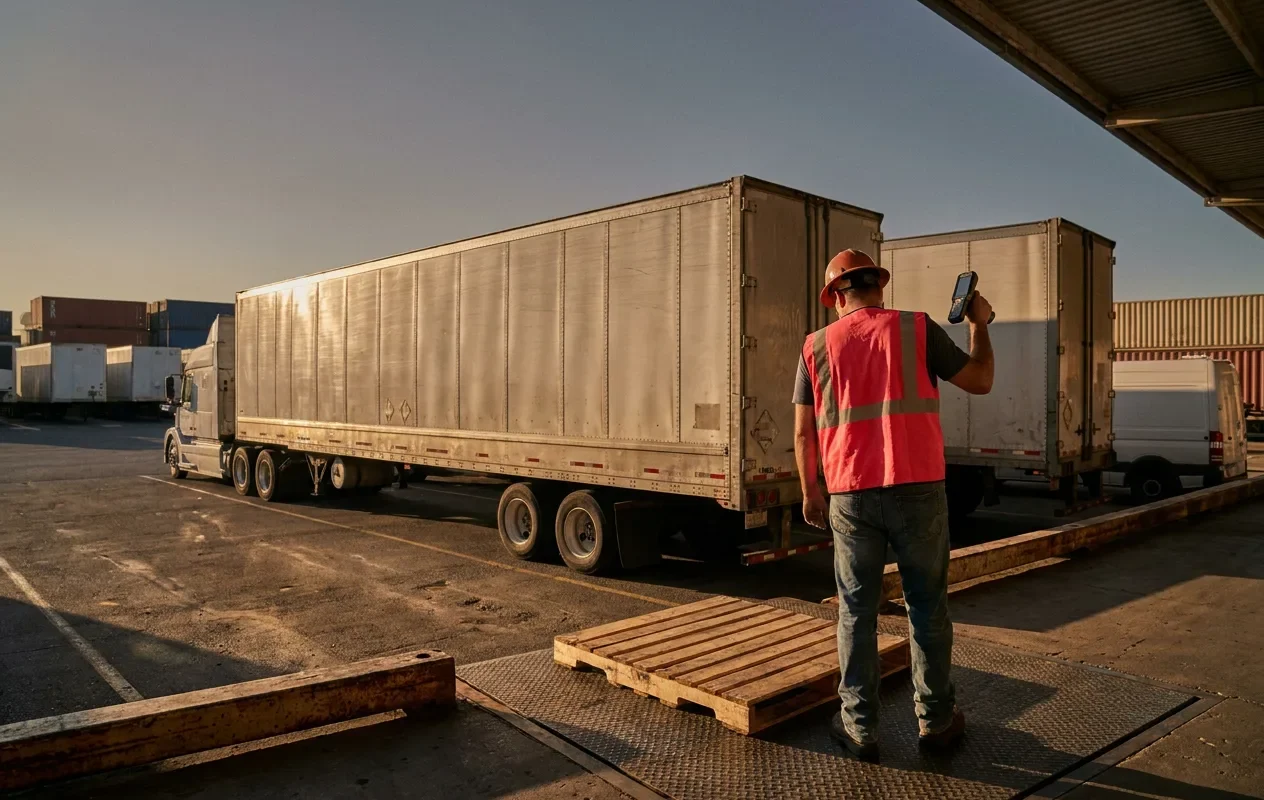
The driver checked in clean. The BOL was signed. Three days later your customer calls asking where their order is. You pull up the carrier portal. Nothing. A $200,000 shipment of electronics has vanished without a trace.
Today’s cargo thieves do not just smash trailer doors. They impersonate carriers, intercept load boards, and pick up loads at your own dock with fake credentials before anyone flags a thing. Fictitious pickup schemes have increased over 1,500% since 2021, and organized criminal groups are abandoning opportunistic theft entirely to target only the highest-value loads they can identify. These operations are sophisticated. Thieves monitor load boards, create shell trucking companies with legitimate-looking MC numbers, and sometimes use real but stolen carrier credentials. By the time anyone realizes the pickup was fraudulent, the load has been stripped, repackaged, and sold through secondary markets in under 48 hours.
The numbers back this up. Cargo theft losses surged 60% in 2025 to nearly $725 million, with the average value per theft jumping 36% to $273,990 per incident according to Verisk CargoNet’s latest annual analysis. Losses are climbing even as incident volume stays flat because professional theft rings now focus exclusively on high-value freight.
If you are moving high-value freight without a dedicated tracking layer, you are handing them the advantage. This guide breaks down exactly why carrier tracking fails on high-value loads, how covert GPS label trackers work, and what it takes to build a shipment security strategy that protects your freight from the moment it leaves your dock to the moment it arrives.
Why Carrier Tracking Fails the Moment It Matters Most
Carrier tracking follows the vehicle or the driver’s device, not your specific goods. The moment a trailer is dropped in a yard, hooked to a different cab, or handed off at a cross-dock, the signal stops. You lose visibility exactly when theft is most likely to happen.
Carrier systems are built to manage their operations, not to protect your assets. Here is what you are actually working with when you rely on them alone:
- Location updates every 2 to 4 hours, not real time
- Tracking tied to the tractor, not the trailer or the goods inside
- No alerts for unplanned stops or route deviations
- Zero visibility at terminals, drop yards, and handoff points
- No audit trail if a dispute or insurance claim follows
These gaps create the exact conditions that organized theft rings exploit. When your visibility depends on the carrier’s system, you are trusting the same infrastructure that thieves have already learned to defeat.
What Makes Covert GPS the Right Fix for High-Value Freight
A covert GPS tracker travels with the cargo, not the cab. It does not matter if the load gets transloaded, dropped in a yard, or handed to a second carrier. The device stays with your goods through every leg and keeps reporting. That is what full supply chain visibility looks like in practice, completely independent of what the carrier’s portal shows.
Unlike carrier-provided tracking that disappears at every handoff point, a covert GPS label maintains an unbroken signal chain from origin to destination. When your load moves through multiple terminals, sits in a drop yard overnight, or gets consolidated with other freight at a cross-dock, your visibility never goes dark. You see exactly where your goods are at every stage, regardless of how many carriers touch the shipment or how many times it changes hands.
This independence from carrier systems also eliminates the information gaps that thieves exploit. Organized theft operations know that carrier tracking goes blind the moment a trailer is unhooked from the tractor. They time their moves to coincide with these visibility gaps. A covert tracker closes that window entirely because it reports based on your freight’s location, not the carrier’s equipment status.
What a GPS Label Tracker Actually Does on Every Shipment
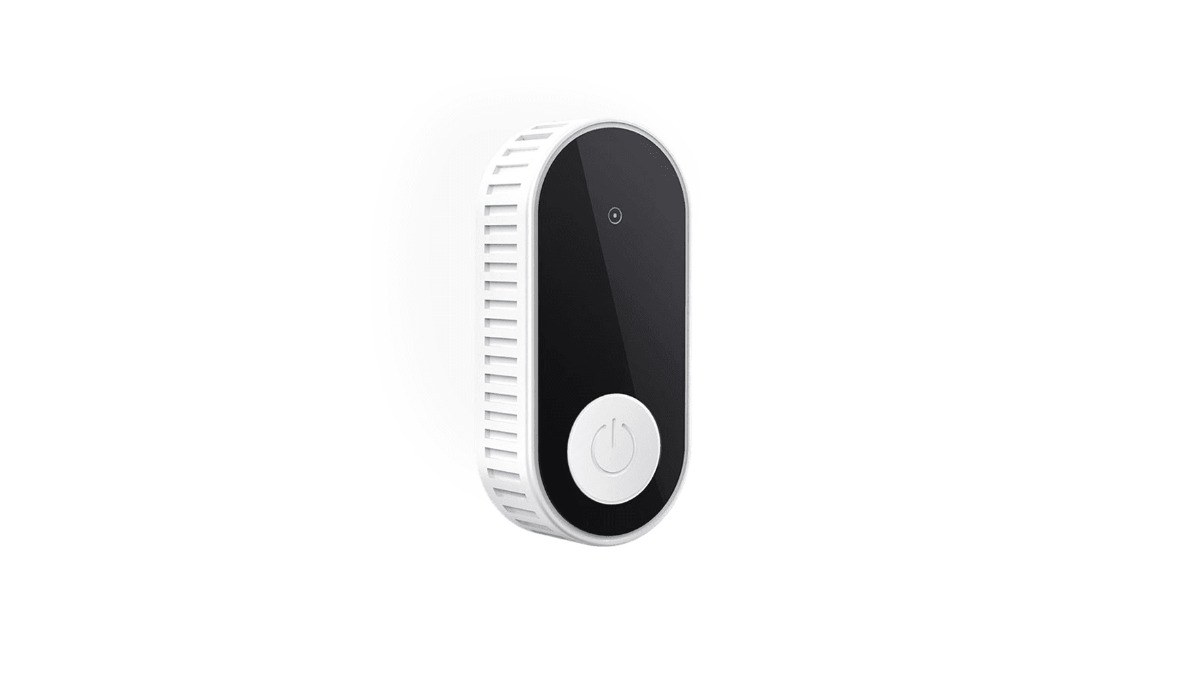
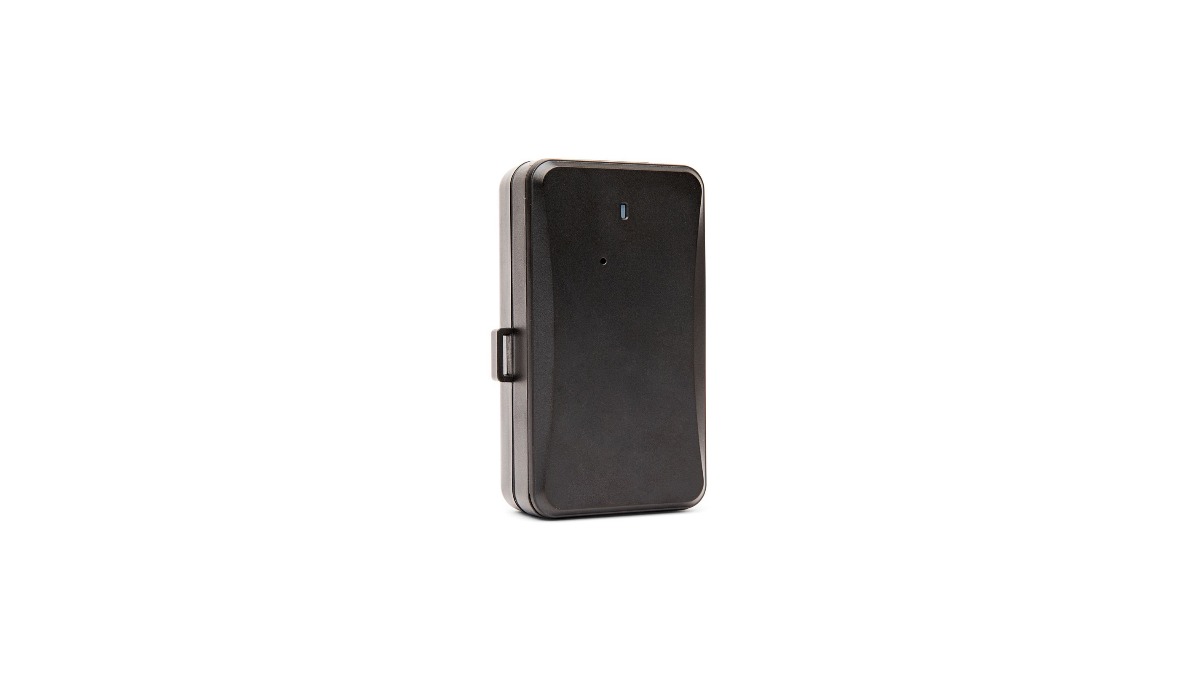
A GPS label tracker is a flat, slim device placed inside packaging, on a pallet, or hidden within the load itself. When placed correctly it is invisible to anyone handling the freight. Here is exactly what it delivers:
- Real-time location updates every few minutes while the load is moving
- Geofence alerts the moment a shipment leaves an approved route
- Dwell alerts when a load sits stationary in an unplanned location too long, one of the clearest early signs of a drop-and-hook theft
- Destination-mismatch alerts if a load moves toward a location that does not match the BOL, the first signal of fictitious pickup or carrier fraud
- A full timestamped chain of custody through every handoff, usable in claims and law enforcement investigations
The moment that load starts moving toward a destination that does not match the BOL, your platform fires an alert. That window, sometimes just 20 to 30 minutes, is the difference between recovery and a total loss.
Defeating Modern Cargo Theft Tactics: Jamming, Detection, and Covert Placement
Smart theft operations use signal detectors to locate trackers and jammers to cut the signal. A visible tracker on a trailer lock or exterior surface is found and disabled within minutes. This is no longer a rare tactic. It is standard operating procedure for organized cargo theft rings.
Professional theft crews carry RF detection equipment that scans for active GPS transmissions. They know exactly what frequencies commercial trackers use and can pinpoint a device’s location within seconds of approaching a trailer. Some operations use portable Faraday bags to immediately shield any device they find, cutting the signal before it can transmit a final location. Others simply destroy the tracker on site and move the load to a secondary location where they conduct a more thorough sweep before proceeding.
The counter-surveillance capabilities of organized theft rings continue to evolve. Crews now share intelligence on common tracker placements, known device signatures, and detection techniques through encrypted channels. What worked as a visible deterrent five years ago is now a known vulnerability that experienced thieves exploit within the first few minutes of taking control of a load. The answer is not a better visible tracker. It is a tracker that cannot be found in the first place.
How Professional Trackers Defeat Signal Jammers
Criminal syndicates routinely deploy RF jammers to disable GPS tracking devices during high-value heists. Professional-grade covert trackers are built to recognize active jamming attempts and respond intelligently. When a device detects RF interference, it logs the jamming event as a security anomaly, caches all location data locally using onboard memory, and transmits the entire encrypted route history the moment it reconnects to a clean cellular tower.
This store-and-forward architecture ensures that even a successful jamming attempt does not erase the evidence trail. Security teams receive a full audit log showing exactly when interference started, how long it lasted, and where the load moved once tracking resumed. That forensic data is often the difference between a successful recovery and a total write-off.
Covert Placement Best Practices
When a tracker is embedded inside a pallet or hidden within secondary packaging, a thief moving fast will not find it. They are not tearing apart every box in a 26-pallet load. The placement is the protection. Here is how to do it right:
- Place trackers inside secondary packaging before palletizing, never on the exterior
- Use two trackers at different positions within the same load so disabling one does not eliminate all coverage
- Choose LTE-M or multi-network band devices, which are much harder to jam than single-frequency GPS
- Never mark or brand the packaging in any way that hints at tracking technology
Explore the hardware options built specifically for in-shipment concealment.
API and ELD Integration for Enterprise Supply Chains
Enterprise logistics operations cannot afford to manage tracking data in a silo. Modern covert GPS platforms expose RESTful APIs that feed location telemetry directly into existing Transportation Management Systems, Electronic Logging Devices, and ERP software. This integration layer allows security teams to automatically verify that the driver who scanned in at the dock matches the driver associated with the tracking device on that load.
When driver identity verification happens in real time at the point of pickup, fictitious pickup schemes collapse before the load ever leaves the facility. API-level integration also enables automated exception workflows, so a destination mismatch alert can trigger an immediate dispatch hold, notify the insurance provider, and generate a law enforcement report without manual intervention.
Cold Chain Sensor Capabilities for Pharmaceutical and Food Logistics
For pharmaceutical shipments and food logistics, location data alone is not enough. Regulatory compliance requires proof that temperature and humidity stayed within acceptable ranges throughout transit. Advanced GPS label trackers integrate Bluetooth Low Energy environmental sensors that monitor temperature, humidity, and light exposure continuously.
These data points feed into the same platform that tracks location, creating a unified chain of custody that satisfies FDA, FSMA, and GDP audit requirements. If a reefer unit fails or a door is left open, the platform fires an environmental excursion alert before the product is compromised, giving logistics teams time to intervene and protect the shipment.
What Types of Shipments Need This the Most
Not every load carries the same risk. Here is where GPS label tracking is most critical:
| Freight Type | Why It Gets Targeted | Avg. Loss Per Theft | GPS Label Priority |
|---|---|---|---|
| Electronics | High resale value, fast to move | $200,000+ | Critical |
| Pharmaceuticals | Hard to trace, high street value | $150,000+ | Critical |
| Alcohol and Tobacco | Always in demand, easy to liquidate | $80,000+ | High |
| Apparel and Footwear | Brand names fetch quick resale | $60,000+ | High |
| Building Materials and Metals | Copper and metal at record prices | $50,000+ | Medium-High |
| Food and Beverage | Perishable demand, hard to trace once moved | $40,000+ | Medium |
Any load worth more than $50,000 moving across state lines should have independent tracking separate from the carrier’s system. For manufacturers shipping high-value goods regularly, see how GPS tracking integrates into manufacturing and distribution operations at scale.
Automated Safe Routing Corridors
Security directors managing high-value freight need more than reactive alerts. Automated safe routing corridors establish pre-approved transit paths as geometric boundaries in the tracking platform. Any deviation from the strict corridor, whether intentional or accidental, triggers an instant alarm before the load reaches a point of no return.
These corridors can be configured by lane, by carrier, or by commodity type. When a driver takes an unauthorized exit or deviates more than a defined distance from the approved route, the platform escalates immediately. This level of proactive monitoring transforms GPS tracking from a recovery tool into a prevention system.
Battery Chemistry and Power Management for Extended Transit
Procurement teams evaluating covert GPS devices need exact specifications on battery performance, especially for shipments moving through extended maritime or rail networks. Look for devices that specify sleep mode intervals, wake frequencies, and total operational lifespan under realistic conditions, not laboratory benchmarks.
Lithium thionyl chloride batteries offer the longest shelf life and widest operating temperature range for freight applications. Devices should support configurable wake intervals so you can balance location update frequency against battery consumption based on actual transit duration. For ocean freight or intermodal moves exceeding 30 days, confirm that the device can operate in deep sleep mode and still deliver reliable position reports at port calls and rail yards.
How to Build a GPS Label Strategy That Holds Up in the Real World
Getting this right requires more than buying a device. It needs to be built into your normal shipping workflow before anything goes wrong. Start by tiering your loads. Identify which lanes, product categories, and shipment values carry the most exposure and build your program there first.
From there, match the device to your actual transit duration with at least a 20% battery buffer built in. A 10-day tracker is useless on a 14-day lane. Set geofences on approved routes, dwell alerts for stops over 90 minutes, and destination-mismatch alerts for any movement toward an unauthorized location. Before you finalize the program, run an ROI calculation on what your current loss exposure costs versus what a tracking program runs. The number usually makes the decision easy.
Assign Clear Alert Ownership and TMS Integration
The most common mistake teams make is treating alerts as a notification instead of a trigger. A real-time alert that sits in a shared inbox while everyone assumes someone else is handling it is worthless. Alerts must route directly into your TMS or dispatch software so the person managing loads from the dispatch desk sees the exception in the same workflow they use to track every other shipment. During an active drop-and-hook theft, there is no time for someone to check a secondary system or wait for an email to propagate.
One person needs to own the response protocol. Who to call at the carrier. At what threshold law enforcement gets involved. How every step gets documented for a claim. Build that protocol before you need it. When an alert fires at 2 a.m. on a Friday, there is no time to figure out the process. The next time something goes wrong in transit, you will know about it in minutes, not days. That window is everything when it comes to recovery.
What to Look for When Choosing the Right Covert GPS Device
Not all devices marketed as covert trackers are built for freight environments. Before buying, check these specifics:
- Network type: LTE-M and NB-IoT penetrate buildings and warehouses better than standard 4G and use less battery
- Battery life: Match to your longest lane, not your average, with a 20% buffer minimum
- Tamper detection: Light or motion sensors that alert when packaging is opened catch pilferage early
- Platform compatibility: Confirm API integration with your TMS before committing to any hardware
- Temperature range: Verify operating specs if your freight moves through cold storage or extreme climates
For teams managing shipments at scale, a real-time tracking platform with geofencing, AI-powered anomaly detection, and audit-ready reporting is what turns location data into a loss prevention system that actually works.
Frequently Asked Questions (FAQs)
How do covert GPS trackers operate inside metal shipping containers?
Metal structures create a Faraday cage effect that blocks standard satellite signals. Modern covert trackers bypass this by utilizing LTE-M, NB-IoT, Wi-Fi positioning, and Cell-ID to triangulate locations through structural gaps and door seals.
Can GPS tracking labels monitor temperature and humidity?
Yes. Advanced tracking labels integrate environmental sensors to monitor temperature, humidity, and light exposure. These data points are required for pharmaceutical shipments and food logistics to maintain cold chain compliance.
How does real-time tracking prevent fictitious pickups?
Fictitious pickups occur when thieves use fraudulent carrier credentials. GPS labels allow shippers to independently verify the physical location of the freight against the declared location of the authorized driver. This system triggers an immediate destination mismatch alert if the load moves in the wrong direction.
What happens if cargo thieves use a GPS signal jammer?
When professional tracking hardware detects active RF interference from a jammer, the device logs the event. The tracker stores its location data locally and transmits the entire encrypted route history the moment it connects to a clean cellular tower.
Are GPS label trackers legal for monitoring carrier shipments?
Yes. As the owner of the goods, you have a legal right to track your property throughout transit. It is a best practice to include a Right to Track clause in your carrier contracts or Master Service Agreements to ensure transparency and avoid disputes over driver privacy expectations.