

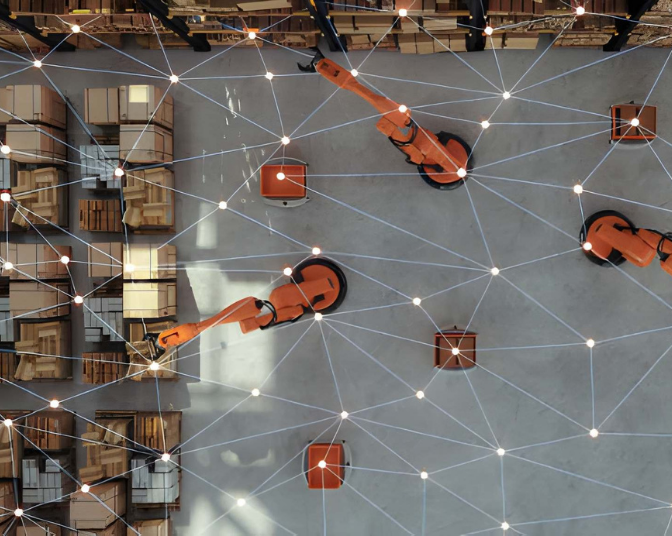
End-to-end supply chain visibility has shifted from a “nice to have” to a real competitive advantage, especially as delays, cost volatility, and disruptions keep stacking up. In fact, many organizations still struggle to achieve true visibility across suppliers, production, warehousing, and transportation, which is why it remains such a strategic differentiator. This post breaks down 10 practical benefits that come from connecting your supply chain into a single, real-time source of truth. From stronger on-time delivery performance and faster decision-making to lower operating costs and earlier risk detection, visibility helps teams move from reactive firefighting to proactive control. If you’re looking to build a more resilient, future-ready operation, these are the outcomes worth prioritizing.
Supply chains today face constant pressure from delays, cost volatility, and unexpected disruptions. According to a GEODIS survey of 623 companies, only six percent of companies have achieved full end-to-end supply chain visibility, highlighting how rare and strategic this capability remains for modern operations.
This shows that visibility is no longer a nice-to-have feature. It is a foundational capability that helps turn scattered data into insights and performance improvements.
Establishing a single source of truth across the entire network allows organizations to transition from reactive troubleshooting to proactive management. This structural change is necessary for maintaining a competitive edge and ensuring long-term profitability in volatile markets.
At a Glance
- End-to-end supply chain visibility has become a genuine competitive differentiator, not just an operational convenience.
- Connecting suppliers, production, warehousing, and transportation into one real-time source reduces reactive firefighting significantly.
- Key measurable benefits include stronger on-time delivery, lower operating costs, and earlier risk detection.
- Many organizations still lack true cross-chain visibility, making it a strategic gap worth closing now.
- Visibility helps teams shift from reacting to disruptions to anticipating and controlling them proactively.
Why End-to-End Supply Chain Visibility Is Important
End-to-end visibility means seeing what is happening throughout the supply chain from raw material sourcing to final delivery. It connects data from suppliers, production, warehousing, transportation, and distribution into one continuous real-time view.
When supply chain operations lack transparency, teams are forced to make decisions based on incomplete or delayed information, which slows responses and obscures risks. For example, leaders cannot identify bottlenecks or forecast disruption impacts if they only see one part of the chain at a time. Real-time visibility removes these blind spots, making the entire system easier to manage and coordinate.
This capability also supports faster response to external shocks such as delays, raw material shortages, or demand surges. Companies with full visibility can detect potential disruptions earlier and act before they escalate into costly problems. Better visibility allows organizations to cut the impact of supply chain disruption significantly by allowing faster detection and response.
What Is End-to-End Supply Chain Visibility?
Traditional supply chains often operate in silos, where different departments handle their responsibilities independently, leading to inefficiencies and blind spots. End-to-end visibility means unifying all moving parts into a single, connected ecosystem, where real-time data flows freely across the entire supply chain. GPS tracking, BLE (Bluetooth Low Energy) mesh networks, and IoT sensors provide live updates on asset location, condition, and movement, unlike traditional RFID, which requires manual scanning and specific reader infrastructure. GPS and BLE-based tracking work continuously across large, complex environments.
Visibility vs. Transparency: Why the Difference Matters
Visibility is about knowing where everything is in real time. Transparency refers to sharing that visibility with suppliers, logistics partners, and customers to create trust and efficiency. Businesses that master both can reduce delays, optimize routes, and enhance customer satisfaction while keeping their suppliers accountable.
Key Benefits of End-to-End Supply Chain Visibility
1. Stronger On-Time Delivery Control
One of the most immediate benefits of end-to-end visibility is improved on-time delivery performance. When shipments are tracked in real time across the supply chain, teams are no longer blind to delays until it is too late to respond.
Platforms like GPX enable continuous shipment monitoring, allowing teams to spot risks such as route deviations, idle time, or congestion early. This level of awareness helps logistics teams intervene before a delay impacts the customer. Over time, consistent visibility also improves delivery planning, carrier accountability, and estimated arrival accuracy.
The result is fewer missed delivery windows and stronger customer trust. When delivery performance becomes predictable instead of reactive, organizations gain confidence in their commitments and reduce the operational stress caused by last-minute exceptions.
2. Faster and More Confident Decision Making
End-to-end visibility gives decision makers access to accurate, real-time information instead of outdated reports. This removes guesswork from daily operations and strategic planning.
When teams can see inventory levels, shipment status, and supplier activity in one place, decisions happen faster and with greater confidence. There is no need to wait for manual updates or reconcile conflicting data from multiple systems. Visibility allows leaders to act immediately based on what is actually happening, not what happened days ago.
Over time, this improves operational agility and reduces costly delays caused by slow approvals or misaligned information. Faster decisions translate into better service outcomes and stronger competitive positioning.
3. Reduced Operational Costs Across the Supply Chain
Visibility helps uncover inefficiencies that quietly drain budgets. These include unnecessary expedited shipping, excess safety stock, idle assets, and avoidable detention charges.
When costs are tied to visible operational data, teams can identify where money is being lost and why. For example, frequent delays at specific locations or with certain carriers become easy to spot. This allows organizations to renegotiate contracts, redesign routes, or adjust planning assumptions.
Over time, end-to-end visibility creates a culture of cost awareness. Spending becomes intentional rather than reactive, leading to sustained reductions in logistics and inventory costs.
4. Better Inventory Planning and Reduced Stockouts
Inventory problems often come from poor visibility rather than poor planning. Without knowing where inventory is and when it will arrive, businesses either overstock or risk running out.
End-to-end visibility connects inbound shipments, warehouse stock, and outbound orders into one flow of information. This allows planners to adjust replenishment decisions based on real-time movement instead of static forecasts. It also reduces panic ordering and last-minute adjustments.
As a result, inventory levels become more balanced. Businesses experience fewer stockouts, lower holding costs, and improved service consistency across locations.
5. Improved Customer Experience and Transparency
Customers expect accurate delivery updates and reliable service. Visibility makes this possible by providing real-time status information that can be shared internally and externally.
When customer service teams have access to live shipment data, they can answer questions confidently instead of escalating issues or providing vague timelines. Proactive communication becomes easier, especially when delays occur.
Over time, transparency strengthens trust. Customers are more forgiving when issues are communicated clearly and early, which leads to stronger long-term relationships.
6. Early Detection of Supply Chain Risks
Supply chain disruptions rarely happen without warning signs. The challenge is that those signals often go unnoticed without visibility.
End-to-end visibility highlights deviations from normal patterns, such as repeated delays, extended dwell times, or supplier inconsistencies. These insights allow teams to act before risks escalate into full disruptions.
By identifying issues early, organizations can reroute shipments, adjust production plans, or activate contingency suppliers. This proactive approach reduces downtime and protects revenue.
7. Stronger Supplier Performance Management
Visibility extends beyond internal operations to supplier activity. When inbound shipments and lead times are visible, supplier performance becomes measurable and objective.
Organizations can track consistency, reliability, and responsiveness instead of relying on assumptions or anecdotal feedback. This data supports more productive supplier conversations and fair performance evaluations.
Over time, visibility encourages accountability and collaboration. Suppliers understand expectations clearly, and businesses build stronger, more resilient partner networks.
8. Increased Operational Alignment Across Teams
Disconnected systems create silos between logistics, procurement, sales, and finance. End-to-end visibility breaks down these barriers by providing a shared source of truth.
When all teams see the same data, alignment improves naturally. Sales understands delivery constraints, finance sees cost drivers, and operations gains clarity on demand patterns.
This shared understanding reduces internal friction and speeds up cross-functional collaboration. Teams work toward common goals instead of reacting independently.
9. Higher Data Accuracy and Fewer Manual Processes
Manual updates and spreadsheet tracking increase the risk of errors. Visibility platforms reduce this reliance by automating data collection and updates.
When data flows automatically from tracking systems, accuracy improves and teams spend less time reconciling numbers. This also reduces burnout and operational fatigue.
Over time, cleaner data leads to better analytics, stronger forecasting, and more reliable performance measurement across the supply chain.
10. A More Resilient and Future-Ready Supply Chain
Visibility is a foundation for long-term resilience. It enables organizations to adapt quickly to disruptions, demand shifts, and market volatility.
With end-to-end insight, businesses can test scenarios, evaluate alternatives, and respond confidently to change. This adaptability becomes a competitive advantage in uncertain environments.
Ultimately, visibility transforms supply chains from fragile and reactive into agile and resilient systems that support sustainable growth.
Common Challenges of End-to-End Visibility, and How to Solve Them
Most visibility programs stall for the same few reasons. None of them is a reason to wait, but each needs a plan before the first tracker ships.
Connecting legacy ERP and WMS systems
Location and condition data is only useful when it reaches the systems your planners already work in. Older ERP and warehouse platforms rarely accept live feeds, so data ends up in a separate dashboard nobody opens. APIs and cloud middleware close that gap by pushing shipment events straight into the ERP, WMS or TMS record they belong to.
Keeping supply chain data secure
Shipment data shows where valuable goods are and when they move, which makes it worth protecting. Insist on encryption in transit and at rest, role-based access for partners, and a clear answer on who owns the data if you change vendors.
Too much data, not enough insight
Thousands of pings a day can bury the three exceptions that matter. Use exception-based alerts and analytics that rank problems by impact, so teams act on a late high-value load before they look at a pallet that is ten minutes behind.
Getting teams and partners to use it
Technology fails when people keep working from spreadsheets. Train the teams who will act on alerts, agree on shared KPIs with carriers and suppliers, and retire the manual reports the new data replaces.
Cloud, On-Premise or Hybrid: Choosing the Right Setup
Where your visibility platform runs affects cost, speed of rollout and how much control you keep over the data.
- Cloud-based: fastest to deploy, scales across sites and partners, and updates without IT projects. The best fit for most multi-site and multi-partner networks.
- On-premise: maximum control over data and security, often required in regulated industries such as pharmaceuticals, aerospace and defense, at the cost of higher upfront investment and ongoing maintenance.
- Hybrid: cloud analytics on top of tracking infrastructure you control. A common choice when compliance rules cover some data but not all of it.
How to Achieve End-to-End Supply Chain Visibility in 5 Steps
- Audit your blind spots. Map every handoff from supplier to customer and mark where you lose sight of goods, assets or containers today.
- Put tracking where the gaps are. Use GPS for goods and assets on the road, BLE for indoor and yard visibility, and RFID or barcodes where items pass fixed read points. Low-cost tracking labels cover one-way shipments without reverse logistics.
- Integrate with your systems of record. Feed tracking events into ERP, WMS and TMS so planners see live status where they already work.
- Turn data into decisions. Set exception alerts and use predictive analytics to forecast delays, dwell and stockouts before they happen.
- Bring partners in and measure. Share live status with carriers and suppliers, agree on KPIs, and review performance against them monthly.
What to Look For in a Supply Chain Visibility Platform
End-to-end visibility and supply chain KPIs work best together: KPIs tell you how performance is trending, and visibility explains why. When comparing supply chain visibility software, check for:
- Live tracking across modes, from first mile to final delivery, including indoor and yard locations
- Condition monitoring such as temperature and humidity for sensitive goods
- Prebuilt integrations with your ERP, WMS and TMS
- Exception alerts and predictive ETAs, not just dots on a map
- Partner and customer sharing with role-based access
Then ask every vendor the same questions: Does it connect to the systems we already use? How does it scale as we add sites, partners and assets? Where is our data stored and who can see it? How quickly can we go live? Platforms such as GPX shipment tracking combine GPS and BLE hardware with AI analytics, so you get location, condition and next-step recommendations in one place.
Frequently Asked Questions (FAQs)
How does visibility reduce logistics costs?
Visibility identifies inefficiencies like idle assets, detention charges, and excessive safety stock, allowing teams to optimize routes and renegotiate contracts based on hard data. By eliminating guesswork, companies reduce wasted spend on expedited shipping and storage fees.
Can visibility improve supplier relationships?
Yes, by providing objective data on lead times and reliability, organizations can have more productive, fact-based performance reviews and build stronger collaborative partnerships. Accurate reporting holds carriers and vendors accountable while fostering long-term professional trust.
Why is data accuracy important for supply chain resilience?
Accurate, automated data removes human error and ensures that forecasting and risk management strategies are based on current reality rather than outdated or incorrect spreadsheets. Reliable datasets allow for more precise demand planning and inventory allocation across the network.
How does GPS tracking enhance supply chain visibility?
GPS tracking provides real-time location data, optimizes routes, and monitors cargo conditions. Combined with IoT sensors, it offers live updates on shipment status, security breaches, and delays, improving delivery accuracy and reducing operational risks.
How can end-to-end visibility help prevent supply chain disruptions?
By integrating real-time data and predictive analytics, end-to-end visibility helps businesses detect potential bottlenecks, reroute shipments, and adjust procurement strategies before disruptions occur. This proactive approach minimizes delays caused by geopolitical instability, supplier issues, and transportation setbacks.
What are the biggest challenges in achieving end-to-end supply chain visibility?
The most common obstacles are connecting tracking data to legacy ERP and WMS systems, keeping shipment data secure, filtering large volumes of data down to the exceptions that matter, and getting teams and partners to work from the new data instead of spreadsheets.
Should a supply chain visibility platform be cloud-based or on-premise?
Cloud-based platforms are faster to deploy and easier to scale across sites and partners, so they suit most operations. On-premise systems give maximum control over data, which some regulated industries require. Many companies choose a hybrid setup that runs analytics in the cloud while sensitive data stays under their control.