Next-Gen Cold Chain IoT: Top 7 Temperature, Humidity, and Shock Tracking Providers for 2026


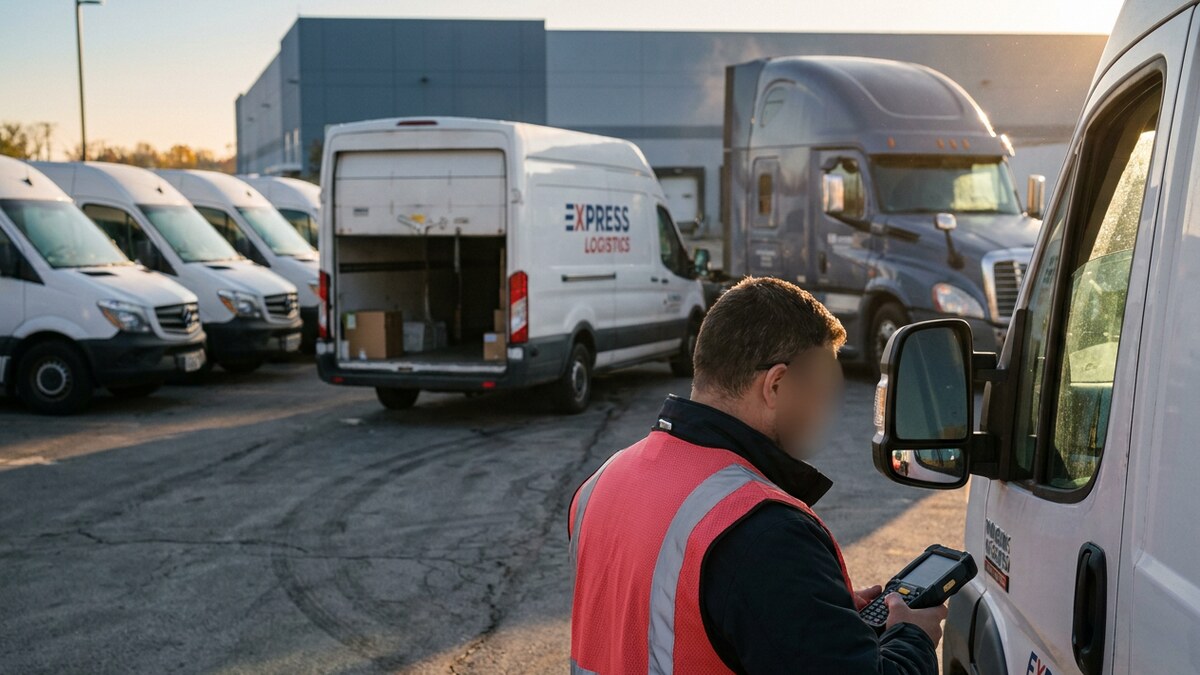
A single temperature excursion can turn a six-figure pharmaceutical shipment into medical waste before it ever reaches a patient. A forklift bump on a loading dock can crack a turbine component that takes months to replace. A humidity spike inside a sealed container can ruin an entire pallet of electronics in transit. The goods move, the conditions change, and without continuous real-time supply chain visibility, the damage stays invisible until the box is opened.
That risk is exactly why condition monitoring is no longer optional. The global cold chain tracking and monitoring market was valued at USD 8.52 billion in 2025 and is projected to reach USD 25.11 billion by 2034, growing at a 12.76% CAGR. Pharmaceuticals are driving much of that demand: the pharmaceutical cold chain logistics market alone reached USD 22.75 billion in 2025 and is forecast to hit USD 44.1 billion by 2033 as biologics, vaccines, and mRNA therapies multiply.
In 2026, logistics leaders are migrating away from passive data loggers toward predictive supply chain visibility and Agentic AI: autonomous systems that do not just flag a temperature drop but reroute shipments and trigger corrective workflows on their own. This guide compares the seven leading IoT temperature, humidity, and shock tracking providers for 2026, breaking down their sensor accuracy, 5G and BLE connectivity, FDA 21 CFR Part 11 compliance posture, and ideal B2B use cases so you can secure your supply chain.
Quick Comparison: 2026 Best Real-Time Condition Monitoring Software and Hardware
| Provider | Core Sensors Tracked | IoT Connectivity | Monitoring Architecture | Best B2B Use Case |
|---|---|---|---|---|
| GPX Intelligence | Temperature, shock/motion, location | Multi-network: Cellular, BLE, GPS | Real-time + Agentic AI analytics | Mixed fleets, returnable assets, holistic in-transit visibility |
| Tive | Temperature, humidity, shock, light, motion, tilt, location | Triple-redundant: 5G/Cellular, WiFi, GPS | Real-time | Real-time in-transit visibility for perishables and high-value freight |
| Sensitech (Carrier) | Temperature, humidity, shock, tilt, light, free-fall | LTE Cat-M1/5G, NB-IoT, 2G fallback | Logger + real-time | Regulated pharma and life sciences cold chain |
| Controlant | Temperature, humidity, location | Cellular, real-time IoT | Real-time | Enterprise pharma, vaccines, sustainability-focused programs |
| Roambee | Temperature, humidity, shock, light, location | 5G, Cellular, GPS, BLE | Real-time (sensor-as-a-service) | Enterprises wanting an OPEX condition-monitoring model |
| DeltaTrak | Temperature, humidity, location | USB, Cellular, cloud | Logger + real-time | Cost-conscious food and pharma distributors |
| SpotSee (ShockWatch) | Shock, impact, tilt, temperature, humidity | Mechanical indicators, Cellular, cloud | Indicator + logger + connected | Fragile, high-value, shock-sensitive cargo |
The Hidden Cost of Invisible Damage: Why Predictive Supply Chain Visibility Is Critical
Temperature-sensitive and fragile goods carry a hidden tax that shows up only when a shipment fails. The challenge is that conditions degrade silently. A reefer unit fails overnight, a pallet sits on a hot tarmac, a container rolls through a humid port, or a crate gets dropped during a transfer. By the time the receiving team inspects the load, the product is already compromised and the evidence trail is gone.
Operations teams across pharma, food safety, aerospace, electronics, and industrial logistics consistently run into the same critical challenges:
- Temperature excursions that void product quality. Biologics, vaccines, fresh produce, and specialty chemicals have narrow safe ranges. A short breach outside the validated window can trigger a recall, a rejected delivery, or a full write-off.
- Humidity damage that ruins moisture-sensitive goods. Electronics, pharmaceuticals, packaged food, and paper products degrade when humidity climbs. Condensation inside packaging causes corrosion, mold, and spoilage that location-only tracking never detects.
- Shock and impact damage with no accountability. Drops, hard braking, and rough handling crack components, break seals, and shorten equipment life. Without an impact record, no one can prove where in the chain the damage happened or who is liable.
- Compliance and audit exposure. Regulated industries answer to FDA 21 CFR Part 11, GxP, and similar standards. Manual temperature logs and paper records fail audits and slow product release.
- Reactive instead of proactive response. Loggers that only reveal data after the trip ends turn every problem into a post-mortem. Real-time alerts let teams reroute, intervene, or stop a shipment before the loss compounds.
- Documentation and chain-of-custody gaps. Regulators and insurers expect a continuous, tamper-evident audit trail from origin to destination. Fragmented records and manual handoffs break that trail and slow product release.
- Last-mile blind spots. Visibility often collapses during the final leg, exactly where temperature swings and rough handling spike. Continuous monitoring through last-mile delivery closes the gap that ends most cold chain failures.
- Data overload without insight. A flood of raw readings buries the signal that matters. Teams need a platform that filters noise into clear alerts, not another dashboard to babysit.
The damage is sharpest with high-value, fragile cargo. Fine art, museum pieces, and collector goods warp, crack, and grow mold when humidity drifts or a crate takes an impact, and the loss is often irreversible. For these shipments, a documented shock and humidity record is the difference between a paid insurance claim and a denied one.
The providers that win in 2026 close these gaps by combining multi-sensor hardware, reliable connectivity, and a platform that converts raw readings into alerts and proof. Here are the seven leading the field.
1. GPX Intelligence: AI-Powered Asset Tracking and Condition Monitoring Platform
GPX Intelligence operates on a modern premise: location data is useless without condition context. GPX fuses multi-network GPS positioning with onboard condition sensing and Scout AI, an Agentic AI analytics layer that turns continuous IoT data into autonomous alerts across fleets, returnable assets, and in-transit shipments. Multi-network connectivity across cellular, Bluetooth Low Energy, and GPS keeps assets reporting indoors, outdoors, and in motion.
For B2B operations managing a mix of vehicles, reusable containers, and high-value freight, GPX eliminates the blind spots that come from running three disconnected systems. The GPX AssetTag uses Bluetooth Low Energy with a replaceable 4-year battery, which extends device life, supports sustainability goals, and drives down total cost of ownership.
Best For: Mixed fleets, returnable shipping assets, and logistics teams migrating to predictive, AI-driven dashboards.
- Combines GPS location with temperature and shock/motion sensing and real-time alerts
- Multi-network connectivity (Cellular, BLE, GPS) for continuous indoor and in-transit coverage
- Scout AI surfaces anomalies and recommends action instead of flooding teams with raw readings
- AssetTag with a replaceable 4-year battery lowers total cost of ownership
- Scales from a handful of assets to enterprise fleets without swapping platforms
2. Tive: 5G Real-Time In-Transit Visibility Tracker for High-Value Freight
Tive is one of the most recognized names in real-time, in-transit tracking. Its Solo 5G trackers capture location, temperature, humidity, shock, and light exposure, then stream that data to the Tive cloud over cellular, WiFi, and GPS. Trackers ship in both lithium and non-lithium models, which matters for air freight where battery chemistry drives flight compliance.
The platform is built for action, not just record-keeping. Customizable alerts fire the moment an excursion or shock event occurs, so logistics teams can intervene mid-shipment rather than discover the problem at delivery.
Tive pushes the high end further with the Solo Pro, built for regulated pharma and life sciences. It adds cryogenic monitoring down to -200°C for advanced biologics, triple-redundant location across GPS, WiFi, and cellular, an on-device display for receivers on the ground, and a six-sensor payload covering temperature, humidity, light, shock, motion, and tilt. The platform calculates Mean Kinetic Temperature (MKT) and carries a deep compliance stack, including FDA 21 CFR Part 11, EU Annex 11, GxP, SOC 2 Type 2, ISO/IEC 27001, ISO 17025, and NIST-traceable calibration. Tive serves more than 950 global shippers, which gives buyers confidence in a proven platform.
Best For: Real-time visibility on perishables, pharmaceuticals, biologics, and high-value freight where mid-transit intervention saves the load.
- Up to seven data points: temperature, humidity, shock, light, motion, tilt, and location
- Triple-redundant 5G connectivity with WiFi and GPS for hyper-accurate positioning
- Cryogenic monitoring to -200°C and Mean Kinetic Temperature for regulated biologics
- Lithium and non-lithium models for flexible flight compliance
- Broad compliance stack: FDA 21 CFR Part 11, EU Annex 11, GxP, SOC 2 Type 2, ISO 27001, ISO 17025, NIST traceable
- Instant excursion alerts plus historical shipment analytics
3. Sensitech (a Carrier company): Validated FDA 21 CFR Part 11 Pharma Cold Chain Monitoring
Sensitech, part of Carrier Global, is a long-standing standard in regulated cold chain. Its TempTale loggers and SmartMonitor real-time devices track temperature, humidity, shock, tilt, light, and free-fall, feeding the SensiWatch platform for quality and product-release workflows. The hardware carries advanced cellular connectivity (LTE Cat-M1/5G, NB-IoT, with 2G fallback) and meets FDA 21 CFR Part 11 and GAMP5 requirements.
Sensitech strengthened its position in 2024 by acquiring the monitoring solutions business of Berlinger, expanding its real-time and analytics portfolio for life sciences. For pharma teams that need validated, audit-ready data, Sensitech is a default consideration.
Best For: Regulated pharmaceutical and life sciences shippers that require validated, audit-ready cold chain records.
- Six-plus sensor coverage including tilt and free-fall detection
- FDA 21 CFR Part 11 and GAMP5 compliance built in, aligned with EU GDP and WHO Good Distribution Practices
- SensiWatch platform automates alerts and corrective-action capture
- Extended low-temperature monitoring options for advanced biologics
4. Controlant: Real-Time Cold Chain as a Service (CaaS) for Enterprise Pharma
Controlant runs a real-time, cloud-based monitoring model marketed as Cold Chain as a Service. The company earned global recognition supporting large-scale vaccine distribution, where continuous temperature and location data across millions of shipments was non-negotiable. Its reusable loggers and sustainability angle appeal to enterprises tracking both compliance and carbon goals.
Controlant suits organizations that prefer a managed program over buying and maintaining hardware in house. The platform centralizes monitoring, alerts, and reporting for high-volume, mission-critical pharmaceutical supply chains.
Best For: Large pharmaceutical manufacturers, vaccine programs, and enterprises prioritizing reusable, sustainability-aligned monitoring.
- Real-time temperature, humidity, and location across global routes
- Reusable device model that reduces waste and supports sustainability reporting
- Managed Cold Chain as a Service offloads hardware logistics
- Proven at vaccine-distribution scale with enterprise-grade reliability
5. Roambee: Sensor-as-a-Service Condition Monitoring via Smart IoT Labels
Roambee delivers AI-powered shipment and asset visibility through a sensor-as-a-service model, so customers pay for outcomes rather than owning hardware outright. Its devices and 5G GPS smart label use NIST-calibrated sensors for temperature, humidity, shock, and light, and the platform fuses that firsthand IoT data with non-sensor inputs to predict arrival times and flag risk.
The OPEX structure is the differentiator. For enterprises that want condition monitoring without a capital purchase and the burden of device management, Roambee turns visibility into a subscription.
Best For: Enterprises that want full condition monitoring on an operating-expense model with managed devices.
- NIST-calibrated temperature, humidity, shock, and light sensors
- 5G GPS smart label for peel-and-ship, single-journey deployments
- AI platform that predicts ETAs and surfaces supply chain risk signals
- Sensor-as-a-service pricing removes upfront hardware cost
6. DeltaTrak: Cost-Effective USB and Cloud Data Loggers for High-Volume Food Safety
DeltaTrak is a practical, budget-friendly choice anchored by its FlashLink loggers and ColdTrak cloud platform. The lineup spans single-use and reusable USB loggers through real-time cellular devices, covering temperature and humidity across food and pharmaceutical distribution. For high-volume food shippers that move thousands of loads, DeltaTrak keeps the per-shipment cost low without sacrificing reliable data capture.
It is the strong fit when the priority is dependable, auditable temperature records at scale rather than a premium multi-sensor real-time platform.
Best For: Cost-conscious food and pharmaceutical distributors that need reliable loggers at high volume.
- FlashLink loggers in single-use, reusable, and real-time formats
- ColdTrak cloud for centralized data and reporting
- Low per-shipment cost for high-volume food and produce chains
- Established reputation in food safety and pharma temperature compliance
7. SpotSee (ShockWatch and ShockLog): Impact and Shock Damage Detection for Fragile Cargo
SpotSee owns the shock and impact niche through its ShockWatch indicators and ShockLog data loggers. Where most cold chain providers treat shock as a secondary sensor, SpotSee makes impact detection the headline. Its mechanical indicators provide a visible, tamper-evident record of mishandling, while connected ShockLog devices log impact, tilt, temperature, and humidity with cellular reporting.
For fragile, high-value, and shock-sensitive cargo such as electronics, glass, medical equipment, machinery, aerospace parts, wind turbine components, and fine art, SpotSee delivers the accountability that proves where damage occurred and who is responsible. Fine art and museum logistics teams rely on this audit trail to validate insurance claims, since a documented shock and humidity record turns a disputed loss into a covered one.
Best For: Industrial, aerospace, heavy freight, and fine art shippers where proving impact accountability is the primary objective.
- Visible, tamper-evident impact indicators for instant inspection
- ShockLog loggers capturing impact, tilt, temperature, and humidity over cellular networks
- Connected cellular options for real-time impact alerts
- Specialized in machinery, electronics, glass, aerospace, and renewable energy components
Essential Features: How to Choose a Future-Ready Supply Chain Visibility Tool
The right provider depends on what you ship, how you ship it, and what you need to prove afterward. Weigh these factors before you commit to a B2B tracking deployment in 2026:
- Agentic AI and predictive analytics: Decide whether the software only shows a dashboard of raw data or proactively recommends routing changes, flags anomalies, and triggers corrective workflows before goods are destroyed.
- Sensor coverage: Confirm the device tracks every parameter that matters for your goods. Temperature is table stakes; humidity protects moisture-sensitive products, and shock or impact sensing protects fragile cargo.
- Real-time versus logger: Loggers deliver a record after the fact and cost less. Real-time devices send live alerts so teams can intervene mid-shipment. High-value and time-critical loads justify real-time.
- Connectivity and coverage: Multi-network connectivity (cellular, 5G, BLE, GPS, WiFi) determines whether you keep visibility across borders, indoors, and on the move.
- Compliance and validation: Regulated pharma needs FDA 21 CFR Part 11, EU Annex 11, EU GDP, WHO Good Distribution Practices, and GxP-aligned, audit-ready data, often with NIST-traceable calibration and Mean Kinetic Temperature reporting. Verify the platform supports your reporting obligations.
- Audit trail and insurance validation: A continuous, tamper-evident chain-of-custody record protects you in disputes and supports insurance claims when a shipment is damaged or lost.
- Battery and reusability: A replaceable, long-life battery and reusable hardware lower total cost of ownership and reduce waste compared with single-use devices.
- Platform intelligence: An AI-driven platform that turns raw readings into alerts, ETA predictions, and anomaly detection is worth far more than a dashboard of numbers.
- Pricing model: Decide between owning hardware (CAPEX) and a sensor-as-a-service subscription (OPEX) based on volume, cash flow, and how much device management you want to handle.
Start With the Product Not the Device
Start with the product, not the device. Map the exact conditions that damage your goods, then shortlist providers whose sensors cover all of them. A pharma shipper that ignores humidity, or an electronics exporter that ignores shock, buys visibility into the wrong risk.
Next, match the monitoring model to the stakes. If a lost load means a recall, a blown SLA, or a six-figure write-off, real-time alerting pays for itself on the first save. If you move high volumes of lower-risk freight, a reliable logger keeps cost per shipment lean. Many operations run both: real-time on the critical lanes, loggers on the routine ones.
Then weigh connectivity, compliance, battery life, and platform intelligence together rather than chasing a single spec. The strongest providers unify location and condition data on one intelligent platform so your team works from a single source of truth instead of stitching reports together by hand. If your operation spans vehicles, returnable assets, and in-transit shipments, a multi-network platform with AI analytics and a long-life, replaceable battery gives you the broadest coverage with the lowest long-term cost.
Beyond the seven above, a few alternates are worth shortlisting for specific needs. Logmore offers QR-code data loggers that are simple to scan and deploy at scale, and JimiIoT’s LL309 is a budget-friendly 4G temperature and humidity tracker with multi-positioning and on-device data storage for cost-sensitive fleets.
GPX Intelligence brings location and condition monitoring together with multi-network connectivity, AI-driven alerts, and an AssetTag built on a replaceable 4-year battery, so you protect every shipment and every asset from one platform. Explore the GPX condition monitoring solutions or get started with GPX to see how unified tracking protects your supply chain.
Frequently Asked Questions (FAQs)
What is the difference between an IoT real-time tracker and a USB data logger?
A USB data logger passively records environmental conditions and requires a manual download at the destination to reveal whether a temperature breach occurred. An IoT real-time tracker streams condition data live over 5G, cellular, or BLE, triggering instant alerts that let logistics teams intervene and save the shipment before it is ruined. Loggers cost less and suit high-volume, lower-risk lanes; real-time trackers protect high-value and time-critical loads.
What is Agentic AI in supply chain condition monitoring?
Unlike traditional automation that relies on simple if/then rules, Agentic AI can reason and execute tasks autonomously. If an IoT sensor detects a refrigeration failure in transit, an Agentic AI system can independently notify the driver, alert the receiving warehouse, and initiate a replacement order without waiting for a human to react. This shifts cold chain management from reactive post-mortems to predictive, self-correcting workflows.
How do I ensure my temperature monitoring is FDA 21 CFR Part 11 compliant?
To meet FDA 21 CFR Part 11, your provider must offer secure, tamper-proof electronic records, detailed audit trails that log who accessed or acknowledged data and when, and encrypted digital signatures. Devices should also feature NIST-traceable calibration, and for advanced biologics, Mean Kinetic Temperature (MKT) reporting. Confirm alignment with EU Annex 11, EU GDP, and WHO Good Distribution Practices if you ship internationally.
Why is shock and tilt tracking necessary for high-value and industrial freight?
Heavy machinery, aerospace parts, fine art, and sensitive medical equipment such as MRI machines have strict impact tolerances. Shock and tilt sensors provide a timestamped, geo-located record of exact impacts or severe tipping events. This data is critical for assigning liability to carriers and expediting freight insurance claims, since a documented record turns a disputed loss into a covered one.
How much does temperature, humidity, and shock tracking cost?
Cost depends on the monitoring model. Single-use loggers run a few dollars per shipment, reusable real-time devices carry a higher upfront price offset by repeated use, and sensor-as-a-service models charge a subscription that bundles hardware, connectivity, and platform access. Total cost of ownership improves with reusable hardware, replaceable batteries, and a platform that prevents losses by alerting teams before damage compounds.
How large is the global cold chain tracking and monitoring market?
The global cold chain tracking and monitoring market was valued at USD 8.52 billion in 2025 and is projected to reach USD 25.11 billion by 2034, growing at a 12.76% CAGR.
Why are pharmaceuticals the primary driver of cold chain IoT growth?
The pharmaceutical cold chain logistics market reached USD 22.75 billion in 2025 and is forecast to hit USD 44.1 billion by 2033, driven by strict temperature requirements and the reality that a single excursion can turn a six-figure shipment into medical waste.