Top 7 Supply Chain Visibility Software Platforms for 2026
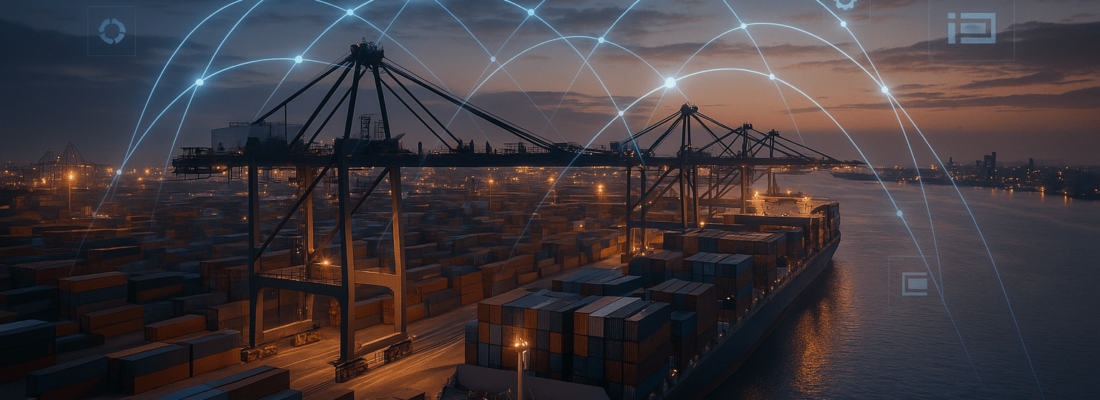

Supply chains move fast, and customers notice when something slips. But many teams still cannot see far enough upstream to spot issues early. In a McKinsey survey, 45% of respondents said they have no visibility into their upstream supply chain or can only see as far as first-tier suppliers. That gap makes it harder to prevent delays, control costs, and keep service levels steady. This is where Supply Chain Visibility Software becomes essential. It brings your data into one place so you can track what is happening, respond faster, and run a smoother operation.
We want to help you explore top Supply Chain Visibility Software solutions available in 2026, highlighting the software that’s helping businesses like yours:
- Gain end-to-end transparency
- Optimize operations
- Ensure smoother supply chain processes
What is Supply Chain Visibility Software and Why is it Important in 2026?
Supply Chain Visibility Software refers to the ability of businesses like yours to track and monitor supply chains from end to end. This includes everything—raw material sourcing, production processes, inventory management, shipment tracking, and delivery.
The key to a successful supply chain is having real-time access to accurate data through your Supply Chain Visibility Software to:
- Make informed decisions
- Minimize disruptions
- Proactively manage risks

Furthermore, if your company plans to expand operations globally, traditional methods of managing supply chains will no longer be sufficient. Real-time visibility, often powered by robust Supply Chain Visibility Software, has become indispensable for identifying bottlenecks, optimizing routes, improving collaboration with suppliers, and ensuring better compliance with regulations. In 2026, companies are increasingly adopting state-of-the-art Supply Chain Visibility Software to enhance operational efficiency, reduce costs, and improve customer satisfaction. Learn more about supply chain trends.
For instance, in recent years, companies that provide “supply chain visibility” solutions have grown significantly, signifying an increased demand for such an offering.
In today’s interconnected world, Supply Chain Visibility Software is no longer a luxury but a necessity. Disruptions, delays, and security threats can dampen businesses like yours, making real-time transparency and proactive management crucial for success.
Discover major benefits below and then consult our handy guide to top Supply Chain Visibility Software for 2026.
Real-Time Tracking with Supply Chain Visibility Software to Eliminate Uncertainty
Advanced Supply Chain Visibility Software offers real-time tracking capabilities that eliminate blind spots in your supply chain. By leveraging GPS data, these platforms provide instant updates on shipment locations, enabling businesses like yours to monitor progress, anticipate delays, and proactively communicate with customers.
Leveraging GPS in Supply Chain Visibility Software for 24/7 Monitoring and Combating Theft/Loss
These platforms offer features like geofencing, tamper alerts, and real-time location tracking, enabling businesses to secure their assets and respond swiftly to any unauthorized activity. GPS tracking as a core component of Supply Chain Visibility Software has increased recently, even down to monitoring individual pieces of equipment and route-tracking. Learn more about ending supply chain disruptions here.
GPS-Powered Supply Chain Visibility Software and Reducing Costs
GPS-powered Supply Chain Visibility Software goes beyond simple tracking to optimize operations and reduce costs. By providing valuable insights into routes, delivery schedules, and resource allocation, these solutions enhance efficiency and streamline processes.
Other important benefits include but are not limited to:
- Optimizing routes for maximum efficiency. Route optimization modules within Supply Chain Visibility Software leverage GPS data to plan the most efficient routes, considering factors like traffic, road conditions, and delivery windows.
- Improving delivery performance and thus customer satisfaction. Certain platforms exist that specialize in enhancing delivery performance and customer satisfaction by providing accurate ETAs, enabling proactive communication, and offering self-service tracking options. (Consider linking to a recent article on delivery and customer satisfaction, such as LogiNext’s How On Demand Delivery is Changing the Way We Shop in 2025.)
- Reducing idle time for fleet efficiency. Advanced fleet management tools, often integrated into comprehensive Supply Chain Visibility Software, analyze idle time, helping businesses optimize vehicle utilization and save fuel.
- Mitigating risks and enhancing security. Advanced Supply Chain Visibility Software plays a crucial role in mitigating supply chain risks and enhancing security by leveraging GPS tracking, sensor data, and analytics.
- Ensuring product integrity. For businesses dealing with temperature-sensitive goods, specific Supply Chain Visibility Software features offer real-time temperature monitoring and control.
- Promoting driver safety. Leading fleet management solutions can help promote driver safety by using GPS tracking and telematics to monitor driver behavior, identify risky driving patterns, and provide coaching to reduce accidents.
Ultimately, end-to-end visibility is essential for effective supply chain management. Integrated, top-of-the-line Supply Chain Visibility Software provides a comprehensive view of operations, breaking down silos and facilitating seamless information flow for you and your business partners.
In fact, integrated solutions like SAP Supply Chain Management foster seamless collaboration among suppliers, transporters, and customers. This unified view ensures all stakeholders stay informed, aligned, and responsive.
Choosing the Right Supply Chain Visibility Software for Your Business
Selecting the right Supply Chain Visibility Software helps improve your operation’s success. Considering your specific needs, challenges, and budget when evaluating different solutions is quite a task—but it ensures even smoother operations, saving you time, money, and other valuable resources.
Let’s take a closer look at the top Supply Chain Visibility Software for 2026. These platforms are driving innovation and can be essential tools for businesses like yours that aim to stay competitive in an ever-changing market.
1. GPX Intelligence
GPX Supply Chain delivers comprehensive, end-to-end tracking, providing complete logistics control. Eliminate operational blind spots and proactively address disruptions with versatile tracking solutions. Empower your supply chain with the data needed to optimize operations and ensure exceptional customer experiences.
Key Features:
- 📍 Real-time GPS tracking and location monitoring across all shipment types
- ⚠️ Automated alerts for potential disruptions and delays
- 🔗 Seamless integration with existing ERP, TMS, and WMS systems
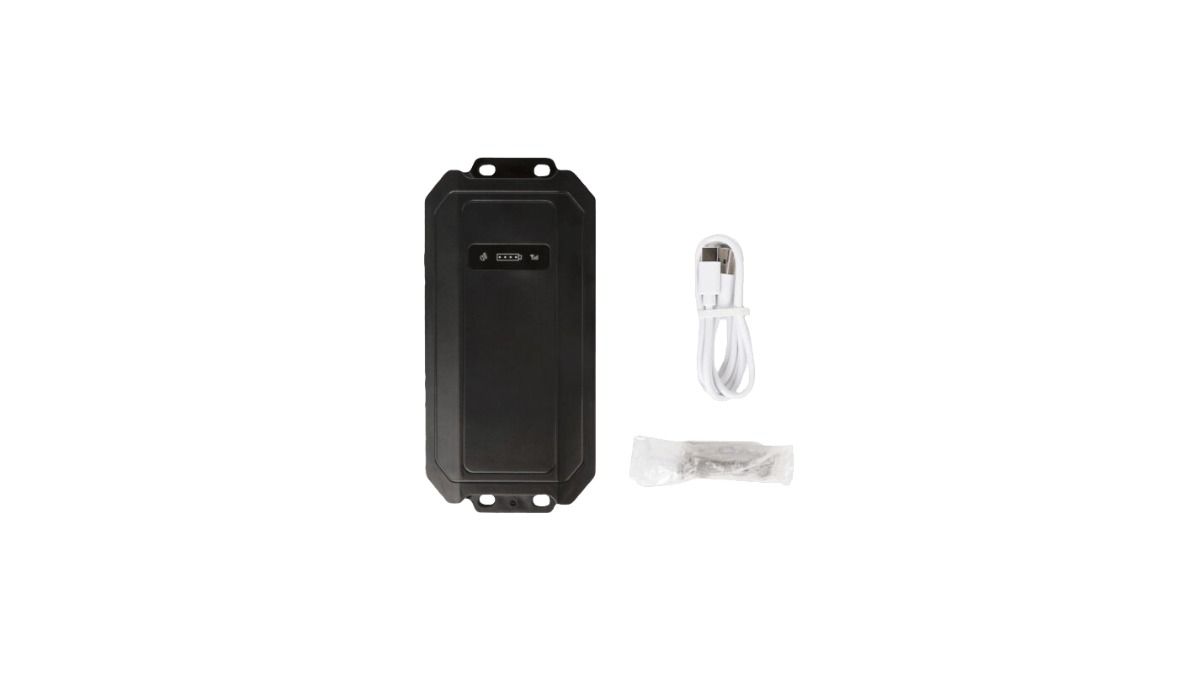
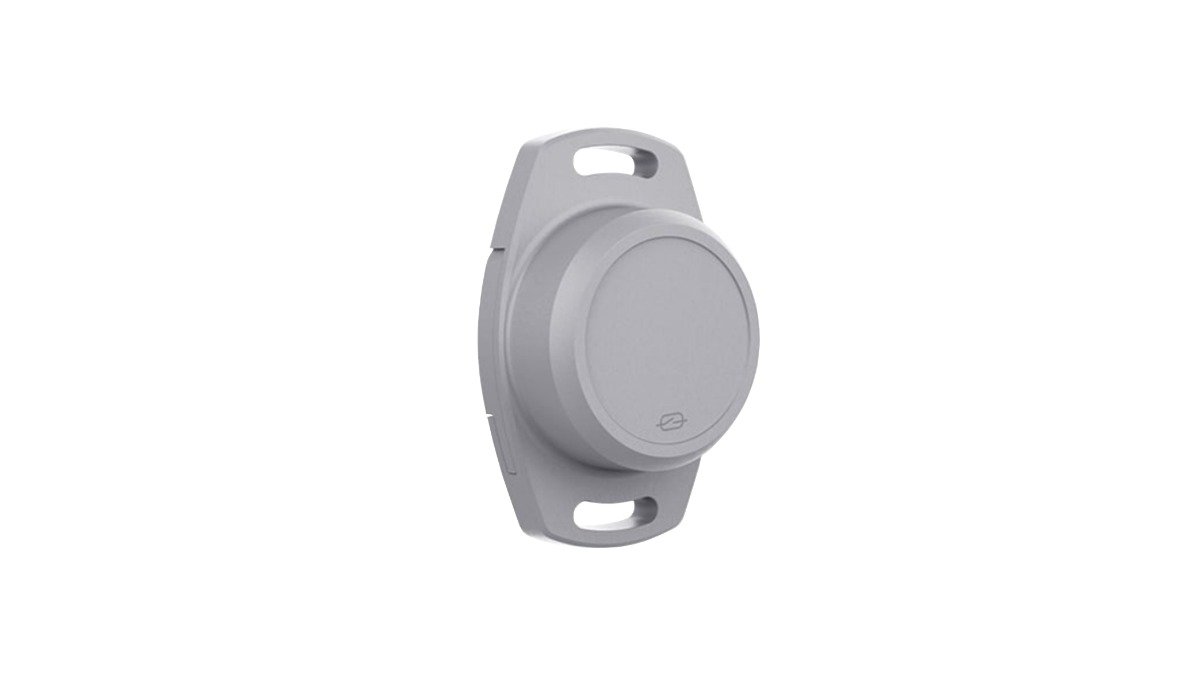
- 🔋 Disposable, battery-powered GPS trackers with integrated temperature, humidity, and shock sensors for sensitive, short-range shipments
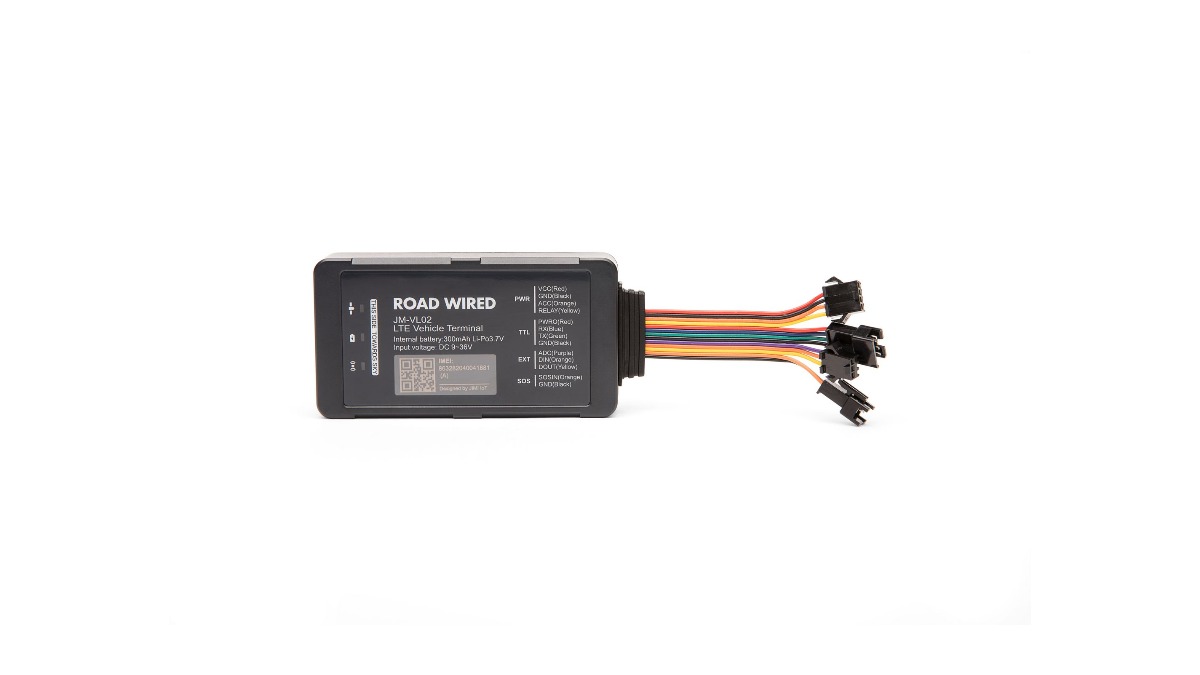
- 🔄 Durable, long-battery, or wired GPS trackers with integrated temperature, humidity, and shock sensors for long-range, continuous monitoring
- 🗺️ Customizable geofencing and instant alerts for asset protection
- 📡 Short-range Bluetooth Low Energy (BLE) tracking options for localized asset management
- 🤖📈 AI-driven insights to analyze your tracking data, identify trends, and improve operational efficiency.
Why It’s a Top Choice:
GPX provides versatile tracking solutions, from short-term disposable trackers to long-term durable devices, ensuring complete visibility. Our focus on seamless integration and proactive alerts empowers businesses to make informed decisions, optimize logistics, and enhance customer satisfaction.
2. Project44
Project44 is widely recognized as one of the leaders in supply chain visibility. Their platform offers end-to-end visibility across transportation networks, from inbound shipments to outbound deliveries. With real-time tracking and predictive analytics, Project44 helps companies improve delivery accuracy, reduce costs, and enhance customer service. (Learn more at Project44’s Visibility Platform page or see their recent recognition in G2’s Spring 2025 Report.)
3. SAP Integrated Business Planning (IBP)
SAP Integrated Business Planning (IBP) is a robust software suite that offers powerful supply chain visibility features. It combines forecasting, demand planning, and supply chain optimization into one platform, allowing businesses to gain insights into the end-to-end supply chain process. (Explore features on the official SAP IBP page.)
4. Oracle Supply Chain Management (SCM)
Oracle’s Supply Chain Management suite offers a comprehensive set of tools that help businesses monitor and optimize every step of their supply chain. The platform combines data from multiple sources to offer real-time insights into inventory, production, procurement, and logistics. (Discover more about Oracle AI for SCM and their latest trade management updates.)
5. Llamasoft (a Coupa Company)
Llamasoft, now part of Coupa Software, is a leader in AI-powered supply chain analytics and visibility solutions. Its platform provides organizations with actionable insights that help optimize their supply chains and improve decision-making. (Learn about Coupa Supply Chain Solutions powered by LLamasoft.)
6. Transporeon
Transporeon is a cloud-based logistics platform that offers powerful supply chain visibility and management capabilities. It provides a range of services, from freight procurement and carrier management to real-time shipment tracking and performance analytics. (Visit Transporeon’s website or read their 2025 Transportation Pulse Report.)
7. BlueYonder
BlueYonder (formerly JDA Software) is an advanced supply chain management solution that offers comprehensive supply chain visibility and optimization tools. With its focus on machine learning and AI, BlueYonder helps businesses predict demand, optimize inventory, and manage the entire supply chain process with real-time insights. (Explore BlueYonder’s SCM solutions and their recognition as a leader in Gartner’s 2025 reports.)
Why Supply Chain Visibility Software is Essential in 2026
As businesses like yours face increasing pressure to streamline operations, reduce costs, and meet customer expectations, Supply Chain Visibility Software solutions are more critical than ever. The software solutions listed above represent the cutting edge of supply chain visibility, offering real-time data, predictive analytics, and powerful optimization tools. Companies like yours can improve efficiency, reduce risks, and ensure that your supply chains run smoothly by researching and adopting these platforms.
Whether you run a small business or a large enterprise, the right supply chain visibility software can help make all the difference in maintaining your competitive edge. In an era where agility and data-driven decisions are key to success, these solutions are more than just nice-to-haves—they’re essential tools for modern supply chain management and beyond.
Frequently Asked Questions About Supply Chain Visibility Software
What is the ROI of implementing Supply Chain Visibility Software for 2026?
The return on investment from Supply Chain Visibility Software is often seen within the first 12 months. Companies typically recover value through lower operating costs, fewer disruptions, and reduced risk exposure. Real time transportation visibility is strongly linked to lower demurrage and detention fees, with many organizations reporting reductions of 20 to 30 percent as waiting times and container delays decline. Businesses also improve ROI by carrying less safety stock and by reducing exposure to cargo theft, which continues to cost global supply chains more than $30 billion annually.
How is AI changing Supply Chain Visibility Software?
AI is moving beyond basic data analysis and becoming an active decision engine inside supply chain platforms. In 2026, AI does not just flag potential delays. It recommends actions and, in some cases, automatically reroutes shipments to avoid weather events, port congestion, or capacity issues. This shift allows supply chains to absorb disruptions instead of simply reacting to them. AI also enables conversational analytics, making it possible for teams to ask plain language questions like where a critical shipment is and get instant, accurate answers.
Can Supply Chain Visibility Software track Scope 3 carbon emissions?
Yes. Many leading Supply Chain Visibility platforms now treat sustainability as a core capability, not an add on. By combining GPS data with carrier performance and route analytics, modern systems can calculate the carbon footprint of each shipment in near real time. This is especially important for Scope 3 emissions, which cover indirect emissions across the value chain and are becoming a compliance requirement for many organizations. This visibility helps companies optimize routes for both efficiency and environmental impact.
How does GPS data prevent cargo theft and asset loss?
GPS based visibility provides active protection rather than passive location reporting. Advanced tracking devices generate real time alerts if a container is opened outside an approved geofence or if a vehicle deviates from its planned route. This level of monitoring is crucial for high value shipments and mobile assets. According to global cargo crime data, theft continues to rise, making live tracking and condition monitoring essential for reducing blind spots where losses typically occur.
Will this software integrate with my existing ERP or TMS?
Yes. Most enterprise grade Supply Chain Visibility Software is built to work with existing systems rather than replace them. These platforms act as an intelligence layer on top of tools like SAP, Oracle, or Microsoft Dynamics. Using APIs and EDI connections, they pull operational data from your ERP or TMS and push real time tracking updates back in. This creates a single, reliable view of the supply chain without forcing major changes to your current technology stack.
What is the difference between a Control Tower and Supply Chain Visibility Software?
The two terms are closely related but not identical. Supply Chain Visibility Software typically refers to the technology that collects raw data such as GPS signals, shipment status updates, and sensor readings. A Supply Chain Control Tower is the centralized interface that brings this data together and presents it across the full network, often alongside inventory and financial data. In 2026, many organizations are moving toward cognitive control towers that use AI to recommend actions and coordinate decisions, not just display information.
How does real time visibility improve Customer Satisfaction (CSAT)?
Real time visibility reduces customer frustration around order status, often referred to as Where Is My Order inquiries. Instead of relying on static delivery windows, businesses can provide accurate and predictive ETAs. This allows teams to notify customers about potential delays before they happen. Clear and proactive communication builds trust, supports self service tracking, and reduces inbound calls to customer support, which ultimately leads to higher customer satisfaction and stronger Net Promoter Scores.