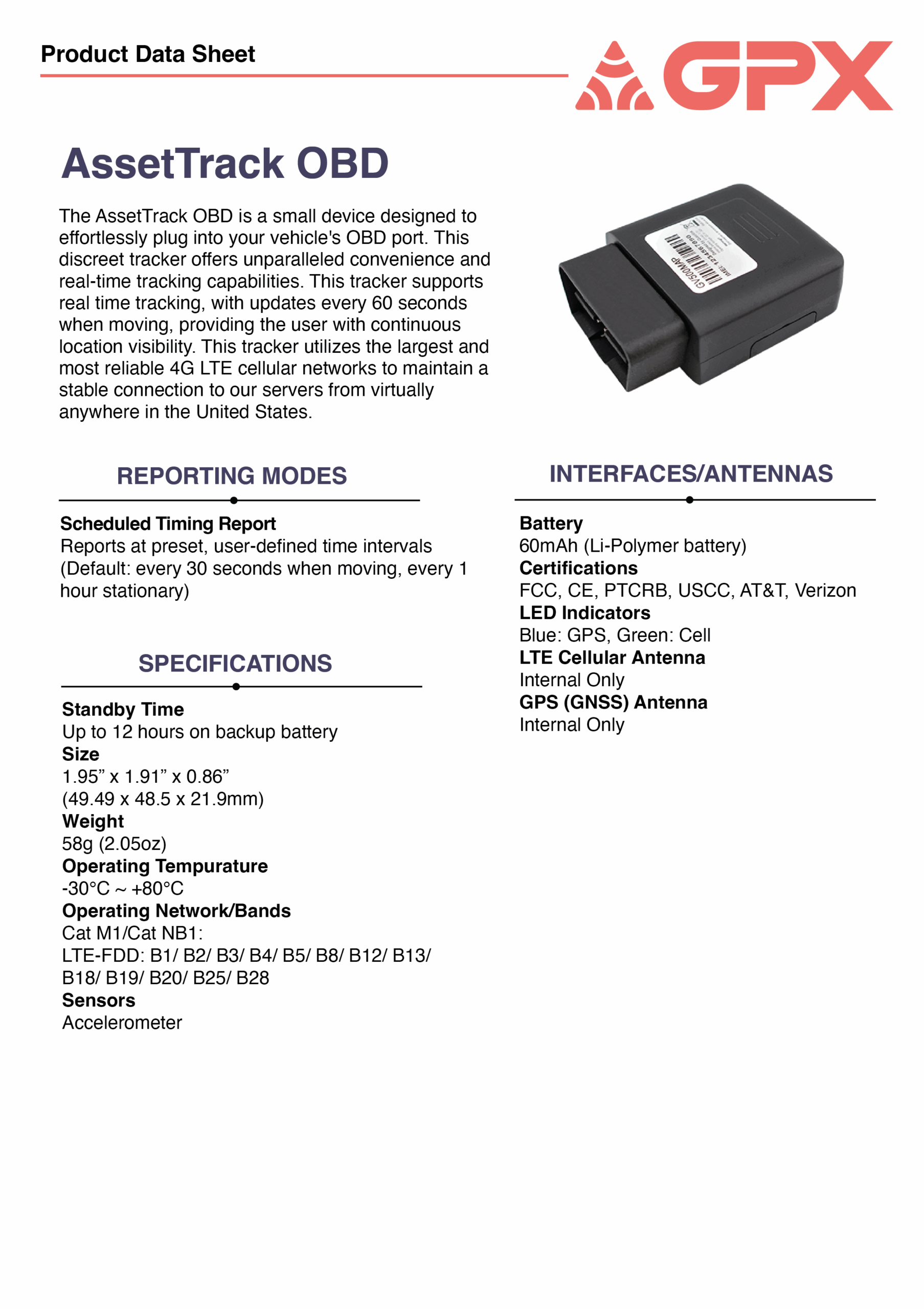
AssetTrack OBD: the plug-and-play GPS tracker that puts a vehicle on the map in under a minute. No tools. No installer. No downtime.
The zero-install vehicle tracker. AssetTrack OBD plugs straight into the OBD-II port every car and light truck already has, draws power from the vehicle, and reports a fresh location every 30 seconds on the move, hourly when parked. Fleet vehicles, dealer and BHPH lots, service vans: plugged in at the lot, live before you're out of the seat.
Vehicle power means always-on, real-time tracking with nothing to charge — and if the device is unplugged, a backup battery keeps it reporting for up to 12 hours. Scout AI geofences every site in seconds, so entry and exit alerts fire the moment a vehicle crosses the line. When the vehicle turns over, unplug it and plug it into the next one.
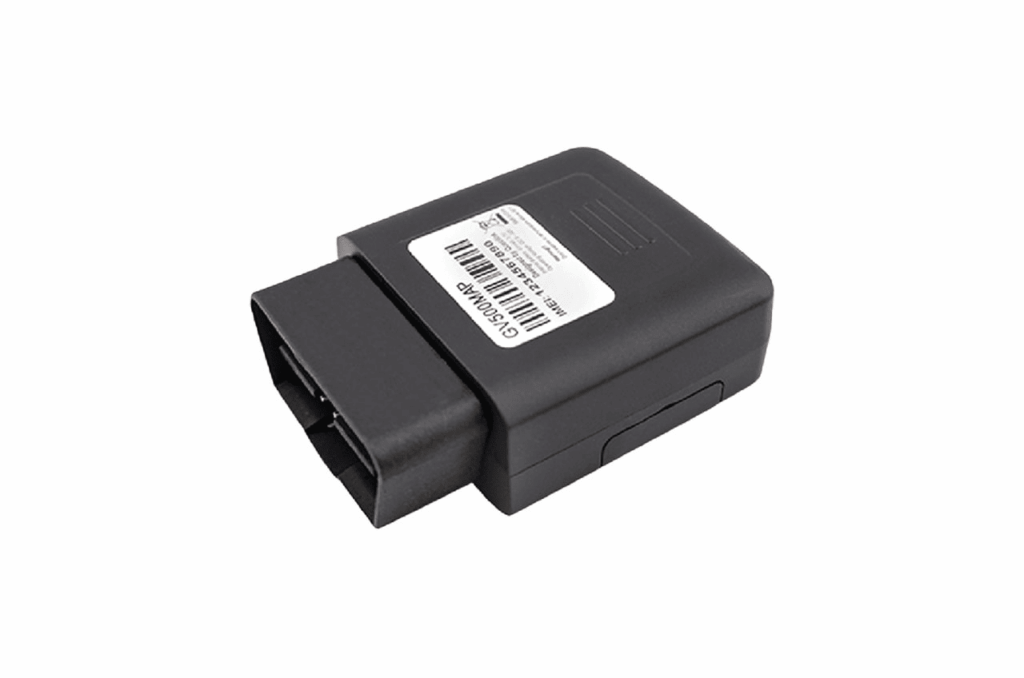
The whole install, in real time.
No harness, no wiring diagram, no installer appointment. AssetTrack OBD reports over 4G LTE (Cat-M1 / NB-IoT) the moment it's seated in the port — and Scout AI geofences the lot in seconds, so alerts are armed from day one. Here's the install, with the clock running.
Glovebox to live map, in under a minute
Find · Plug · TrackPlug it in. That's the whole job.
Install in under a minute
Find the OBD-II port, push until it seats, done. No tools, no wiring, no installer appointment, no vehicle downtime — anyone on the team can deploy it.
Real-time tracking
A fresh location every 30 seconds while moving and an hourly heartbeat while parked — with reporting intervals you can tune to how your fleet actually runs.
Powered by the vehicle
Draws power straight from the OBD-II port for continuous, set-and-forget operation. Nothing to charge, swap, or think about — ever.
Unplugged isn't invisible
If the device is pulled from the port, the internal backup battery keeps it reporting for up to 12 hours — long enough to see where the vehicle went next.
Geofence alerts in seconds
Scout AI geofences every site in seconds. Customizable alerts fire the moment a vehicle enters or exits a lot, yard, or territory — including after hours.
Redeploys as fast as it installs
Vehicle sold, lease returned, route changed? Unplug it and plug it into the next vehicle — the tracker moves with your fleet, not with one VIN.
Reliable 4G LTE connectivity
Reports over 4G LTE (Cat-M1 / NB-IoT) with internal cellular and GNSS antennas — a stable connection virtually anywhere in the continental US.
Small enough to forget
Under two inches square, 58 grams, tucked below the dash — with an accelerometer that detects motion the moment the vehicle starts to move.
AssetTrack OBD, by the numbers.
| Device size | 1.95 × 1.91 × 0.86 in (49.49 × 48.5 × 21.9 mm) |
|---|---|
| Weight | 2.05 oz (58 g) |
| Installation | Plug-and-play into the vehicle’s OBD-II port · no tools · under a minute |
| Power | Vehicle-powered via the OBD-II port — continuous operation, nothing to charge |
| Backup battery | 60 mAh Li-Polymer — keeps reporting for up to 12 hours if the device is unplugged |
| Reporting | Every 30 seconds moving, hourly stationary (default) · user-defined intervals · geofence enter/exit alerts |
| Connectivity | 4G LTE Cat-M1 (eMTC) & Cat-NB1 (NB-IoT) |
| LTE bands | LTE-FDD: B1/B2/B3/B4/B5/B8/B12/B13/B18/B19/B20/B25/B28 |
| Coverage | Continental United States |
| Operating temperature | −22 °F to 176 °F (−30 °C to +80 °C) |
| Antennas & indicators | Internal cellular and GNSS antennas — nothing to route · GPS (blue) and cell (green) LEDs |
| Sensors | Accelerometer (motion detection) |
| Certifications | FCC, CE, PTCRB, USCC, AT&T, Verizon |
| Designed for | Fleet vehicles, car dealerships & BHPH, rental and loaner cars, service vans |
Download the AssetTrack OBD spec sheet
Full specifications, LTE band details, and reporting modes — in one sheet for your ops and compliance teams.
Download spec sheet →Perfect when speed of deployment matters. For everything else, we've got you.
AssetTrack OBD is built for vehicles with an OBD-II port where you want tracking live today — fleets, dealer lots, rentals, service vans. If the install needs to be hidden, the asset has no port, or it isn't a vehicle at all, a sibling device fits better; they all report into the same GPX platform.
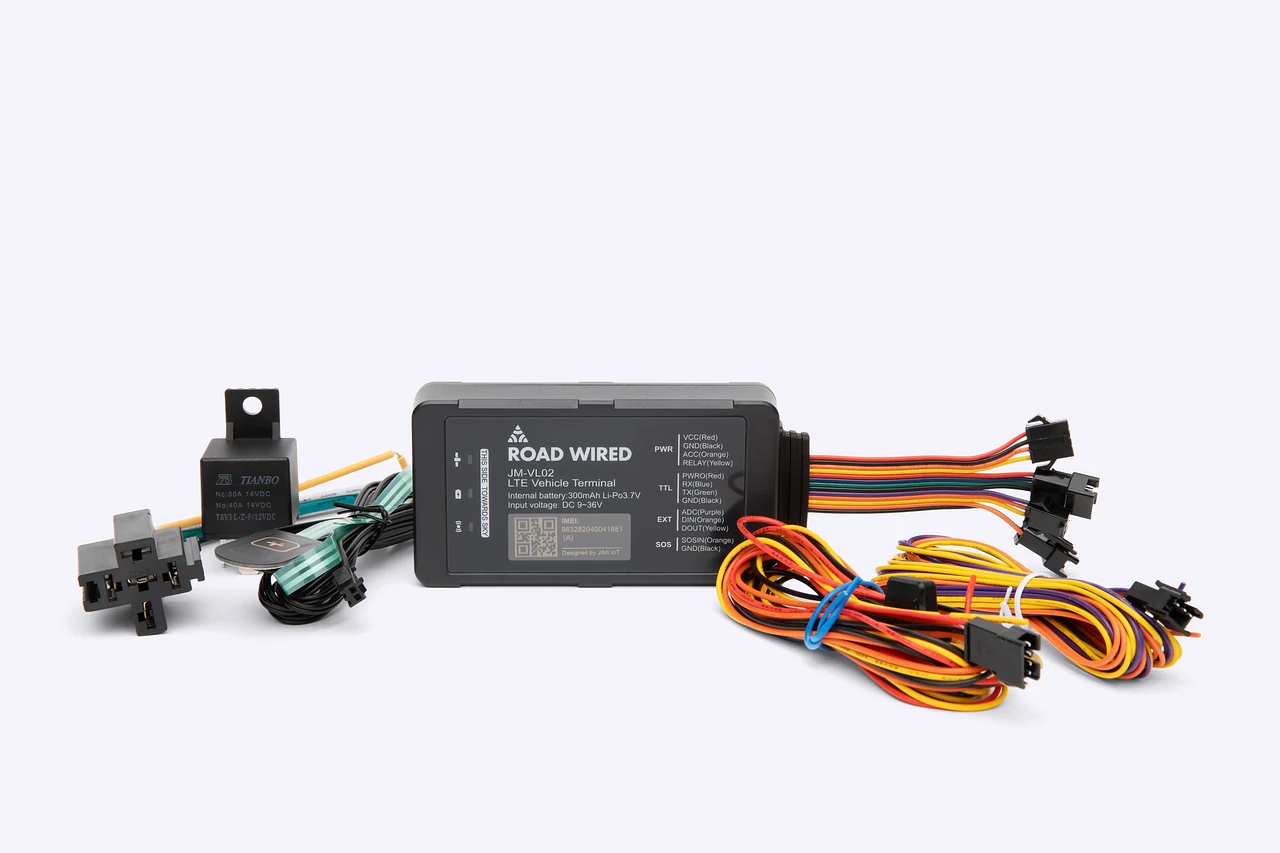
RoadTrack Wired
For a covert, permanent install: a 2-wire hardwired tracker that tucks out of sight, reads ignition state, and can't be spotted and unplugged from the OBD port.
RoadTrack Wired details →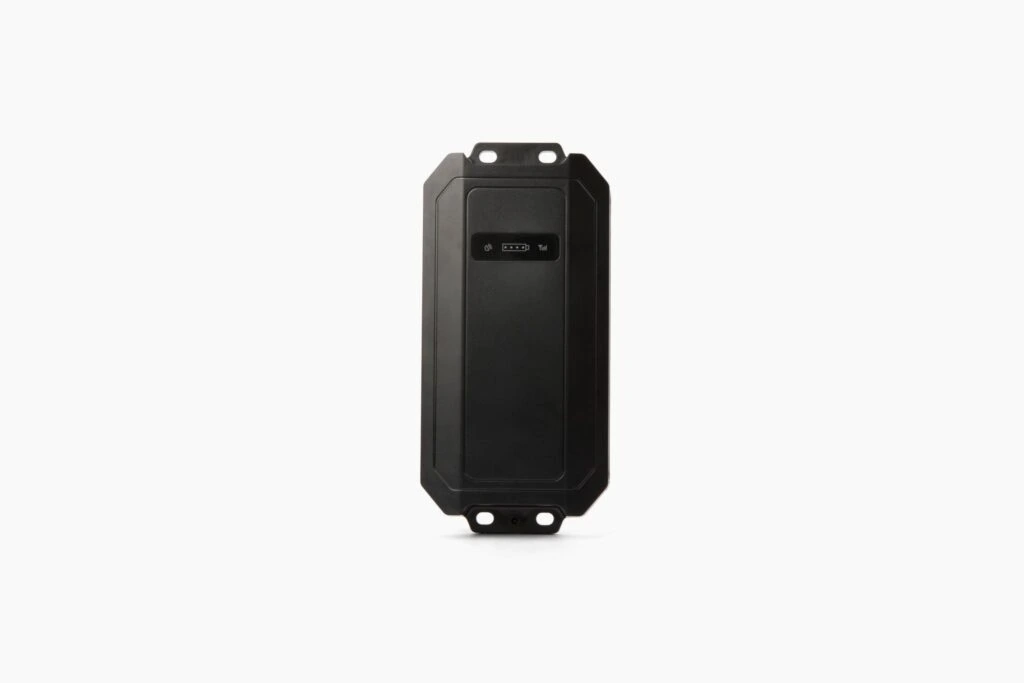
AssetTrack
For unpowered trailers, containers, and equipment: install it once and it performs for up to a decade on battery — magnetic case, no port required.
AssetTrack details →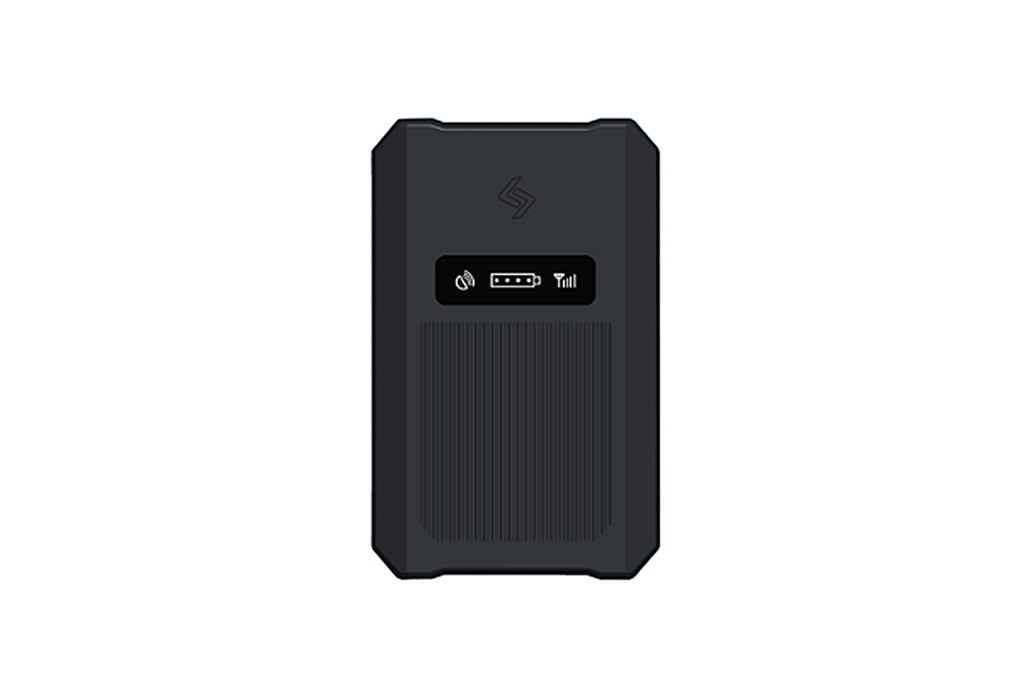
AssetTrack Voyager
For freight that travels without your fleet: a rechargeable tracker that rides with the load — up to 7 months per charge, one-way or round trip.
AssetTrack Voyager details →The plug-and-play tracker, answered.
How do I install the device?
Locate your vehicle's OBD-II port — usually under the dashboard on the driver's side, near the steering wheel — and plug the tracker in firmly until it seats. No tools are required, and the whole install takes under a minute. A blue LED confirms GPS and a green LED confirms the cellular connection.
How frequently does the device report?
By default, the AssetTrack OBD reports every 30 seconds when the vehicle is moving and every hour when it's stationary. Reporting intervals are user-defined, so you can tune the cadence to your operation — and customizable geofence alerts fire the moment a vehicle enters or exits a specified area.
How long does the battery last?
There's no battery to manage in normal use — the AssetTrack OBD draws continuous power from the vehicle's OBD-II port. The internal 60 mAh battery is a backup: if the device is unplugged or vehicle power is cut, it keeps the tracker reporting for up to 12 hours depending on tracking frequency and signal conditions. It's designed for temporary use, not long-term independent operation.
What happens if someone unplugs it?
The tracker switches to its internal backup battery and keeps reporting its location for up to 12 hours — long enough to see where the vehicle went next. Combined with instant geofence alerts and the live 30-second trail, that's typically more than enough: GPX recoveries typically take less than 8 hours.
What network does the device utilize?
The AssetTrack OBD uses 4G LTE Cat-M1 and NB-IoT — the low-power LTE standards built for connected devices — with internal cellular and GNSS antennas. That means a stable connection to the GPX platform virtually anywhere in the continental United States.
Will this device work internationally?
The AssetTrack OBD is designed for use in the continental United States. If your assets travel internationally, talk to us about the right device for the route.
Will this device work indoors?
For accurate tracking, the AssetTrack OBD needs an open sky view for GPS and a cellular network connection. Underground parking or heavily covered structures may weaken the signal and affect location reporting — vehicles on the road, in lots, and in the yard report reliably.
Is the battery on this device replaceable?
The internal backup battery is not user-replaceable, and replacement batteries aren't sold separately. Because the device runs on vehicle power, the backup battery sees very light use — but if its performance significantly degrades over time, we recommend replacing the tracker unit.
Plug it in. On the map in under a minute.
Tell us what you need to see — we'll size the deployment and have trackers in vehicles within days.