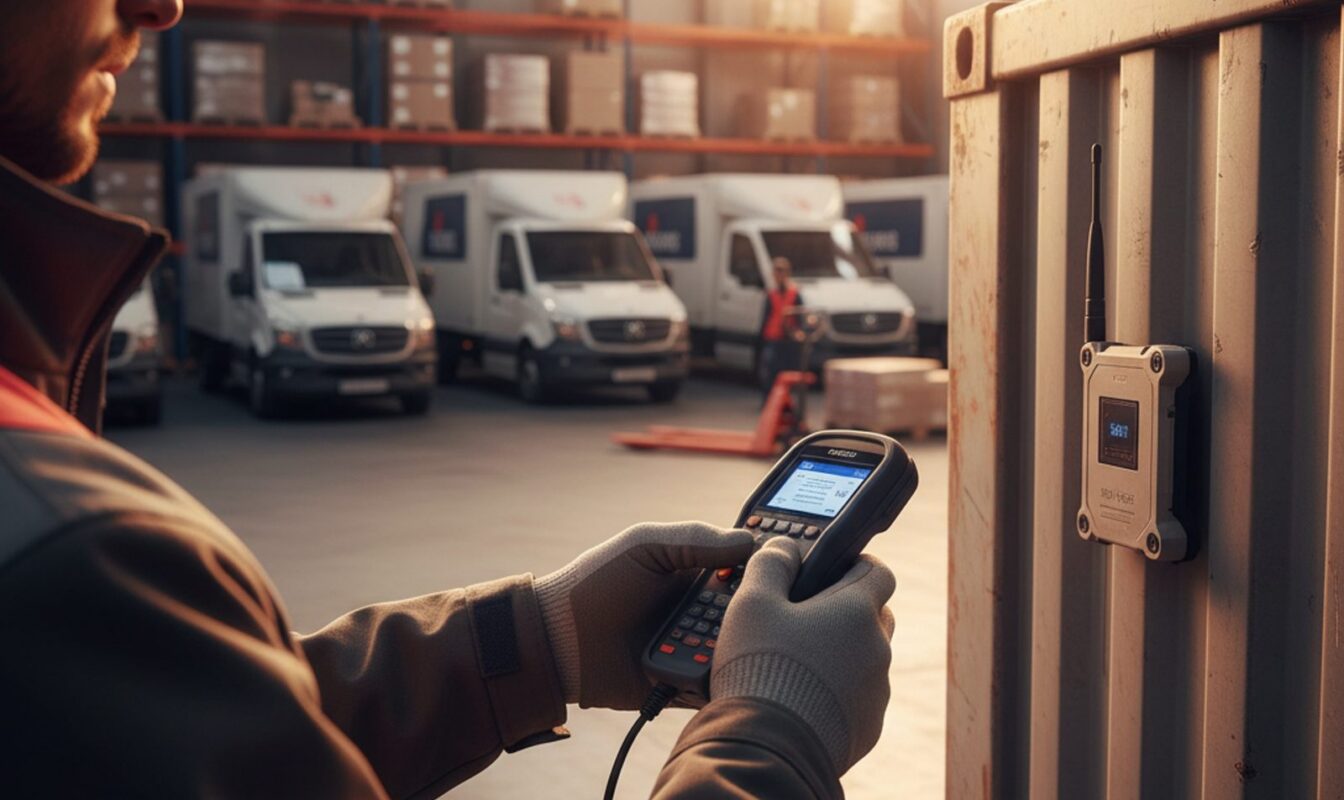
AI Asset Intelligence Platform: Beyond Fleet Management to Predictive Supply Chain Control


Running a fleet and supply chain on schedule and on budget is hard. Operations leaders fight rising fuel costs, driver shortages, and constant theft and delays. Customers expect perfect visibility, yet many teams still run legacy systems that show little more than dots on a map. That reactive approach costs money and strains customer relationships. Supply chain disruptions are expensive. Companies lose roughly 45 percent of one year’s profits over a decade, according to McKinsey.
Assets in transit face real security risk. High-value cargo is a prime target, and losses keep climbing. Cargo theft across the U.S. and Canada surged 57 percent in 2023, according to CargoNet. A basic tracking tool no longer cuts it. Operations teams need a platform that tracks, predicts, protects, and prescribes the next move.
| Platform | Primary Focus | AI Capabilities | Hardware Range | Best For |
|---|---|---|---|---|
| GPX Intelligence | Predictive Asset Intelligence & IoT Supply Chain Visibility | Predictive ETAs, exception management, prescriptive insights (Scout AI) | Multi-sensor hardware (GPS, BLE, Cellular, Satellite), Smart Labels | Enterprises needing to track and manage high-value assets and in-transit shipments. |
| Samsara | Vehicle Telematics & Driver Safety | AI-powered video analysis for driver behavior and accident reconstruction | Vehicle gateways (OBD-II), dash cams, asset gateways | Large fleets prioritizing vehicle diagnostics, driver safety, and ELD compliance. |
| Motive | Fleet Management & Compliance | AI-driven safety event detection and fuel efficiency reporting | Vehicle gateways, dash cams, asset trackers, spend management card | Trucking companies focused on compliance, driver workflows, and spend management. |
| FourKites | Real-Time Transportation Visibility | Machine learning for dynamic ETAs based on carrier network data | Primarily software; integrates with carrier ELDs and telematics | Global shippers needing multimodal visibility across a large carrier network. |
| project44 | Real-Time Transportation Visibility | AI-powered data cleansing and predictive ETAs across all modes | Software platform integrating with carrier and logistics provider data | Enterprises seeking end-to-end visibility, especially for ocean, air, and last-mile. |
What Defines a Modern Fleet Management Platform?
A fleet management platform used to mean vehicle telematics. It tracked trucks and vans, watched driver behavior, managed fuel, and scheduled maintenance. Those systems gave you control over the vehicle. The modern supply chain is bigger than the vehicles moving through it.
Fleet management now covers the full range of assets that run a business. That includes trailers, containers, heavy equipment, returnable pallets, and the cargo itself. The best solutions have grown into a supply chain visibility and collaboration platform. They give you one source of truth for every asset, whether it sits in a warehouse, on the road, in a yard, or at a customer site.
The Role of AI in Predictive Logistics: From Reactive Tracking to Proactive Control
Traditional tracking systems are reactive. They show where an asset is right now. They cannot tell you where it will be, whether it will arrive late, or what risks it faces on the way. An AI supply chain platform flips that. It moves you from historical reporting to forward-looking prediction.
An artificial intelligence supply chain platform ingests millions of data points from multi-sensor devices: location, temperature, humidity, shock, and light exposure. It layers in traffic, weather, and port congestion. Machine learning turns that into accurate predictive ETAs, flags shipments at risk of delay, and surfaces anomalies that need a human. That is the jump from dots on a map to a real supply chain control tower.
Siloed Data Across Carriers and 3PLs Blocks Visibility
An advanced asset tracking platform has to solve the costliest problems in logistics and operations. Data alone is not the answer. The platform has to deliver solutions.
- Lack of End-to-End Visibility: Fragmented data sits siloed across carriers, 3PLs, and internal systems. A unified platform breaks the silos and shows one view from origin to final destination.
- Reactive Exception Management: Learning about a delay or a damaged shipment after the fact forces teams into constant firefighting. A modern platform flags issues before they disrupt the supply chain.
- Asset Underutilization and Loss: Non-powered assets like trailers, intermodal containers, and specialized equipment sit idle or go missing. That wastes capital and stalls operations. Continuous, accurate tracking maximizes utilization and prevents loss.
- Security and Theft Prevention: With cargo theft rising, location alone falls short. A strong platform adds unauthorized-movement alerts, geofence breach notifications, and covert trackers to protect high-value goods.
- Reverse Logistics and Asset Recovery: Returnable containers, pallets, and reusable equipment disappear across every leg of the return trip. Untracked reusable assets force costly replacement buys and stall the circular flow of inventory. Continuous location and custody tracking recovers those assets and keeps them in rotation.
- Rising Insurance and Risk Costs: Cargo loss and theft push premiums higher every renewal cycle. Documented monitoring, geofence alerts, and recovery evidence give risk managers the case they need to negotiate better coverage terms.
- Sustainability and ESG Reporting: Executives now answer to boards and regulators on carbon output and asset efficiency. Route optimization, reduced idle time, and fewer replacement purchases cut emissions and feed hard numbers into ESG disclosures.
Comparing the Top Fleet & Supply Chain Visibility Platforms
The market runs from vehicle telematics and driver compliance to multi-enterprise supply chain visibility. The right pick depends on your primary business goal. Here is a closer look at the leading contenders.
1. GPX Intelligence
GPX Intelligence focuses on AI-powered asset intelligence across the full supply chain, not just fleet management. The platform delivers predictive and prescriptive insights for high-value assets and critical shipments across more than 50 industries. It fuses data from a multi-sensor hardware lineup and gives operations teams the clarity to cut costs, tighten security, and run leaner.
Strengths of GPX Intelligence:
- Scout AI™: The platform’s core AI engine produces accurate predictive ETAs, automates exception monitoring, and recommends fixes before problems escalate.
- Multi-Sensor Hardware: GPX ships ruggedized hardware across GPS, Cellular (4G/5G, LTE-M), BLE, and Satellite, plus sensors for temperature, humidity, shock, and light. You capture the right data for any asset or environment.
- Smart Labels: Disposable, peel-and-stick labels track individual shipments and packages at low cost. Items that were once untraceable now show up on the map.
- Asset-First Focus: GPX tracks a wide range of assets from the ground up, from trailers and containers to construction equipment and medical devices, not just vehicles.
- End-to-End Visibility: A true control-tower view pulls owned assets, partner fleets, and in-transit shipments into one unified dashboard.
2. Logistimatics
A sibling brand to GPX, Logistimatics delivers simple, affordable GPS tracking for consumers and small-to-medium businesses. Its battery-powered and plug-in devices deploy fast and run through a web or mobile app.
- Best for: Small businesses, private investigators, or individuals who need cost-effective, real-time tracking for a handful of vehicles or assets.
- Pricing: Low-cost hardware purchase plus an affordable monthly subscription.
- Advantages: Fast to set up, budget-friendly, and available in a variety of compact trackers for different jobs.
- Disadvantages: It lacks the enterprise-grade features, AI analytics, sensor integrations, and scale that complex commercial fleets and supply chains demand.
3. Samsara
Samsara is a major player in connected operations. It combines vehicle telematics, video safety, equipment monitoring, and site security. A clean interface and deep hardware lineup make it popular with large, vehicle-heavy fleets.
- Best for: Large-scale fleets that need an all-in-one solution for vehicle tracking, driver safety coaching, and compliance.
- Pricing: Tiered subscription plans, priced per vehicle/asset per month.
- Advantages: Excellent AI-powered video safety features, a broad hardware suite, and strong tools for driver workflows and vehicle maintenance.
- Disadvantages: The platform is built around vehicles. It offers asset trackers, but its core architecture and AI target fleet vehicles, not the broader supply chain or non-powered assets.
4. Motive
Motive, formerly KeepTruckin, built its name on best-in-class ELD compliance. It has grown into a full-service fleet management platform with tracking, safety, compliance, and spend management in one suite.
- Best for: Trucking companies of all sizes, especially those focused on simplifying compliance, improving driver safety, and controlling costs like fuel.
- Pricing: Typically sold in tiered monthly subscription packages.
- Advantages: Strong, reliable ELD solution, an integrated corporate card for spend management, and a highly rated driver mobile app.
- Disadvantages: Its focus stays on trucking and driver operations. It offers less depth for non-powered assets or complex multi-modal supply chains than specialized visibility providers.
5. FourKites
FourKites is a pure-play real-time transportation visibility platform (RTTVP) for large enterprises. It does not sell hardware. It aggregates data from a massive network of carrier telematics devices, ocean liner schedules, and air freight systems into one view of shipments in transit.
- Best for: Global enterprises that track shipments across a vast network of third-party carriers and multiple transport modes.
- Pricing: Enterprise-level pricing based on shipment volume or platform usage.
- Advantages: One of the largest integrated carrier networks, strong yard and appointment management, and deep visibility into multimodal shipments.
- Disadvantages: It relies on third-party data, so visibility quality varies by carrier. It tracks shipments rather than managing your own physical assets with dedicated hardware.
6. project44
Like FourKites, project44 connects shippers, carriers, and logistics providers. It uses data science to deliver ETAs and insights across every transport mode, with real strength in global and last-mile logistics.
- Best for: Shippers with complex global supply chains who need deep visibility into ocean freight, air cargo, and final-mile delivery.
- Pricing: Enterprise-level SaaS agreements.
- Advantages: Extensive global data network, strong data normalization, and advanced analytics for over-the-road, ocean, and last-mile movements.
- Disadvantages: It is a software and data-integration platform, not a hardware provider for asset tracking. Its complexity often demands serious IT resources to implement and run.
The Right Platform Depends on What You Actually Track
The best platform comes down to your core operational challenges, not marketing claims. A tool built for a long-haul trucking company can fail a business managing returnable containers or high-value industrial equipment. Ask these questions:
- What are you tracking? Company vehicles and drivers (telematics-focused), or non-powered assets, cargo, and equipment (asset intelligence-focused)?
- What problem are you solving? Enforcing ELD compliance and cutting speeding, or preventing theft, reducing asset dwell time, and giving customers accurate ETAs?
- Do you need data or answers? A dot on a map, or AI that predicts delays, spots risks, and recommends the fix?
- How important is hardware flexibility? One device type, or a range with cellular and satellite options and environmental sensors (temperature, shock) to match diverse assets?
- What integration do you need? Does the platform have to connect with your existing Transportation Management System (TMS), ERP, or Warehouse Management System (WMS) to build one source of truth?
Answer these questions and you move past a generic “fleet management platform” search to a true intelligence partner that delivers real returns and a clear competitive edge.
Ready to see what an AI-powered asset intelligence platform does for your operations? Explore the GPX platform and talk to our team to put your data to work on your decisions.
Frequently Asked Questions (FAQs)
How does AI asset tracking differ from traditional GPS?
Traditional GPS shows the past or present location of an asset. AI asset tracking uses machine learning to read location data, sensor inputs, and outside variables, then predict what happens next. It forecasts arrival times, flags risks like theft or spoilage, and recommends action so you avoid disruptions.
What is Scout AI and how does it help operations teams?
Scout AI is the proprietary AI engine inside the GPX platform. It works as an automated analyst, monitoring every tracked asset around the clock. It spots potential delays, security risks, and other exceptions, then alerts the right people with specific, actionable recommendations. Your team shifts from reactive problem-solving to proactive management.
How can an asset intelligence platform help with ESG and sustainability goals?
An asset intelligence platform turns location and sensor data into efficiency gains that lower your carbon footprint. Optimized routing and reduced idle time cut fuel burn, while recovering returnable containers and lost equipment means fewer replacement purchases and less waste. Scout AI reports on utilization and dwell time, giving your team hard numbers for ESG and sustainability disclosures.
How secure is GPX’s data and platform?
GPX runs on enterprise-grade cloud infrastructure with end-to-end encryption, both in transit and at rest. We follow industry best practices for access control and network security, and we run regular third-party audits. Your operational data stays confidential and protected from unauthorized access.
Does GPX integrate with existing ERP, EAM, or telematics systems?
Yes. GPX provides APIs and pre-built connectors that feed enriched, AI-driven data straight into your existing enterprise systems, including ERPs, Transportation Management Systems (TMS), and Enterprise Asset Management (EAM) software. You add predictive intelligence to your current platforms without replacing them.