
Cargo theft reached a record high in 2024, with Verisk CargoNet logging more than 3,600 incidents across the U.S. and Canada at an average loss of $200,000 per event. Construction equipment theft adds another $300 million to $1 billion in losses to the U.S. industry every year. Most of those stolen assets share one trait: they are non-powered trailers, containers, and machines that a vehicle-centric tracking system never sees.
Managing a fleet means more than watching trucks on the road. The trailers they pull, the containers they carry, and the equipment they deliver matter just as much. Yet many operations track a powered truck and an unpowered container the exact same way. That mistake drives up costs and opens blind spots. Your unpowered assets have different needs than your powered fleet.
Pay for a full telematics suite on a trailer that sits idle for weeks, and you burn money on data you cannot use. The smarter move is matching the tool to the asset. This guide breaks down vehicle telematics versus asset tracking, then compares the platforms built for each.
| Platform | Network | Best For | Starting Price | Key Strength |
|---|---|---|---|---|
| GPX | Multi-network (Cellular, BLE, GPS, Satellite) | Non-powered & mixed-asset fleets | $45/year | AI-powered predictive intelligence |
| Samsara | Cellular, Bluetooth, GPS | Large fleets needing a unified platform | $12/month | Comprehensive vehicle & asset management |
| Geotab | Cellular, GPS, Satellite | Data-driven fleets needing deep customization | ~$35/month | Open API & extensive partner marketplace |
| CalAmp | Cellular, Satellite | Enterprise fleets needing scalable solutions | – | In-depth data analysis & device management |
| Trak-4 GPS | Cellular (4G) | Cost-sensitive buyers needing basic tracking | $6.99/month | Ultra-low cost & no contracts |
| Smartrak | Cellular, GPS | Assets needing ultra-rugged hardware | – | Long battery life & adaptive tracking |
Where Trailers and Containers Fall Off the Map
Powered vehicles carry their own power source and usually a driver. Non-powered assets like trailers, containers, and heavy equipment do not. Apply vehicle telematics to them, and you miss the problems they actually create for operations managers.
- Operational Blind Spots: Drop a trailer in a yard or park a container at a port, and it falls off a vehicle-centric system. That blind spot means slow yard searches, wasted driver hours, and shaky ETAs for your customers.
- Theft & Loss: Non-powered assets are prime theft targets. Without a long-life battery tracker, recovery gets hard. The National Insurance Crime Bureau tracks construction and cargo theft, and a dedicated tracker improves your odds of getting equipment back.
- Asset Underutilization: How many trailers or containers sit idle right now? Without utilization data, you cannot know. That gap drives hoarding, extra rental costs, and a bloated asset pool that ties up capital.
- Detention & Demurrage Fees: Trailers and containers left too long at ports or customer sites rack up detention and demurrage charges. Precise location and dwell-time data lets you move assets before the meter runs.
- Driver Frustration & Turnover: Every hour a driver spends hunting for a misplaced trailer adds to the cost of an already tight labor market. Knowing exactly where each asset sits keeps drivers moving and eases turnover pressure.
- Billing & Service Disputes: Location history serves as proof of service for drop-offs, pickups, and time on site. That record settles billing disputes for rental companies and logistics providers without back-and-forth.
- Inefficient Inventory Management: Manual yard checks are slow, error-prone, and capture one moment in time. Finding a specific asset for its next job gets harder, and dispatch slows down.
- Maintenance & Compliance Gaps: Even non-powered assets wear out, from tires to structural integrity. Without location and usage data, proactive maintenance turns into guesswork, and downtime follows.
What Is Vehicle Telematics? (And Why It’s for Powered Fleets)
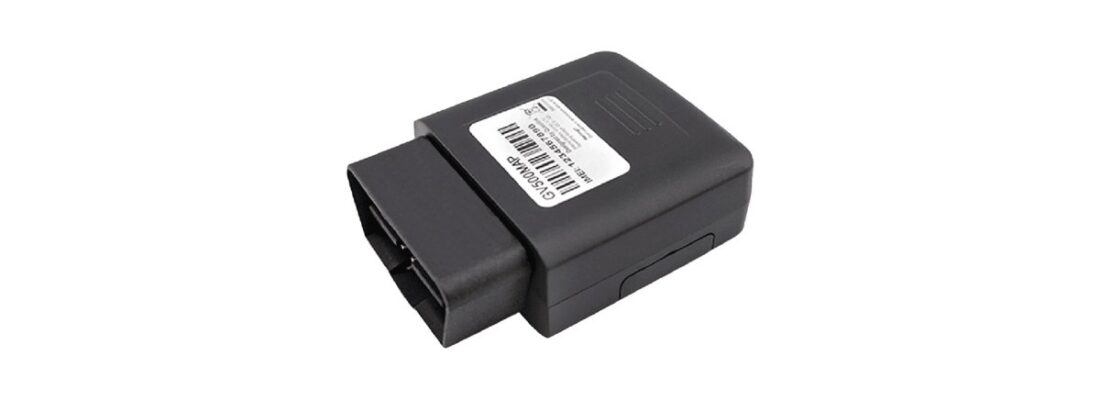
Vehicle telematics monitors powered vehicles like cars, vans, and trucks. The device plugs into the vehicle’s OBD-II (On-Board Diagnostics) port or wires straight into the electrical system. That connection gives it constant power and a direct line to the engine control unit (ECU).
The data goes well past location. Telematics platforms report engine diagnostics, fuel use, idling time, harsh braking, acceleration, and cornering. They power Electronic Logging Device (ELD) compliance, driver safety scorecards, and predictive maintenance alerts. On a non-powered asset like a trailer or a roll-off dumpster, though, that technology is both overkill and a poor fit. There is no engine and no OBD-II port to connect to.
What Is Asset Tracking? (The Right Tool for Non-Powered Equipment)
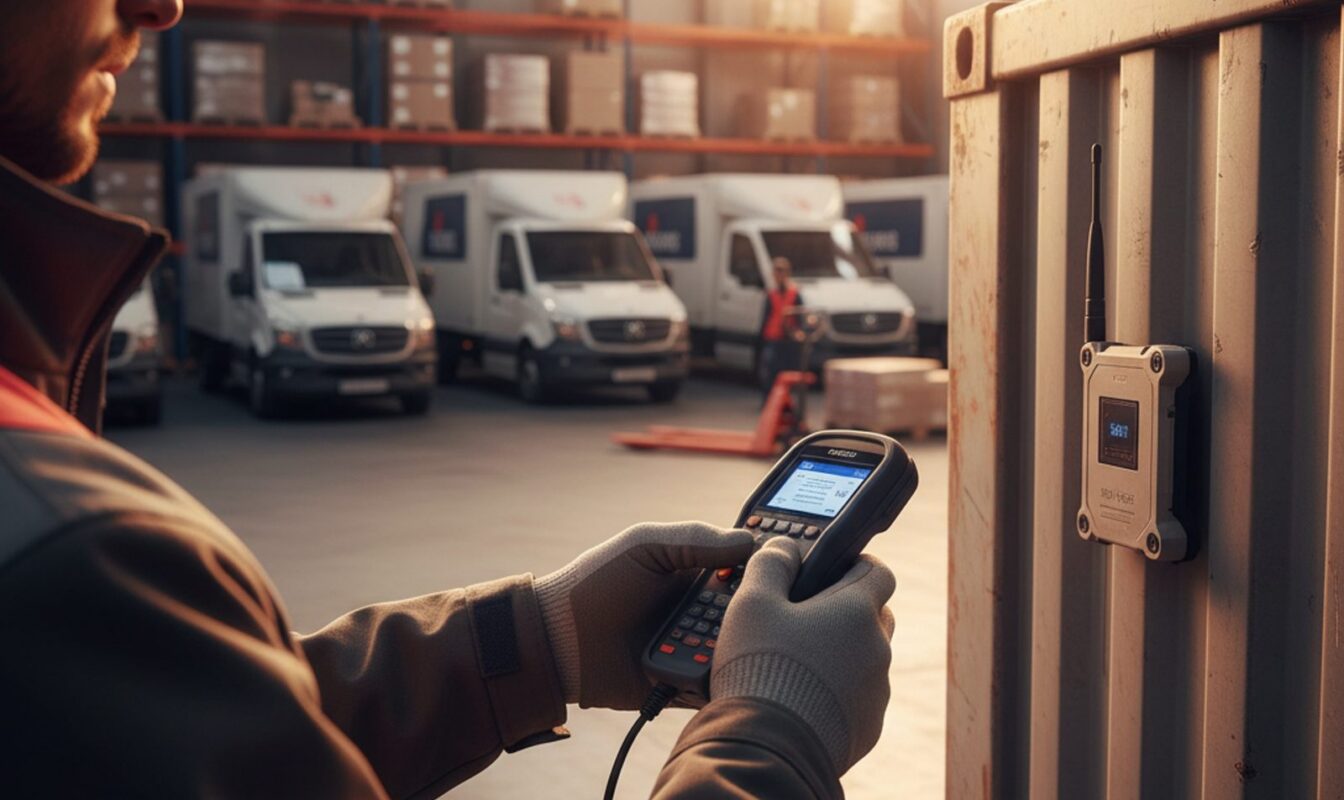
Asset tracking handles equipment with no power source of its own. Instead of tapping an engine, asset trackers are self-contained, battery-powered devices built for durability. They report the location, status, and movement of trailers, intermodal containers, construction equipment, and high-value portable machinery.
A dedicated asset tracking solution gives you:
- Long-Life Batteries: Devices run for months or years on a single charge, checking in on a schedule to save power.
- Ruggedized Hardware: Trackers shrug off weather, vibration, and impact, often with IP67 or IP69K ratings for water and dust.
- Flexible Installation: Mount them with screws, magnets, or industrial adhesive. No wiring required.
- Optimized Reporting: They report on a schedule or on movement, giving you the visibility you need without the data overload of telematics.
For operations managers fighting lost or idle equipment, an affordable fleet tracking solution built for assets is the right call. It solves location and utilization without the cost and clutter of a full telematics system.
1. GPX
GPX runs an AI-powered asset intelligence platform that goes past “dots on a map.” It pulls data from a multi-sensor network across GPS, cellular, BLE, and satellite. The result is a full operational picture of both powered and non-powered assets. GPX serves enterprise supply-chain and logistics teams, turning raw location data into predictive ETAs and clear next steps. At the center sits Scout AI. It analyzes asset behavior on its own, flags disruptions early, spots idle equipment, and tightens inventory levels. That turns data straight into savings.
Pros
- AI-powered intelligence delivers predictive insight, not just reactive location data.
- Multi-network connectivity (cellular, BLE, GPS, satellite) holds visibility anywhere, from dense cities to remote job sites.
- Built for the realities of non-powered and mixed-asset fleets.
- Flat-rate pricing ($45/year) for non-powered assets cuts the recurring cost of vehicle-centric telematics.
- One platform covers every asset, simplifying management and lifting utilization.
- Scalable architecture supports thousands of assets across construction, automotive logistics, and more.
2. Samsara
Samsara offers a unified platform for vehicle telematics, equipment monitoring, and site security. Its Unpowered Asset Gateway covers intermodal containers, trailers, and construction equipment. It connects with Samsara’s wider network of dash cams and vehicle gateways. That makes it a strong pick for large fleets that want one vendor for everything.
- Location: San Francisco, CA, USA
- Best for: Large fleets that want one platform for vehicles, equipment, and safety.
- Pricing: Unpowered Asset Gateway runs around $12/month, often on a 3-year term.
- Connectivity: Cellular, GPS, Bluetooth.
- Standout features: User-replaceable AA batteries, automated inventory reporting, geofencing, location tracking across the Samsara network.
Pros
- Excellent for fleets already on the Samsara platform.
- User-friendly interface with strong reporting.
- Reliable real-time tracking and a full feature set.
Cons
- Expensive when you only need basic asset tracking.
- Often requires a multi-year contract, which limits flexibility.
- Some users report support and billing issues.
3. Geotab
Geotab is a global telematics leader, known for a data-centric platform and an open API. Its core strength is vehicle telematics, but it also tracks non-powered assets with products like the GO Anywhere Tracker. The real differentiator is its Marketplace of third-party hardware and software, which lets fleets build a custom solution. Geotab sells through a network of authorized resellers.
- Location: Waterloo, Ontario, Canada
- Best for: Data-driven fleets that want deep customization and integrations.
- Pricing: Hardware and software bundles typically start around $30 to $40 per month, set by resellers.
- Connectivity: Cellular, GPS, satellite options.
- Standout features: Ruggedized hardware (IP68 & IP69K), intelligent power management, and an open API for deep customization.
Pros
- Strong customization through the open platform and partner marketplace.
- Powerful analytics and reporting tools.
- Solid reputation for reliability and 24/7 support through resellers.
Cons
- Pricing varies and lacks transparency under the reseller model.
- Steep learning curve for users who do not need its full depth.
- Total cost can run higher than simpler solutions.
4. CalAmp
CalAmp delivers telematics and asset tracking for commercial and public-sector fleets. The platform monitors vehicles and equipment with a focus on in-depth data. Its hardware and software scale for large enterprise deployments, with geofencing, maintenance planning, and scripting for custom tracking behavior.
- Location: Irvine, CA, USA
- Best for: Enterprise transportation businesses and public-sector organizations.
- Connectivity: Cellular, satellite.
- Standout features: Cloud-based telematics software, advanced scripting for power management, real-time and historical data analysis, compliance tools.
Pros
- Powerful, scalable solution for large, complex operations.
- Accurate GPS tracking and a clean interface.
- Deep device management and data analysis.
Cons
- Pricing is not transparent and can run high for smaller fleets.
- The platform can overwhelm new users.
- Some users report customer service and integration challenges.
5. Trak-4 GPS
Trak-4 GPS wins on simplicity, price, and flexibility. It fits businesses and individuals who want reliable, no-frills tracking for non-powered assets without a long-term contract. With low device costs and low monthly fees, it is a popular pick for tracking construction equipment, trailers, and other valuable assets on a budget.
- Location: USA
- Best for: Budget-conscious buyers who want low cost and no contracts.
- Pricing: Devices start at $13.88, with plans from $6.99/month.
- Connectivity: 4G cellular.
- Standout features: Long battery life (18+ months), solar-powered options, quick setup, no contracts.
Pros
- Excellent value with very low hardware and subscription costs.
- No-contract model offers maximum flexibility.
- Long battery life and solar options cut maintenance.
Cons
- Feature set is basic next to enterprise telematics platforms.
- Lacks the advanced reporting of pricier systems.
- Focused on location tracking, not full operational management.
6. Smartrak
Smartrak is a major player across Australia and New Zealand, focused on total visibility for fleets and assets. Its trackers, like the Oyster3 and Remora3, are known for rugged construction and long battery life. The system uses adaptive, movement-based tracking to conserve power, which suits assets that sit still for long stretches before moving.
- Location: New Zealand / Australia
- Best for: Fleets that need rugged hardware and long battery life for remote or harsh environments.
- Connectivity: Cellular, GPS.
- Standout features: Rugged IP68-rated devices, adaptive movement-based tracking, impact and tamper detection, battery life up to 10 years.
Pros
- Exceptional battery life cuts maintenance to almost zero.
- Durable hardware built for tough conditions.
- Adaptive tracking conserves power well.
Cons
- Focused on the ANZ market, which can affect US support and availability.
- Less known in North America than other providers.
- Pricing is not readily available.
Let Your Asset Type Lead the Technology Decision
The choice between telematics and asset tracking comes down to one question: what are you trying to accomplish? Match the technology to your assets and your goals. Use this framework to decide.
Choose vehicle telematics if:
- You mainly manage powered vehicles like trucks, vans, or cars.
- You need to meet government mandates like the ELD rule.
- You want to monitor driver behavior, including speeding, harsh braking, and idling.
- You need engine diagnostics and predictive maintenance alerts.
Choose asset tracking if:
- You track non-powered assets like trailers, containers, generators, or heavy equipment.
- Your goals are to stop theft, improve utilization, and automate inventory checks.
- The asset has no power source and needs a long-life battery.
- Cost matters, and you do not want to pay for engine data you cannot use.
Most mixed fleets get the best result from both technologies. But for non-powered equipment specifically, a dedicated affordable fleet tracking platform is the smarter, more economical choice.
GPX solves the real challenges of non-powered and mixed-asset fleets. Our AI-powered platform gives you the visibility and intelligence to cut costs, lift utilization, and run a tighter operation. See how GPX goes beyond dots on a map by exploring our asset intelligence solutions today.
Frequently Asked Questions (FAQs)
What is the main difference between telematics and asset tracking?
The difference is the power source and the data. Telematics serves powered vehicles, connecting to the engine for rich data on performance and driver behavior. Asset tracking serves non-powered equipment, using long-life batteries to report location, status, and utilization.
How much does asset tracking for a trailer or container cost?
Asset tracking costs far less than running a full telematics subscription on equipment that has no engine. Dedicated trackers like GPX start around $45 per year per asset on a flat rate, compared with the $12 to $35 per month many vehicle platforms charge. You pay for location and utilization, not engine data you cannot use.
How long do asset tracker batteries last?
Battery life varies by device and reporting frequency, but most run one to five years. Some devices with intelligent power management last up to 10 years, which sharply cuts maintenance.
Can I use one platform for both my trucks and my trailers?
Yes. Platforms like GPX give you a “single pane of glass” view, combining data from vehicle telematics and asset trackers. You see your entire operation, both powered and non-powered, in one unified system.
What is AI-powered asset tracking?
AI-powered asset tracking uses machine learning to analyze location and sensor data. Tools like Scout AI go past showing where an asset is: they predict arrival times, flag idle assets, detect unusual activity that may signal theft, and recommend ways to improve operations.
How severe is cargo theft for fleets that rely on non-powered assets?
Cargo theft reached a record high in 2024, with more than 3,600 incidents logged across the U.S. and Canada at an average loss of $200,000 per event. Construction equipment theft adds another $300 million to $1 billion in losses to the U.S. industry every year.
Why do vehicle-centric tracking systems miss non-powered assets?
Most vehicle-centric systems track the powered truck, not the trailer, container, or equipment it carries. Non-powered trailers, containers, and machines that sit idle for weeks or move between depots fall outside the range of what a vehicle-centric tracking system can see.