Top Supply Chain Optimization Strategies to Reduce Spend in 2026


Logistics costs have a way of sneaking up on you—until a CFO asks why spend keeps rising even when volume hasn’t. After working with operations teams that are getting squeezed by higher transportation, labor, and inventory carrying costs, I’ve learned that the best supply chain optimization strategies aren’t “one big transformation project”—they’re a focused set of moves that attack the biggest cost centers first: demand planning, load utilization, routing, warehouse accuracy, automation, and network resilience. In this guide, I’ll walk through practical, proven strategies to reduce supply chain spend without sacrificing service levels, including where AI, real-time visibility, and tools like digital twins can help you stop reacting late and start preventing waste. If you want a quick example of what exception-based visibility looks like in practice, Scout AI is built for exactly that.
Protecting your margins requires a thorough approach to every logistics cost center. Recent data shows that logistics spending in the U.S. has reached $2.3 trillion, accounting for nearly 9% of the country’s total GDP. With inflation and global disruptions driving 60% of recent price hikes, businesses are facing intense financial pressure.
However, there is a clear path forward: companies that utilize artificial intelligence and smart supply chain optimization strategies have seen logistics costs drop by up to 15%. This shift allows organizations to remain competitive despite external market volatility. Integrating these technical solutions is no longer optional for those seeking long-term stability.
If you want to trim expenses without compromising service quality, you need more than just a lower shipping rate. You need a total game plan that addresses every phase of the operation, from the warehouse floor to the customer’s front door. Here is a breakdown of the best supply chain optimization strategies to lower your spending and keep your bottom line healthy.
1. Stop Guessing What People Will Buy
The most expensive inventory is the stock sitting on a shelf. Inventory carrying costs, including warehouse rent, insurance, and obsolescence risks, can consume 30% of a product’s value annually. By using predictive analytics, you can eliminate guesswork in ordering. These tools analyze sales history, market trends, and external factors like weather or port strikes to determine actual requirements.
- Why it saves money: This approach prevents overstocking, which ties up cash, and eliminates stockouts that require expensive emergency shipping.
- Pro Tip: Use cloud-based supply chain tools for real-time visibility.
- Impact: Seeing inventory levels across all locations allows you to redistribute stock instead of purchasing more.
2. Stop Sending Half-Empty Trucks
Transportation typically represents the largest portion of supply chain costs. Given fluctuating fuel prices and driver shortages, you cannot afford underutilized trucks or inefficient routes. Route optimization software identifies the most cost-effective paths by analyzing traffic, delivery windows, and fuel consumption. Additionally, freight consolidation, the practice of combining smaller orders into a single shipment, significantly lowers shipping and transportation expenses.
- The Big Number: Effective route optimization can reduce total mileage by 10% to 20%, saving substantial fuel costs.
- Smart Keywords: Focus on last-mile delivery, logistics management, and carrier negotiations to prevent overpayment.
3. Go Green to Save Green
Sustainability is a primary driver for cost reduction. Research indicates customers are willing to pay nearly 10% more for eco-friendly products, but the primary financial benefit lies in waste reduction. Implementing a circular economy model, where products are designed for reuse or recycling, reduces raw material expenditures. Cutting packaging waste and refining reverse logistics—the process of handling returns—allows you to recover value from items that were previously discarded.
- Cost Win: Green supply chain initiatives can reduce labor costs by up to 70% by simplifying and accelerating processes.
- The Plan: Review processes with tier-1 suppliers to identify and eliminate material waste.
4. Let Robots Do the Heavy Lifting
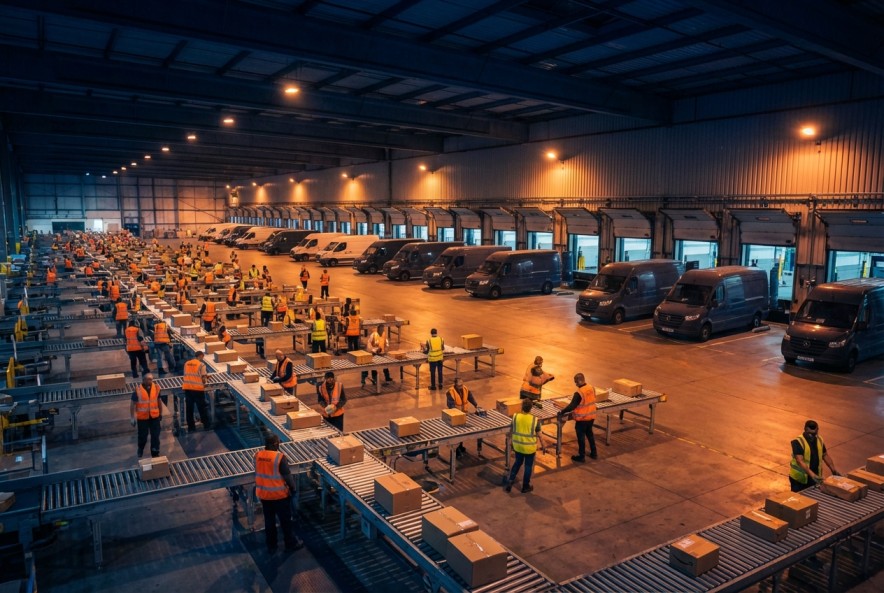
Labor is becoming increasingly scarce and expensive, leading 74% of supply chain executives to increase investment in automation and IoT sensors this year. Warehouse robotics, such as autonomous carts and picking arms, increase speed and eliminate human error. These errors often lead to mis-picks, resulting in costly returns and reduced customer satisfaction.
- The ROI: While the initial investment is high, automation increases inventory accuracy to over 95%.
- Result: This protects your budget from the hidden costs associated with lost or misplaced inventory.
- Helpful Tech: Utilize warehouse management systems (WMS) and order fulfillment software to maintain operational flow.
5. Don’t Put All Your Eggs in One Basket
Depending on a single low-cost supplier across the globe is high-risk in the current climate. The global supply chain is volatile, making multi-shoring a necessity. By nearshoring—moving manufacturing closer to your primary market—you reduce lead times and avoid high air freight costs and unpredictable trade tariffs. Even if local production costs are slightly higher, the savings on shipping and transportation often result in a lower total cost of ownership.
- Why it works: It builds resilience.
- Data Point: A 2025 study found that companies with a resilient supply chain recover from disruptions significantly faster than their competitors.
6. Figure Out Who Your “Expensive” Customers Are
Not every sale results in a net gain. A Cost-to-Serve analysis calculates every expense associated with a specific customer, from production to last-mile delivery. You may discover that certain high-volume customers are unprofitable due to constant demands for expedited shipping or high return rates.
- The Fix: Use data analytics to identify these trends.
- Action: Adjust pricing structures or reallocate resources toward high-value customers who do not drain profitability.
7. Build a “Digital Twin” of Your Business
Supply chain transparency is essential for cost control. Many organizations now use digital twins—virtual simulations of their physical supply chain—to conduct “what-if” scenario testing. If a port experiences a shutdown, a digital twin can calculate the financial impact in seconds, allowing for proactive plan adjustments.
- Integration: Combine this technology with robust supplier relationship management to anticipate disruptions.
- Keep in Mind: End-to-end visibility and risk management are the primary drivers for maintaining a competitive advantage.
Building the Right Strategy for Supply Chain Optimization
Cutting costs in your supply chain is not about being cheap: it is about being smart. By moving toward a digital transformation and using better resource management, you can protect your profit margins even when the world gets chaotic. Start small: perhaps just get a better route optimization tool or double-check your transportation bills for mistakes. Once you start getting more visibility into your business, you will realize that there are ways to save money everywhere you look.
The companies winning in the current market are not just the ones with the lowest prices: they are the ones with the most optimized supply chains. This requires a business strategy that prioritizes data-driven insights over intuition. Leadership must commit to these changes to ensure the organization can scale without increasing overhead proportionally.
Successful field adoption depends on training teams to work alongside these new technologies. When frontline workers use real-time data to make decisions, the entire operation becomes more agile. This shift in mindset ensures that the company is prepared for future market shifts while maintaining a high standard of service.
Frequently Asked Questions (FAQs)
What is the most effective way to reduce supply chain costs?
The most effective approach is improving end-to-end visibility through digital tools. By using predictive analytics and real-time tracking, businesses can reduce inventory carrying costs and eliminate waste in transportation, which are typically the two largest expense categories.
How does automation improve supply chain profitability?
Automation reduces long-term labor costs and significantly decreases human error. High inventory accuracy (above 95%) prevents the financial loss associated with mis-picks, lost stock, and the administrative burden of processing avoidable returns.
Why is nearshoring considered a cost-saving strategy?
While local manufacturing may have higher unit costs, nearshoring reduces the total cost of ownership by lowering shipping fees, reducing lead times, and eliminating the need for expensive air freight or customs tariffs associated with long-distance logistics.
What are inventory carrying costs?
Inventory carrying costs represent the total expense of holding stock, including warehouse rent, insurance, taxes, and the cost of capital. These costs can account for up to 30% of a product’s value per year, making efficient inventory management critical for flow.
How does a digital twin help in risk management?
A digital twin allows companies to simulate disruptions, such as port closures or supplier failures, in a virtual environment. This enables leadership to develop contingency plans and calculate financial impacts before a crisis occurs, ensuring faster recovery and minimized losses.