
Knowing where your shipments sit is no longer enough. What matters now is when they arrive, what condition they are in, and which exceptions need action today. Most companies want that level of insight, yet only 7% of supply chain leaders report end-to-end real-time visibility across their networks. That gap drives delays, disputes, and real financial risk.
Adoption of advanced planning still lags. According to Gartner, just 19% of organizations have fully integrated scenario planning into their supply chain strategy, a core capability modern visibility platforms deliver. Without it, teams react to problems instead of preventing them.
Choosing a real-time transportation visibility (RTTV) platform is a hard call. You have to connect disparate carrier data, prove ROI on expensive software, and manage the quality and latency of tracking feeds. This guide breaks down the top eight platforms so you can match the right solution to your operation.
| Platform | Network | Best For | Starting Price | Key Strength |
|---|---|---|---|---|
| GPX | Gateway-less terrestrial + BLE | Hardware-level shipment integrity & condition monitoring | Free hardware, from $45/year | AI-powered prescriptive insights from multi-sensor devices |
| project44 | Multimodal (Ocean, Air, Rail, Truck) | Global enterprises needing deep analytics & API integration | Contact for quote | Extensive global carrier network |
| FourKites | Multimodal (Road, Rail, Ocean, Air) | Large CPG & retail shippers needing yard management | Contact for quote | Strong in North American trucking & yard visibility |
| Descartes MacroPoint | Truckload, LTL, Rail | Brokers & 3PLs focused on North American trucking | ~$0.40-$5 per load | Vast, established carrier network for truckload |
| Shippeo | Multimodal (Road, Ocean focused) | Companies with strong European logistics networks | Contact for quote | Highly accurate, machine-learning-based ETAs |
| Samsara | Cellular, GPS | Fleets wanting unified vehicle telematics & visibility | $27-$60/vehicle/mo | Combines driver safety, telematics, and tracking |
| Transporeon | Multimodal | Shippers seeking an all-in-one European TMS suite | Contact for quote | Integrated freight procurement and dock scheduling |
| Tive | Cellular, Wi-Fi, GPS | High-value, sensitive goods needing condition monitoring | Contact for quote | Real-time shipment condition monitoring (temp, shock) |
What You Need to Know
- Only 7% of supply chain leaders have end-to-end real-time visibility across their networks.
- Just 19% of organizations have fully integrated scenario planning into their supply chain strategy.
- Visibility gaps drive delays, disputes, and real financial risk across freight operations.
- Modern platforms shift teams from reacting to exceptions to preventing them.
- Connecting disparate carrier data and managing tracking feed latency are the core integration challenges.
Why ERP and TMS Integration Stalls Visibility Rollouts
A real-time visibility platform is more than a software purchase. It is a strategic operational shift, and companies that pursue it hit the same obstacles that stall implementation and erode ROI. Know these hurdles before you build your strategy.
- Data fragmentation and integration complexity: Most companies already run an ERP, a TMS, and a WMS. A new visibility platform has to plug into that stack cleanly. Pulling fragmented data from carriers, each with its own technology and sharing protocols, adds another layer that compromises data integrity.
- Poor data quality and latency: A visibility platform is only as good as its data. Inaccurate or delayed updates from carrier ELDs, manual check-calls, or unreliable feeds make it useless. The result is untrustworthy ETAs, missed exception alerts, and no confidence in the system.
- Carrier onboarding and compliance: A platform is only as strong as its network. Getting hundreds or thousands of carriers to connect and share clean data is a major undertaking. Carrier resistance, technical limits, and compliance fatigue all shrink the scope of a visibility program.
- Quantifying return on investment: Enterprise-grade platforms carry a substantial price tag. Justifying it takes a clear, data-driven business case. Many teams struggle to put numbers on benefits like reduced detention fees, lower safety stock, and better customer satisfaction, which stalls budget approval.
- Internal resistance to change: Operations teams often lean on spreadsheets and phone calls. A new platform changes daily habits. Without training, communication, and executive buy-in, teams revert to old methods and undermine the whole investment.
- Cybersecurity exposure from third-party connections: Every carrier feed, API, and integration widens the attack surface. Wiring dozens of external platforms into your core systems raises breach risk, so security review and access controls belong in the evaluation from day one.
- Cross-border compliance and data regulation: Global shipments cross customs regimes and data-privacy rules like GDPR. A platform that moves tracking data across borders has to handle regional storage, consent, and trade-documentation requirements, or it creates legal exposure.
- Scaling volume and pricing: A platform that works for hundreds of loads has to hold up at thousands. Per-load or per-device pricing that looks affordable at pilot scale balloons at full volume, so confirm the model scales with your growth before you commit.
1. GPX
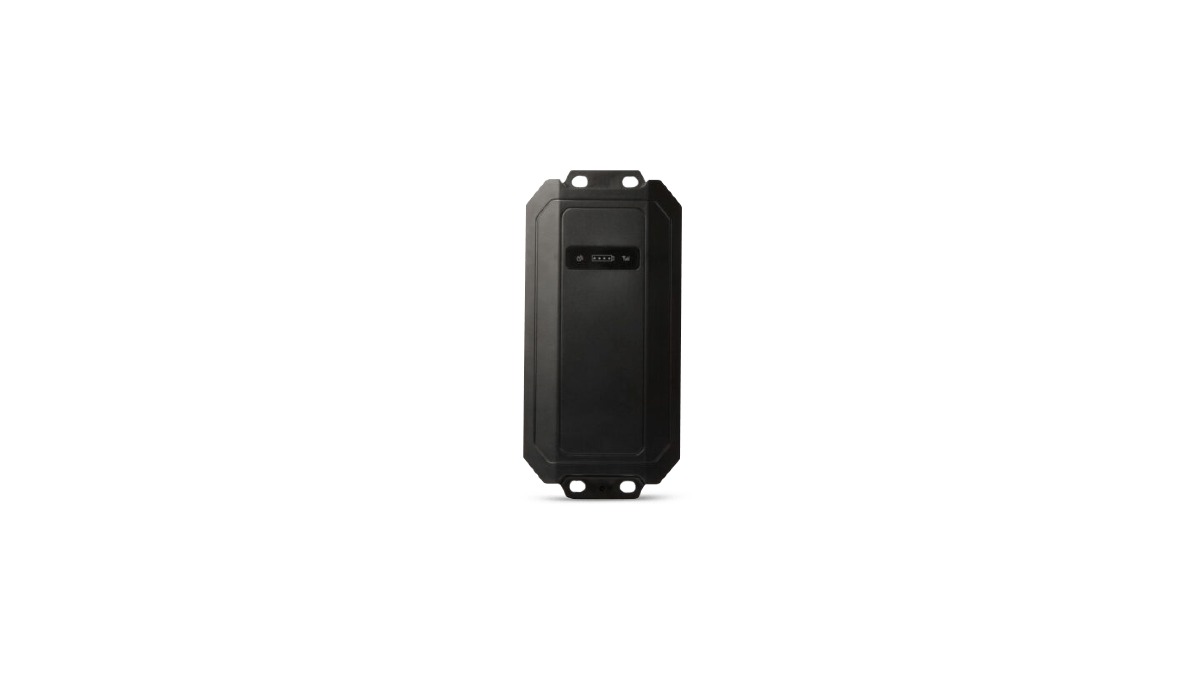
GPX delivers AI-powered asset tracking that goes beyond dots on a map. It pairs multi-sensor hardware with a powerful analytics engine to report not just location but the condition and integrity of every shipment. Data comes straight from the asset through devices like the peel-and-stick Smart Labels for disposable tracking and the rugged, returnable AssetTag. This hardware-first model removes reliance on shaky carrier feeds and gives you one source of truth for location, temperature, humidity, shock, and more.
- Location: USA
- Best for: Businesses that need high-fidelity, hardware-enforced visibility and condition monitoring, from individual packages to returnable containers.
- Pricing: Subscriptions start from $45/year with hardware included, so you get advanced tracking without heavy capital spend on devices.
- Connectivity: 4G/5G cellular, satellite, BLE, and Wi-Fi keep tracking live in any environment.
- Standout features: Scout AI runs predictive and prescriptive analytics to forecast delays and recommend actions. The platform ships a full suite of shipment tracking devices with condition-monitoring sensors, and its device-first model keeps data accurate independent of carrier systems.
Highlights
- Delivers verifiable, ground-truth data straight from the asset, not from secondary carrier sources.
- AI-driven insights go past location to predict outcomes and prescribe corrective actions.
- Flexible hardware, including disposable labels, covers a wide range of use cases and asset types.
- An all-inclusive subscription bundles hardware and software and lowers the barrier to entry.
- Multi-sensor capture gives a complete picture of an asset’s journey and condition.
2. project44
project44 is a global leader in supply chain visibility, tracking shipments across nearly every mode of transport. The company builds a data-and-analytics platform for enterprises that run complex, global logistics. Its API-first architecture supports deep integration with existing TMS and ERP systems, which makes it a strong fit for large organizations that want visibility data inside their core workflows.
- Location: Chicago, Illinois, USA
- Best for: Enterprises that need global, multimodal visibility across complex supply chains with a heavy focus on data analytics and API integration.
- Connectivity: Global multimodal network covering Ocean, Air, Truckload, LTL, Rail, and Parcel.
- Standout features: Predictive ETAs from machine learning, an API-first architecture for deep system integration, automated exception management, and SKU-level tracking.
Highlights
- Extensive global carrier network with deep integration capabilities.
- Clean, high-fidelity data that fuels actionable insights.
- Accurate predictive ETAs and proactive alerts for managing delays.
Watch-outs
- Pricing runs prohibitive for small and medium-sized businesses.
- The platform’s complexity is often excessive for teams that want a simpler, focused tool.
- Coverage and performance vary by region and transport mode.
3. FourKites
FourKites is a major real-time visibility provider with a strong foothold in North America, especially among CPG, retail, and food and beverage shippers. The platform reaches past in-transit tracking into yard management through its Dynamic Yard® solution. It focuses on collaboration between shippers and carriers and uses its data network to generate predictive insights and automate workflows.
- Location: Chicago, Illinois, USA
- Best for: Large enterprise shippers in North America that want end-to-end visibility, including comprehensive yard management.
- Connectivity: Real-time visibility across road, rail, ocean, and air.
- Standout features: Dynamic ETA® for predictive arrival times, Dynamic Yard® for facility and yard management, and strong carrier collaboration tools.
Highlights
- Powerful tracking with a user-friendly interface.
- Covers the entire journey from transit to the yard.
- Strong presence and network in the North American trucking industry.
Watch-outs
- Cost and complexity make it a poor fit for small to medium-sized businesses.
- Some users note that specific workflows take significant customization.
- Faces intense competition from project44, with strengths that vary by carrier network.
4. Descartes MacroPoint
As one of the pioneers in freight visibility, Descartes MacroPoint offers a mature, extensive network for North American truckload freight. Freight brokers, third-party logistics (3PL) providers, and truck-heavy shippers favor it. The platform connects to a vast number of carrier ELDs, GPS devices, and mobile apps for automated, real-time location updates and fewer manual check-calls.
- Location: Waterloo, Ontario, Canada
- Best for: Freight brokers, 3PLs, and shippers focused on North American truckload visibility with a need for strong carrier connectivity.
- Pricing: Starts from roughly $0.40 to $5 per load, plus implementation fees.
- Connectivity: Truckload-focused via ELD, GPS, and mobile apps.
- Standout features: A large, pre-connected carrier network, automated status updates with geofencing, predictive analytics on shipment status, and proof-of-delivery capture.
Highlights
- One of the most extensive, deeply integrated carrier networks in trucking.
- Highly effective for brokerage and 3PL operations tracking brokered loads.
- Integrates cleanly with many leading TMS platforms.
Watch-outs
- Less focused on global or non-trucking modes like air and ocean freight.
- The interface feels dated next to newer platforms.
- Weaker fit for shippers whose primary operations are not freight-centric.
5. Shippeo
Shippeo is a leader in the European real-time visibility market. It delivers multimodal visibility with a strong emphasis on European road and ocean freight. Its differentiator is a proprietary, machine-learning algorithm that produces accurate, reliable predictive ETAs. Shippeo also invests in carrier satisfaction and collaboration, with high adoption driven by automated, simplified onboarding.
- Location: Paris, France
- Best for: European companies, or those with a significant European footprint, that need highly accurate ETAs.
- Connectivity: Multimodal with a focus on European road and ocean freight, and integration with over 1,100 systems.
- Standout features: A proprietary machine-learning ETA algorithm, carbon emissions tracking and reporting, and collaborative workflows for exception management.
Highlights
- Recognized leader in the European visibility market.
- Delivers exceptionally accurate, reliable predictive ETAs.
- High carrier satisfaction and automated onboarding make network adoption easier.
Watch-outs
- Global carrier network is less comprehensive than some US-based competitors.
- Core strengths and network stay concentrated in Europe.
- Pricing is not public and is tailored to enterprise clients.
6. Samsara
Samsara runs a unified platform that combines real-time shipment visibility with a full suite of fleet management tools, including vehicle telematics, AI-powered dashcams, and driver safety programs. That makes it a strong fit for companies that own or operate their own fleets and want one system for vehicles, drivers, and assets. The platform draws on data from its own hardware to give a rich view of performance, safety, and efficiency.
- Location: San Francisco, California, USA
- Best for: Fleets that want one platform for shipment visibility, vehicle telematics, driver safety, and asset data.
- Pricing: Software runs roughly $27 to $60 per vehicle per month, plus upfront hardware costs, on a minimum three-year contract.
- Connectivity: Live GPS tracking combined with IoT sensor data from vehicles.
- Standout features: AI dashcams and driver safety scoring, integrated driver workflow tools, and sustainability features for fuel and emissions.
Highlights
- One integrated platform for fleet management and visibility.
- Strong tools for driver safety and vehicle performance.
- Durable hardware delivers reliable, real-time data feeds.
Watch-outs
- The model demands a long-term contract and significant upfront hardware costs.
- Costs more than pure-play visibility platforms when fleet features go unused.
- Built for owned or dedicated fleets, not brokered freight networks.
7. Transporeon
Transporeon offers a broad transportation management suite that reaches past visibility into freight procurement, dock scheduling, and freight settlement. With a strong historical presence in Europe, especially Germany, it connects a large network of shippers and carriers. The suite supports collaboration across the full transportation lifecycle, from sourcing a carrier to final payment, with visibility as a core component.
- Location: Ulm, Germany
- Best for: Shippers and carriers, especially in Europe, that need an integrated suite for visibility, freight procurement, and dock scheduling.
- Connectivity: Real-time tracking across multiple modes.
- Standout features: An integrated transportation management suite, dock scheduling and yard management, and market intelligence for freight rates.
Highlights
- A wide suite of logistics tools beyond visibility.
- Strong network and user base, especially in Europe.
- Supports efficient collaboration and transactions between shippers and carriers.
Watch-outs
- Some reviewers find the user experience dated.
- Coverage and network density thin out beyond Europe and the USA.
- Some users report system performance and integration issues.
8. Tive
Tive specializes in shipment-level visibility through hardware-based IoT trackers that monitor both location and the condition of goods in transit. That makes it a top choice for companies shipping high-value or sensitive products like pharmaceuticals, fresh food, or electronics. Tive’s multi-sensor trackers send real-time alerts for shifts in temperature, humidity, shock, and light, so shippers step in before losses mount.
- Location: Boston, Massachusetts, USA
- Best for: Companies shipping high-value or sensitive goods that need in-transit condition monitoring.
- Connectivity: Precise location via GPS, cellular, and Wi-Fi triangulation.
- Standout features: Real-time condition monitoring (temperature, humidity, shock, light), 24/7 live monitoring services, and easy-to-use, multi-sensor IoT devices.
Highlights
- Excellent for tracking the condition and integrity of sensitive, high-value shipments.
- Delivers actionable, real-time alerts for environmental excursions.
- User-friendly platform with strong customer support.
Watch-outs
- Device-based pricing gets costly for lower-value goods.
- Reusable trackers add reverse logistics for retrieval and recharging.
- Battery life matters on very long journeys with frequent reporting.
Selecting an RTTV Platform That Matches Your Supply Chain
Picking the best RTTV platform means looking past feature lists and focusing on your core operational needs. The right choice matches your supply chain complexity, carrier network, and business goals. Weigh these factors before you decide.
First, pin down your core challenge: are you mitigating spoilage with cold chain monitoring, preventing theft with asset-level tracking, or improving customer satisfaction with reliable ETAs? Software-centric platforms like project44 and FourKites excel at aggregating carrier data, while hardware-based solutions like Tive and GPX deliver verifiable condition monitoring. Define your most critical problem first.
Second, run the total cost of ownership and the path to ROI. The price tag is only part of the story. Factor in integration costs, training time, and hardware. GPX bundles hardware into its subscription, so your costs stay predictable. Compare that with platforms that carry high upfront implementation fees or long-term contracts. Your business case should map platform costs to specific savings: lower detention fees, less product spoilage, and reduced expediting.
Finally, check the data source. Does visibility data come from the carrier’s system or straight from your shipment? Carrier-only data carries risk from inconsistencies and delays. Platforms that run their own hardware give you an independent source of ground truth. That keeps the data accurate, timely, and actionable, and puts you in control of your supply chain.
Ready to move beyond dots on a map and take real control of your operation? GPX delivers hardware-level data and AI-powered insight that transform your supply chain. Get started today and see how verifiable visibility drives predictable performance.
Frequently Asked Questions (FAQs)
How do you measure the ROI of a real-time visibility platform?
Measure ROI by mapping the platform’s cost against specific operational savings. Track reductions in detention and demurrage fees, lower safety stock from reliable ETAs, less product spoilage on temperature-sensitive freight, and fewer expedited shipments. Hardware-inclusive models like GPX keep costs predictable, which makes the business case easier to quantify against those line items.
How does AI improve transportation visibility?
AI turns raw tracking data into actionable intelligence. Instead of just showing a shipment’s location, AI algorithms analyze historical data, traffic patterns, and weather to predict delays with high accuracy. AI also powers prescriptive analytics, which flags a potential problem and recommends the best course of action to fix it.
What is the difference between carrier-based and hardware-based visibility?
Carrier-based visibility relies on data feeds from a transportation provider’s existing systems, like ELDs or telematics devices. Hardware-based visibility, used by platforms like GPX, places a dedicated tracking device on the shipment or asset itself. That gives a direct, unmediated source of data, often with condition monitoring, independent of the carrier’s systems.
How difficult is it to integrate a visibility platform with an existing TMS or ERP?
Integration complexity varies. Most leading RTTV platforms connect to major Transportation Management Systems (TMS) and Enterprise Resource Planning (ERP) systems through APIs. The ease depends on the architecture of your existing systems and the API capabilities of the provider. Make it a core question during evaluation.