Lost Shipments: Common Causes and How to Prevent Them

Most “lost shipments” don’t actually vanish — they become invisible somewhere between a warehouse scan, a carrier handoff, and a customer expecting an on-time delivery. And the stakes keep rising: package theft alone is projected at 37 million stolen packages worth $8B+ in merchandise, while cargo theft is estimated to drive up to $35B in annual losses — and both ultimately show up as the same operational nightmare: missing product, unclear ownership, and hours burned chasing answers. In this guide, I’ll break down the most common causes of lost shipments (from bad data and missed scans to handoff gaps and security events) and the prevention playbook that works in the real world — end-to-end visibility, real-time alerts, tighter warehouse process control, and exception management that helps your team act before “delayed” turns into “gone.” (If you want to see what true real-time shipment visibility looks like, start here: https://gpx.co/gps-trackers/shipment-tracking/.
Lost shipments are one of the most frustrating problems businesses face in logistics. Whether it is a parcel that never arrives, a pallet that goes missing in a warehouse, or freight that disappears between carriers, the impact is serious. According to data, an estimated 37 million packages will be stolen this year, totaling more than $8 billion in merchandise.
As supply chains become more complex and customers expect faster delivery, even a single lost shipment can damage trust, increase costs, and disrupt operations. Preventing shipment loss is no longer just an operational concern: it is a core business priority. This guide explains why shipments go missing and how companies can reduce losses by improving visibility, processes, and coordination across the supply chain.
What Are Lost Shipments
A lost shipment refers to goods that do not reach their intended destination within the expected timeframe and cannot be located quickly. In some situations, the shipment may be recovered after an investigation. In others, it is declared permanently lost and written off.
It is important to understand that a shipment does not have to be stolen to be considered lost. Many shipments are technically still within the network but become untraceable because of incorrect documentation, missed scans, or disconnected systems. From a customer or business perspective, the result is the same: the shipment is unavailable and its status is unclear.
Why Lost Shipments Are a Serious Supply Chain Risk
The cost of a lost shipment goes far beyond the value of the goods. When shipments go missing, businesses deal with delayed deliveries, customer complaints, refunds, and additional labor spent on investigations and claims.
In industries such as retail, manufacturing, pharmaceuticals, and food logistics, shipment loss creates compliance issues and long-term reputational damage. Today’s customers expect clear updates and accurate delivery timelines. When shipments disappear without explanation, it shows weaknesses in visibility and process control. Improving last-mile efficiency is critical for maintaining market share in the modern shipping sector.
Common Causes of Lost Shipments
Inaccurate or Incomplete Shipping Information
Incorrect shipping details are one of the most common causes of lost shipments. Small mistakes such as missing apartment numbers, incorrect postal codes, or outdated contact information can cause shipments to be misrouted or returned. Manual data entry increases the likelihood of these errors, especially in high-volume operations. Once incorrect information enters the system, it can be replicated across multiple platforms, making the shipment difficult to locate.
Poor Inventory and Warehouse Management
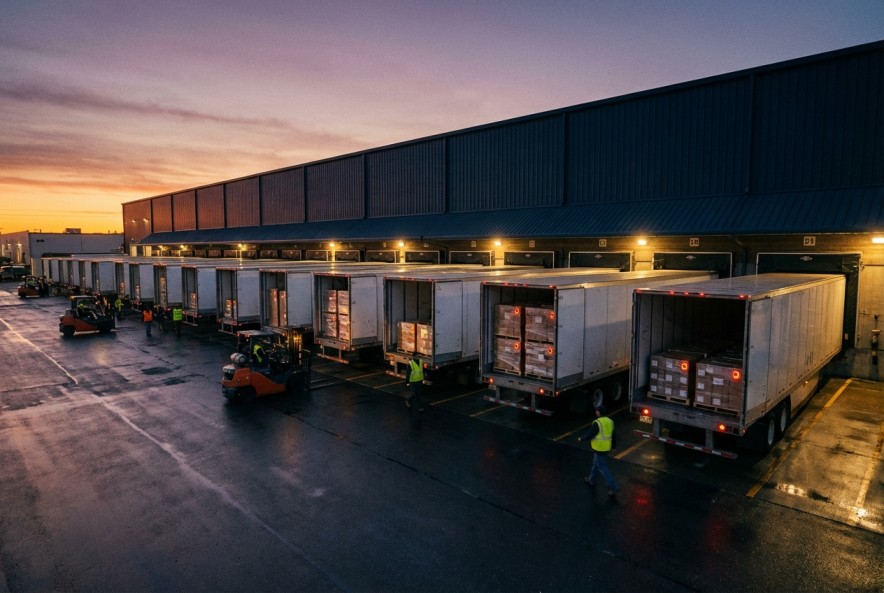
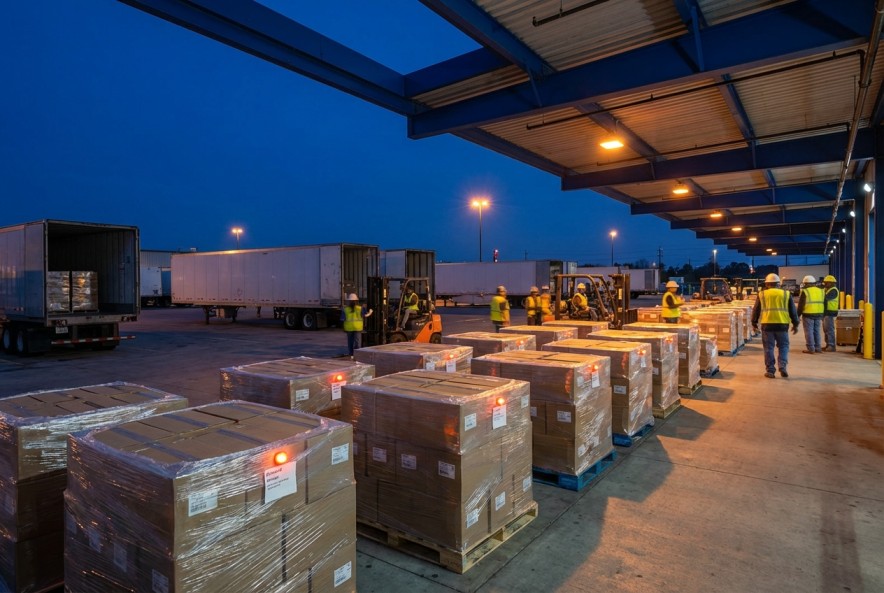
Warehouses play a critical role in shipment accuracy. When inventory is not tracked properly, items can be picked incorrectly, labeled inaccurately, or staged in the wrong outbound area. In many cases, systems show a shipment as dispatched even though it is still sitting in a warehouse. Without real-time inventory visibility and standardized processes, these mistakes can go unnoticed until a delivery fails.
Carrier Handoffs and Transport Gaps
Shipments that move through multiple carriers face higher risk. Each transfer between trucking companies, freight forwarders, ports, and last-mile providers creates an opportunity for miscommunication or missed updates. If tracking systems are not integrated, shipment data may be delayed or lost during handoffs. This results in situations where no single party can identify where the shipment went missing.
Cargo Theft and Security Issues
Cargo theft remains a significant cause of lost shipments, particularly for high-value goods. Theft can occur at warehouses, ports, rest stops, or during unexpected route deviations. Without monitoring or security controls, these incidents may not be detected until delivery fails. At that point, recovery becomes difficult. According to industry reports from https://www.inboundlogistics.com, cargo security is a primary concern for modern freight managers.
Damage During Transit
Shipments that are severely damaged during handling or transport may be removed from the normal delivery flow. If this happens without proper documentation or system updates, the shipment may later be classified as lost. Poor packaging and improper handling increase the likelihood of this issue, especially for fragile or sensitive goods.
Lack of End to End Visibility
Many lost shipments are not the result of a single mistake but rather a lack of visibility across the journey. When teams rely on fragmented systems and delayed updates, issues are identified too late. Without a clear view of where shipments are and who is responsible at each stage, small delays turn into permanent losses.
How to Prevent Lost Shipments
Use Tracking Technology to Maintain Shipment Control
One of the most effective ways to reduce shipment loss is by using reliable tracking technology that provides continuous updates during transit. Real-time tracking allows teams to see where shipments are, identify delays early, and respond before problems escalate. Tracking solutions such as those provided by GPX support end-to-end shipment monitoring by combining live location data with alerts and historical movement records. This allows logistics teams to intervene when something goes off plan instead of discovering a loss after delivery fails.
Standardize and Automate Shipping Data
Accurate data is the foundation of reliable shipping. Automating order processing, address validation, and shipping documentation reduces human error and ensures consistency across systems. Standardized data makes it easier to share information between warehouses, carriers, and logistics partners, reducing confusion and misrouting.
Improve Warehouse Visibility and Process Control
Strong warehouse practices help prevent shipments from going missing before they leave the facility. Real-time inventory tracking, clear labeling, and structured picking and packing workflows improve accuracy. When warehouse teams have visibility into inventory movement, misplaced shipments can be identified and corrected quickly.
Strengthen Carrier Collaboration
Close collaboration with carriers reduces risk during transport. Shared tracking systems and visibility platforms allow all parties to access the same shipment data in real time. Clear communication, defined responsibilities, and escalation procedures help ensure that issues are addressed quickly when they arise.
Enhance Shipment Security
Security measures play an important role in loss prevention. Route monitoring, controlled access to facilities, and secure packaging help reduce theft risk. Real-time monitoring allows teams to identify unusual behavior early and take action before a shipment is lost.
Use Real Time Alerts for Faster Response
Automated alerts notify teams when shipments are delayed, rerouted, or stopped unexpectedly. This allows operations teams to respond immediately rather than waiting for customer complaints. Faster response often means the difference between recovering a shipment and losing it permanently.
Conduct Regular Audits and Root Cause Analysis
Preventing lost shipments requires continuous improvement. Regular audits of shipping data, warehouse operations, and carrier performance help identify recurring issues. Root cause analysis ensures that underlying problems are addressed instead of repeatedly dealing with the same symptoms.
Why End to End Supply Chain Visibility Matters
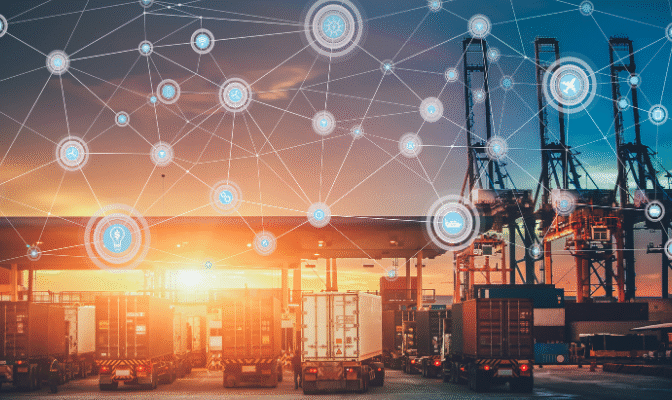
End-to-end visibility brings together data from orders, inventory, transportation, and final delivery into one clear view. Instead of teams working in silos and relying on scattered updates, everyone involved can see the same information at the same time. This makes it easier to understand where a shipment is, what stage it is in, and who is responsible for it at any given moment.
For a modern business strategy, visibility is not an optional feature: it is a competitive requirement. Adopting real-time transportation visibility platforms (RTTVP) allows organizations to transition from reactive troubleshooting to proactive risk management. When teams spot a delay at a warehouse or a missed carrier scan immediately, they can fix the problem before it impacts the customer. This level of control reduces insurance claims, improves customer retention, and protects the bottom line. As logistics technology evolves, the companies that prioritize data-driven transparency will lead the industry in reliability and operational efficiency.
Frequently Asked Questions (FAQs)
What is the most common reason for a shipment to go missing?
Inaccurate shipping information is the leading cause of lost freight. Small errors in addresses or contact details lead to misrouting, which prevents carriers from completing deliveries and often results in untraceable inventory.
How does real-time tracking help prevent cargo theft?
Real-time tracking provides immediate alerts for unauthorized route deviations or unexpected stops. This allows security teams to intervene immediately, increasing the chances of recovery before the cargo is moved to a secondary location.
What is the difference between a lost shipment and a delayed shipment?
A delayed shipment is still within the carrier network and has a known location, even if it is behind schedule. A lost shipment cannot be located within the system and may have suffered from documentation errors or physical theft.
How can warehouse automation reduce inventory loss?
Automation removes manual data entry errors and uses sensors to track every movement within a facility. This ensures that items are correctly staged for outbound transit and provides a clear digital trail if an item is misplaced.
What should a business do first when a shipment is reported lost?
The first step is a root cause analysis to determine where the data flow broke down. Businesses should check the last known scan point and coordinate with the carrier to verify if the loss was due to a transport gap or a documentation error.