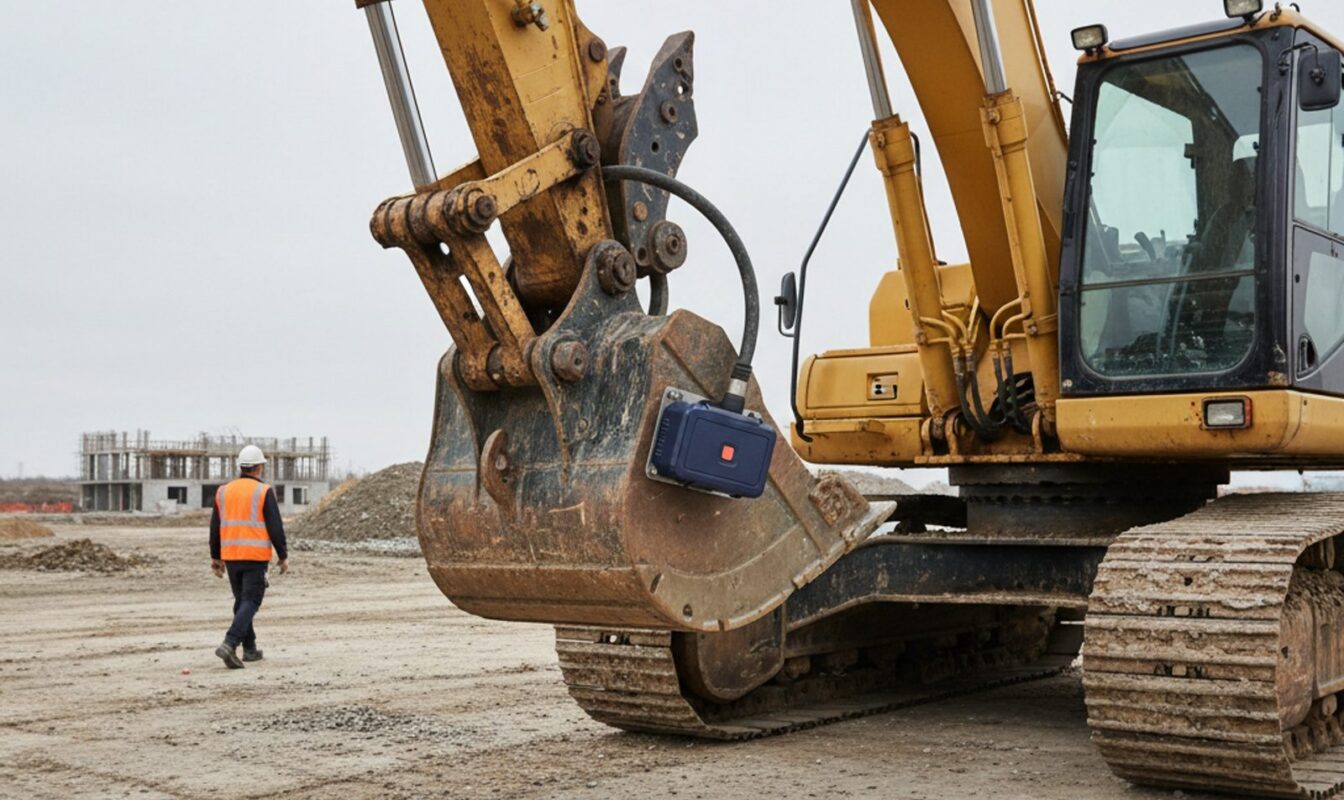


Inventory does not go missing on a spreadsheet. It goes missing on a loading dock, inside a service van, on a hospital floor, or somewhere between the yard and the job site. By the time a manual count catches the gap, the equipment is already gone, the order is already late, and the customer is already calling. For construction firms, fleet operators, healthcare systems, and automotive dealers, that gap between what the system says you own and what you can actually find is where margin quietly leaks out.
Traditional methods make the problem worse. Clipboards get lost, barcodes get scanned once a quarter, and ERP records go stale the moment an item moves. The result is a stack of recurring challenges: shrinkage and theft, ghost assets that exist on paper but nowhere in reality, repeat purchases of tools you already own, and zero visibility the second inventory leaves a fixed location. Modern inventory tracking providers close that gap by fusing GPS, BLE, RFID, and IoT sensors with software that reports in real time and predicts trouble before it costs you.
Below are the top 7 inventory tracking providers worth evaluating in 2026, what each one does best, and a clear framework for choosing the right fit for your operation.
Best AI-Powered Inventory Tracking Features to Stop Shrinkage and Ghost Assets
Inventory tracking, inventory management, and warehouse management often get blurred together, and the difference matters when you choose a provider. Inventory management software plans how many units you should hold and when to reorder. Warehouse management software runs the operations inside a single building, such as picking, packing, and slotting. Inventory tracking sits underneath both: it confirms where each physical item actually is, what condition it is in, and the moment that changes. The best inventory tracking systems combine durable hardware, the right location technology, and intelligent software that turns raw signals into action.
The business case is straightforward. Carrying costs alone, including storage, insurance, depreciation, and the capital tied up in stock, commonly run 20 to 30 percent of inventory value every year. On the asset side, Gartner estimates that 10 to 30 percent of the items on a typical company’s books are ghost assets, recorded as owned but physically gone, which quietly inflates taxes and insurance for equipment that no longer exists. Add the cost of lost tools, expedited replacements, and stalled jobs, and inventory you cannot see becomes one of the most expensive blind spots in the operation. Real-time tracking turns that blind spot into a live, auditable record.
Before comparing providers, it helps to map the technology to the problem. Each approach carries a different cost, range, and accuracy profile:
- GPS and Cellular (LTE-M): Best for assets and inventory that move outdoors or across distance, such as equipment between job sites, trailers in a yard, or stock in transit. Delivers true real-time location anywhere with signal.
- BLE (Bluetooth Low Energy): Ideal for indoor visibility where GPS cannot reach, including hospital floors, parts rooms, and indoor facilities. Low power and low cost per tag, with multi-year battery life.
- RFID: Strong for high-volume check-in and check-out at gates, doors, and choke points. Cuts cycle counts from hours to seconds when assets pass a fixed reader.
- Barcode and QR: The lowest-cost entry point. Reliable for periodic audits, but it depends on a person scanning each item, so it only updates when someone remembers to scan.
Beyond the tracking method itself, evaluate every provider against the challenges that drain operations budgets:
- Shrinkage and theft: High-value tools, devices, and vehicles walk off without real-time alerts and geofencing.
- Ghost and zombie assets: Items recorded as owned that no one can locate, inflating insurance and tax records.
- Manual cycle counts: Labor-heavy audits that pull staff off revenue work and still produce errors.
- Stockouts and overstock: No live count means reordering on guesswork, tying up cash or stalling jobs.
- Disconnected systems: Tracking data trapped in a silo that never reaches your ERP, TMS, or maintenance platform.
- No multi-site or in-transit view: Visibility that stops at the four walls of one facility while inventory moves everywhere else.
- Decentralized and field inventory: Stock that lives in service vans, technician kits, and mobile units rarely enters a central hub, so it slips out of view the moment it leaves a geofenced site. This is the fast-growing blind spot for field service, construction, and healthcare fleets.
The challenge sharpens for asset-intensive industries that manage MRO (maintenance, repair, and operations) inventory, where a single missing spare part can idle a machine or stall a crew. The strongest providers solve more than one of these problems at once, scale across locations, and integrate cleanly with the tools your teams already use.
Top 7 Inventory Tracking Providers Compared: Enterprise Asset Intelligence Platforms (2026 Review)
The table below gives a fast, side-by-side view of the leading inventory tracking providers, who they fit best, the core technology behind each platform, and the capability that sets them apart. Full breakdowns follow underneath.
| Provider | Best For | Core Tracking Technology | Standout Capability |
|---|---|---|---|
| GPX Intelligence | Real-time visibility for high-value inventory across construction, fleet, healthcare, and automotive | GPS, LTE-M, BLE, IoT sensors | Scout AI predictive anomaly detection |
| Samsara | Fleet-heavy operations wanting connected operations in one place | GPS telematics, equipment sensors | AI dash cams and route optimization |
| Apptricity | Enterprise and government inventory at large scale | RFID, BLE, edge IoT controllers | Deep ERP integration with SAP and Oracle |
| Wasp Barcode (AssetCloud) | Fixed-facility barcode and RFID inventory | Barcode, RFID | Mature audit, reporting, and check-out tools |
| Tive | In-transit inventory and cold chain shipments | 5G multi-sensor trackers, GPS, Wi-Fi | Live condition monitoring for temperature and shock |
| Asset Panda | Configurable, software-first asset and inventory tracking | Barcode, QR, mobile app | Highly customizable workflows and fields |
| Zebra Technologies | Enterprise RFID and barcode hardware ecosystems | RFID, barcode, handheld readers | Industrial-grade scanning hardware at scale |
1. GPX Intelligence: Scout AI Inventory Platform
Best For: Businesses that need real-time location, condition, and security for high-value inventory that moves across construction sites, fleets, healthcare facilities, and automotive operations.
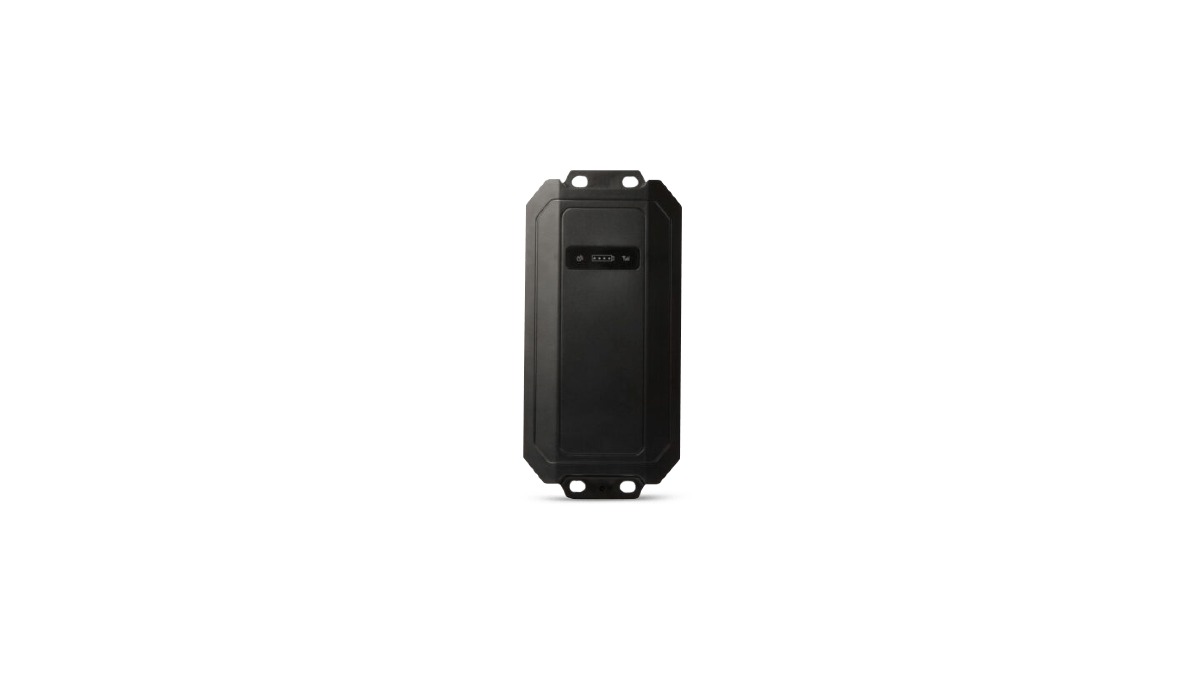
Tracking Technology: GPX builds proprietary, ruggedized hardware that combines GPS, Cellular (LTE-M), and BLE with an array of IoT sensors for temperature, humidity, shock, light, and tamper detection. The GPX AssetTag adds indoor BLE coverage with a replaceable battery and up to a 4-year battery life, so teams gain visibility where GPS signals fade, such as parts rooms, hospital wings, and indoor storage.
Why It Stands Out: Tracking only tells you where inventory is. Scout AI tells you what is about to go wrong. The platform continuously learns normal asset and lane behavior, then flags genuine anomalies before they turn into losses. That intelligence layer is what separates GPX from a simple dot on a map.
- Detects off-route movement, risky dwell times, and unauthorized exits in real time.
- Triggers geofence alerts the moment a tracked item leaves an approved zone.
- Monitors temperature excursions and shock events for sensitive inventory.
- Spans outdoor GPS tracking and indoor BLE coverage in one connected system.
2. Samsara: Connected Operations Platform
Best For: Organizations with large vehicle fleets that want telematics, safety, and equipment tracking unified on a single platform.
Tracking Technology: Samsara leads in vehicle telematics. Its hardware includes high-precision GPS, AI dash cams, and vehicle and equipment sensors that feed a central gateway. For inventory tied to mobile assets, this delivers a strong real-time view of where rolling stock sits at any moment.
Why It Stands Out: Samsara processes enormous volumes of operational data to drive route optimization, fuel efficiency, and driver safety scoring. Fleets that already run Samsara for compliance and telematics can extend the same platform to equipment and trailer visibility. The tradeoff is that its center of gravity is the vehicle, so item-level indoor inventory tracking is less of a focus than it is for hardware built specifically for that job.
3. Apptricity: Enterprise RFID and BLE Tracking
Best For: Large enterprise and government operations that need to track high volumes of inventory and assets across many sites with strict accountability.
Tracking Technology: Apptricity pairs RFID and BLE beacons with patented edge controllers that read tags and push data to the cloud over Wi-Fi, LTE, or ethernet. The platform supports an upgrade path to GPS and satellite tracking, so inventory, assets, and equipment all live in one system.
Why It Stands Out: Integration depth is the headline. Apptricity connects to dozens of ERP platforms, including SAP, Oracle, and Microsoft, which makes it a fit for organizations that need tracking data flowing straight into systems of record. It has a long track record with defense and Fortune-class enterprises, so it scales to demanding, compliance-driven environments.
4. Wasp Barcode: AssetCloud Inventory System
Best For: Businesses managing inventory inside fixed facilities that want proven barcode and RFID tracking with strong reporting.
Tracking Technology: Wasp combines barcode and RFID hardware, including handheld and fixed readers, with its AssetCloud software. It is built for high-volume check-in and check-out workflows where items pass a reader or get scanned on a route.
Why It Stands Out: Wasp is a mature, widely adopted option with hundreds of thousands of customers. Its reporting, single sign-on, multi-location support, and work order tools make it dependable for audits and accountability. The limitation is technology fit: barcode and RFID confirm an item at a checkpoint, but they do not provide continuous real-time location the way GPS and BLE do once an item moves out of range of a reader.
5. Tive: In-Transit and Cold Chain Visibility
Best For: Shippers of pharmaceuticals, fresh food, electronics, and other high-value goods where condition in transit matters as much as location.
Tracking Technology: Tive is hardware-first. Its multi-sensor 5G trackers travel inside the shipment and report live data on location, temperature, humidity, shock, and light, painting a full picture of the journey and the environment around the goods.
Why It Stands Out: Tive turns sensor streams into immediate action. It can flag a cold chain temperature excursion, alert a manager when a high-value package is opened unexpectedly, or confirm that a fragile item was dropped, all in time to intervene. For inventory that spends most of its life moving between origin and destination, that in-transit focus is the strength.
6. Asset Panda: Configurable Asset and Inventory Tracking
Best For: Teams that want a flexible, software-first platform they can shape around their own workflows without heavy hardware investment.
Tracking Technology: Asset Panda relies on barcode and QR scanning through a mobile app, paired with a highly configurable cloud database. Staff scan items with a phone, which keeps hardware costs low and onboarding fast.
Why It Stands Out: Configurability is the draw. Organizations can build custom fields, workflows, and reports to match how they actually operate, then track maintenance, depreciation, and assignments alongside location. The boundary is the same one barcode and QR always carry: records update only when someone scans, so it suits scheduled audits and assignment tracking more than continuous, automatic real-time location.
7. Zebra Technologies: Industrial RFID and Barcode Ecosystem
Best For: Enterprises building large RFID and barcode operations that need rugged, industrial-grade scanning hardware.
Tracking Technology: Zebra is a hardware powerhouse, supplying RFID readers, barcode scanners, mobile computers, and printers that anchor enterprise tracking environments. Many other platforms run on Zebra devices, which speaks to its reach across the industry.
Why It Stands Out: Durability and ecosystem breadth are the advantages. Zebra hardware is engineered for heavy industrial use and integrates with a wide range of software partners. For organizations standardizing on RFID and barcode at scale, it is a reliable backbone, though it leans toward hardware and partner software rather than a single unified, AI-driven tracking platform.
Why Inventory Tracking Deployments Fail: Data Silos, Hardware Decay, and Tech Monoculture
Most inventory tracking projects that disappoint fail for the same handful of reasons. Knowing them before you buy saves money and rework:
- Using one technology for everything: Putting active GPS on low-value consumables wastes budget, while relying on quarterly barcode scans for high-value equipment leaves dangerous gaps. Match the technology to the value and movement of each asset class with a hybrid tagging strategy: GPS for transit, BLE for site-level, RFID for choke points.
- Settling for periodic counts: Records that update only when someone scans go stale within hours. Without real-time location and alerts, you learn about a loss long after you could have prevented it.
- Leaving data in a silo: Tracking data that never reaches your ERP, accounting, or maintenance system forces teams to reconcile by hand and erodes trust in the numbers. If the data does not talk to SAP, Oracle, or NetSuite, you have built a prettier spreadsheet, not a solution. Insist on real integrations and an open API.
- Skipping automation and edge intelligence: Manual reorder decisions invite both stockouts and overstock. The strongest 2026 platforms push intelligence to the edge, letting the tracker itself judge whether a movement is suspicious before the data ever reaches the cloud, which saves battery and shortens response time. Automated reorder alerts and condition triggers remove the guesswork.
- Underestimating adoption: The most advanced platform fails if the team will not use it. Prioritize a clean interface, mobile access, and hands-on training, then roll out in phases so the habits stick.
- Ignoring hardware durability and battery life: Trackers live in trucks, on job sites, and inside cold storage. Match the housing to the environment, since indoor tags fail fast in exposed outdoor yards. Confirm rugged, weather-rated housings (look for IP67 for anything exposed to the elements) and realistic battery life, such as the replaceable, up to 4-year battery in the GPX BLE AssetTag, before you scale.
Matching Tracker Technology to Your Asset Environment
The right provider is the one that matches your inventory, your environment, and the problem costing you the most money. Work through these questions before you commit:
- Where does your inventory live and move? Outdoor and mobile assets across job sites, yards, or transit need GPS and cellular. Indoor inventory needs BLE. Mixed operations need both in one platform.
- Do you need real-time location or periodic counts? If you only need to confirm items during scheduled audits, barcode or RFID may be enough. If losing track for even a day costs you, choose continuous real-time tracking.
- What is the value and sensitivity of the inventory? High-value, theft-prone, or temperature-sensitive items justify multi-sensor hardware with predictive alerts. Low-value consumables rarely do.
- How many sites and how fast are you growing? Confirm the platform scales across locations and supports multi-site visibility from one dashboard.
- Will it connect to your existing systems? Tracking data delivers full value only when it flows into your ERP, TMS, or maintenance platform through reliable integrations.
- What is the total cost of ownership? Look past the sticker price to hardware durability, battery replacement, software fees, and onboarding support.
- How easily will your team adopt it? A platform people actually use beats a more advanced one they avoid. Look for a clean dashboard, mobile scanning, and onboarding support that gets crews productive fast.
Once you shortlist a provider, start with a focused pilot. Clean your asset data first, tag a single high-value category or one site, train the team on the new workflow, then expand in phases. This keeps the rollout manageable and proves the value before you scale across the whole operation.
If your priority is real-time visibility, security, and predictive intelligence for high-value inventory that moves across construction, fleet, healthcare, and automotive environments, GPX delivers all of it in one connected platform built for exactly that job.
Ready to close your inventory visibility gap? Explore GPX inventory tracking solutions, run the numbers with the GPX ROI Calculator, and get pricing to see how Scout AI protects your assets from the moment they move.
Frequently Asked Questions (FAQs)
What is the difference between inventory tracking, inventory management, and warehouse management?
Inventory tracking monitors the physical location, movement, and condition of individual items in real time using technology such as GPS, BLE, RFID, or barcode. Inventory management is the broader process of planning stock levels, reordering, and forecasting demand. Warehouse management runs the operations inside a facility, including receiving, picking, packing, and slotting. Tracking tells you where each item actually is right now, management tells you how much you should hold, and warehouse management tells you how it moves through a building. They work best together, because accurate tracking data makes every management and warehouse decision more reliable.
Which inventory tracking technology is best: GPS, RFID, BLE, or barcode?
There is no single winner, because each technology fits a different need. GPS and cellular suit outdoor and mobile inventory that moves across distance. BLE covers indoor inventory where GPS cannot reach, with multi-year battery life. RFID is strong for fast check-in and check-out at gates and doors. Barcode is the lowest-cost option for periodic audits. Most operations get the best results by combining two or three, matched to asset type and how often they need updates.
How do I track inventory across multiple sites or while it is in transit?
You need a platform that combines outdoor and indoor tracking and reports to a single dashboard. GPS and cellular trackers follow inventory as it moves between sites and during transit, while BLE handles visibility inside each facility. Look for multi-site support, geofencing, and live alerts so you see movement and exceptions across every location at once. Platforms with condition sensors also confirm that sensitive inventory arrives intact, not just on time.
How does AI improve inventory tracking in 2026?
AI turns raw location data into prediction. Platforms like Scout AI learn the normal behavior of each asset and lane, then flag movement at an unusual time, a route toward an unauthorized zone, or a condition reading outside safe limits. Instead of reporting a loss after it happens, the system surfaces the risk early enough to intervene. That shift from reactive tracking to predictive asset intelligence is the single biggest change in the category this year.
Is inventory tracking data secure enough for healthcare and other regulated industries?
Yes, when you choose an enterprise-grade provider. Leading platforms protect data with end-to-end encryption in transit and at rest, role-based access controls, and secure cloud infrastructure. Organizations in healthcare, finance, and government should confirm the relevant safeguards and certifications, such as SOC 2 and HIPAA-aligned controls, before deployment. For high-value and sensitive inventory, security and a clear audit trail should weigh as heavily in your decision as tracking accuracy itself.