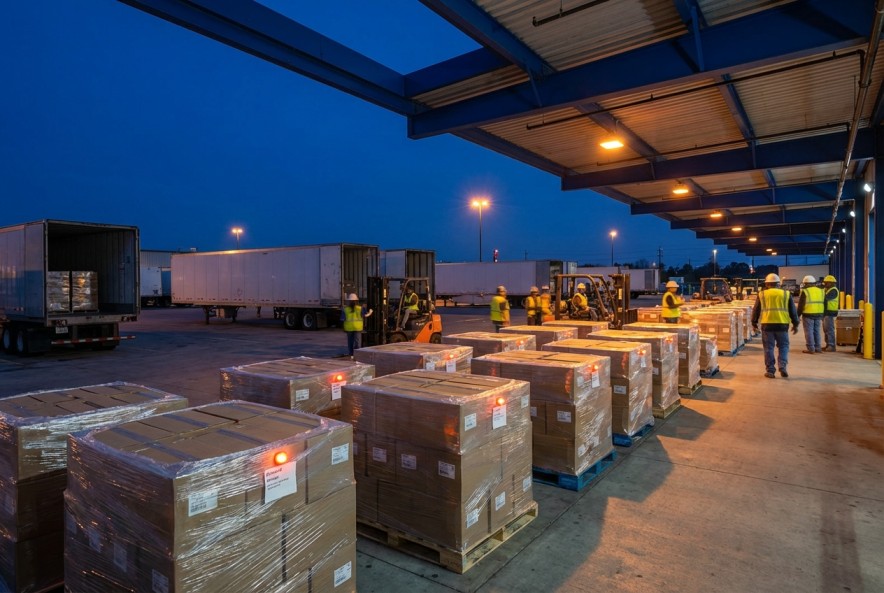

If you’re searching for GPS trackers with long battery life, you’re already focused on the constraint that quietly makes or breaks most tracking programs: maintenance. I’ve seen teams buy “great” trackers on paper, then lose ROI when devices need constant charging, get skipped during busy weeks, and go dark right when an asset moves. The best long-life GPS trackers in 2026 aren’t just bigger batteries—they’re smarter about power (motion-based reporting, deep sleep modes, low-power networks, and proactive low-battery alerts) so you get weeks or months of real visibility without babysitting hardware. In this guide, I’ll break down the top options and the decision framework I use to match battery life to real workflows—whether you’re tracking trailers, containers, construction equipment, or mobile inventory.
Frequent hardware maintenance can significantly increase the total cost of ownership for fleet and asset tracking systems, especially when devices require regular manual recharging. Operations teams need tracking solutions that can run autonomously for extended periods, particularly when monitoring high-value assets in remote or hard-to-reach locations. When battery life aligns with real operational workflows, tracking becomes a dependable data stream rather than a maintenance burden.
Modern GPS trackers are far more power-efficient, using features such as motion sensors, deep sleep modes, and low-power networks to minimize energy consumption. These advances allow many devices to operate for weeks or even months without intervention. Some smart power-managed trackers can last 30 days or more, while low-power models can function for up to a year, clearly separating professional-grade hardware from consumer devices. This level of reliability supports continuous visibility as businesses increasingly rely on IoT-driven tracking to improve supply chain efficiency.
Quick Comparison: Specification and Hardware
The following table provides a technical breakdown of the top trackers to help you select the hardware that aligns with your operational battery requirements.
| Device | Primary Focus | Estimated Battery Life |
|---|---|---|
| GPX Industrial | Enterprise Durability | 3 to 6 months |
| Trak-4 | Stationary Assets | Up to 12 months |
| Logistimatics AssetTrack | Commercial Visibility | Variable (Months) |
| LandAirSea 54 | Energy Management | 1 to 3 weeks |
| Tracki Pro | Capacity Expansion | Up to 30 days |
| Invoxia | Network Efficiency | 4 months |
| Spytec GL300 | Frequency & Speed | 10 to 14 days |
Below are the seven best GPS trackers with long battery life, each explained clearly with a focus on how it works and where it delivers the most value.
1. GPX (Industrial Edition) — Best for Long Term Business Asset Intelligence
GPX Industrial is engineered for organizations that require consistent oversight of assets without the cost of frequent recharging. It utilizes a hybrid connectivity architecture, combining long-range GPS for location precision with BLE (Bluetooth Low Energy) for short-range proximity sensing. This allows the device to stay in the field for 3 to 6 months depending on the report frequency.
The Industrial Edition supports specialized GPS Tags and Stickers for discrete asset tracking. These thin, low-profile tags are ideal for pallets, small tools, or internal inventory that requires a zero-footprint solution. By using movement-based triggers, these tags conserve power and only transmit data when an asset is in motion.
This system is built for logistics leaders who need to monitor containers, trailers, or heavy machinery in storage. It replaces manual check-ins with automated location pings triggered by advanced internal sensors. This ensures that assets remain visible during long-term projects or complex transit cycles.
Best for: Industrial equipment, pallet-level tracking, and high-value assets requiring a hybrid GPS and BLE solution.
Pros:
- Professional-grade battery management for multi-month autonomous operation.
- Versatile hardware options including rugged trackers and discrete GPS stickers.
- Intelligent BLE integration for high-density warehouse environments.
Cons:
- Advanced reporting features require a professional data plan.
- Not intended for casual consumer or personal item tracking.
2. Trak-4 GPS Tracker
Trak-4 is designed for simplicity and maximum battery longevity. It is often used for stationary assets like trailers or shipping containers that do not require constant updates. By sending location data only a few times per day, it can last up to one year on a single charge.
Best for: Tracking assets that stay in one place for long periods, like storage units or seasonal equipment.
Pros:
- Exceptional battery life for long-term placement in the field.
- Large internal cell capacity built for durability.
- Simple setup process for non-technical operational teams.
Cons:
- Slow update frequency is not ideal for active vehicle pursuit scenarios.
- Physical size is larger than mini trackers to accommodate the high-capacity battery.
3. Logistimatics AssetTrack Mini
Logistimatics AssetTrack Mini is built for high-value commercial monitoring where size and endurance must be balanced. It is specifically designed to provide visibility for assets that move through complex supply chains. The device can operate for weeks or months depending on whether it is set to real-time or interval-based tracking.
Best for: Commercial assets, construction equipment, and high-value inventory in transit.
Pros:
- Professional reporting intervals optimized for enterprise asset management.
- Compact form factor with high-resolution tracking capabilities.
- Reliable performance across diverse and demanding industrial settings.
Cons:
- Battery life varies significantly based on chosen reporting frequency.
- Software interface is functional but lacks consumer-level aesthetic features.
4. LandAirSea 54 GPS Tracker
LandAirSea 54 is known for its compact size and integrated magnetic mount. It uses a specialized Dark Mode that turns off all lights to save energy and remain discreet. This tracker strikes a balance between portability and power, lasting about 1 to 3 weeks with typical use.
Best for: Vehicle security and short-term asset monitoring.
Pros:
- Integrated magnet for quick deployment on metal surfaces.
- Weatherproof design with a professional IP67 rating.
- Energy-saving flight modes to preserve battery during transit.
Cons:
- Higher frequency updates will drain the battery within a few days.
- Requires manual recharging more often than larger industrial units.
5. Tracki Pro GPS Tracker
Tracki Pro is the high-capacity version of the standard Tracki device. It includes a much larger battery that can keep the device running for up to 30 days on a single charge. It also features global coverage, making it a strong choice for international logistics.
Best for: International travel and assets moving between different global regions.
Pros:
- Global connectivity via an integrated international eSIM.
- Significantly improved battery life over the standard compact model.
- Compact enough for most professional and personal applications.
Cons:
- Charging takes longer due to the high-capacity battery internal structure.
- Subscription costs are required to maintain global data access.
6. Invoxia Cellular GPS Tracker
Invoxia is one of the most efficient trackers on the market because it uses low-power networks like LTE-M. Instead of using energy-heavy cellular pings, it transmits data with minimal power draw. This allows the slim device to last up to 4 months depending on the reporting mode.
Best for: Tracking bags, vehicles, and assets where a slim profile is required.
Pros:
- Very slim and lightweight design for discrete placement.
- No SIM card needed for operation on low-power networks.
- Excellent battery performance relative to its physical footprint.
Cons:
- Real-time tracking is less frequent than traditional high-power cellular units.
- Coverage depends on the local availability of low-power network infrastructure.
7. Spytec GL300 GPS Tracker
Spytec GL300 is a reliable choice for those who need more frequent location updates. While its battery life is shorter, typically lasting 10 to 14 days, it provides very accurate real-time data. It is a workhorse for short-term tracking needs where performance matters most.
Best for: Active vehicle tracking and situations where live data is required.
Pros:
- High-frequency reporting for smooth and accurate location maps.
- Very reliable signal acquisition in urban environments.
- Trusted by professional investigators and security teams.
Cons:
- Requires frequent recharging compared to long-life industrial models.
- Battery life drops quickly with 1-minute update settings.
How to Pick the Best Long Battery Life GPS Tracker
Understand the reporting frequency required for your operations. If you only need to know the location of a stationary container once a day, a device like AssetTrack Mini is the most efficient choice. For active vehicle monitoring, you will need a tracker that updates more frequently, even if it requires more charging.
Consider the network environment where the device will operate. Trackers using LTE-M or NB-IoT offer much better battery performance than standard 4G units. Finally, evaluate the physical environment. High-capacity batteries are physically larger, so ensure the device fits your specific mounting constraints.
Battery Life That Works Without Constant Attention
A GPS tracker should function quietly in the background without demanding constant manual intervention. In 2026, the best trackers focus on efficiency rather than just raw battery size. When hardware reliability matches your operational needs, you can focus on data insights instead of maintenance schedules.
Future-ready organizations should prioritize hardware that integrates with API-driven dashboards for automated low-battery alerts. This allows for proactive maintenance before a device goes offline. By focusing on battery efficiency and network redundancy, you ensure 100% asset accountability across your global supply chain.
Modern asset intelligence requires a shift toward energy-autonomous sensors that minimize human touchpoints. By reducing the frequency of physical maintenance, organizations can redirect resources toward higher-value logistical optimizations. This strategic move from reactive charging to proactive data management defines the next generation of fleet operations.
Alternatives and Strategies for Extended Asset Power
Operational teams can significantly extend the endurance of their hardware by reducing reporting frequency to a few notifications per day. This approach minimizes power-hungry cellular pings and is ideal for assets in long-term storage or slow-moving transit. Lowering data transmission frequency is the most effective way to maximize standard internal batteries.
For permanent vehicle monitoring, hardwired GPS trackers provide an alternative that eliminates battery concerns entirely. These units connect directly to the vehicle’s electrical system, providing continuous power for high-frequency real-time updates. This setup is preferred for active fleets where anti-tamper features and engine diagnostics are required.
Hybrid solutions like BLE tags and discrete GPS stickers offer a zero-maintenance profile for internal inventory. These units allow for granular tracking at the item or pallet level without the need for high-capacity battery packs. By choosing hardware with long-term endurance, you ensure that your data remains continuous from the factory floor to final delivery.
Frequently Asked Questions (FAQs)
Why do some GPS trackers last longer than others?
Battery life is determined by the reporting frequency and the type of network used. Devices using LTE-M or NB-IoT consume less power than standard 4G cellular units. Additionally, motion sensors allow devices to enter a deep sleep mode when the asset is stationary, significantly extending the charge.
How often should I recharge a professional GPS tracker?
Recharge intervals depend on your settings. An industrial tracker reporting once daily can last 6 months, while a device reporting every 60 seconds may need a charge after 10 days. Professional users should adjust settings to balance data resolution with maintenance capacity.
Can I extend the battery life of my existing GPS tracker?
Yes, most platforms allow you to reduce the ping frequency or enable power-saving modes. Many businesses also use external battery kits or solar panels to provide continuous power to portable units in the field.
Does cold weather affect GPS tracker battery performance?
Extreme cold can reduce the efficiency of lithium-ion batteries by up to 20%. For assets operating in northern climates, it is recommended to use hardware with insulated casings or specialized batteries designed for wide temperature ranges.
Will the tracker notify me when the battery is low?
Enterprise-grade platforms provide automated email or push notifications when the battery reaches a specific threshold, such as 15%. This allows operational teams to swap or recharge the device before it loses connectivity.