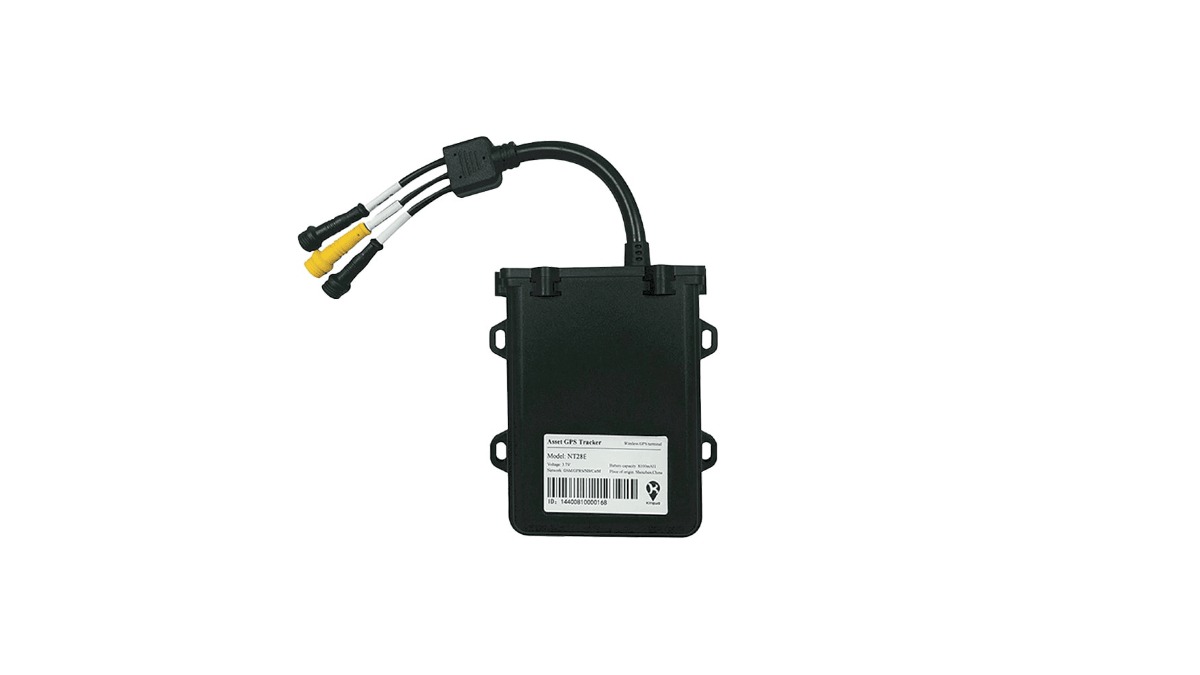


Theft in 2026 is not the smash-and-grab problem it used to be. Cargo theft losses across U.S. and Canadian supply chains surged past $725 million in the trailing twelve months according to Verisk CargoNet, a roughly 60% jump over the prior year. Construction equipment theft sits on top of that, costing the industry over $1 billion annually, and the National Insurance Crime Bureau reports that fewer than 25% of stolen heavy machines are ever recovered. If your truck, trailer, excavator, or high-value shipment goes missing on a Friday night, the odds say you will never see it again.
Here is the part that does not get enough airtime: the people stealing this gear know exactly what a typical tracker looks like and where it hides. They cut three wires under a dashboard. They pull a box from a wheel well. They run a $50 signal jammer in the cab. A single visible GPS unit is no longer a deterrent, it is a checklist item thieves clear in seconds.
This guide ranks the top 7 GPS trackers for theft prevention, from AI-powered asset intelligence platforms to covert consumer trackers, and shows you how to build a layered covert tracking strategy that survives jammers, cut wires, and the alert fatigue that quietly kills most fleet security programs.
Key Takeaways:
- Passive security fails. Locks, fences, and cameras document a theft after it happens. A real-time GPS tracker lets you act while the asset is still moving, and fast alerts are the single biggest driver of recovery.
- Covert beats visible. Thieves locate and disable obvious trackers in seconds. The winning approach pairs a visible decoy with a hidden covert tracker they never find.
- Multi-network defeats jammers. A cheap jammer blocks the GNSS receiver. Trackers that fall back to BLE gateway triangulation, cellular towers, and satellite keep reporting when GPS goes dark.
- AI cuts alert fatigue. Smart platforms filter routine vibration from genuine unauthorized movement, so managers trust the alerts instead of switching them off.
- GPX Intelligence leads the list for multi-asset fleets, with covert AssetTag hardware, a four-network stack, Scout AI, and service from about $3.50 per month.
The State of Cargo & Equipment Theft in 2026: Why Passive Security Fails
Locks, fences, and cameras are passive. They tell you a theft happened after the asset is already gone, usually the next morning when a crew shows up to an empty job site or a missing trailer. A GPS tracker flips that equation from reactive to active. Instead of documenting a loss, it gives you a live location, a movement alert, and a coordinate to hand law enforcement while the asset is still in motion. That is the core of modern asset telematics: turning location data into a decision you can act on in minutes.
The pain points pushing fleets, contractors, and shippers toward tracking are consistent across every sector we work with:
- Low recovery rates. Roughly four out of five stolen machines and untracked loads are never recovered. The fleet theft recovery rate climbs sharply only when a real-time tracker is in play.
- Organized, tech-savvy theft rings. Modern thieves use GPS jammers, signal spoofing, identity fraud, and fictitious pickups. They study freight flows and dispatch routines before they strike.
- Visible trackers get found and disabled. A tracker mounted where a mechanic can see it is a tracker a thief can remove. Covert placement is now a security requirement, not a preference.
- Remote and unattended sites. Construction equipment, trailers parked overnight, and cargo in transit all sit unguarded for long windows. That is exactly when theft happens.
- Internal theft and asset walk-off. Not every loss comes from an outsider. Tools, generators, and equipment routinely disappear through employee theft and unreturned rentals. Transparent tracking, where everyone knows assets are monitored, is one of the strongest deterrents against internal loss.
- Slow response and alert fatigue. A perfect location fix is useless if nobody sees the alert, or if managers have muted a tracker that pings every time a truck vibrates. Speed and signal quality decide whether you recover or write off.
According to Geotab’s 2026 cargo research, asset tracking adoption still sits between 18% and 34% depending on fleet size, even as overall fleet technology and supply chain visibility tools spread. That gap is the opportunity. The operators winning on theft are the ones who deployed before they got hit, and who layered their defense instead of trusting a single device.
What Makes a GPS Tracker “Anti-Theft”? (Defeating Jammers & Cut Wires)
Not every GPS tracker is built to defeat a determined thief. A unit designed for mild fleet management will not hold up against a crew with a jammer and a flatbed. Three capabilities separate a true anti-theft tracker from a basic dot on a map.
Covert Placement vs. Visible Decoys
The most effective 2026 theft strategy is rarely a single tracker. It is a layered covert tracking architecture: a visible decoy unit that absorbs the cut-and-run attack, plus a covert tracker the thief never finds, feeding a platform smart enough to route the recovery before the asset crosses the next county line.
A good covert tracker is small enough to disappear inside the asset. Common hiding spots include door panels, under seats or in seat cushions, inside the dashboard, behind interior trim, or in a magnetic waterproof case tucked under the chassis or in a wheel well. The logic is simple: when a thief cuts the obvious hardwired unit, the hidden battery-powered tag keeps reporting. One tracker they expect to find, one they do not.
Multi-Network Connectivity (Cellular, BLE, Satellite)
This is the capability B2B buyers underestimate, and it is where the jamming epidemic gets defeated. A signal jammer is cheap, often under $50 online, and it works by flooding the GNSS frequency band so the tracker’s satellite receiver cannot get a location fix. Against a single-network cellular-and-GPS tracker, that is game over. The device goes dark exactly when you need it most.
Multi-network connectivity closes that hole. When GNSS is jammed, a strong platform falls back to other positioning methods:
- Cellular tower triangulation places the asset using nearby towers even when the GPS receiver is blinded.
- BLE gateway triangulation locates a Bluetooth-tagged asset through a network of gateways (smartphones, fleet vehicles, facility infrastructure) that a GPS jammer does not affect.
- Satellite connectivity keeps off-grid assets visible on rural routes, maritime lanes, and rail corridors where cellular does not reach.
The takeaway for buyers: a tracker that combines cellular, GPS, BLE, and satellite is far harder to silence than a single-network device. Anti-jamming GPS technology is not a marketing phrase, it is the difference between a recovery and a blank screen.
Battery Life & Tamper Alerts (Without the False Alarms)
Battery anxiety is real, especially for unpowered trailers and equipment that sit in the field for months. The answer is low-power network technology. Trackers built on LTE-M and NB-IoT sip power and stretch battery life into years rather than weeks, while rugged IP67 or IP68 waterproof housings survive job-site abuse. Replaceable-battery designs, like the GPX AssetTag with its 4-year replaceable battery, let you keep a covert unit alive for years without ripping it out.
The other half of the equation is alert quality. Fleet managers suffer from alert fatigue: if a tracker pings every time a truck vibrates, idles, or hits a pothole, they will turn the alerts off, and a muted alert protects nothing. Modern AI fixes this. Instead of firing on every motion event, an intelligent platform like GPX’s Scout AI filters routine noise from genuine unauthorized movement, an after-hours geofence breach, a trailer rolling when it should be parked, a machine leaving a job site at 2 a.m. Tamper sensors and motion-activated alerts only matter if you trust them enough to leave them on.
Top 7 GPS Trackers for Theft Prevention: Quick Comparison
Here is how the seven trackers stack up at a glance. Swipe horizontally on mobile to see every column.
| Tracker | Best For | Connectivity | Power / Battery | Theft Prevention Standout | Starting Price |
|---|---|---|---|---|---|
| GPX Intelligence | Multi-asset fleets, equipment, cargo, returnable assets | BLE + GPS + Satellite + 4G/5G (LTE-M / NB-IoT) | Hardwired, long-life, and 4-year replaceable-battery options | Covert AssetTag + Scout AI alert filtering + 3B+ BLE gateway network | Service from $3.50/mo |
| Spytec GL300 | Covert vehicle and personal asset tracking | 4G LTE cellular | Rechargeable, up to 2 weeks per charge | Compact hidden placement, fast updates | From approx $25/mo |
| LandAirSea 54 | Magnetic covert tracking for cars and trailers | 4G LTE cellular | Rechargeable, weeks per charge | Waterproof magnet mount, hidden under chassis | From approx $20/mo |
| Tracki | Budget covert tracking, mixed personal and small business | 4G LTE + Wi-Fi + BLE | Rechargeable, swappable battery packs | Very small size, no-monthly-fee plan option | Hardware from approx $19 |
| Samsara | Large enterprise fleets and powered vehicles | 4G LTE + GPS | Hardwired and battery asset gateways | AI dash cams plus geofence alerts | From approx $35/mo |
| Motive | Trucking and compliance-focused fleets | 4G LTE + GPS | Hardwired and battery asset trackers | Unauthorized movement and tamper alerts | From approx $35/mo |
| Linxup | Affordable small-to-mid fleet and equipment theft | 4G LTE + GPS | OBD-II, hardwired, and battery options | Low-cost geofencing and movement alerts | From approx $23/mo |
Deep Dive: Ranking the Best Anti-Theft GPS Trackers of 2026
The comparison table shows the shape of each option. Below is the detail that matters: where each tracker wins, where it falls short, and who it is built for. The lineup runs from full asset intelligence platforms down to compact covert trackers, so there is a fit for every risk profile and budget.
1. GPX Intelligence: Covert Asset Intelligence Built to Beat Modern Theft
GPX Intelligence leads this list because it treats theft prevention as a layered security architecture, not a single beeping box. Where most trackers give you a dot on a map, GPX delivers AI asset intelligence tracking that combines covert hardware, multi-network connectivity, and an AI analyst that flags theft risk before a loss becomes a write-off.
The cornerstone for anti-theft is the covert GPX AssetTag, a Bluetooth (BLE) device small enough to hide where a thief will never look, with a 4-year replaceable battery so it keeps reporting long after a visible decoy unit gets cut. From there, GPX gives you a full hardware family to match any asset: the rechargeable AssetTrack Charge and AssetTrack Voyager for active equipment and vehicles, the long-life AssetTrack for unpowered trailers and machinery, the compact AssetTrack Mini for smaller gear, and Road Wired for hardwired coverage on motorized vehicles. That range is what lets you run the visible-plus-covert layering that actually defeats cut-and-run theft.
What separates GPX from consumer trackers is the connectivity stack and the intelligence layer:
- Multi-network coverage that beats jammers. BLE, GPS, satellite, and cellular (4G/5G, LTE-M, NB-IoT) work together, so the signal does not die indoors, in rural corridors, or where jammers operate. The 3 billion-plus BLE gateway network means a tagged asset can be triangulated even when cellular and GPS are blocked.
- Scout AI that filters the noise. A built-in AI analyst you query in plain English. Ask “Which assets left their geofence after hours last night?” or “Which lanes have the highest theft risk?” and get an answer instead of a spreadsheet. Just as important, it separates real unauthorized movement from routine vibration, so you trust the alerts instead of muting them.
- Tamper and motion-activated alerts. Built-in tamper sensors and motion triggers fire the instant an asset is touched or moved when it should be sitting still.
- Flexible reporting and fleet-scale dashboard. Reporting frequency is configurable from every 30 seconds up to once a day to balance speed against battery life, and the platform supports hundreds of devices on a single dashboard. The Logistimatics mobile app (iOS and Android) puts live location and alerts in your pocket.
- OS-agnostic platform. Works across iOS, Android, and web. There is no Apple-only or Samsung-only lock-in.
Best for: Contractors, mixed fleets, logistics operators, healthcare systems, and any organization protecting high-value or returnable assets that need covert tracking plus enterprise-grade supply chain visibility without an enterprise-only price tag. With service starting around $3.50 per month, GPX undercuts the legacy fleet platforms while delivering a deeper feature set. Get started with GPX Intelligence to map your theft exposure.
2. Spytec GL300: Compact Covert Tracking for Vehicles and Valuables
The Spytec GL300 is one of the most recognized covert trackers in the consumer and small business market, and for good reason. It is small, easy to hide, and reports over 4G LTE with frequent updates that make it useful for catching a vehicle in motion.
- Strengths: Pocket-sized form factor, simple app, strong brand reputation, optional weatherproof magnetic case for hidden under-vehicle placement.
- Drawbacks: Cellular-only connectivity means dead zones indoors, in rural areas, and exposure to GPS jamming with no BLE or satellite fallback. Rechargeable battery requires periodic removal, and monthly fees climb for the shortest reporting intervals.
- Best for: Individuals and small operators tracking a single car, motorcycle, or high-value portable asset who want a proven covert device.
3. LandAirSea 54: Magnetic Waterproof Tracker for Hidden Placement
The LandAirSea 54 is a favorite for covert vehicle and trailer tracking thanks to its strong built-in magnet and fully waterproof housing, which let you tuck it into a wheel well or under a chassis and forget it. Its ShareSpot location-sharing links and InstaFence geofencing make it a capable recovery tool when concealment is the priority. For longer deployments, LandAirSea also offers the Overdrive (battery life up to roughly four times the 54, built for long-haul) and the SYNC, which plugs into a vehicle OBD-II port so it never needs charging.
- Strengths: Rugged waterproof magnetic design, real-time updates, ShareSpot link sharing for fast law-enforcement handoff, popular for theft recovery on cars and trailers.
- Drawbacks: Single cellular network, no BLE or satellite fallback against jammers, and no AI analytics layer. It locates an asset but does not help you predict or prevent the next theft.
- Best for: Owners who want a discreet, weatherproof tracker for a vehicle or trailer parked outdoors.
4. Tracki: Budget-Friendly Covert Tracking for Mixed Use
Tracki competes on size and price. It is one of the smallest covert trackers available, with hardware often under $20, worldwide coverage across roughly 190 countries, and multi-mode positioning that adds Wi-Fi and Bluetooth (BLE) to its cellular base to help when GPS struggles indoors. It also offers plan options including a no-monthly-fee tier, which appeals to buyers searching for the best hidden tracker for fleet vehicles without subscription. For operators who need to deploy several low-cost units, it is an accessible entry point.
- Strengths: Very small, low hardware cost, magnetic waterproof case option, swappable battery packs, multi-mode positioning (cellular, Wi-Fi, BLE), worldwide coverage, no-monthly-fee plan available.
- Drawbacks: The lowest fees come with trade-offs in update frequency, the app experience is basic, and it lacks the enterprise security and analytics of platform-grade systems.
- Best for: Budget-conscious individuals and small businesses tracking several lower-value assets where covert size and low cost matter most.
5. Samsara: Enterprise Fleet Security with AI Dash Cams
Samsara is a heavyweight in enterprise fleet management, and its strength on theft prevention comes from combining hardwired vehicle telematics with AI-powered dash cameras and asset gateways. For large powered fleets, the camera-plus-location combination adds an evidence layer that pure trackers lack.
- Strengths: Mature platform, AI dash cams, robust geofencing, deep integrations for big fleets.
- Drawbacks: Higher monthly cost, hardware-heavy installs, and a feature set built around powered vehicles rather than covert or returnable-asset tracking. Overkill for smaller operations.
- Best for: Large enterprises that want fleet safety, compliance, and theft monitoring in one premium platform.
6. Motive: Trucking-Grade Tracking with Unauthorized Movement Alerts
Motive, formerly KeepTruckin, is built for trucking and compliance-driven fleets. Its theft-relevant features center on unauthorized movement alerts, tamper detection, and asset trackers that pair with its vehicle telematics, giving dispatchers a clear signal when something moves that should not.
- Strengths: Strong compliance and ELD tooling, reliable movement and tamper alerts, solid driver and fleet workflows.
- Drawbacks: Priced for established fleets, and like Samsara it is optimized for powered vehicles rather than covert tags or BLE-based indoor and yard tracking.
- Best for: Mid-to-large trucking fleets that want theft alerts bundled with compliance and safety.
7. Linxup: Affordable Theft Alerts for Small Fleets and Equipment
Linxup rounds out the list as the value-focused option for small and mid-sized fleets that need dependable theft alerts without enterprise pricing. It offers OBD-II, hardwired, and battery-powered units, making it flexible across cars, trucks, and equipment.
- Strengths: Affordable, easy self-install OBD-II option, straightforward geofencing and movement alerts, good fit for theft-prone equipment.
- Drawbacks: Cellular-only connectivity, fewer advanced analytics, and no BLE or satellite layering for indoor or off-grid coverage.
- Best for: Small contractors and fleets that want reliable, low-cost theft protection on vehicles and machinery.
Pair Each Asset to the Device It Needs
The best GPS tracker for theft prevention is not the most expensive one, and it is rarely a single device. Theft risk is not one-size-fits-all, so the smartest deployments match the device to the asset and the threat. Start with what you are protecting.
Best for Powered Fleet Vehicles & Trucks
For trucks, vans, and powered fleet vehicles, run a hardwired unit plus a covert tag. Hardwired telematics from Motive, Samsara, or GPX Road Wired draw constant power and feed compliance and routing data, while a hidden GPX AssetTag means a cut wire does not equal a lost truck. For powered fleets, also monitor engine hours and fuel consumption against receipts, since fuel theft and internal misuse are a quieter loss that adds up fast.
Best for Unpowered Trailers & Construction Equipment
Trailers, generators, excavators, and attachments sit unpowered for weeks, so battery life and concealment rule. Choose long-life or replaceable-battery trackers built on LTE-M or NB-IoT, such as the GPX AssetTrack and AssetTag, with rugged IP67 or IP68 housings and after-hours geofence alerts on every job site. Compact tags and BLE-based tracking also stop the steady drip of disappearing tools and small gear that manual logs never catch, and BLE tag networks keep working inside warehouses and yards where GPS cannot reach.
Best for Personal Vehicles & High-Value Cargo
For a single car, motorcycle, or high-value shipment, a covert rechargeable tracker like Spytec or LandAirSea works well, ideally paired with a hidden secondary unit for layering. For cargo and in-transit freight, prioritize BLE plus satellite plus cellular coverage so a load stays visible through dead zones, route deviations, and jamming attempts. This is where a multi-network stack and AI risk scoring earn their keep.
Once you have matched device to asset, pressure-test the decision against a few final questions:
- How fast do I need to know? If real-time, sub-minute alerts matter, rule out anything that reports on long delays. Speed of notification is the single biggest driver of recovery.
- Can a thief find, cut, or jam it? If yes, you need covert placement and multi-network fallback, not a single-network device that dies the moment a jammer switches on.
- Will it lower my insurance and back up a claim? Many insurers offer premium discounts for tracked assets, and the location history, geofence logs, and movement records a tracker produces are powerful evidence when you do need to file a claim. That offset can pay for the system on its own.
- Monthly service or no monthly fee? A no-fee consumer tracker suits a single low-value item. For multi-asset operations, a modest monthly service unlocks real-time intervals, analytics, and alert filtering that flat no-fee devices cannot match. Weigh the feature gap, not just the line item.
- Does it just locate, or does it prevent the next loss? A platform with AI risk scoring and natural-language analytics turns tracking from a rear-view mirror into an early-warning system.
For most organizations protecting multiple assets across vehicles, equipment, cargo, and facilities, a platform approach wins. That is why GPX Intelligence anchors this list: covert AssetTag hardware with a 4-year replaceable battery, a four-network stack that survives jamming and dead zones, Scout AI to flag real theft risk without the false alarms, and pricing that starts around $3.50 per month. It is the architecture that absorbs the cut-and-run attack, survives it, and routes the recovery before the asset crosses the next county line. Talk to GPX Intelligence to build a theft-prevention plan around your real risk.
Frequently Asked Questions (FAQs)
How do thieves block or disable GPS trackers?
The two most common methods are cutting wires and jamming. Thieves quickly locate and disconnect a visible hardwired unit, or they run a cheap signal jammer, often under $50 online, that floods the GNSS frequency so the tracker cannot get a satellite fix. The defense is layering plus multi-network connectivity. A covert battery-powered tag survives the cut, and a platform that falls back to cellular tower triangulation, BLE gateway triangulation, and satellite keeps reporting even when GPS is jammed. Premium systems also log the last confirmed location and direction the instant a signal is lost, so you hand police a real lead instead of a blank screen.
How quickly can a GPS tracker help recover a stolen asset?
Speed of notification is the single biggest factor in recovery. Research shows that when a theft alert fires within about three minutes, recovery rates climb above 70%, while without real-time alerts recovery drops below 20%. Trackers with configurable reporting that tightens to roughly every 30 seconds during movement give you the fastest, most actionable location data to hand to law enforcement.
Is it legal to put a GPS tracker on company vehicles or rental equipment?
In the United States, businesses can generally place GPS trackers on assets they own, including company vehicles, fleet trailers, and rental equipment. The common best practice is to disclose tracking in rental agreements and employee policies, both for transparency and because openly known tracking is itself a strong theft deterrent. Rules vary by state and country, and privacy regulations such as GDPR and CCPA can apply to how location data is stored and used, so confirm the specifics for your jurisdiction. Tracking assets you do not own, or a person without consent, is a different matter and is often restricted.